The best walks and hikes around Palacios De Riopisuerga
4.2
(29)
299
hikers
3
hikes
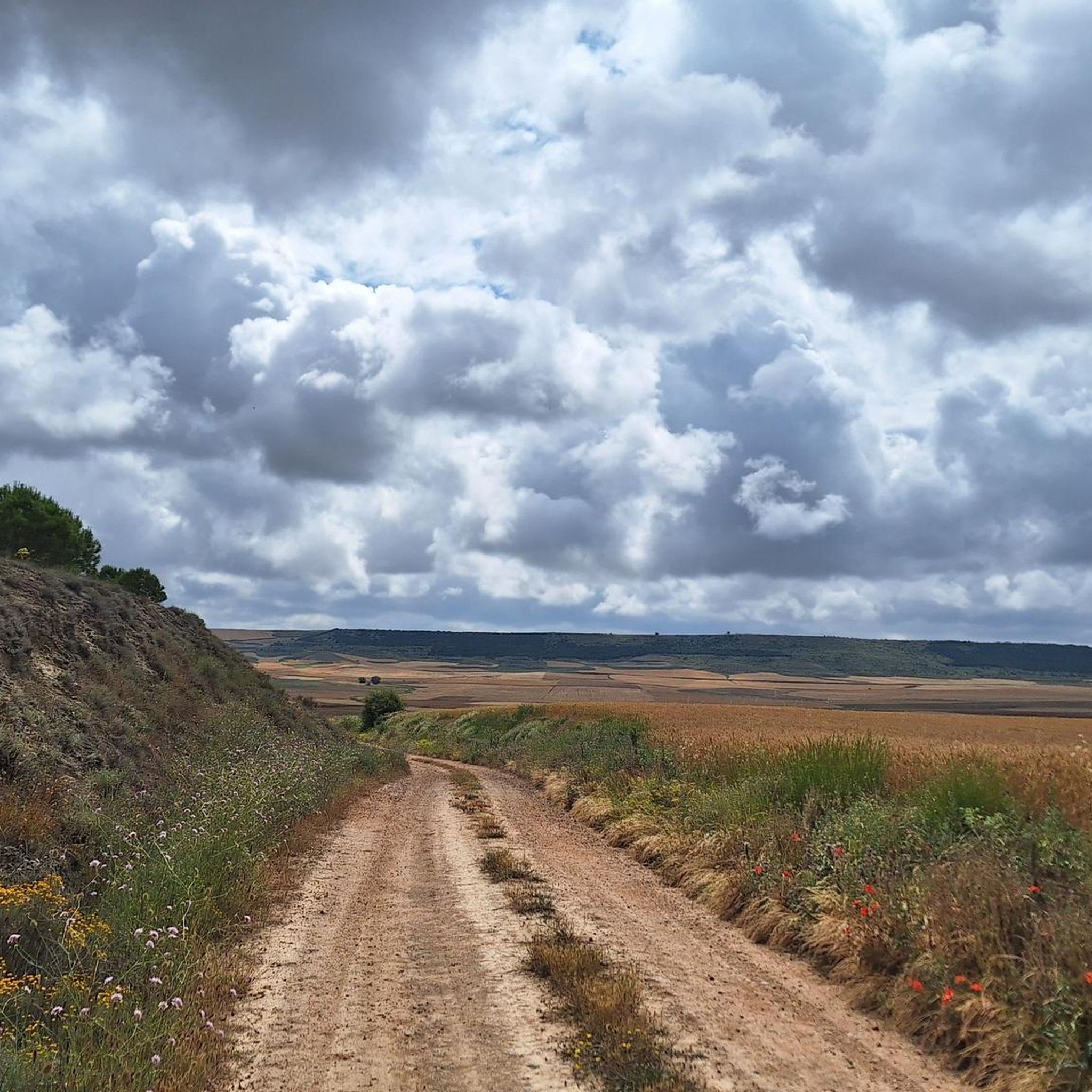
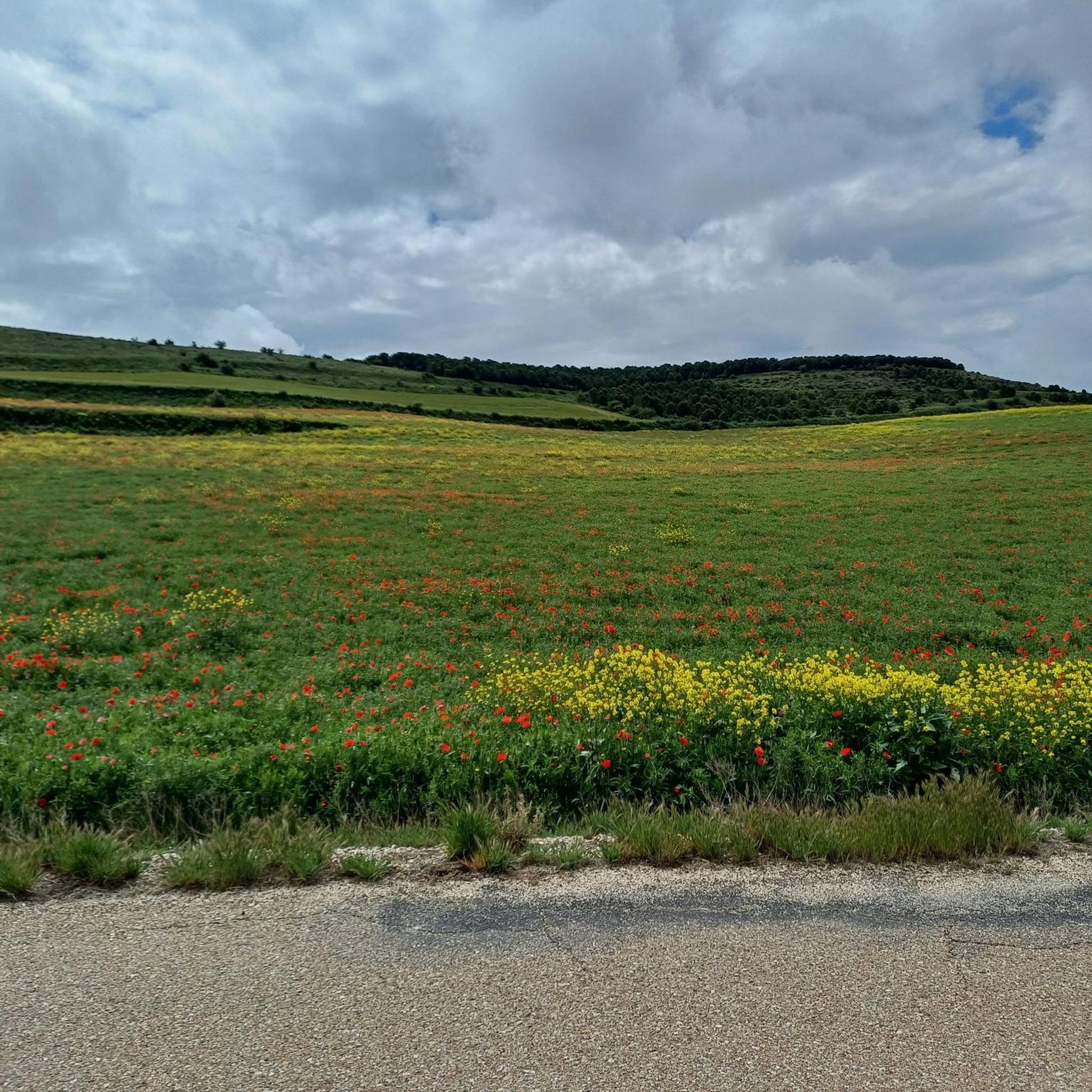
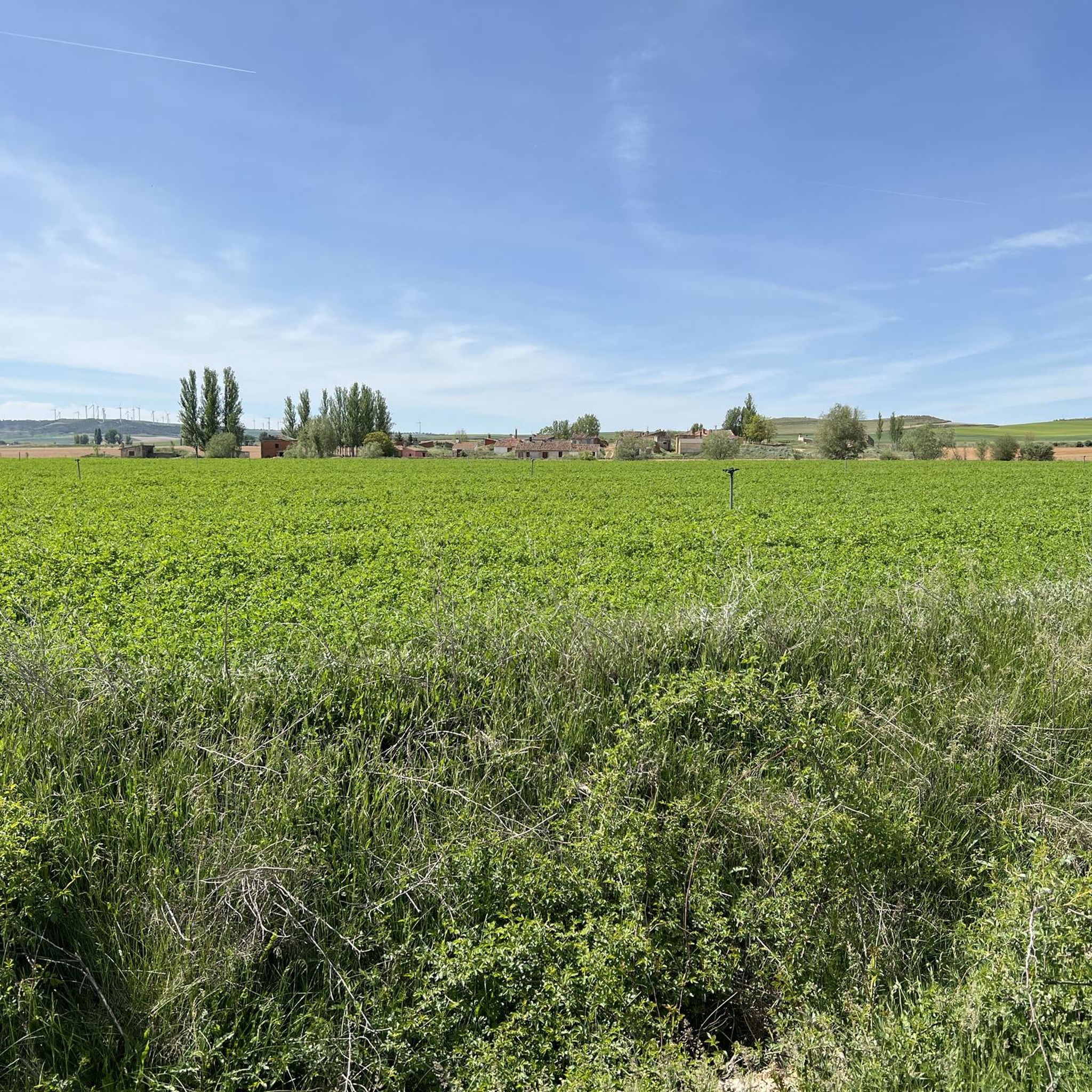
Hiking around Palacios De Riopisuerga offers access to the Pisuerga River and the historic Canal de Castilla, providing varied natural and man-made pathways. The region is characterized by Castilian plains and agricultural landscapes, offering expansive views. These features contribute to a diverse terrain suitable for outdoor activities. The area's historical context, including ancient Roman routes, adds another dimension to its natural appeal.
Best hiking trails around Palacios De Riopisuerga
- The most popular hiking route is Castrojeriz Castle and Santa María del Manzano Loop, a 4.0 miles (6.4 km) trail that takes 1 hour 47 minutes to complete. This easy route explores historical sites and local landscapes.
- Another top favourite among local hikers is Alto de Mostelares — circular from Castrojeriz, a moderate 7.3 miles (11.8 km) path. This route features an ascent to Alto de Mostelares, offering panoramic views of the surrounding area.
- Local hikers also love the Camino Francés: Itero de la Vega and Itero del Castillo Loop, a 3.9 miles (6.3 km) trail leading through the historic Camino Francés, often completed in about 1 hour 37 minutes.
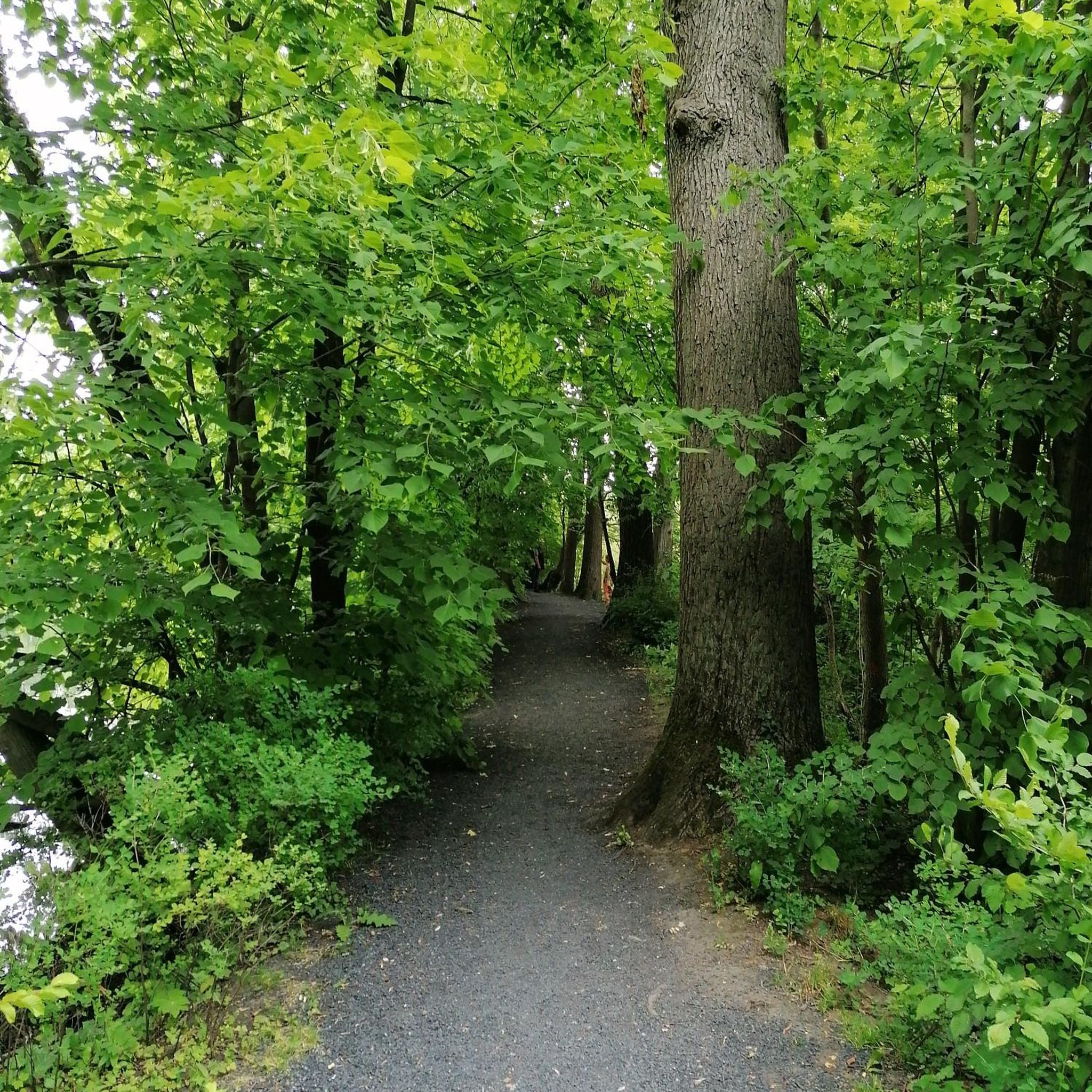
- Hiking around Palacios De Riopisuerga is defined by riverine environments along the Pisuerga, the historic Canal de Castilla, and open Castilian plains. The network offers options for different ability levels, from easy riverside walks to more challenging routes with elevation gain.
- The routes in Palacios De Riopisuerga are highly rated by the komoot community with an average score of 4.0 stars from over 20 reviews. More than 250 hikers have used komoot to explore Palacios De Riopisuerga's varied terrain.
Last updated: July 4, 2026
5.0
(1)
4
hikers
11.8km
03:16
210m
210m
Moderate hike. Good fitness required. Easily-accessible paths. Suitable for all skill levels.
1
hikers
6.37km
01:47
120m
120m
Easy hike. Great for any fitness level. Easily-accessible paths. Suitable for all skill levels.

Sign up for free
1
hikers
6.32km
01:37
20m
20m
Easy hike. Great for any fitness level. Easily-accessible paths. Suitable for all skill levels.
11.7km
02:59
30m
30m
Moderate hike. Good fitness required. Easily-accessible paths. Suitable for all skill levels.
24.8km
06:22
110m
110m
Hard hike. Very good fitness required. Mostly accessible paths. Sure-footedness required.
Our route recommendations are based on thousands of hikes, rides, and runs completed by other people on komoot.
Start today with a free account
Your next adventure awaits.
Login or Signup
Tips from the Community

The view from Alto de Mostelares is one of the most iconic and spectacular views of the Camino de Santiago in the province of Burgos. This peak is located approximately 4 km west of Castrojeriz and is famous for both its challenging climb and its panoramic views.
2
0
Located on a hilltop, it dominates the town and offers spectacular views of the region. Its origins are Roman, although it was expanded by Arabs and Christians. It suffered severe damage in the Lisbon earthquake of 1755, but its ruins can still be visited.
2
0
The Convent of Santa Clara de Castrojeriz, located in the province of Burgos, is one of the most emblematic monuments of this town on the Camino de Santiago. Founded in the 13th century, this convent of Poor Clare nuns has maintained a continuous presence since its inception, making it one of the oldest still-operating convents in Castile.
2
0

At the entrance to the venerable Poor Clare monastery stands a baroque holy water font. What's inside? A disinfectant dispenser. No holy water. No blessing. Just hygiene. Do people here still believe in the Real Presence – or just in the bacterial load? The Camino leads not only over mountains, but also through the abysses of liturgical desacralization. #HolyWaterSubstitute #RealPresenceOrEthanol #CaminoSatire #SantaClaraDisinfected
1
0

There is an entrance fee; 5 euros.
6
0
The Puente del Rey is one of the most outstanding structures of the Canal de Castilla, one of the most important hydraulic engineering works in Spain. The Canal de Castilla was built between the 18th and 19th centuries with the aim of facilitating the transport of goods, especially cereals, from the interior of Castile to the ports of northern Spain.
7
0

A tough climb with 12% gradients, spectacular views of Castrojeriz and its region when you reach the top. It is highly recommended to stop and contemplate them before continuing on the path.
0
0

The Alto de Mostelares is a well-known point on the Camino Francés, located between Castrojeriz and Hornillos del Camino. It offers a beautiful view of the Meseta, the vast plain that forms an important part of the pilgrimage route. It is a popular place for pilgrims to stop and enjoy the panoramic views.
2
0
Frequently Asked Questions
What kind of terrain can I expect when hiking around Palacios De Riopisuerga?
The hiking terrain around Palacios De Riopisuerga is diverse, featuring riverine environments along the Pisuerga River and the historic Canal de Castilla, which offer flat, accessible paths. You'll also find expansive Castilian plains and agricultural landscapes, providing open views. Some routes may include moderate elevation gains, offering a mix of easy riverside walks and more challenging ascents.
Are there easy hiking options suitable for beginners or families?
Yes, there are several easy hiking options. For instance, the Castrojeriz Castle and Santa María del Manzano Loop is an easy 4.0-mile (6.4 km) trail exploring historical sites. Another gentle option is the Camino Francés: Itero de la Vega and Itero del Castillo Loop, a 3.9-mile (6.3 km) trail through historic areas.
Can I bring my dog on the hiking trails in this area?
Many trails in the Palacios De Riopisuerga region are suitable for dogs, especially those along the Pisuerga River and the Canal de Castilla. These paths often provide open spaces and natural environments for your pet. However, it's always recommended to keep dogs on a leash, especially near agricultural areas or wildlife, and to check local regulations for specific routes.
Are there any circular hiking routes available?
Yes, there are circular routes to enjoy. A popular option is the Alto de Mostelares — circular from Castrojeriz, a moderate 7.3-mile (11.8 km) path that offers panoramic views. Another is the Camino Francés: Itero de la Vega and Itero del Castillo Loop, which is an easy 3.9-mile (6.3 km) loop.
What historical or natural landmarks can I see while hiking?
The region is rich in history and natural beauty. You can explore the historic Canal de Castilla, an 18th-century engineering marvel, or walk along the scenic Pisuerga River. Nearby attractions include the ancient Roman city of Dessobriga (to the north) and remnants of Roman roads. Within the village, the neoclassical Church of San Pablo Apóstol and the palace of the Marquises of Claramonte offer cultural points of interest. You can also visit highlights like Castrojeriz, the Palace and Church of Pedrosa del Príncipe, or the Castillo de las Cabañas.
Where can I park when visiting Palacios De Riopisuerga for hiking?
While specific designated hiker parking areas are not extensively detailed, Palacios De Riopisuerga is a small municipality. Visitors typically find parking within the village itself, often near local amenities or public spaces. For routes starting outside the village, it's advisable to check the route description for any specific parking recommendations.
Is public transport available to reach Palacios De Riopisuerga?
Public transport options to Palacios De Riopisuerga are generally limited, as is common for smaller rural municipalities in Spain. It is part of the province of Burgos, Castile and León. Visitors typically rely on private vehicles to reach the area. For detailed information on regional bus services, it's best to consult local transport authorities or travel websites for routes connecting to larger towns in the Burgos province.
What is the best time of year to go hiking in Palacios De Riopisuerga?
The best time for hiking in Palacios De Riopisuerga is generally during spring (April to June) and autumn (September to October). During these seasons, the weather is typically mild and pleasant, making for comfortable walking conditions. Summers can be hot, especially in July and August, while winters can be cold, though hiking is still possible with appropriate gear.
What do other hikers enjoy most about hiking in Palacios De Riopisuerga?
The area is highly rated by the komoot community, with an average score of 4.0 stars from over 25 reviews. Reviewers often praise the peaceful solitude of the Castilian plains, the scenic walks along the Pisuerga River and Canal de Castilla, and the blend of natural beauty with historical significance found on the trails.
Are there any permits required for hiking in the Palacios De Riopisuerga area?
Generally, no special permits are required for hiking on the established trails and public paths around Palacios De Riopisuerga. The area consists of natural landscapes and agricultural lands, and access is typically open. However, always respect private property and follow any local signage or regulations you may encounter.
Are there any challenging hikes for experienced hikers?
Yes, for experienced hikers looking for a challenge, the Sendero de los Hortelanos Circuit is a difficult 15.4-mile (24.8 km) route. This longer trail offers more extensive exploration and a greater physical challenge compared to the easier options in the region.
Where can I find accommodation or places to eat in Palacios De Riopisuerga?
Palacios De Riopisuerga is a small village, so amenities are modest. You can find local bars or small restaurants within the village for refreshments and meals. For accommodation, rural guesthouses or casas rurales are common in the region, offering a charming stay. For a wider selection of services, you might consider nearby larger towns in the Burgos province.
Most popular routes around Palacios De Riopisuerga
Most popular attractions around Palacios De Riopisuerga

Get inspired with the komoot mobile app


Explore more
Browse the best Hikes in other regions.
