The best running trails around Hita
4.0
(1)
56
runners
6
runs
Jogging around Hita, Japan, offers diverse routes through a landscape characterized by its abundant water resources and mountainous terrain. The region features the Mikuma River and Kusu River, along with numerous waterfalls like Sakura-daki and Ryumon Falls. Surrounded by mountains such as the Aso Kuju range, Hita provides trails through cedar and ash tree forests, as well as scenic paths along gorges and dams. Historic townscapes like Mameda-machi also offer unique urban running experiences.
Best jogging routes around Hita
- The…
Last updated: June 28, 2026
4.0
(1)
1
runners
6.93km
00:50
150m
140m
Moderate run. Good fitness required. Mostly paved surfaces. Suitable for all skill levels.
20
runners
9.70km
01:04
40m
40m
Moderate run. Good fitness required. Mostly paved surfaces. Suitable for all skill levels.

Sign up for free
7
runners
7.03km
00:48
90m
90m
Moderate run. Good fitness required. Mostly paved surfaces. Suitable for all skill levels.
4
runners
13.9km
01:42
160m
160m
Moderate run. Good fitness required. Mostly paved surfaces. Suitable for all skill levels.
3
runners
12.1km
01:24
80m
80m
Moderate run. Good fitness required. Mostly paved surfaces. Suitable for all skill levels.
Our route recommendations are based on thousands of hikes, rides, and runs completed by other people on komoot.
Start today with a free account
Your next adventure awaits.
Login or Signup

Tips from the Community

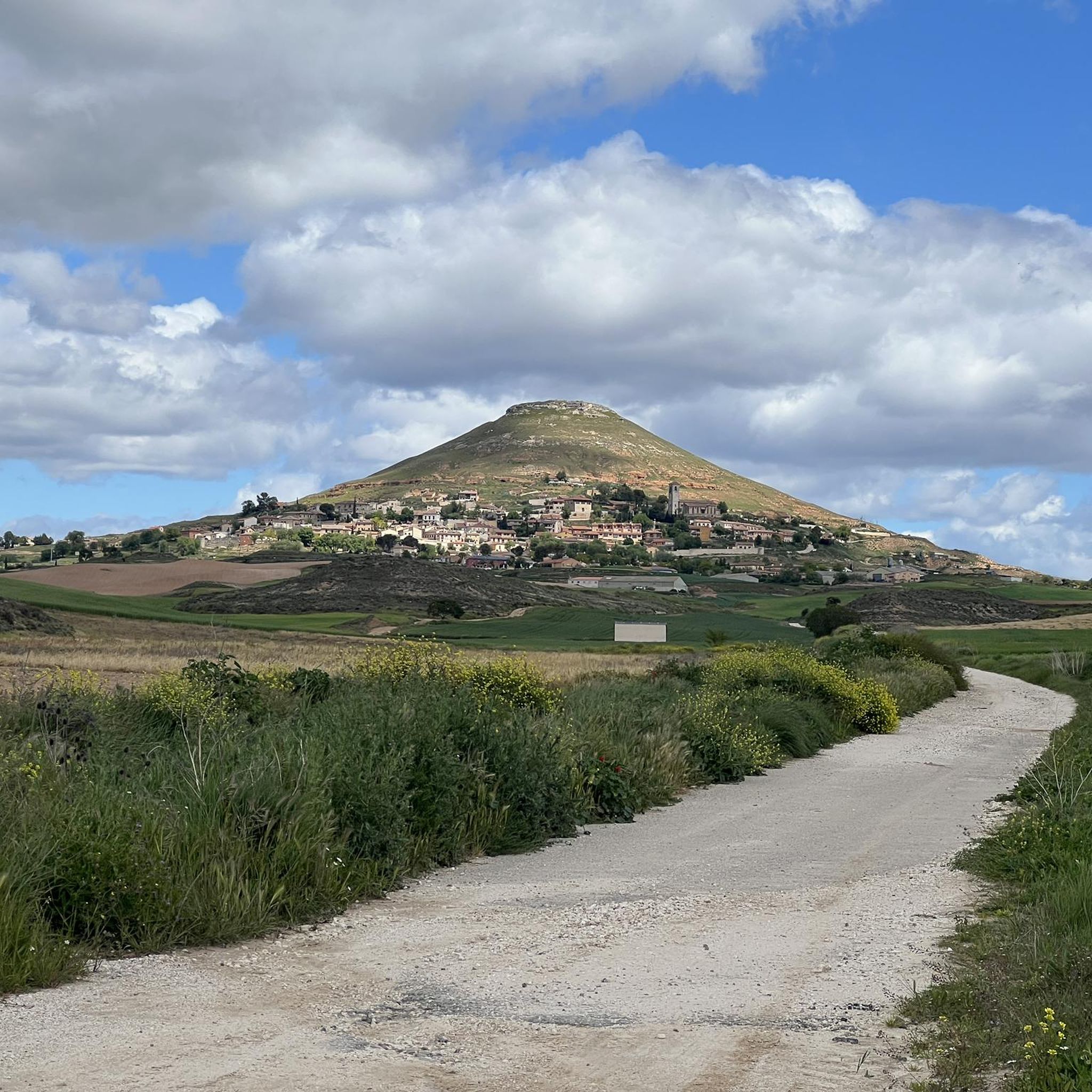
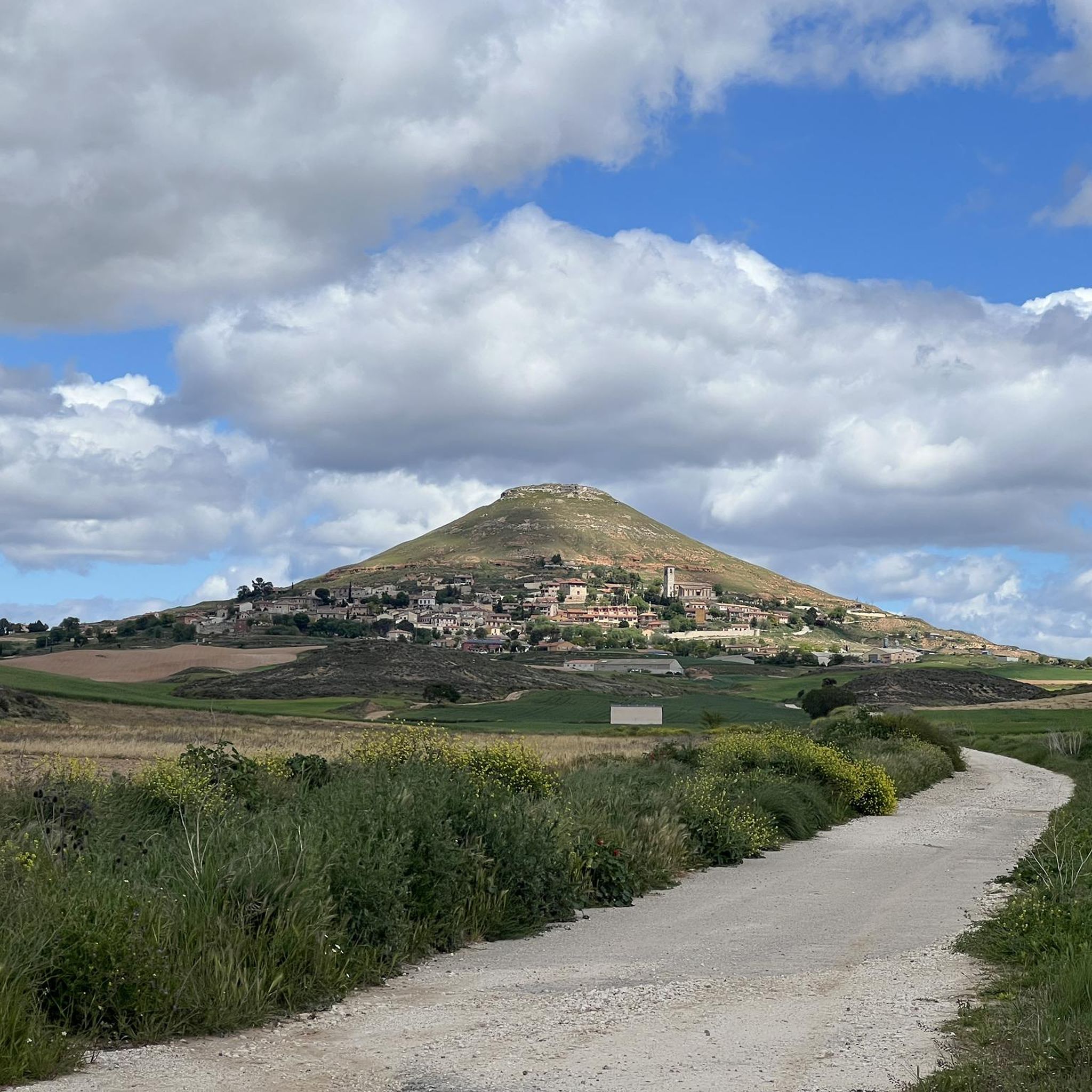
Although it is associated with El Cid, it was never related to the mercenary knight, but rather to the first Count of El Cid, Rodrigo Días de Vivar y Mendoza, a noble title granted by the Catholic Monarchs in 1492. This fortress, dating back to the High Middle Ages, watches over the Henares valley at the foot of the Alcarria Mountains. A natural paradise with a variety of altitudes.
0
0

imposing castle, called del Cid, although Rodrigo Díaz never lived there. The current Jadraque castle is almost entirely the work of the last third of the 15th century, that is, from the last group of medieval castle-palaces, already on the verge of disappearance at this time. Its reform in the 15th century was due to the master builder Alberto de Caravajal, helped by stonemasons from Northern Spain. This master builder also directed the renovation of the castle of Puebla de Almenara (Cuenca). It is likely that the outlines of the reform were given by the architect Juan Guas, although his intervention is not documented. The renovation work greatly affected almost everything that had previously existed there, as the natural terrain of the hill was even lowered. Only what was a large pentagonal tower in the bow was used in the construction of the new late medieval castle (probably towards the middle of the 20th century, almost the entire tower was dismantled to serve as a quarry). One of its panels is fallen today and the castle is closed to visitors.
0
0

Beautiful Castle of Muslim origin, later rebuilt by the Mendoza family from Guadalajara.
1
0

Fontarar in a small town near the Henares River north of Guadalajara. Good place to stop to rest in the Plaza Mayor and the fresh water fountain.
1
0
Known as El Cid's castle, this incredible 15th century castle was the last of its kind to be erected in Spain. With majestic towers and a long protective wall, Jadraque Castle is a must-see.
1
0

El Cid or Jadraque Castle is a 15th century Spanish fortress located in the municipality of Jadraque (Guadalajara). From its height, it watches over an extensive area of the Henares river plain, with the mountains of northern Guadalajara in the background.
2
0

Fontanar is a Spanish municipality in the province of Guadalajara, in the autonomous community of Castilla-La Mancha. It is located in the Campiña del Henares region, 10 km from the provincial capital.
0
0
The castle of El Cid or Jadraque is a Spanish fortress located in the municipality of Jadraque. From its height, it watches over an extensive area of the Henares river plain, with the mountains of northern Guadalajara in the background. You can reach the base of the castle but the terrain is rocky. Beautiful!
1
0
Frequently Asked Questions
What kind of landscapes can I expect on jogging routes in Hita?
Hita, known as the 'City of Waters,' offers a diverse range of landscapes for running. You can expect picturesque routes along the banks of the Mikuma River and Kusu River, trails through majestic mountains and cedar forests, and even paths leading to scenic waterfalls like Sakuradaki Falls. The region also features impressive gorges like Hibiki Gorge and the powerful Oyama Dam, providing varied terrain and stunning views.
Are there any running trails that pass by waterfalls in Hita?
Yes, Hita is home to several beautiful waterfalls that make for scenic running destinations. Sakuradaki Falls, located near Amagase Station, is a notable example, known for its refreshing spray. While not suitable for running directly under, Ryumon Falls is another attraction known for its unique feature of being used as a waterslide, and trails in the vicinity offer natural beauty.
Can I find jogging routes through historic areas in Hita?
Absolutely. Hita offers charming townscapes like Mameda-machi, which retains the atmosphere of the Edo period with well-preserved old houses. Light jogging or strolling through these historic streets, sometimes referred to as 'Little Kyoto in Kyushu,' provides a unique cultural experience alongside physical activity.
What are the typical difficulty levels for running trails in Hita?
The running routes in Hita cater to various ability levels. You can find gentle riverside paths perfect for a steady run, as well as more challenging routes through mountainous terrain with significant elevation changes. The region's natural diversity ensures options for both casual joggers and more experienced trail runners.
Are there any viewpoints or scenic spots along the running routes in Hita?
Yes, Hita's natural environment provides many scenic spots. Joggers can enjoy views along the Mikuma River, through cedar and primeval ash tree forests, and from higher elevations in the surrounding mountains. Mount Shakagatake, for instance, offers opportunities for morning climbs with views of the rising sun, and the Oyama Dam provides powerful perspectives.
What is the best time of year to go jogging in Hita?
Hita offers pleasant conditions for outdoor activities throughout much of the year. Spring is beautiful with cherry blossoms, and autumn brings vibrant foliage, making these seasons particularly scenic for jogging. The abundant water features also provide a refreshing atmosphere during warmer months.
Are there any family-friendly jogging options in Hita?
While specific family-friendly jogging routes are not detailed, the gentle riverside paths along the Mikuma River and Kusu River would likely be suitable for families. Additionally, parks and less strenuous sections of trails through forests could offer enjoyable experiences for all ages.
What kind of natural features define the jogging experience in Hita?
The jogging experience in Hita is largely defined by its abundant water resources and mountainous terrain. Expect to run alongside serene rivers, discover refreshing waterfalls, and traverse trails through dense cedar and ash tree forests. The region's position north of the Aso Kuju mountain range ensures a rich, natural backdrop.
How popular is jogging in Hita among the komoot community?
Jogging in Hita is well-regarded by the komoot community. The routes in the area have an average rating of 4.0 stars, and over 57 runners have used komoot to explore Hita's varied terrain, indicating a positive experience among those who have visited.
Are there opportunities for trail running in Hita's mountains?
Definitely. Situated north of the Aso Kuju mountain range, Hita is surrounded by majestic mountains and intact wilderness, making it ideal for trail running. You can explore trails through cedar forests and primeval ash tree forests, with some paths leading to ancient Shinto shrines, such as those found on the Gozendake trail.
Can I find routes that combine natural beauty with cultural sights?
Yes, Hita uniquely blends natural beauty with cultural heritage. You can enjoy runs along scenic rivers and through forests, and then transition to light jogging through historic townscapes like Mameda-machi, which offers a glimpse into the Edo period with its well-preserved architecture.
What are some notable rivers or waterways to jog alongside in Hita?
The Mikuma River, flowing through the city's center, is a significant symbol of Hita and offers beautiful scenery for jogging along its banks. The Kusu River, with its murmuring waters and riverside hot springs, also provides a refreshing atmosphere for outdoor enthusiasts.
Most popular attractions around Hita

Get inspired with the komoot mobile app


Explore more
Browse the best Running Trails & Routes in other regions.
