The best cycling routes around Júzcar
4.6
(212)
2,693
riders
40
rides
Touring cycling routes around Júzcar traverse a mountainous topography characterized by striking limestone formations, deep valleys, and winding roads. The region is nestled within the Serranía de Ronda, offering significant elevation changes ideal for experienced cyclists. Chestnut forests and the Genal River define much of the landscape, providing scenic backdrops for rides. These routes often connect charming white villages, blending cultural immersion with physical exertion.
Best touring cycling routes around Júzcar
- The most popular touring cycling route is Calle Armiñán,…
Last updated: August 13, 2026
4.5
(8)
146
riders
5.26km
00:22
110m
110m
Easy bike ride. Great for any fitness level. Mostly paved surfaces. Suitable for all skill levels.
5.0
(1)
73
riders
117km
11:02
2,680m
2,680m
Hard bike ride. Very good fitness required. You may need to push your bike for some segments of this route.

Sign up for free
4.4
(7)
71
riders
13.1km
00:56
190m
190m
Moderate bike ride. Good fitness required. Mostly paved surfaces. Suitable for all skill levels.
4.6
(5)
26
riders
11.6km
00:54
220m
220m
Moderate bike ride. Good fitness required. Mostly paved surfaces. Suitable for all skill levels.
4.7
(3)
24
riders
7.99km
00:36
200m
200m
Moderate bike ride. Good fitness required. Mostly paved surfaces. Suitable for all skill levels.
Get access to more routes and recommendations from other explorers.
Sign up for free
Already have an account?
Our route recommendations are based on thousands of hikes, rides, and runs completed by other people on komoot.
Start today with a free account
Your next adventure awaits.
Login or Signup
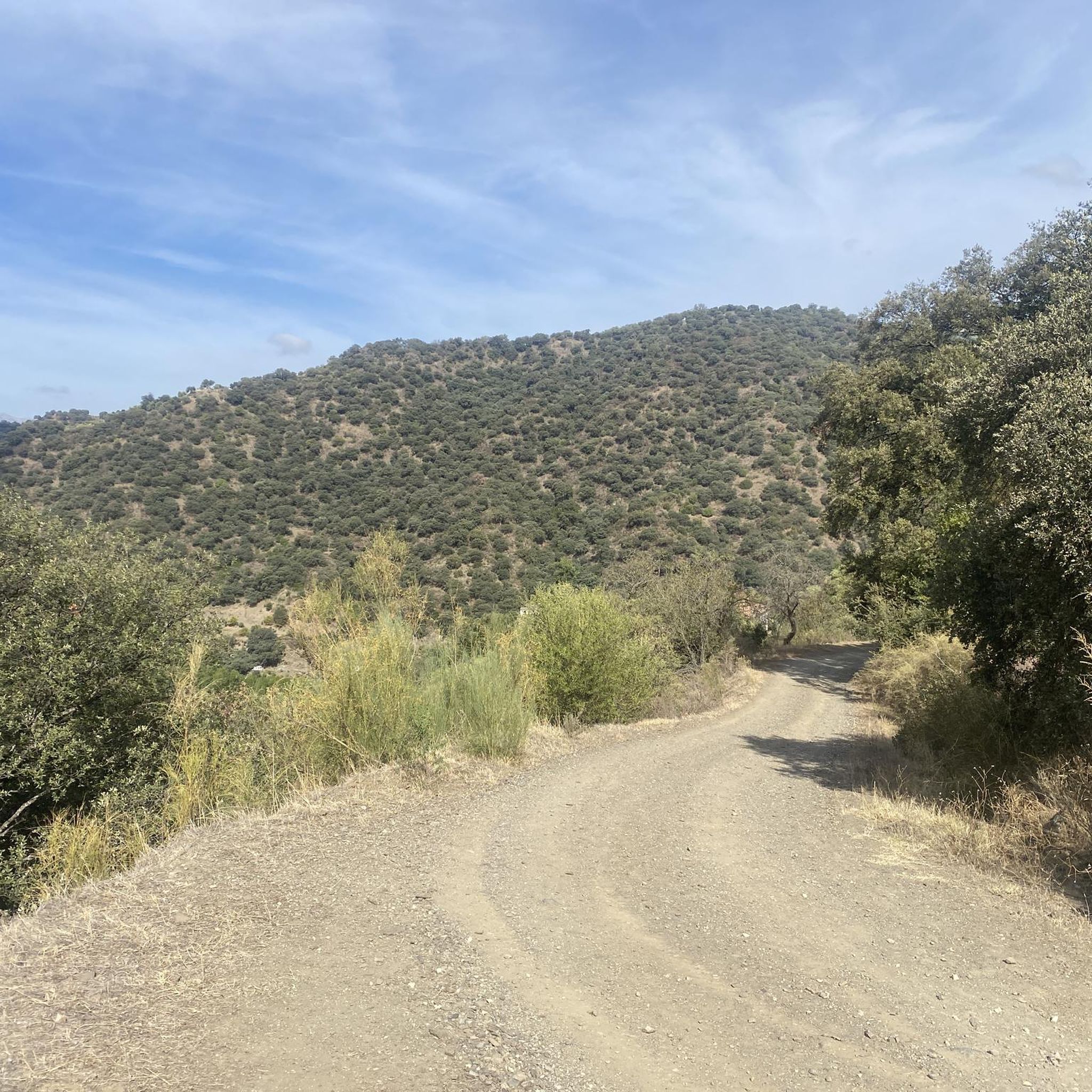
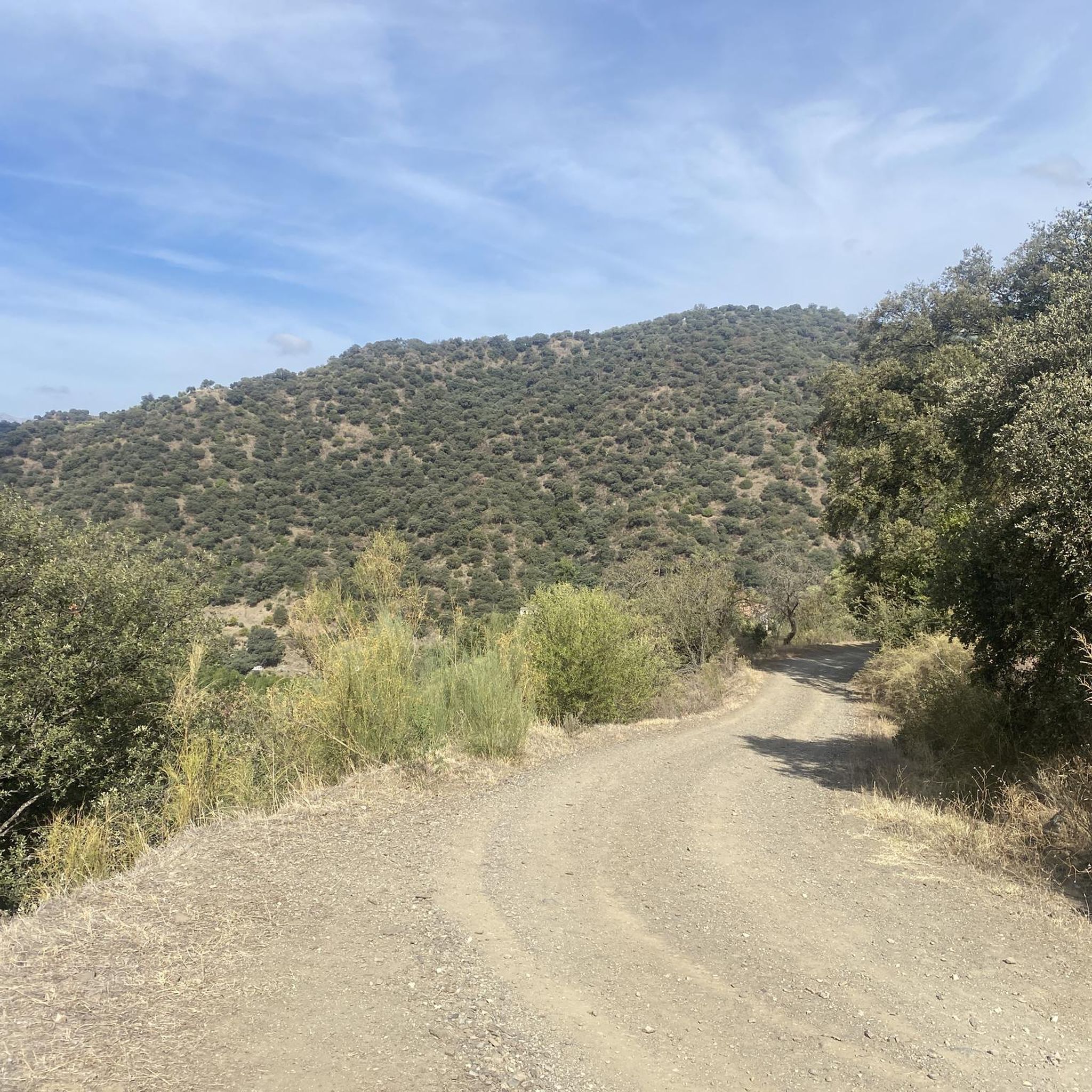
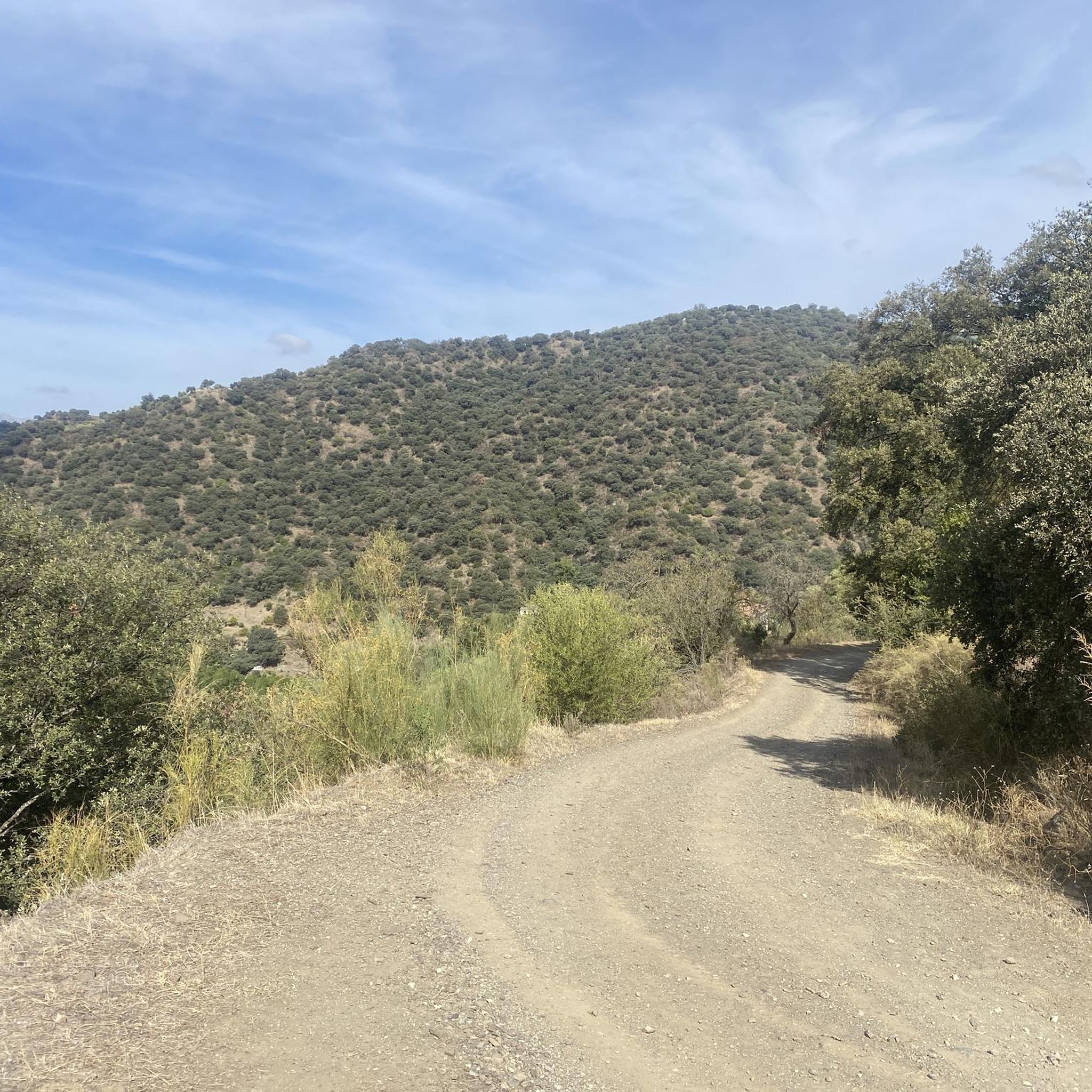

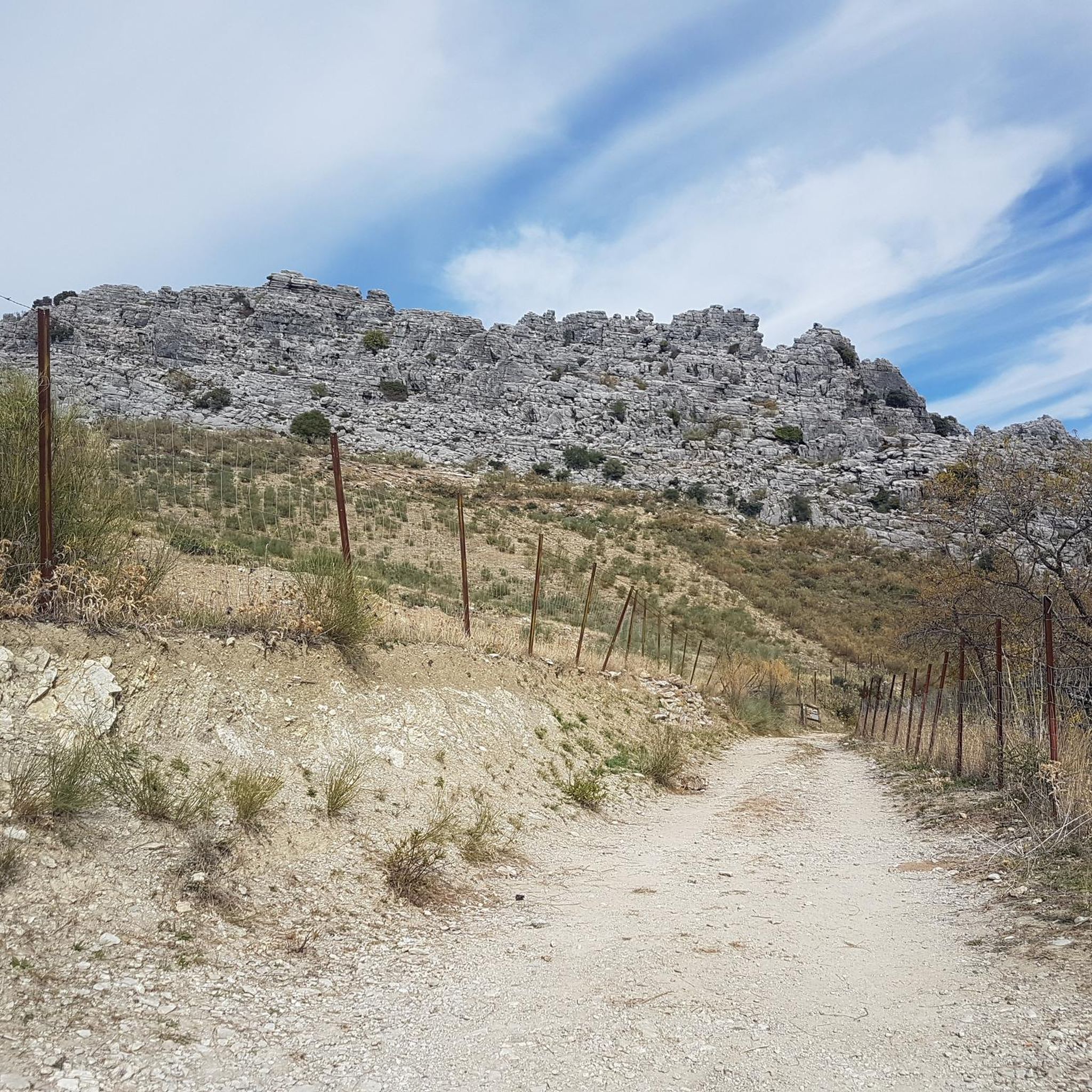
Tips from the Community

Very pretty Andalusian village
0
0

On the way to the Puente Nuevo, you pass this great painting on tiles. It shows Ronda, with quotes from 19th-century travelers written all around it, telling about their adventures in Ronda.
3
0

The Mirador de Aldehuela is one of Ronda's most famous viewpoints, located near the Puente Nuevo. From here, you have a spectacular panorama of the deep El Tajo gorge, the bridge, and the surrounding landscape of mountains and valleys. It is named after the architect José Martín de Aldehuela, who completed the Puente Nuevo in the 18th century. 👉 A perfect spot for photos, especially at sunset!
5
0
The origins of this ceramic lie in a work of art by local ceramicists: a map of Ronda. During the Romantic Ronda conference in 2013, which coincided with the sixth congress on the city's history, the idea arose to add quotes from travelers and writers. In this way, Ronda was depicted not only in images but also in the words of the romantic visitors who have admired the city throughout the centuries.
4
0

Magnificent place 🍻
0
1

Cuevas del Sol Street in Setenil de las Bodegas is one of the most iconic and photographed corners of this picturesque town in the Sierra de Cádiz, famous for its houses built directly beneath enormous rocks.
8
0

The Templete de la Virgen de los Dolores in Ronda is a small Baroque sanctuary dating from 1734. Located on Calle Virgen de los Dolores, it is designed as an open chapel with a rectangular floor plan, attached to a residential building. Three sides of the building are surrounded by semicircular arches resting on ornate Ionic columns. The anthropomorphic figures on the columns, depicted with ropes around their necks, are striking – hence the popular nickname "Chapel of the Hanged." Inside is a small altar with a carved figure of Our Lady of Sorrows. The ceiling is decorated with Rococo ornaments and depictions of the evangelists. The site itself holds special historical significance, as condemned prisoners used to pray here before their execution. In 2024, a careful restoration began, which included the reconstruction of lost details and the preservation of the building.
6
0

The Templete de la Virgen de los Dolores is a beautiful historical monument in Ronda, located on Calle Virgen de los Dolores. This small chapel was built in 1734 during the reign of King Fernando VI1. It is an open chapel attached to a private house, with a rectangular plan and semicircular arches on three sides. The chapel has a narrow entrance with a small wooden retable in which a painting of the Virgen de los Dolores is hung. On either side of the retable are the coats of arms of the Catholic Monarchs of Spain and of King Philip V. The pillars of the chapel have Ionic capitals and figures of people tied with a rope around their necks, which gives a sinuous character to the building. The Templete de la Virgen de los Dolores is also known as the Templete de los Ahorcados because of the legend that the prisoners said their last prayers here before being executed in the nearby squares.
8
0
Frequently Asked Questions
How many touring cycling routes are available around Júzcar?
There are over 30 touring cycling routes in the Júzcar area, offering a diverse range of experiences. These routes traverse mountainous terrain, deep valleys, and extensive chestnut forests, with options suitable for various skill levels.
What is the best time of year to go touring cycling in Júzcar?
The conditions are generally pleasant for cycling for much of the year in Júzcar. However, the chestnut forests are particularly breathtaking in autumn, making it a scenic time to visit. Spring also offers mild temperatures and lush landscapes.
Are there any easy touring cycling routes suitable for beginners or families?
Yes, while many routes are challenging, there are easier options available. For instance, the Calle Armiñán, Ronda – View of Jardines de Cuenca loop from Reception is an easy 4.0-mile (6.4 km) trail that takes about 30 minutes to complete, offering views of the historic Jardines de Cuenca.
What kind of landscapes can I expect to see on a touring cycling route around Júzcar?
The region is characterized by stunning natural landscapes, including striking limestone mountains, deep valleys, and winding roads. You'll cycle through extensive chestnut forests, especially beautiful in autumn, and along the Genal River. Views of the Sierra Bermeja and the Sierra de las Nieves are also common.
Are there any challenging routes for experienced touring cyclists?
Absolutely. Júzcar is ideal for experienced touring cyclists due to its significant elevation changes. A challenging option is the Júzcar, the Blue Village – Source of the Genal River loop from Parauta, a 28.1-mile (45.3 km) trail with substantial elevation gain, typically completed in about 4 hours 30 minutes.
What are some notable landmarks or attractions I can see along the routes?
Many routes pass through charming white villages, offering cultural immersion. You can also find natural and historical landmarks. For example, the Ronda Bullring – City of Ronda loop from Reception explores the city of Ronda, passing by its iconic bullring. Other attractions nearby include the Puente Nuevo (New Bridge) in Ronda and the Cuenca Gardens.
Are there any circular touring cycling routes in the area?
Yes, many routes are designed as loops, allowing you to start and end in the same location. An example of a longer circular route is the Almocábar Gate – View of the Puente Nuevo loop from Júzcar, which covers 67.8 km (42.1 miles) and offers panoramic views.
What do other touring cyclists enjoy most about cycling in Júzcar?
The area is highly rated by the komoot community, with an average score of 4.6 stars from over 170 reviews. Reviewers often praise the stunning natural beauty, the challenge of the mountainous terrain, and the opportunity to explore charming white villages.
Are there any routes that focus on the city of Ronda?
Yes, the City of Ronda – Ronda Bullring loop from Cerro del Fraile is a popular option. This 42.1-kilometer (26.2-mile) route allows you to explore the urban landmarks and historical sites of Ronda, including its famous bullring.
What are the typical trail conditions for touring cycling routes in Júzcar?
The routes often traverse winding roads through mountainous terrain. While many segments are paved, cyclists should be aware that some parts might be unpaved or have potholes, adding to the adventure of exploring this region.
Are there any natural water features or lakes to see along the cycling routes?
Yes, the Genal River snakes through the valley, providing scenic views. While direct access to large lakes might require detours, you can find highlights like the Hermitage Pond or the Natural pool at the start of the Guadalmina River route in the wider area.
Most popular attractions around Júzcar

Get inspired with the komoot mobile app


Explore more
Browse the best Cycling routes in other regions.
