Attractions and Places To See around Monegrillo - Top 20
Best attractions and places to see around Monegrillo are located within the Monegros region of Spain, characterized by its unique steppe landscape. This area presents a combination of historical landmarks, cultural sites, and natural features. Visitors can explore a distinctive natural environment alongside significant architectural and religious structures. The region offers diverse points of interest for exploration.
Best attractions and places to see around Monegrillo
- The most popular attractions is Hermitage of the Virgin of the Sabina, a religious…
Last updated: July 1, 2026
Hermitage of the Virgin of the Sabina
Highlight • Religious Site
Translated by Google •
Tip by

San Caprasio Caves
Highlight • Cave
Translated by Google •
Tip by

Sign up now to discover places like this
Get recommendations on the best single tracks, peaks, & plenty of other exciting outdoor places.
Sign up for free
Monegros Desert
Highlight • Natural
Translated by Google •
Tip by

Monte Oscuro Weather Radar
Highlight • Monument
Translated by Google •
Tip by
Charterhouse of Our Lady of Las Fuentes
Highlight • Religious Site
Translated by Google •
Tip by

Sign up for free to discover even more attractions around Monegrillo.
Sign up for free
Already have an account?
Start today with a free account
Your next adventure awaits.
Login or Signup
Popular around Monegrillo

Tips from the Community

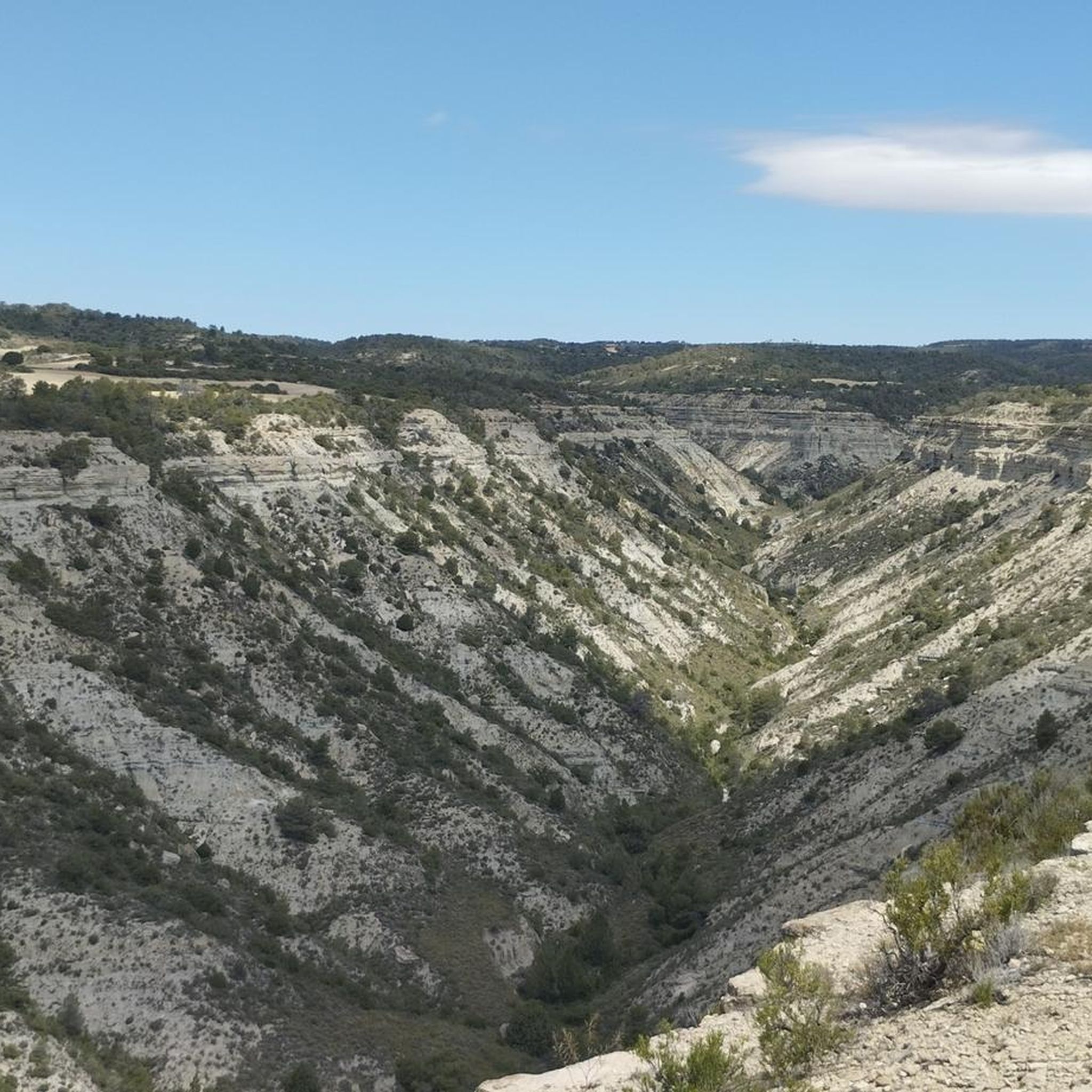
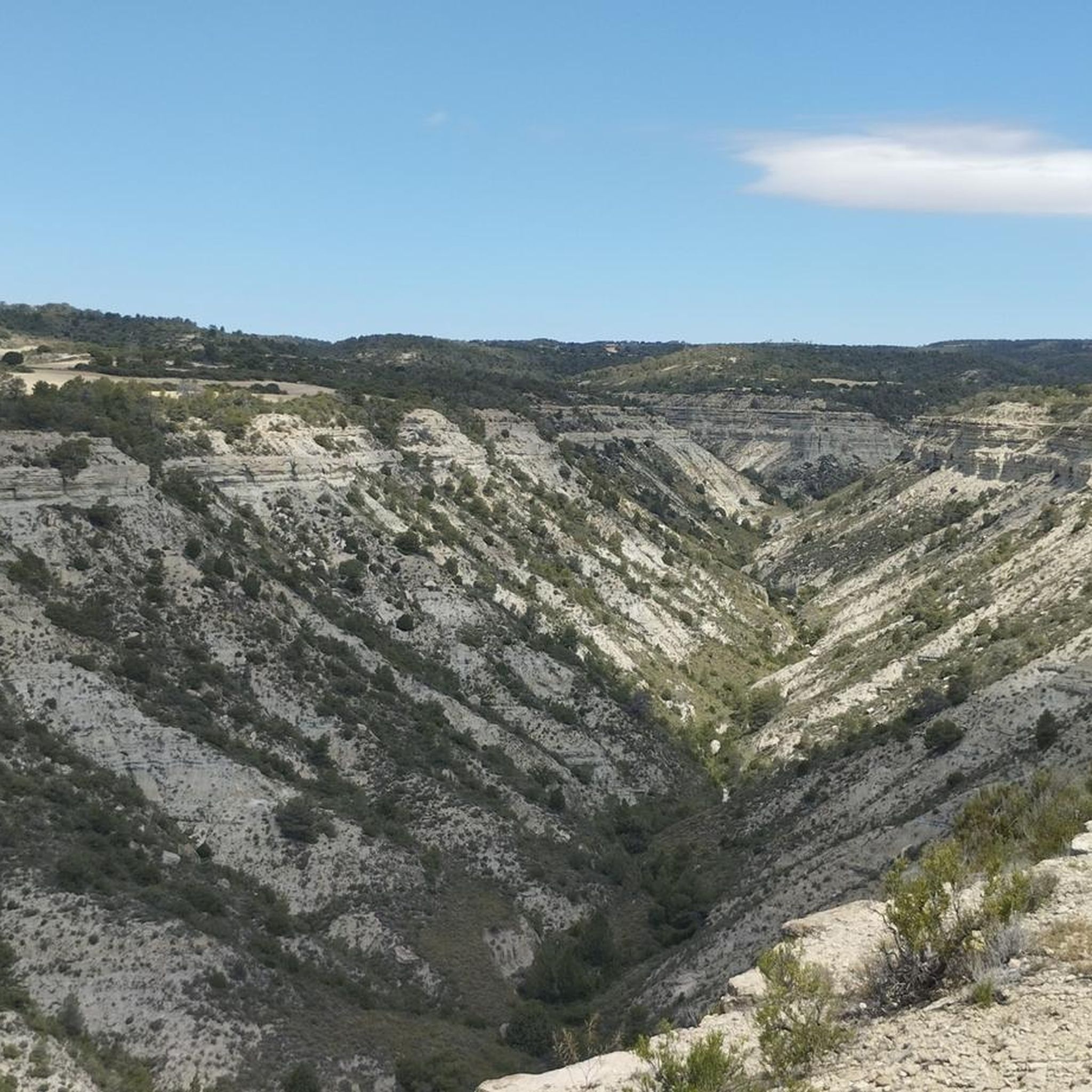
The Monegros region forms a unique steppe landscape in Europe, a vast semi-desert expanse between Zaragoza and Huesca that surprises visitors with its silence, vastness, and biodiversity. Despite its arid appearance, it is home to more than 5,000 species and a high number of endemic ones, making it a very special destination for those who enjoy open nature and endless horizons. Its tracks and service roads are ideal for long, leisurely routes, both on foot and by bike, always carrying water and sun protection due to the limited shade.
2
0

A magical place! Magnificent views and peaks of the Ruta de los Miradores
0
0

A tough but very rewarding climb to the top of Monte Oscuro, home to the weather station and the large spherical radar visible for miles. The place is breathtaking: surrounded by silence, with spectacular views of the entire Cinca Medio, the Pyrenees to the north, and the Monegros to the south. The climb is steady, along a well-maintained forest track, although with challenging sections. Reaching the top, with the radar next to you, gives you the feeling of having reached a special place. A must-stop for photos, a break, and to enjoy the open landscape.
0
0
A group of natural caves located on the slopes of Mount San Caprasio, associated with ancient pastoral, hermitage, and possibly even pre-Christian uses. Some were used as shelters for shepherds or anchorites, and local tradition links them to the primitive cult that gave rise to the hermitage. Relatively easy to access from the track or the hermitage, they are a curious place to explore on foot, with views of the Ésera Valley and an utterly silent environment. They add a mystical and ancestral touch to any route in the area.
0
0
A rural shrine located on a hill outside Alcolea de Cinca, dedicated to the Virgin of the Sabina, the local patron saint. A simple and beloved building, it's surrounded by pine and juniper trees, overlooking the Cinca River and the Monegros mountains. It's a popular stop for pilgrimages and processions, and an ideal stop on mountain biking or gravel routes in the area. It's located in a peaceful setting, accessible by dirt track from the village.
0
0

The Charterhouse of Our Lady of the Fountains has been a Site of Cultural Interest since 2002 and has been under restoration since 2015. Guided tours are available on weekends and national holidays.
7
0
The Charterhouse of Our Lady of the Fountains, also known as the Charterhouse of Monegros, is a former monastery located in the municipality of Sariñena, in the region of Monegros, province of Huesca, Aragon. Founded in 1507 by the Counts of Sástago, Beatriz de Luna, and Blasco de Aragón, it is the first Charterhouse built in the Kingdom of Aragon. The current monastery, built in the 18th century, is an impressive architectural complex in the late Baroque style. It is notable for its mural paintings by Friar Manuel Bayeu, Goya's brother-in-law, depicting scenes from the life of the Virgin Mary, women of the Old Testament, and the cardinal virtues.
7
0

Surprising place for the hermitage carved into the rock. Next door is a shelter for emergency overnight stays. Very good views from the hermitage itself and if you go to the top it is a first-rate viewpoint of the area.
1
0
Frequently Asked Questions
What unique natural features can I explore around Monegrillo?
Monegrillo is situated within the Monegros region, known for its unique steppe landscape, one of the most impressive arid areas in Southern Europe. You can also explore the Sierra de Alcubierre, a mountain range with diverse pine and holm oak forests, and the Barranco de la Gabardera, offering panoramic views and ancient junipers. The wider Monegros region also features the curious multi-colored rock formations known as the Tozales de Monegros.
Are there historical or cultural sites to visit in Monegrillo?
Yes, Monegrillo offers several historical and cultural sites. You can visit the baroque Church of Nuestra Señora de la Asunción, the 19th-century Oratorio del Rosario, and the historical Granero de la Diezma. On the outskirts, you'll find the 16th-century Ermita de San Benito. The Charterhouse of Our Lady of Las Fuentes, a former monastery with mural paintings by Friar Manuel Bayeu, is also nearby.
Where can I learn about the local ecosystem and history of Monegrillo?
The Panivino Palace, an excellent example of Mudéjar civil architecture, now houses the Interpretation Center of the Monegros Steppes. It features a permanent exhibition on the local steppe ecosystem and a section dedicated to Monegrillo's beekeeping, offering insights into the region's natural and cultural heritage.
What historical sites related to the Spanish Civil War can I visit?
You can visit the well-preserved Civil War Air-Raid Shelter "Cueva del Castillo" on the Cerro del Castillo. This network of galleries spans 185 meters and provides a recreated experience of the conditions endured by residents during the Spanish Civil War, complete with lighting, narration, and sound effects.
Are there any interesting caves or hermitages in the area?
Absolutely. The San Caprasio Caves are a fascinating system carved out of rock, which have served as a refuge for shepherds and bandits, and now house a hermitage used for spiritual retreats. Additionally, the Hermitage of the Virgin of the Sabina near Farlete is a well-maintained sanctuary appreciated by locals.
What kind of outdoor activities can I do near Monegrillo?
The region around Monegrillo offers numerous opportunities for outdoor activities. You can explore many natural routes, some well-marked like the Ruta de los Miradores (Viewpoint Route) and the Ruta del Pantanico. For specific trails, consider the hiking routes around Monegrillo, including trails to the San Caprasio Caves or the Monte Oscuro Weather Radar. There are also dedicated MTB trails and cycling routes for various skill levels.
Are there any viewpoints or places for stargazing around Monegrillo?
Yes, the Barranco de la Gabardera offers beautiful panoramic views. For an elevated perspective, the Monte Oscuro Weather Radar provides magnificent views of the surrounding mountains and the Monegros. Monegrillo is also home to three astronomical observatories installed by the University of Zaragoza, benefiting from optimal conditions for stargazing.
What is the best time of year to visit Monegrillo for outdoor activities?
The Monegros region can be challenging in summer due to heat. For hiking and cycling, spring and autumn generally offer more pleasant temperatures. Always carry water and sun protection, as shade is limited in this arid landscape.
Are there family-friendly attractions or activities in Monegrillo?
Many of the historical sites, such as the Hermitage of the Virgin of the Sabina and the Charterhouse of Our Lady of Las Fuentes, are marked as family-friendly. Exploring the unique steppe landscape on easier walking routes can also be an enjoyable family activity. The Civil War Air-Raid Shelter offers an educational experience for older children.
What do visitors enjoy most about the attractions around Monegrillo?
Visitors frequently appreciate the unique and vast steppe landscape, the silence, and the biodiversity of the Monegros region. The historical sites like the Hermitage of the Virgin of the Sabina are praised for being well-cared for, and the San Caprasio Caves are noted for their surprising rock-carved hermitage and excellent views.
Are there any local products or specialties from Monegrillo?
Yes, Monegrillo is known for its local honey, which is a notable product of the region, appreciated for its delicious taste. You might find it in local shops.
Is there parking available at the main attractions in Monegrillo?
While specific parking details for every attraction are not always listed, generally, for sites within the village like the Church or Palaces, village center parking would be available. For natural sites or more remote historical locations like the Cueva del Castillo, it's advisable to check local signage or information upon arrival, as access might be more limited.
Most popular routes around Monegrillo
Most popular attractions around Monegrillo

Get inspired with the komoot mobile app


Explore more
Still not found the Highlight you’re looking for? See guides of the top attractions in other regions:
