The best walks and hikes around Fuente Encalada
5
hikers
7
hikes
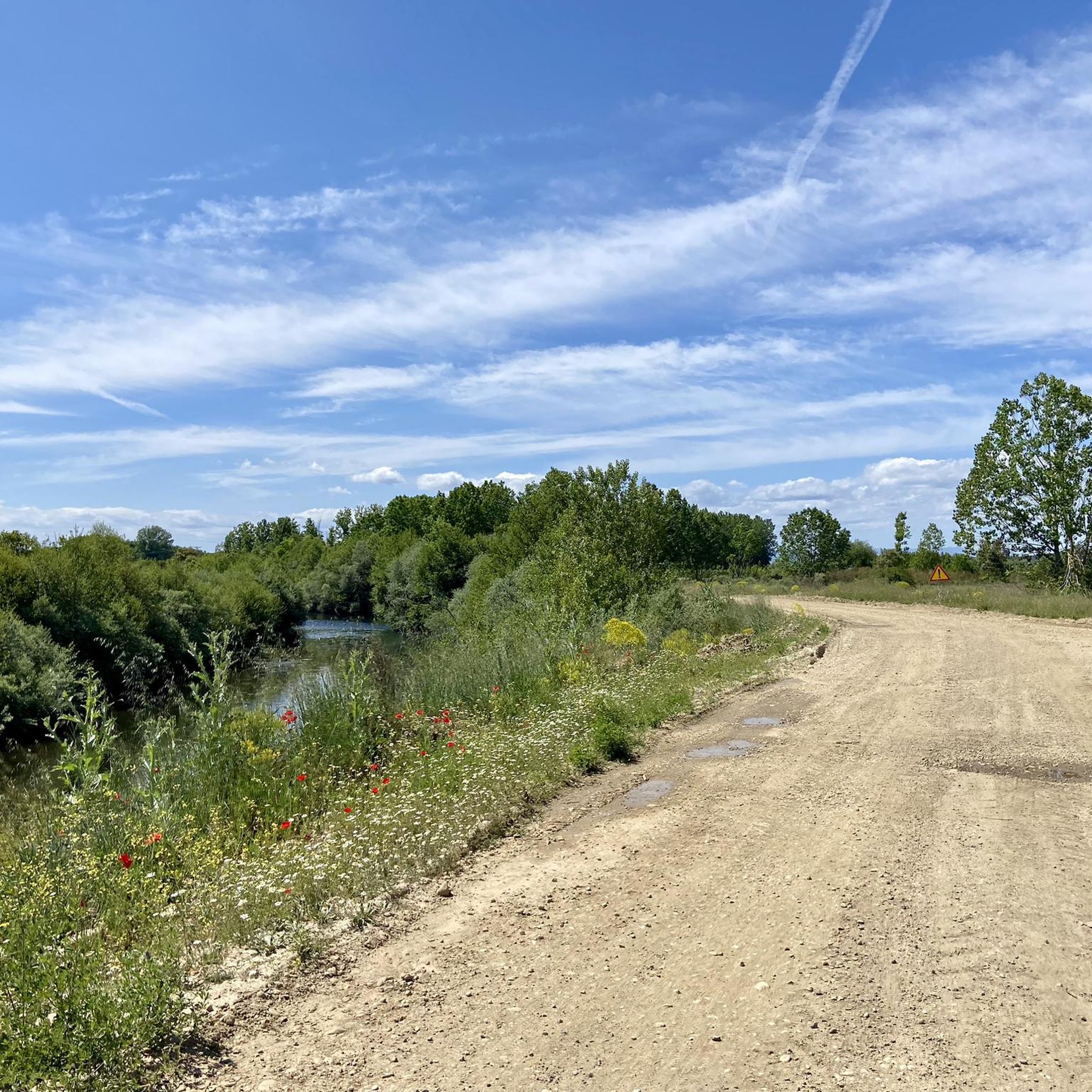
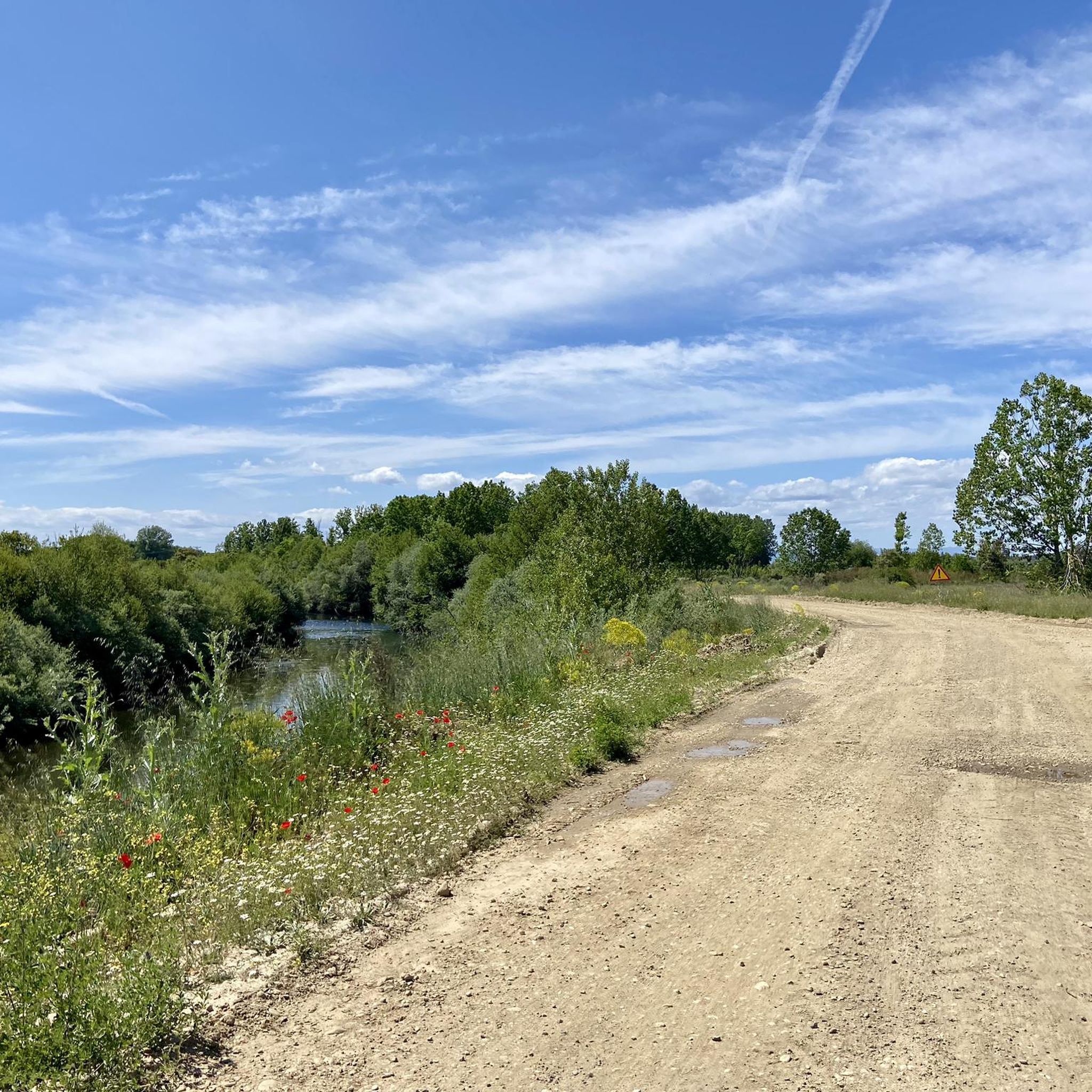
Hiking around Fuente Encalada offers diverse natural landscapes within Spain's Vidriales Valley, situated in the province of Zamora. The region is characterized by the Sierra de Carpurias, a Paleozoic massif reaching altitudes close to 1000 meters, and the meandering Almucera stream. Trails traverse varied vegetation, including pine forests, holm oaks, and ancient cork oaks, alongside lush undergrowth with aromatic plants. The area provides routes through both magnificent mountain scenery and tranquil natural environments.
Best hiking trails around Fuente Encalada
- The…
Last updated: June 28, 2026
Hard hike. Very good fitness required. Easily-accessible paths. Suitable for all skill levels.
8.46km
02:29
230m
230m
Moderate hike. Good fitness required. Mostly accessible paths. Sure-footedness required.

Sign up for free
12.3km
03:14
110m
100m
Moderate hike. Good fitness required. Easily-accessible paths. Suitable for all skill levels.
3.94km
01:01
20m
20m
Easy hike. Great for any fitness level. Easily-accessible paths. Suitable for all skill levels.
15.3km
04:02
130m
130m
Moderate hike. Good fitness required. Easily-accessible paths. Suitable for all skill levels.
Get access to more routes and recommendations from other explorers.
Sign up for free
Already have an account?
Our route recommendations are based on thousands of hikes, rides, and runs completed by other people on komoot.
Start today with a free account
Your next adventure awaits.
Login or Signup


Tips from the Community

Castrocalbón is a place with a rich history and several points of interest that you can visit. Castrocalbón Castle: Although in ruins, it is a fascinating testimony to the medieval architecture and history of the region. San Pedro Church: A church with Romanesque and Gothic elements, which houses interesting altarpieces and sculptures. Hermitage of the Virgin of the Rosary: A place of local devotion, with simple architecture and a peaceful setting.
2
0
Castrocalbón Castle is an ancient fortress located in the town of Castrocalbón, in the province of León. Built in the Middle Ages, the castle has gone through various phases of construction and destruction over the centuries. Today, only a few remains remain, such as a rammed earth wall plastered with mortar and an ashlar arch. In the past, the castle had several archways and walls that have been compared to the Berber kasbahs of the High Atlas.
2
0

On December 20, 1164, the widow of the Noble Vela Gutiérrez, Doña Sancha Ponce, transferred to the Cistercian Order of Santa María de Moreruela all the possessions and belongings of the territory of Nogales in hereditary right so that they could build another monastery that would be called Santa María from Nogales. From this moment and until the monks abandoned the monastery, in the mid-19th century, the Eria Region was governed according to the guidelines of the Order. This settlement established the model of repopulation and new management at all levels; social, cultural, agricultural and economic. At the same time it marked the appearance of the Villa de Nogales, which was initially made up of the servants and servants of the Monks. Without a sumptuous construction, Santa María de Nogales is located according to the criteria of the Cistercian order: a valley of fertile lands, abundance of water, and impressive solitude. For more than seven centuries it stood out for being the cradle of great men, an emporium of letters and science, where royal advisors and professors for the University of Alcalá emerged. Currently, only the ruins and remains of its greatness remain: scattered walls, the belfry of the Church and the main entrance arch with its heraldic shield. However, the surrounding area, fertile orchard, abundant vegetation, fruit trees and the waters of the Eria River, invite you to relax, contemplate and enjoy nature.
1
0

The Castle is from Castrocontrigo, a private property, property of the Neighborhood Council. Nogarejas is the forestry term. By the way, recently rehabilitated.
1
0

One of dozens of prehistoric stone structures found in this area.
2
0
A prehistoric stone circle. The structure was usually built from locally quarried granite or slate. They were used for various ceremonies throughout the seasons.
2
0
Surrounded by fields is a small and charming chapel on the outskirts of the town of Granucillo. You can rest under the shade of the trees during your walk.
1
0
A prehistoric rock formation on the outskirts of the town of Arrabalde in the foothills of the Sierra de las Labradas.
2
0
Frequently Asked Questions
What types of hiking trails can I find around Fuente Encalada?
Fuente Encalada offers a variety of hiking trails, ranging from easy paths to more challenging mountain ascents. You'll find routes through the Sierra de Carpurias with panoramic views, along the meandering Almucera stream in the Vidriales Valley, and through ancient oak and holm oak forests.
Are there any easy hiking routes suitable for beginners or families?
Yes, there are easy options available. For instance, the Castrocalbón Circular Route via the Castle and is an easy 2.4-mile (3.9 km) trail with minimal elevation gain, making it suitable for a relaxed walk. The region generally offers paths for various ability levels.
What are some notable natural features or viewpoints along the trails?
The Sierra de Carpurias, a prominent Paleozoic massif, offers expansive views of the Cantabrian Mountains and Montes de León, especially from Nogarejas from Pinilla de la Valdería — circular by the Castillo de Nogarejas. You can also explore the Cueva del Lobo (Wolf's Cave) and temporary lagoons known as 'Las Pedreras' within this area. The Ruta de los Árboles Milenarios provides impressive panoramic views of the Vidriales Valley.
Are there any circular hiking routes in the area?
Yes, several routes are circular. A popular moderate option is the Arrabalde — circular through the Sierra de las Labradas, which is 5.3 miles (8.5 km) long. Another is the Granucillo — circular by the Roman Military Road, a moderate 9.5-mile (15.3 km) trail.
What historical landmarks or attractions can I see near the hiking trails?
You can discover several historical sites. The Nogales Monastery Ruins Loop trail, for example, passes by the Ruins of the Royal Monastery of Santa María de Nogales. Other nearby attractions include the Eria Bridge in Castrocalbón, the Gothic Arch of the Palace of Castrocalbón, and Granucillo Castle.
What is the best time of year to go hiking around Fuente Encalada?
The region's diverse vegetation, including pine forests, holm oaks, and aromatic plants, makes it enjoyable across multiple seasons. Spring and autumn generally offer pleasant temperatures and vibrant landscapes, while summer can be warm but still suitable for early morning or late afternoon hikes. Winter hiking is possible, but some higher elevation areas might require appropriate gear.
Are the hiking trails around Fuente Encalada dog-friendly?
Many natural trails in the Vidriales Valley and Sierra de Carpurias are suitable for hiking with dogs. However, it's always recommended to keep dogs on a leash, especially in areas with livestock or protected wildlife, and to check local regulations for specific routes or natural parks if applicable.
What kind of terrain and elevation gain can I expect on the trails?
The terrain varies from gentle paths in the Vidriales Valley to more rugged sections in the Sierra de Carpurias. Elevation gains can range from minimal, like the Castrocalbón Circular Route with only 69 ft (21 m) of ascent, to more significant climbs on routes like Nogarejas from Pinilla de la Valdería, which features over 760 ft (232 m) of elevation gain.
Is there public transport available to reach hiking starting points?
While Fuente Encalada is a rural area, public transport options might be limited. It is generally advisable to travel by car to reach various trailheads and explore the region's diverse hiking opportunities, especially for routes starting from nearby localities like Morales del Rey or San Pedro de Ceque.
Where can I find parking for hiking trails in Fuente Encalada?
Parking is typically available in the villages and towns near the trailheads, such as Fuente Encalada itself or other starting points like Pinilla de la Valdería or Arrabalde. Look for designated parking areas or suitable roadside spots, ensuring you do not obstruct local access or private property.
What is the typical duration for hikes in this region?
Hiking durations vary significantly based on the trail's length and difficulty. You can find shorter walks like the Castrocalbón Circular Route, which takes about 1 hour, to longer, more challenging treks such as Nogarejas from Pinilla de la Valdería, which can take over 6 hours to complete.
Are there any less crowded hiking options around Fuente Encalada?
The Fuente Encalada area, nestled in the Vidriales Valley, is known for its tranquil natural environments. While specific crowd levels can vary, many trails, especially those venturing deeper into the Sierra de Carpurias or the Ruta de los Árboles Milenarios, offer a sense of solitude and connection with nature away from bustling tourist spots.
Most popular routes around Fuente Encalada
Most popular attractions around Fuente Encalada

Get inspired with the komoot mobile app


Explore more
Browse the best Hikes in other regions.
