Attractions and Places To See around Junta De Traslaloma - Top 20
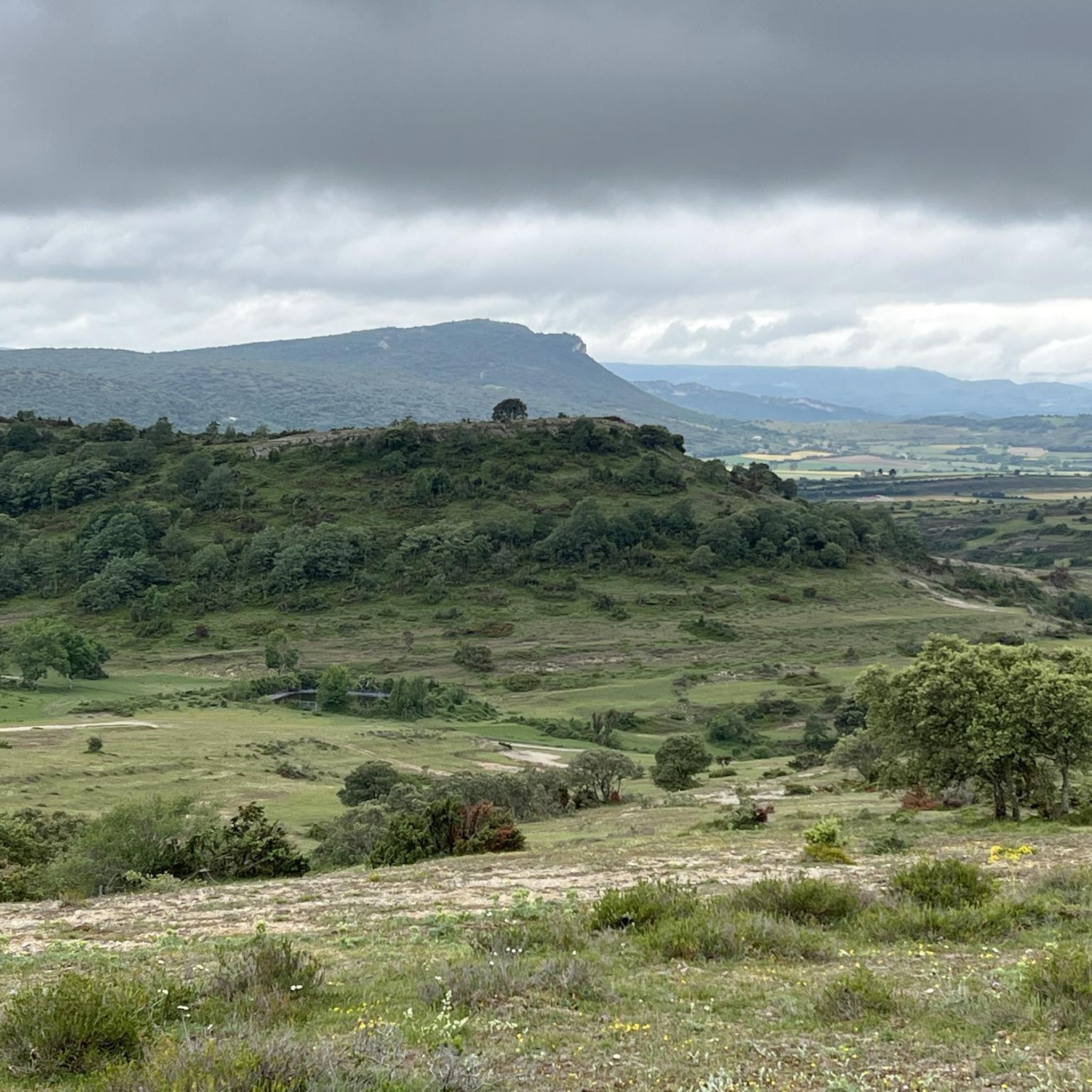
Attractions and places to see around Junta De Traslaloma, a municipality in Burgos, Castile and León, Spain, offer a blend of historical landmarks and natural features. Situated in the Losa Valley, the region is characterized by its distinct geography, including the Montes de la Peña and the Losa Menor depression. Visitors can explore Romanesque churches, historical sites like the Castle of Castrobarto, and traditional cultural elements such as "boleras." The area provides opportunities for outdoor activities amidst its limestone landscapes…
Last updated: July 1, 2026
Alcázar of the Constables
Highlight • Castle
Translated by Google •
Tip by

Los Tornos via La Revilla and Fresnedo
Highlight (Segment) • Mountain Pass
Translated by Google •
Tip by

Sign up now to discover places like this
Get recommendations on the best single tracks, peaks, & plenty of other exciting outdoor places.
Sign up for free
Zalama Summit
Highlight • Summit
Translated by Google •
Tip by

Ascent to Picón Blanco from Espinosa de los Monteros
Highlight (Segment) • Climb
Translated by Google •
Tip by

Santa Clara Convent Museum
Highlight • Historical Site
Translated by Google •
Tip by
Sign up for free to discover even more attractions around Junta De Traslaloma.
Sign up for free
Already have an account?
Start today with a free account
Your next adventure awaits.
Login or Signup

Tips from the Community

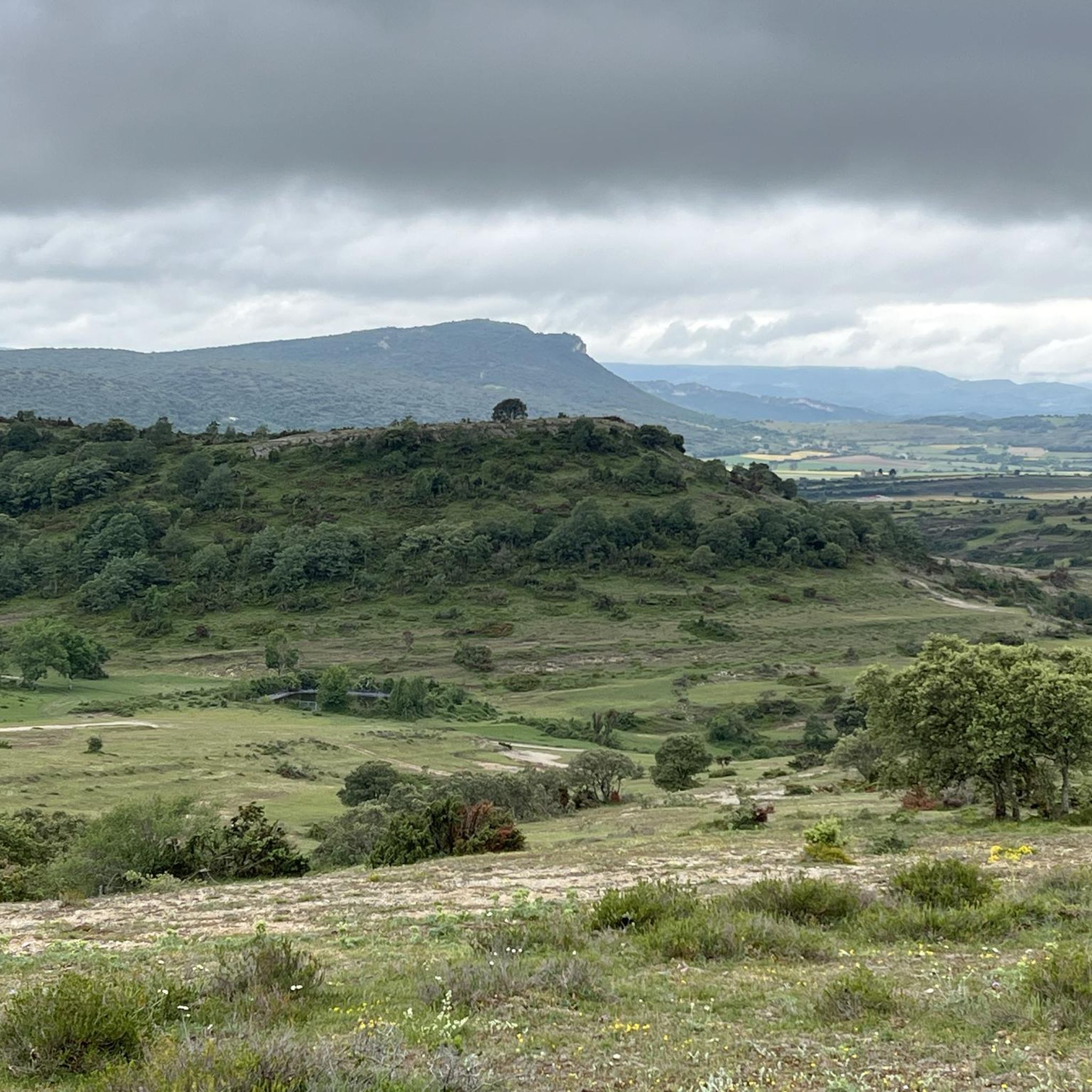
One of the emblematic mountains of the area.
1
0


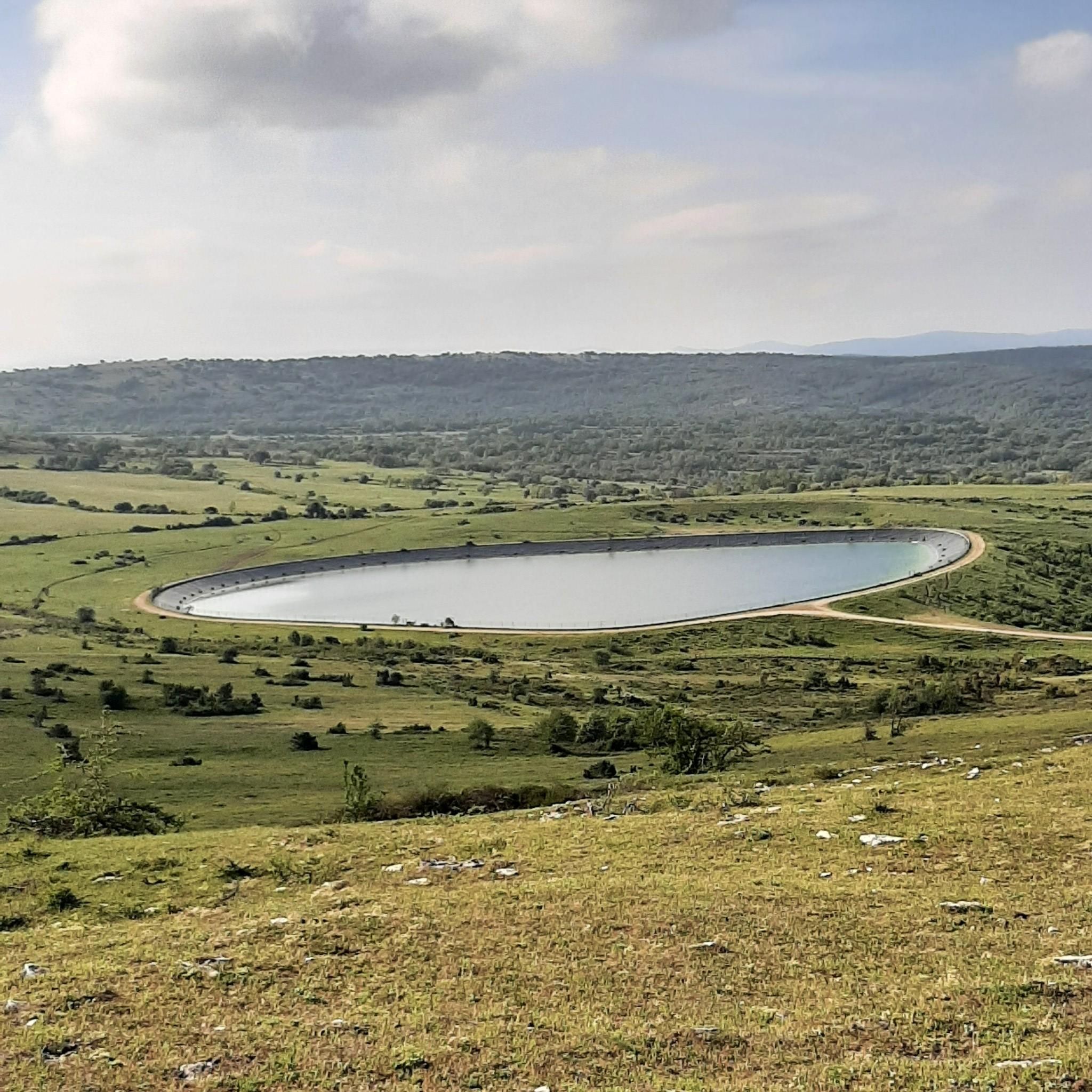
And there is a fountain!!
0
0

Defensive building with two large towers joined by a central body built at the end of the 14th century. It is an important historical and cultural monument, with an impressive keep and a central courtyard. The structure is well preserved and offers a unique view of Spanish medieval architecture.
1
0

This is one of the best-known climbs in the province of Burgos, not only because it's always the star stage of the Vuelta a Burgos but also because it has appeared in key stages of the Vuelta a España, one of the three most important stage races in the world. A brutal eight-and-a-half-kilometer climb at an average gradient of over 9%.
1
0
Zalama is a mountain 1343 meters high. A few meters from the top there is a stone monolith where you can read: "Merindad de Montija, year 1886". At this point the borders of three provinces converge: Vizcaya, Burgos and Cantabria. Also close to the top is a peculiar and very scarce plant community today, the peat bog, a community of mosses and liverworts that takes root on a soil that is almost always flooded.
0
0
Within the Historic Center of Medina is one of the most emblematic and outstanding buildings of the city, the Alcázar de los Velasco or de los Constables, known as "Las Torres".
1
0

The Museum of the Constables of Castilla is located inside the Monastery of Santa Clara de Medina de Pomar. A visit is highly recommended if you want to enjoy great works of Medina heritage, the history of the Constables and learn about the life of the Poor Clares who still live in the monastery. Entrance costs 3.5 euros.
2
0
Frequently Asked Questions
What historical sites can I explore in and around Junta de Traslaloma?
The region is rich in history. You can visit the remains of the 15th-century Castle of Castrobarto, which once controlled the passage between the Losa and Mena valleys. Don't miss the significant Romanesque churches in Colina and Tabliega, known for their intricate ornamentation. Additionally, the nearby Alcázar of the Constables in Medina de Pomar is a fortified palace from the 14th century that houses the Historical Museum of Las Merindades.
Are there any notable natural landmarks or viewpoints in the Junta de Traslaloma area?
Yes, the area offers several natural highlights. The Zalama Summit, standing at 1343 meters, is an emblematic mountain offering scenic views and a unique peat bog plant community near its top. The Montes de la Peña form a natural barrier with limestone escarpments, and the Puerto de la Magdalena, possibly an ancient Roman road, traverses this range. You can also experience panoramic views from Los Tornos via La Revilla and Fresnedo, extending from Picón Blanco to the Sierra del Hornijo.
What kind of outdoor activities can I do in Junta de Traslaloma?
The natural surroundings are ideal for various outdoor activities. You can enjoy hiking, mountain biking, and running. The GR-85 trail passes through the area, ascending the Montes de la Peña via Puerto de la Magdalena. For specific routes, explore options like the 'Nacimiento del Cadagua Trail' for hiking, or 'Alcázar of the Constables – Trespaderne Train Station loop' for gravel biking. Find more routes in our guides for Hiking, Gravel Biking, and Running Trails around Junta de Traslaloma.
Are there family-friendly attractions or activities available?
While specific family-friendly activities are not detailed for every site, historical locations like the Alcázar of the Constables can be engaging for families interested in history and medieval architecture. Exploring the traditional 'boleras' (bowling alleys) found in the villages offers a unique cultural experience that can be enjoyed by all ages. Gentle walks and exploring the natural landscapes also provide family-friendly outdoor options.
What is the best time of year to visit Junta de Traslaloma for outdoor activities?
The region offers beauty year-round. For outdoor activities like hiking and biking, spring and autumn generally provide pleasant temperatures. However, the views from places like Los Tornos via La Revilla and Fresnedo are described as even more spectacular in winter with snowy mountains, making it a unique experience for those prepared for colder conditions.
Can I find any Roman traces or ancient history in the area?
Yes, the area has a history stretching back to Roman times. Findings of necropolises, caves, dolmens, and fragments of 'terra sigillata' (Roman pottery) have been discovered. Remnants of Roman roads, which connected areas like Villasante with Berberana and Hoz de Arreba with Valle de Mena, can still be observed, particularly in Villaventín and Lastras.
What is the cultural significance of the 'boleras' (traditional bowling alleys) in Junta de Traslaloma?
The traditional 'boleras' are a unique and significant cultural aspect of Junta de Traslaloma. Found in its ten villages, this ancestral game is deeply ingrained in the local identity and is considered an important ethnological and cultural manifestation, fostering dexterity, strength, and precision. Efforts are being made to preserve this tradition.
Where can I find impressive views or scenic drives?
For impressive views, head to Zalama Summit, which offers panoramic vistas. The route through Los Tornos via La Revilla and Fresnedo is also highly recommended for its scenic drive, providing wide-ranging views from Picón Blanco to the Sierra del Hornijo, especially stunning when the mountains are snow-covered in winter.
Are there any challenging climbs or routes for experienced cyclists?
Yes, for experienced cyclists, the region offers challenging climbs. The Ascent to Picón Blanco from Espinosa de los Monteros is a well-known and brutal eight-and-a-half-kilometer climb with an average gradient of over 9%, often featured in major cycling races like the Vuelta a España.
What kind of wildlife and vegetation can I expect to see?
The landscape is characterized by limestone rock and agricultural land, with vegetation primarily consisting of oak, holm oak, juniper, and replanted pine. The area is home to a diverse array of wildlife, including various amphibians like the common frog and common toad, and numerous bird species such as the European bee-eater, short-toed eagle, and common buzzard.
What do visitors enjoy most about the attractions around Junta de Traslaloma?
Visitors particularly appreciate the blend of historical and natural beauty. The well-preserved medieval architecture of sites like the Alcázar of the Constables and the stunning panoramic views from mountain passes like Los Tornos are frequently highlighted. The diverse natural landscapes, from the Montes de la Peña to the Zalama Summit, also receive high praise for their scenic beauty and outdoor activity opportunities.
Most popular routes around Junta De Traslaloma
Most popular attractions around Junta De Traslaloma

Get inspired with the komoot mobile app


Explore more
Still not found the Highlight you’re looking for? See guides of the top attractions in other regions:
