Attractions and Places To See around Castejón De Henares - Top 15
Best attractions and places to see around Castejón De Henares include a blend of historical sites and natural landscapes. This small municipality, nestled in a narrow valley in the province of Guadalajara, offers a rich environment for exploration. The area is characterized by hills, abundant springs, and ancient caves, situated between the regions of La Alcarria, La Serranía, and La Campiña. Castejón De Henares also serves as a significant stop on the historic Camino del Cid route.
Best attractions and…
Last updated: May 17, 2026
Mandayona Village
Highlight • Settlement
Translated by Google •
Tip by

Río Dulce Gorge
Highlight (Segment) • Gorge
Translated by Google •
Tip by

Sign up now to discover places like this
Get recommendations on the best single tracks, peaks, & plenty of other exciting outdoor places.
Sign up for free
Jadraque Castle
Highlight • Castle
Translated by Google •
Tip by

💧Water
Highlight • Rest Area
Translated by Google •
Tip by

Church of San Juan Bautista of Jadraque
Highlight • Religious Site
Translated by Google •
Tip by

Sign up for free to discover even more attractions around Castejón De Henares.
Sign up for free
Already have an account?
Start today with a free account
Your next adventure awaits.
Login or Signup

Tips from the Community

At the bar, very nice, they have an affordable daily menu
0
0

Although it is associated with El Cid, it was never related to the mercenary knight, but rather to the first Count of El Cid, Rodrigo Días de Vivar y Mendoza, a noble title granted by the Catholic Monarchs in 1492. This fortress, dating back to the High Middle Ages, watches over the Henares valley at the foot of the Alcarria Mountains. A natural paradise with a variety of altitudes.
0
0

imposing castle, called del Cid, although Rodrigo Díaz never lived there. The current Jadraque castle is almost entirely the work of the last third of the 15th century, that is, from the last group of medieval castle-palaces, already on the verge of disappearance at this time. Its reform in the 15th century was due to the master builder Alberto de Caravajal, helped by stonemasons from Northern Spain. This master builder also directed the renovation of the castle of Puebla de Almenara (Cuenca). It is likely that the outlines of the reform were given by the architect Juan Guas, although his intervention is not documented. The renovation work greatly affected almost everything that had previously existed there, as the natural terrain of the hill was even lowered. Only what was a large pentagonal tower in the bow was used in the construction of the new late medieval castle (probably towards the middle of the 20th century, almost the entire tower was dismantled to serve as a quarry). One of its panels is fallen today and the castle is closed to visitors.
0
0
Although Jadraque is famous for its castle, it does not detract from its monumental centre, which stands out: its 17th century church, which keeps inside the flagellated Christ collecting his tunic, by Zurbarán, and a carving attributed to Pedro de Mena. The Ursuline mansion, which served as a refuge in 1808 for the politician of the Enlightenment, Jovellanos, and for the painter Francisco de Goya. Another mansion, of the opposite sign, is that of the Inquisition, in the Plaza Mayor and with the institution's coat of arms partially destroyed. Together with the church we have a fountain where we can fill the can.
0
0

Beautiful Castle of Muslim origin, later rebuilt by the Mendoza family from Guadalajara.
1
0

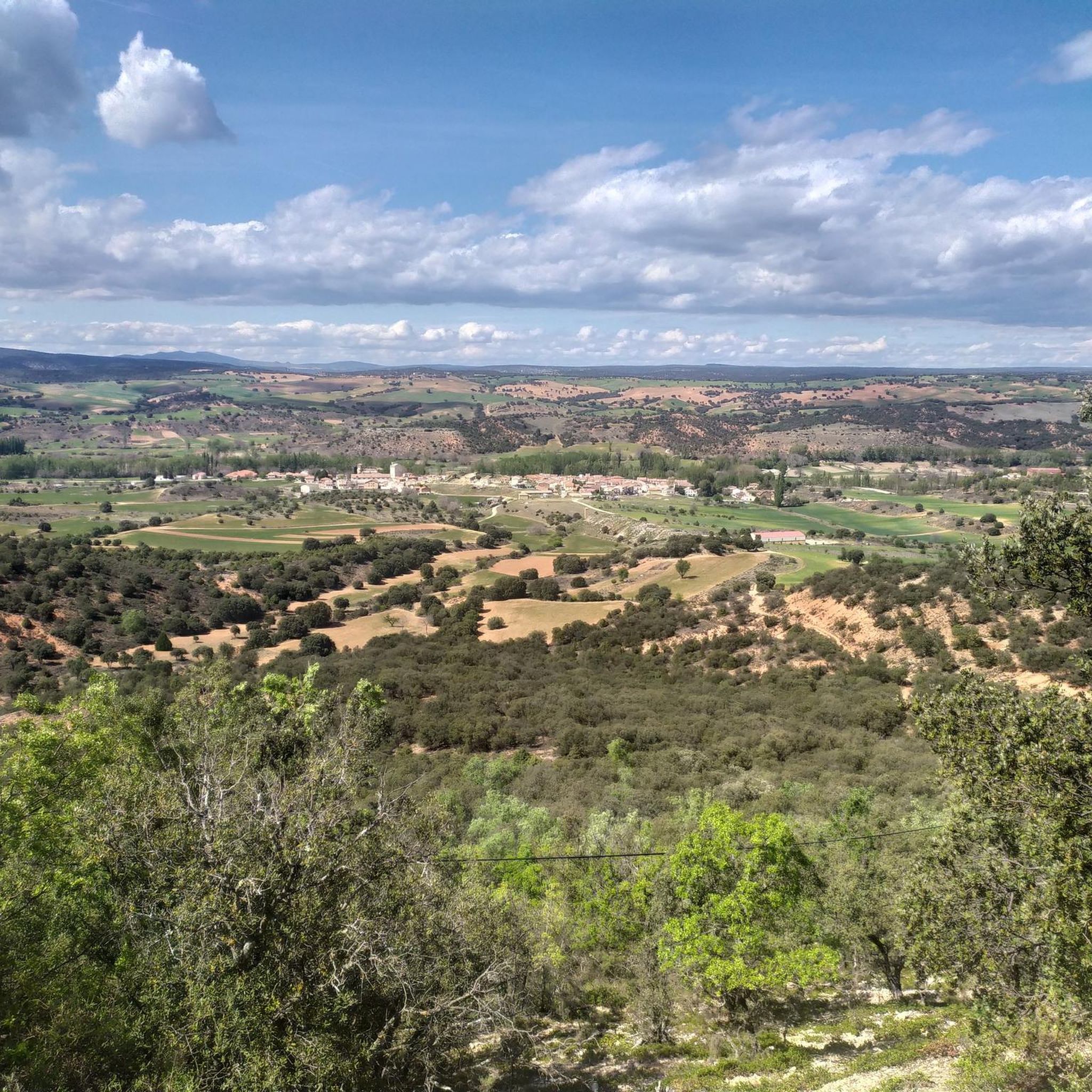
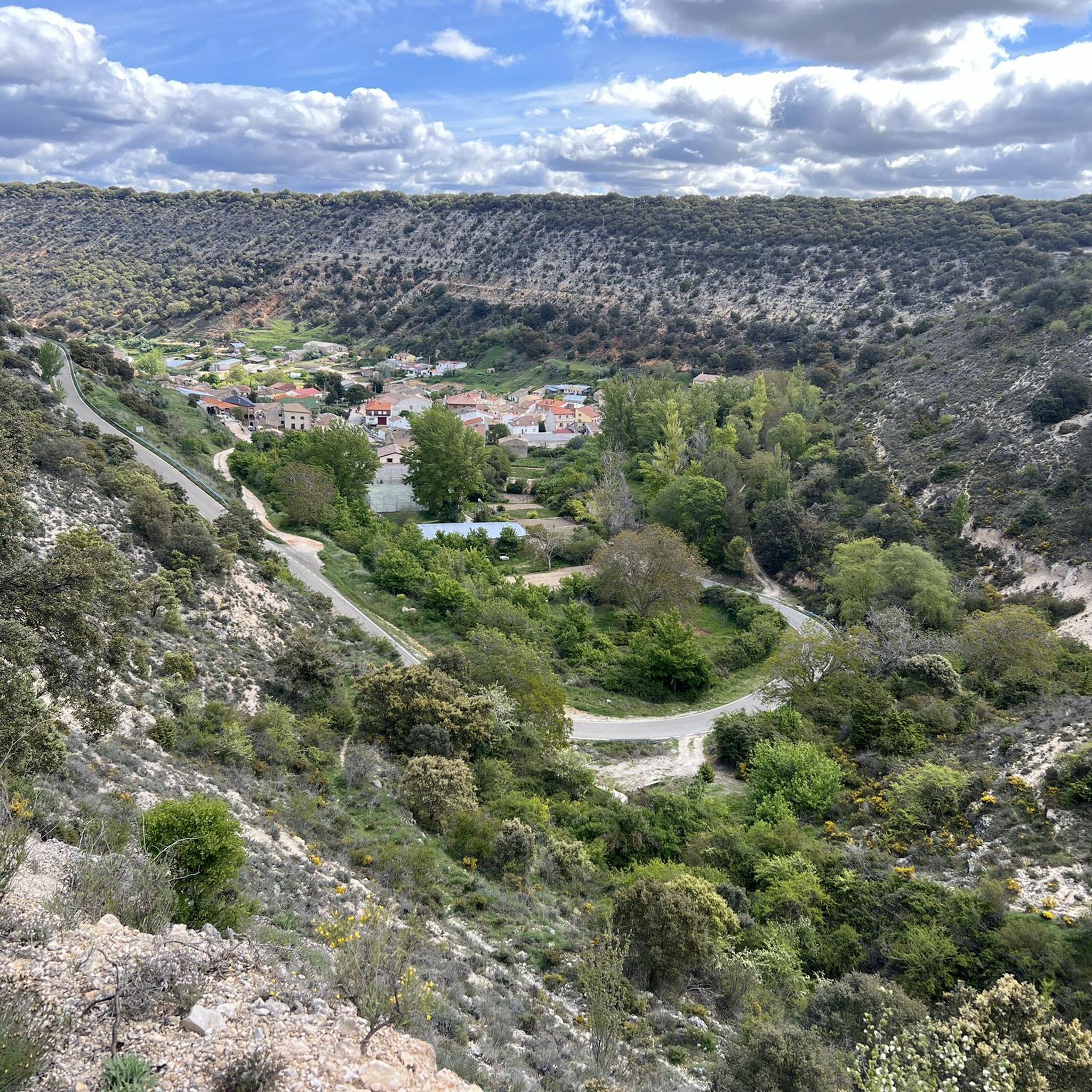
Mandayona sits next to the Camino del Cid. There are ancient caves to visit and the ruins of a historic castle. You can also visit the Barranco Del Rio Dulcen Natural Park Interpretation Center for more information about the area.
1
0
Known as El Cid's castle, this incredible 15th century castle was the last of its kind to be erected in Spain. With majestic towers and a long protective wall, Jadraque Castle is a must-see.
1
0
Frequently Asked Questions
What historical sites can I explore in Castejón De Henares?
Castejón De Henares is rich in history. You can visit the 16th-century Iglesia de San Miguel Arcángel, built on the site of an older castle. The village is also a significant stop on the Camino del Cid, featuring the Casa del Cid, believed to be where El Cid stayed. Don't miss the Rollo Jurisdiccional in the town square, now a public fountain, and the traditional Alcarreño houses throughout the village.
Are there any natural attractions or scenic areas near Castejón De Henares?
Absolutely. The most notable natural feature is the Río Dulce Gorge, an incredible and enchanting environment perfect for mountain biking, where you can observe clear waters and aquatic life. The village is nestled in the Henares Valley, surrounded by hills, abundant springs like Fuente de San José and Fuente Santa, and ancient caves.
What outdoor activities can I do near Castejón De Henares?
The area around Castejón De Henares offers diverse outdoor activities. You can explore hiking trails, such as the moderate "Mandayona and Mirabueno - circular route on the Camino de Santiago de la Lana" or the easy "Castillo de Jadraque — circular from Jadraque." For cycling enthusiasts, there are road cycling routes like the moderate "Castillo de Jadraque y Embalse de Pálmaces" and mountain biking trails, including the challenging "Mandayona - Sigüenza – circular por las hoces del río Dulce hasta cascada Gollorio." You can find more details on these activities in the Hiking around Castejón De Henares, Road Cycling Routes around Castejón De Henares, and MTB Trails around Castejón De Henares guides.
Are there family-friendly attractions around Castejón De Henares?
Yes, several attractions are suitable for families. The Mandayona Village is a great option, offering ancient caves to visit and the Barranco del Río Dulce Natural Park Interpretation Center, which can be educational and engaging for all ages. Exploring the clear waters and gentle paths of the Río Dulce Gorge can also be a pleasant family outing.
What is there to see in the nearby village of Mandayona?
Mandayona Village, situated along the Camino del Cid and the Dulce River, offers ancient caves to explore, ruins of a historic castle, and the Interpretation Center of the Barranco del Río Dulce Natural Park. It's known for its colorful houses and clean river, providing a charming experience.
Where can I find drinking water while exploring the area?
You can find a reliable drinking water supply at 💧Water, which is a convenient spot to replenish your bottles. Locals also frequently visit the Fuente de San José for drinking water.
What is the significance of the Camino del Cid in Castejón De Henares?
Castejón De Henares is a significant stop on the historic Camino del Cid route. The village features the Casa del Cid, an ancient house believed to be where El Cid stayed and ambushed the town, as recounted in the "Cantar de Mío Cid." It serves as a starting point for one of the four routes of the Camino del Cid that pass through the province of Guadalajara.
What kind of architecture can I expect to see in Castejón De Henares?
The village is characterized by traditional Alcarreño houses. Some notable examples include a three-story house made entirely of ashlar stone with a chapel, and the former town hall, which also served as a secretariat and court. These structures reflect the historical building styles of the region.
Are there any religious buildings of interest in the vicinity?
Yes, the 16th-century Iglesia de San Miguel Arcángel in Castejón de Henares is a key historical religious site. Additionally, the Church of San Juan Bautista of Jadraque, a 17th-century religious building, houses significant art, including a Christ by Zurbarán and a carving attributed to Pedro de Mena.
What do visitors enjoy most about the Río Dulce Gorge?
Visitors are particularly captivated by the Río Dulce Gorge's amazing and charming setting. Many highlight the clarity of the river waters and the visible aquatic life, making it a spectacular place for a stroll or mountain bike ride. The scenery, both inside and outside the canyon, is consistently praised.
Can I find information about the natural park nearby?
Yes, the village of Mandayona, located near Castejón de Henares, hosts the Interpretation Center of the Barranco del Río Dulce Natural Park. This center provides valuable information about the park's diverse flora and fauna, including various mammals, fish, reptiles, and vegetation like holm oaks and mixed deciduous forests.

Get inspired with the komoot mobile app


Explore more
Still not found the Highlight you’re looking for? See guides of the top attractions in other regions:
