The best road cycling routes around San Cristóbal De La Polantera
5.0
(7)
642
riders
35
rides
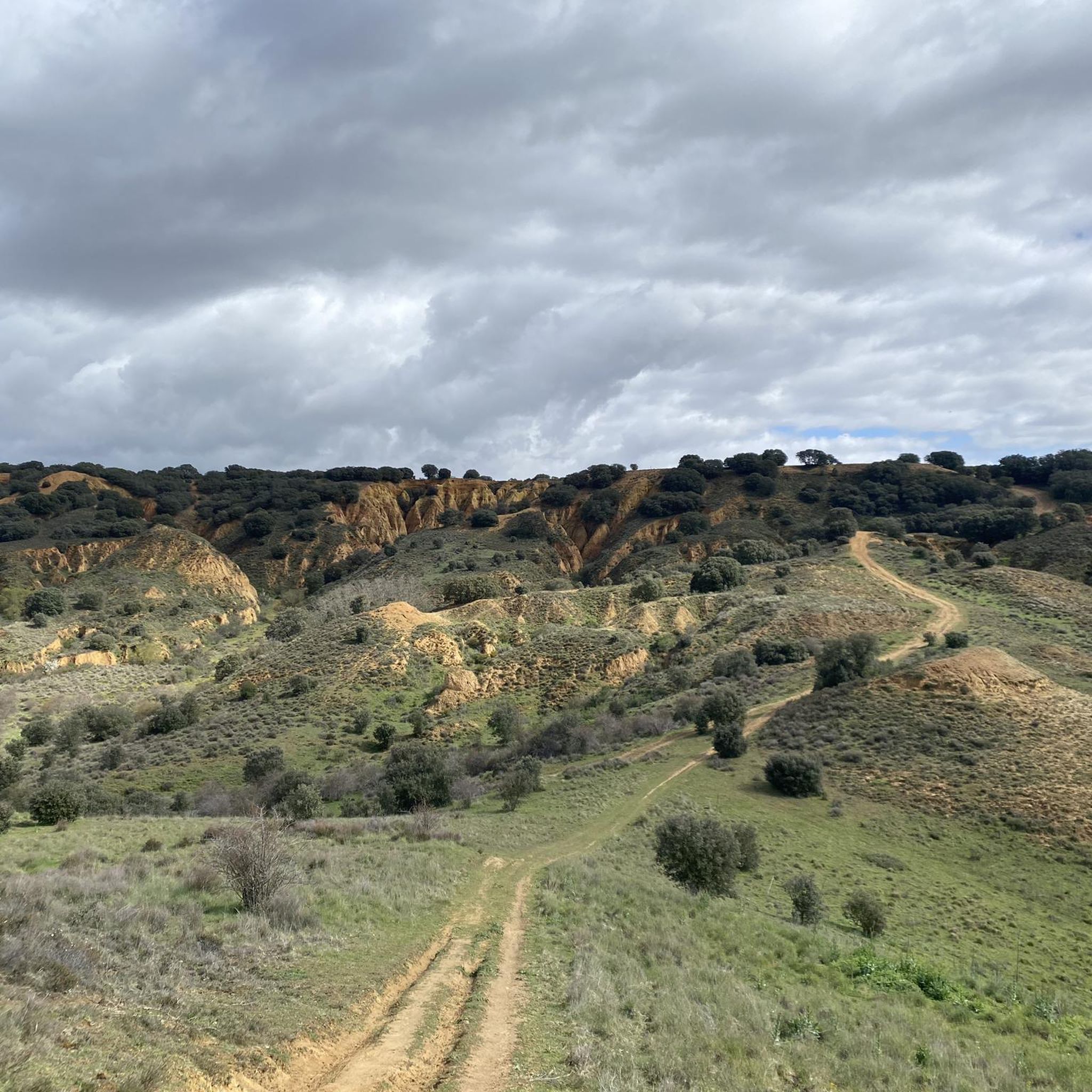
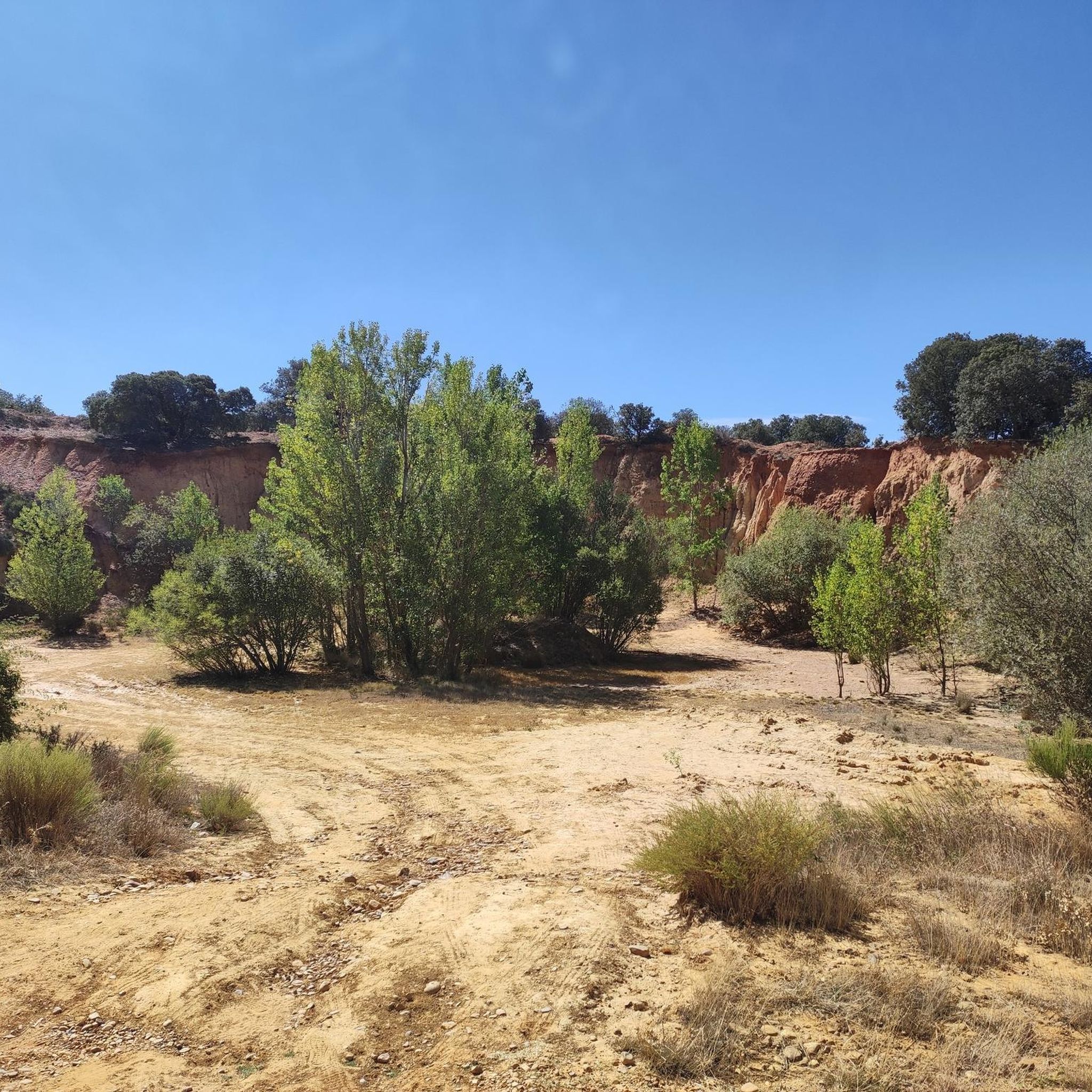
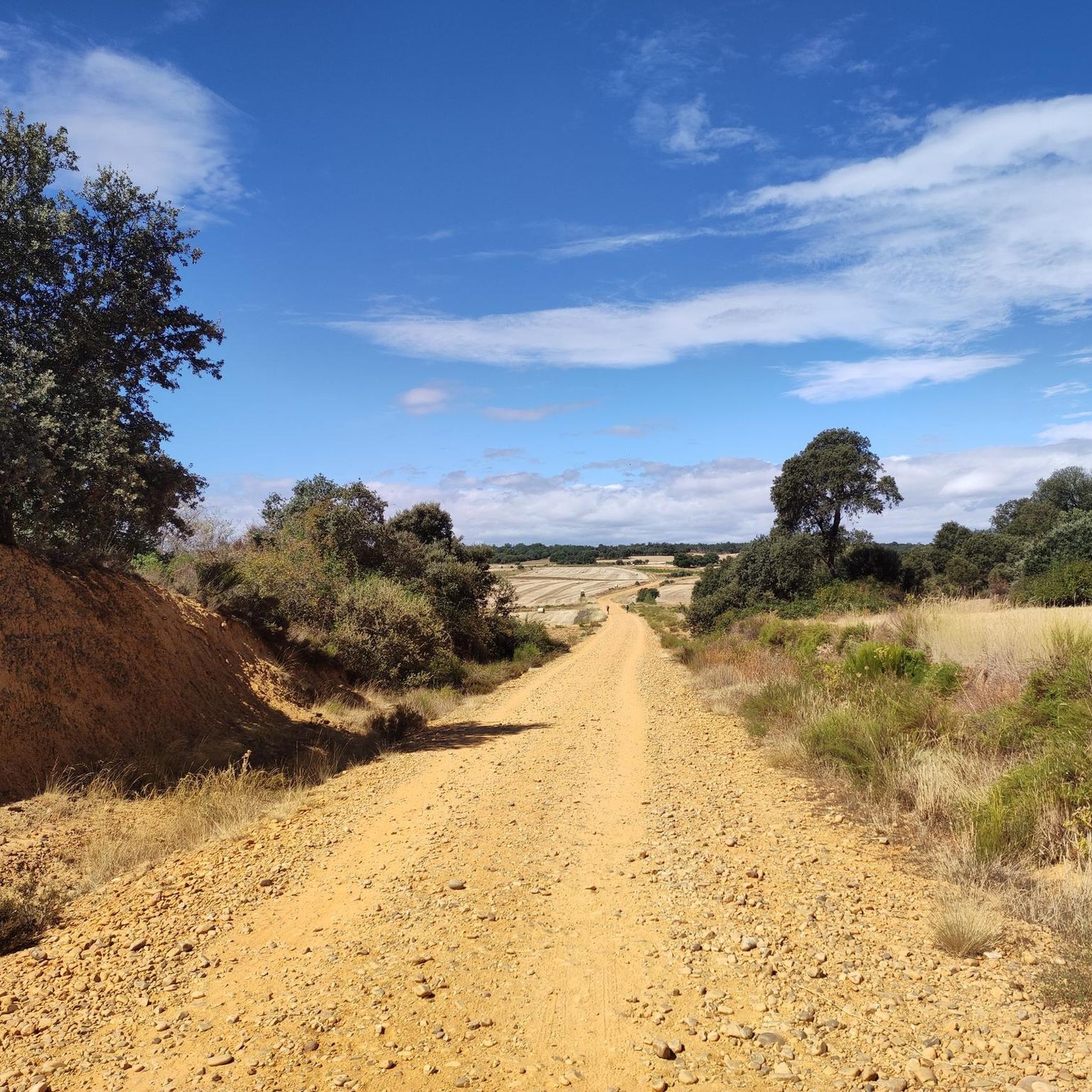
Road cycling routes around San Cristóbal De La Polantera traverse agricultural plains and river valleys, characterized by the presence of the Tuerto and Órbigo rivers. The region's average altitude is around 796-799 meters above sea level, contributing to a generally flat terrain ideal for road cycling. Significant waterways and dams like Canal Alto de Villares, El Moro, and La Huerga Torina are notable features of the local environment. This area offers a tranquil setting for outdoor activities, with minimal elevation…
Last updated: June 28, 2026
5.0
(1)
21
riders
83.2km
03:25
510m
510m
Moderate road ride. Good fitness required. Mostly well-paved surfaces and easy to ride.
18
riders
60.7km
02:36
330m
330m
Moderate road ride. Good fitness required. Mostly well-paved surfaces and easy to ride.

Sign up for free
5.0
(1)
13
riders
30.0km
01:15
100m
100m
Moderate road ride. Great for any fitness level. Some segments of this route may be unpaved and difficult to ride.
10
riders
123km
05:30
1,130m
1,130m
Hard road ride. Very good fitness required. Some segments of this route may be unpaved and difficult to ride.
9
riders
Moderate road ride. Good fitness required. Some segments of this route may be unpaved and difficult to ride.
Get access to more routes and recommendations from other explorers.
Sign up for free
Already have an account?
Our route recommendations are based on thousands of hikes, rides, and runs completed by other people on komoot.
Start today with a free account
Your next adventure awaits.
Login or Signup
Tips from the Community

A great place for a break. You take what you need. You give what you feel is right.
0
0

In the heart of Astorga, right next to the cathedral, lies one of the most unusual bishop's residences on the Iberian Peninsula: the Palacio Gaudi. It was designed and built by the famous Spanish architect of the same name (Antonio Gaudi, 1852-1926). A visit to the museum housed here is worthwhile both for the exhibits presented to visitors and, of course, for the imaginative architecture of the building.
0
0

The Bishop's Palace of Astorga is one of only three buildings that Antoni Gaudí built outside Catalonia.
3
0

Always beautiful to look at. Here they tell the story of the people who lived here.
2
0
In the heart of Astorga, right next to the cathedral, lies one of the most unusual bishop's residences on the Iberian Peninsula: the Palacio Gaudi. It was designed and built by the famous Spanish architect of the same name (Antonio Gaudi, 1852-1926). A visit to the museum housed here is worthwhile both for the exhibits on display and, of course, for the imaginative architecture of the building.
2
0

The Historic Center of Astorga is a beautiful piece of history and architecture. This area is known for its rich Roman and medieval heritage, as well as its baroque and modern buildings. The Plaza Mayor, Palacio Episcopal de Gaudí, Catedral de Astorga, Museo Romano, and the Murallas Medievales are the main monuments.
2
0
The Plaza de España in Astorga is a straight, porticoed square in a Baroque style and offers an atmospheric meeting place for residents and tourists. On the Plaza de España you will also find the Ayuntamiento (town hall), an impressive building with an elegant Baroque facade and towers.
1
0

On June 24, 1889, the prelate's name day, the first stone was laid. They had planned to complete the work on the palace in June 1894, but the bishop died in 1893, and this event radically changed the course of the work, paralyzed by the hostility between Gaudí and the Diocesan Council. Finally, Antonio Gaudí resigned from his post as chief architect, very upset by the treatment he received. In 1905, D. Julián de Diego y Alcolea ruled the diocese of Astorga and tried to convince Gaudí to return to the works of the palace, but he did not succeed. Ricardo García-Guereta, diocesan of León, was appointed architect and completed the work on October 12, 1913, as bishop D. Julián de Diego y Alcolea
4
0
Frequently Asked Questions
What is the general terrain like for road cycling around San Cristóbal de la Polantera?
The region around San Cristóbal de la Polantera is characterized by agricultural plains and river valleys, making it generally flat. You can expect minimal elevation changes on many routes, with an average altitude around 796-799 meters above sea level, ideal for road cycling.
How many road cycling routes are available in the San Cristóbal de la Polantera area?
There are over 30 road cycling routes documented around San Cristóbal de la Polantera. These routes cater to various skill levels, from easy to difficult.
Are there road cycling routes suitable for beginners or those looking for an easy ride?
Yes, the area offers several easy road cycling routes. For instance, the region's generally flat terrain, supported by the Tuerto and Órbigo rivers, provides gentle rides through agricultural landscapes. You can find routes with minimal elevation changes, perfect for beginners.
What kind of landmarks or natural features can I expect to see on a road cycling tour?
Road cycling routes often pass through agricultural landscapes and along the Tuerto and Órbigo rivers. You might also encounter significant waterways and dams like Canal Alto de Villares, El Moro, and La Huerga Torina. Notable landmarks include the historic Passo Honroso Bridge and the impressive Episcopal Palace of Astorga (Gaudí Palace).
Are there any challenging road cycling routes for experienced cyclists?
Yes, for those seeking a challenge, routes like the Gaudí Palace – Villameca Reservoir loop from Veguellina offer a more demanding experience. This route covers over 120 kilometers with significant elevation gain, providing a difficult yet rewarding ride.
What do other cyclists say about road cycling in San Cristóbal de la Polantera?
The road cycling routes in San Cristóbal de la Polantera are highly rated by the komoot community, with an average score of 5.0 stars from over 8 reviews. Cyclists often praise the tranquil environment, the scenic agricultural plains, and the quiet rural roads.
Are there circular road cycling routes available?
Many of the road cycling routes around San Cristóbal de la Polantera are designed as loops, allowing you to start and finish at the same point. Examples include the popular Passo Honroso Bridge – Albergue San Miguel Art Hostel loop from Veguellina and the Duerna River – Bazán Castle loop from La Bañeza.
What is the best time of year for road cycling in this region?
While specific seasonal recommendations depend on personal preference, the generally tranquil environment and mild climate of Castile and León make spring and autumn particularly pleasant for road cycling. Summers can be warm, and winters are typically cooler.
Are there any family-friendly road cycling options?
The flat terrain and minimal elevation changes found on many routes make the area suitable for family-friendly road cycling. Look for shorter, less trafficked routes that pass through the peaceful agricultural landscapes for an enjoyable family outing.
Can I find places to eat or stay that are cyclist-friendly in San Cristóbal de la Polantera?
San Cristóbal de la Polantera is a small municipality, suggesting a tranquil environment. While specific cyclist-friendly amenities like cafes or accommodation are not detailed, the broader region of Castile and León is increasingly promoting cycling tourism, so local establishments may offer services. It's advisable to check local listings for cafes, pubs, and accommodation in advance.
What are some of the longer road cycling routes in the area?
For longer rides, you can explore routes such as the Passo Honroso Bridge – Albergue San Miguel Art Hostel loop from Veguellina, which is approximately 83.5 kilometers. Another option is the Gaudí Palace – Villameca Reservoir loop from Veguellina, extending over 120 kilometers.
Are there any specific historical sites I can visit while road cycling?
Yes, several routes incorporate historical sites. For example, the Gaudí Palace – Astorga loop from La Bañeza takes you near the Episcopal Palace of Astorga (Gaudí Palace) and the Cathedral of Saint Mary of Astorga. The Duerna River – Bazán Castle loop from La Bañeza also leads past historical sites.
Most popular routes around San Cristóbal De La Polantera
Most popular attractions around San Cristóbal De La Polantera

Get inspired with the komoot mobile app


Explore more
Browse the best Road cycling routes in other regions.
