The best cycling routes around Pozo De Almoguera
5.0
(1)
12
riders
5
rides
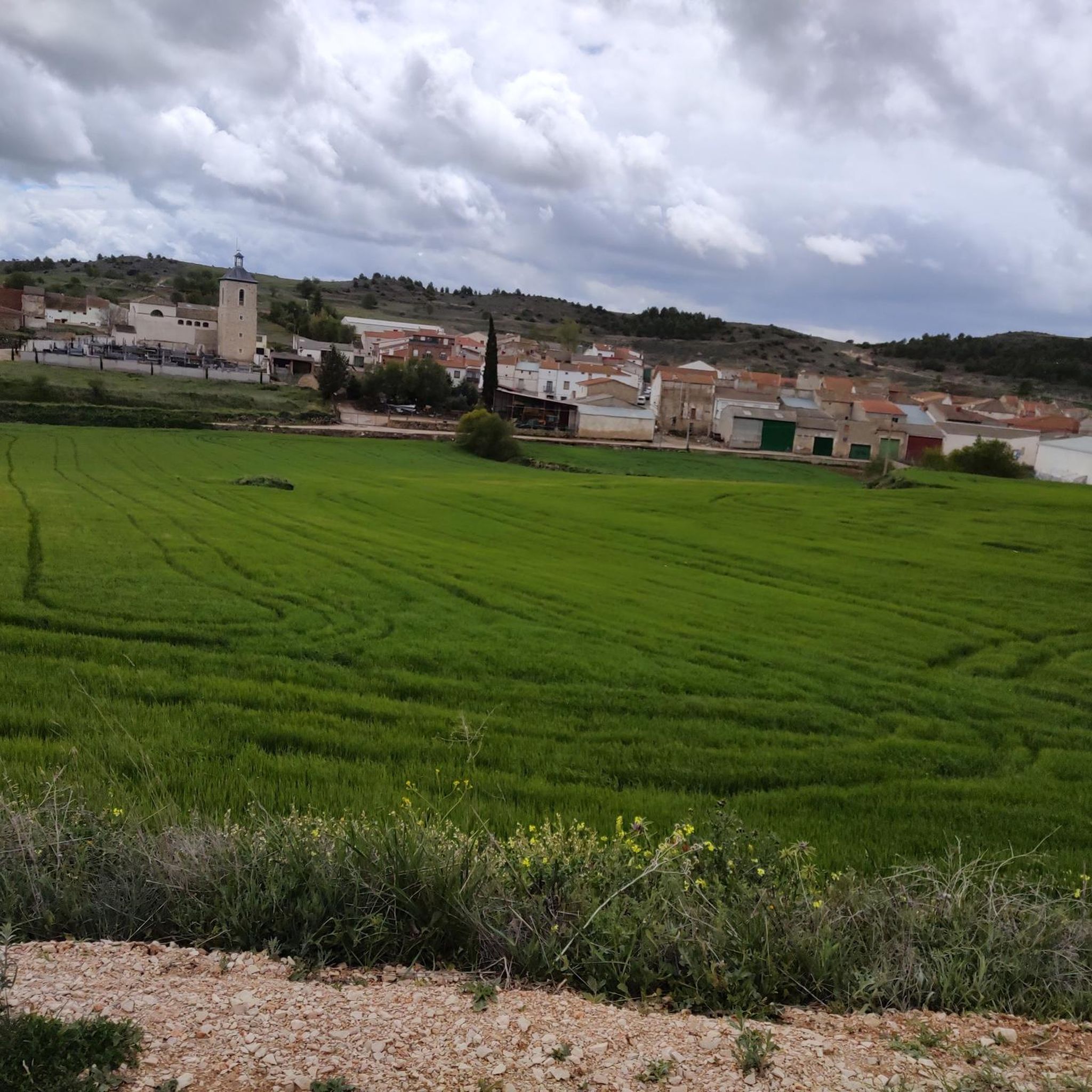
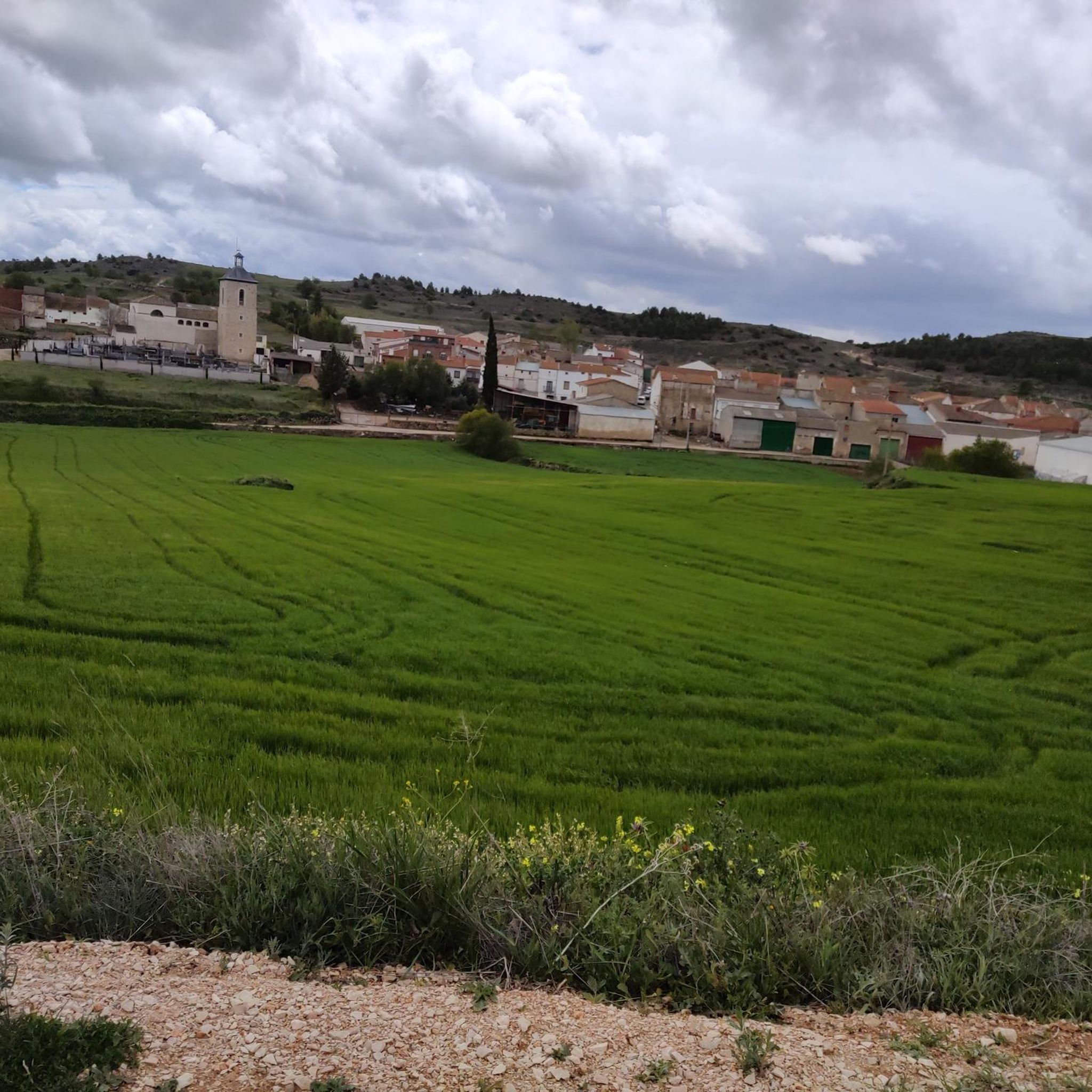
Touring cycling around Pozo De Almoguera features a distinctive plateau landscape in the Baja Alcarria region of Guadalajara, Spain. The terrain includes gentle slopes, agricultural fields, and Mediterranean forests, making it suitable for various cycling preferences. River valleys, such as the Tajuña River, offer lush riparian scenery that contrasts with the open cultivated areas. The geology of limestones and gypsum contributes to broad valleys and varied routes.
Best touring cycling routes around Pozo De Almoguera
- The most popular touring cycling…
Last updated: June 27, 2026
5.0
(1)
4
riders
46.7km
04:13
520m
510m
Hard bike ride. Very good fitness required. Mostly paved surfaces. Suitable for all skill levels.
2
riders
30.3km
01:51
300m
300m
Moderate bike ride. Good fitness required. Mostly paved surfaces. Suitable for all skill levels.

Sign up for free
2
riders
31.5km
01:59
370m
370m
Moderate bike ride. Good fitness required. Mostly paved surfaces. Suitable for all skill levels.
2
riders
27.2km
02:30
430m
420m
Moderate bike ride. Good fitness required. Mostly paved surfaces. Suitable for all skill levels.
2
riders
64.3km
04:03
710m
710m
Hard bike ride. Very good fitness required. Mostly paved surfaces. Suitable for all skill levels.
Our route recommendations are based on thousands of hikes, rides, and runs completed by other people on komoot.
Start today with a free account
Your next adventure awaits.
Login or Signup
Popular around Pozo De Almoguera
Tips from the Community

I saw that there is a recreational and bathing area on the river that could be interesting on hot days. From what I saw, access is subject to a fee.
0
0

Great rural accommodation to spend the night
0
0
Great bar next to the church, to eat or snack and accompany it with Mondejar wine
0
0

Yebra is a small town of only about 500 inhabitants. In the center of town there is a nice fountain and a bar to eat something when you go mountain biking.
0
0

The castle of Zorita de los Canes stands on a hill on one of the banks of the Tagus River. It is a fortification of Arab origin built in the 9th century.
4
1
The castle of Vállaga, today in ruins, is a fortification of Arab origin built in the 12th century that was later used as a wine cellar and known as the Cuevas del Marqués.
1
0
The castle of Almoguera dates from the 15th century, although it was built on the ruins of an old Arab fortification. Little remains of this medieval construction, as the current castle is a reconstruction from the end of the 20th century.
1
0

The church dedicated to San Pedro is from the 13th century but important reforms were carried out in it during the 15th century, the main nave was redone and two other lateral ones were added, for example. It preserves its original Romanesque head, the belfry and the presbytery. Inside, don't miss the Gothic ornaments, the Mudejar pair and knuckle armor; and the small ivory carving of the Virgen de los Llanos. It was declared B.I.C with the category of Monument in 1990.
3
0
Frequently Asked Questions
What kind of landscapes will I encounter while touring cycling around Pozo De Almoguera?
The region features a distinctive plateau landscape with gentle slopes, agricultural fields, and Mediterranean forests. You'll also find lush riparian scenery along river valleys like the Tajuña River, which contrasts beautifully with the more open cultivated areas. The geology, formed from ancient sea beds, includes limestones and gypsum, creating broad valleys and varied terrain.
How many touring cycling routes are available in the Pozo De Almoguera area?
There are 5 touring cycling routes detailed in this guide, offering a range of experiences across the region's diverse landscapes. These include both moderate and difficult options.
Are there any easy touring cycling routes suitable for beginners or those looking for a relaxed ride?
While the routes listed in this guide are categorized as moderate to difficult, the broader area, particularly the Tajuña Greenway, is known for its relatively flat and traffic-free paths, which are ideal for leisurely touring. For a moderate option, consider the Mondéjar loop from Mondéjar, which leads through agricultural land and gentle hills.
Are there any circular touring cycling routes around Pozo De Almoguera?
Yes, several routes are designed as loops. For example, the Almoguera Castle – Ruins of the Vállaga Castle loop from Albares is a challenging 64.3 km circular route offering views of historical landmarks. Another option is the Mondéjar loop from Mondéjar, a moderate 30.4 km ride through agricultural land.
What are some interesting places to see or landmarks along the touring cycling routes?
You can explore various points of interest. The Almoguera Castle – Ruins of the Vállaga Castle loop from Albares offers historical views. The region also features the Road Along the Tajuña River, the Vega del Tajuña Nature Center, and the Old Ambite Station. Further afield, you might visit the Recópolis Archaeological Site or the Zorita de los Canes Castle.
Is Pozo De Almoguera a good destination for family touring cycling?
The region's generally gentle slopes and low-traffic roads make it appealing for families. The Tajuña Greenway, in particular, offers flat, traffic-free paths that are excellent for family rides. While specific family-friendly routes aren't highlighted in this guide, the overall environment is conducive to enjoyable cycling with children.
Can I bring my dog on the touring cycling routes?
Many outdoor areas in Spain are dog-friendly, especially on trails and rural roads. However, it's always advisable to keep your dog on a leash, especially near agricultural areas or wildlife, and to check local regulations for specific routes or protected areas. Ensure your dog is fit enough for the chosen distance and difficulty.
Where can I find parking when accessing the touring cycling routes?
Given the rural nature of the area, parking is generally available in or near the villages that serve as starting points for routes. For example, routes like the Almoguera Castle – Plaza de Yebra Fountain loop from Albares often start from towns like Albares, where you can typically find street parking. The Vega del Tajuña Nature Center, housed in an old train station, also serves as a hub and may offer parking facilities.
What is the best time of year to go touring cycling in Pozo De Almoguera?
The spring and autumn months are generally ideal for touring cycling in this region. The weather is milder, and the landscapes are vibrant. Summers can be hot, especially in July and August, while winters are cooler but often still suitable for cycling on sunny days. Always check the local forecast before heading out.
Are there places to rent bicycles in Pozo De Almoguera?
Yes, the Vega del Tajuña Nature Center, located in an old train station, serves as a convenient hub for cyclists and provides bicycle rentals. This is a great option if you don't bring your own bike or need equipment.
What do other touring cyclists enjoy most about cycling in Pozo De Almoguera?
The area is highly rated by the komoot community, with an average score of 5.0 stars. Reviewers often praise the tranquil, low-traffic roads, the diverse landscapes ranging from agricultural fields to Mediterranean forests, and the scenic river valleys. The opportunity to combine natural exploration with visits to charming traditional villages is also a highlight.
Are there any routes that follow old railway lines or greenways?
Yes, a significant feature for touring cyclists in the area is the Tajuña Greenway (Vía Verde del Tajuña). These routes, often converted from old railway lines, typically offer relatively flat and traffic-free paths, providing a unique way to experience the landscape without vehicular traffic. The Old Ambite Station is a highlight along such a route.
What is the most challenging touring cycling route in this guide?
The most challenging routes in this guide are categorized as 'difficult'. Both the Almoguera Castle – Plaza de Yebra Fountain loop from Albares (46.7 km) and the Almoguera Castle – Ruins of the Vállaga Castle loop from Albares (64.3 km) offer significant elevation gains and longer distances, traversing the plateau and combining open fields with sections near traditional villages.
Most popular routes around Pozo De Almoguera
Most popular attractions around Pozo De Almoguera

Get inspired with the komoot mobile app


Explore more
Browse the best Cycling routes in other regions.
