The best walks and hikes around Huélaga
4.4
(6)
58
hikers
11
hikes
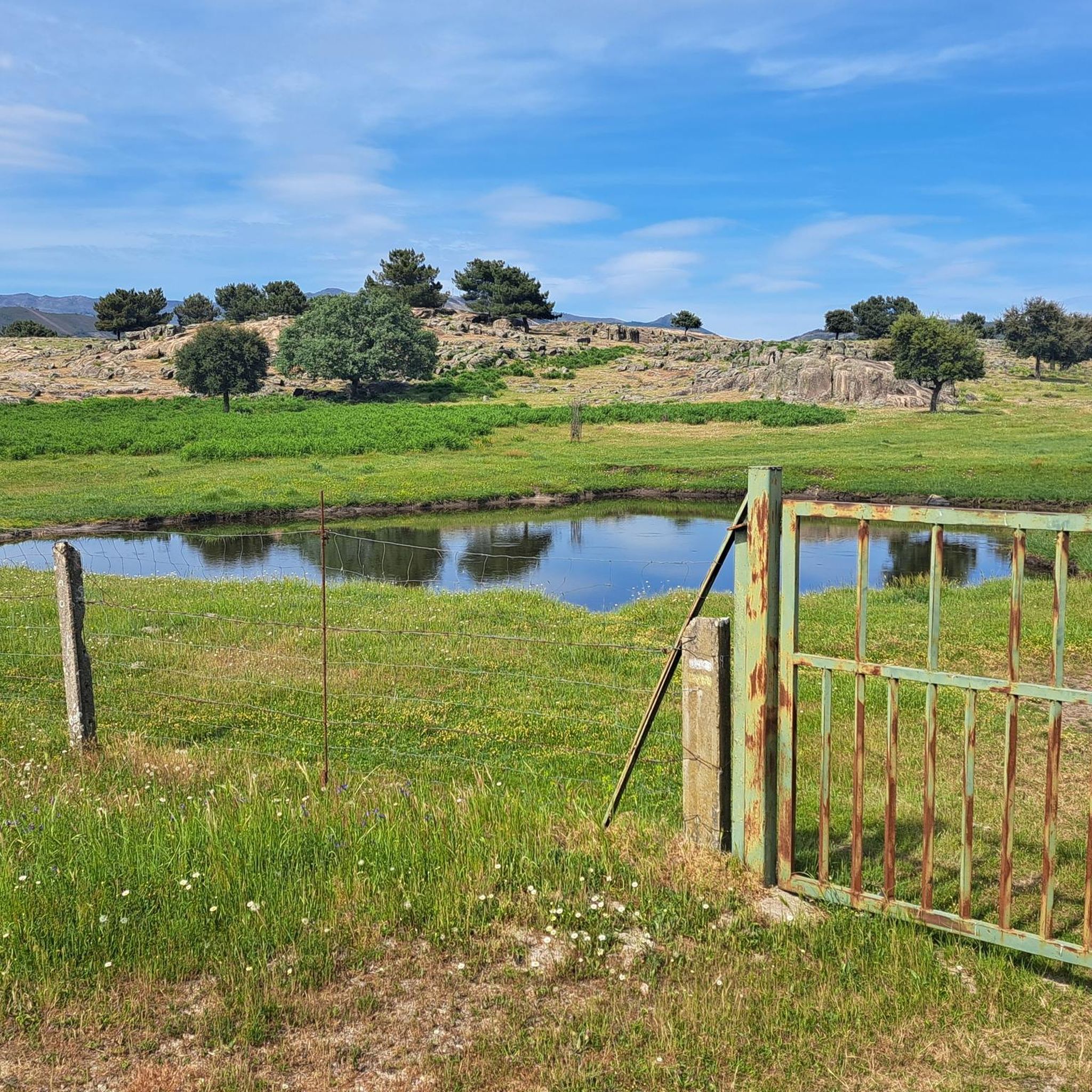
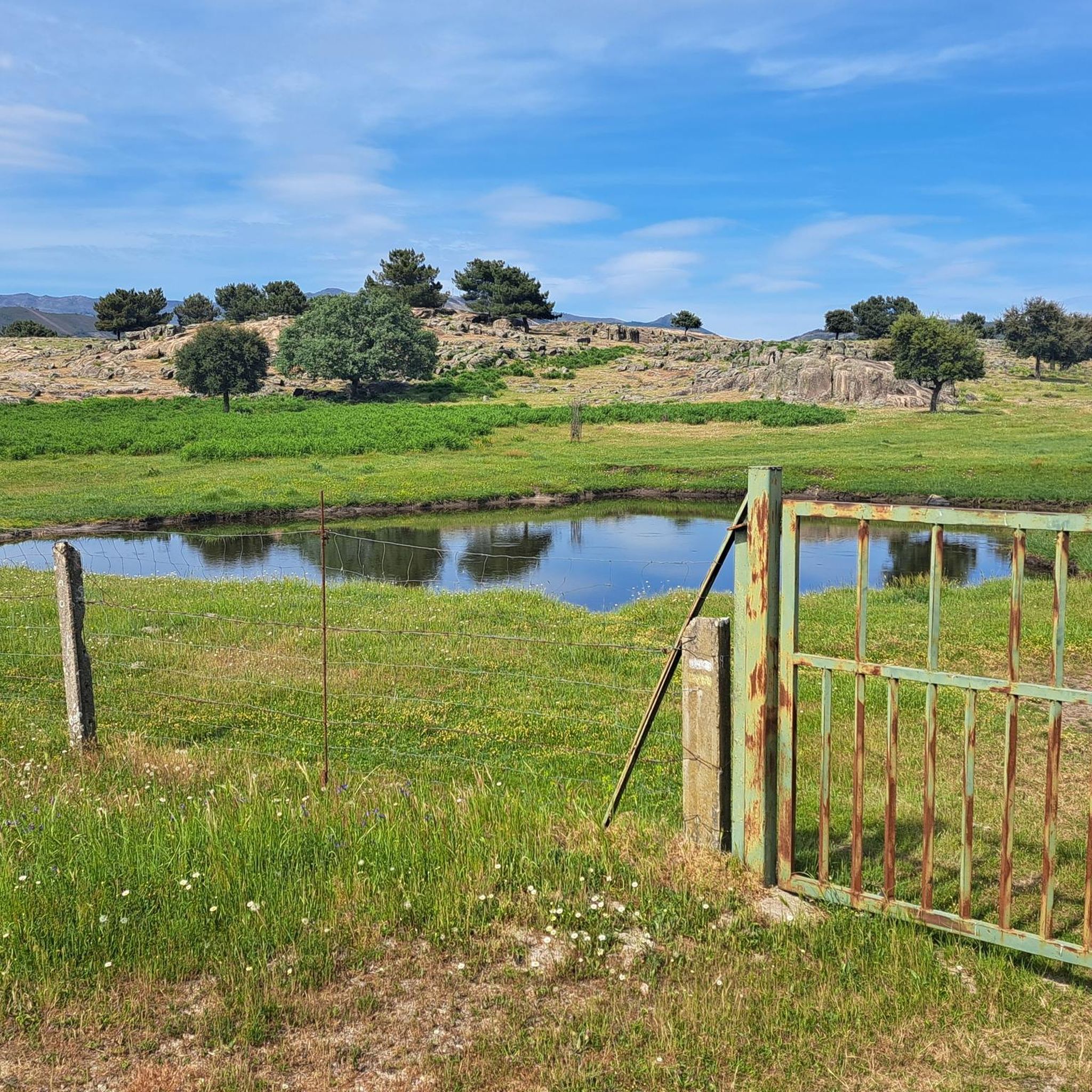
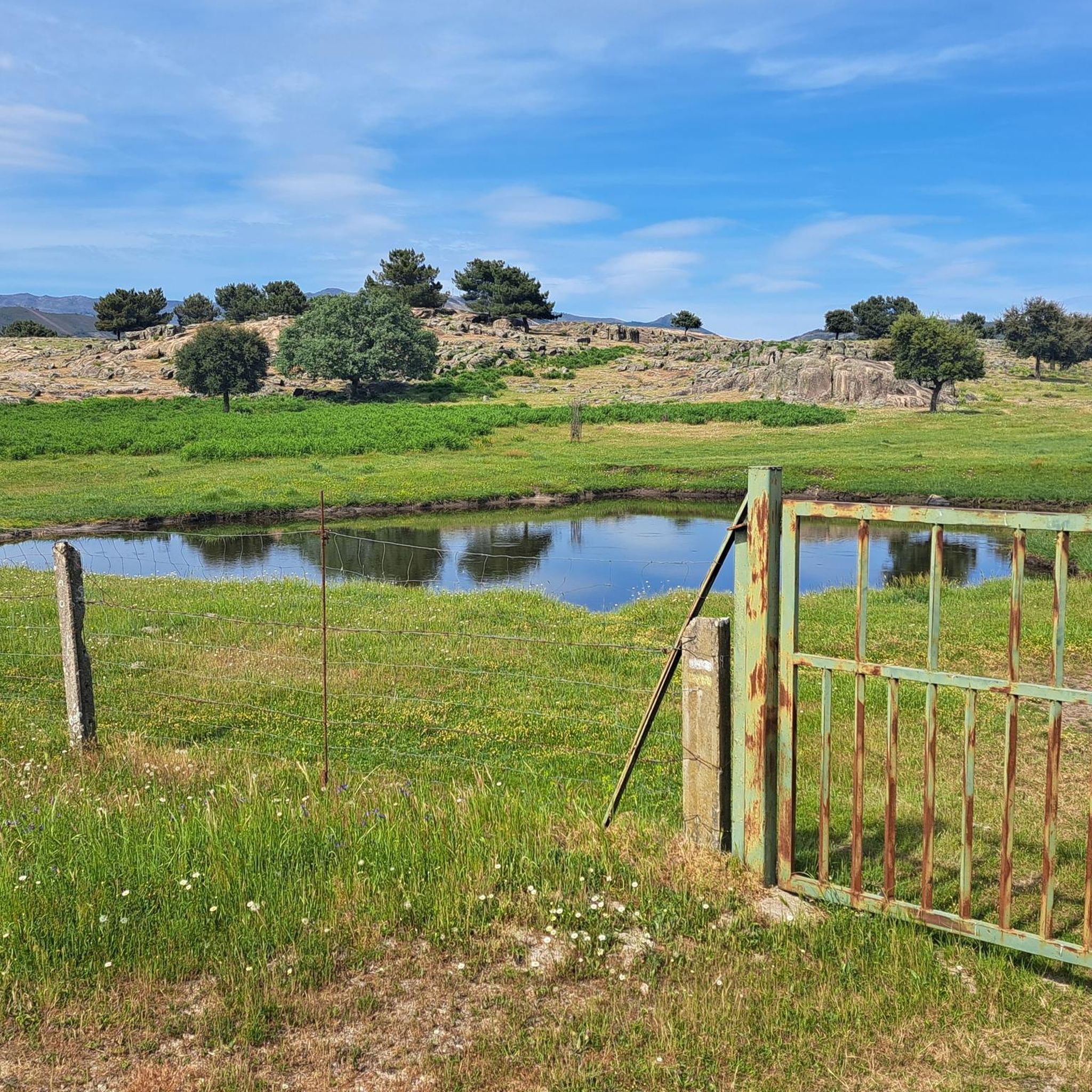
Hiking around Huélaga offers access to the diverse landscapes of the Sierra de Gata comarca in Extremadura, Spain. The region is characterized by mountainous terrain, lush valleys carved by rivers, and extensive olive groves, pine woods, and cork trees. Natural features include rocky crags, traditional dehesa, and numerous natural swimming pools, providing varied environments for outdoor exploration.
Best hiking trails around Huélaga
- The most popular hiking route is Coria to Ermita Virgen de Argeme, a 6.6 miles (10.6 km)…
Last updated: June 26, 2026
4.0
(1)
5
hikers
17.2km
04:23
50m
50m
Moderate hike. Good fitness required. Easily-accessible paths. Suitable for all skill levels.
3.0
(1)
8
hikers
10.6km
02:46
80m
80m
Moderate hike. Good fitness required. Easily-accessible paths. Suitable for all skill levels.

Sign up for free
5.0
(1)
14
hikers
Easy hike. Great for any fitness level. Easily-accessible paths. Suitable for all skill levels.
4.0
(1)
5
hikers
Moderate hike. Good fitness required. Easily-accessible paths. Suitable for all skill levels.
5
hikers
Easy hike. Great for any fitness level. Easily-accessible paths. Suitable for all skill levels.
Get access to more routes and recommendations from other explorers.
Sign up for free
Already have an account?
Our route recommendations are based on thousands of hikes, rides, and runs completed by other people on komoot.
Start today with a free account
Your next adventure awaits.
Login or Signup

Tips from the Community

Coria Castle is an imposing medieval fortress located in the upper part of Coria's historic center, very close to the Cathedral, and is one of the city's most prominent landmarks. It is integrated into the walled enclosure, forming part of the defensive complex of Roman origin. Main construction: between 1473 and 1478, commissioned by García Álvarez de Toledo, Marquis of Coria and Duke of Alba.
4
0

The bridge..... ...... eye
1
0

Every June the city centre is made safe and stands are set up for the Bull Ride. Starting on 23 to 29 June
0
0
Located outside the city of Coria, in the natural area of the ancient Dehesa de Malpartida, the sanctuary is close to the edge of the cliff formed by the Alagón River. According to the Coria Charter from the 13th century, it stands in the same place where a small medieval chapel probably existed. Part of the remains of the extensions carried out in the 16th century are still preserved. These extensions were carried out to house the venerated Romanesque-Gothic Marian carving, possibly made in Leonese workshops. The image of the Virgin rests in her dressing room (added in 1880) and is framed by a beautiful Rococo altarpiece from 1774. A visit to this sanctuary will allow you to appreciate its uniqueness, beauty and devotion to the Patroness of Coria! 🙏🌟
3
0
The Iron Bridge in Coria is a beautiful civil work of metal architecture and nineteenth-century modernist design. It was built by the Asturian engineers D. Salvador and D. Próspero Ardura. The bridge stands over the Alagón River, connecting both banks in the City of Coria. Its total length is 178.30 meters, and its deck has a width of 7.78 meters, with a two-way road flanked by two sidewalks.
9
0
The Medieval Bridge of Coria is a historical structure that is located next to the main façade of the Monastery of San Juan Bautista or Corias. Its construction had the objective of connecting the monastery with the town of Corias. Although its foundations are believed to be of Roman origin, the bridge was rebuilt in 1571, as indicated by an inscription preserved on one of the stones of its parapet.
8
0
Founded before the Romans occupied the Iberian Peninsula, Coria was known as Cauria or Caurus. The Romans gave it its current Latin name, CAVRIUM. Later, he was granted Roman citizenship. In the Visigothic era, the Diocese of Coria was created, which maintained Coria as an episcopal see until the 20th century. After the Reconquista, Coria became the capital of a manor to which towns that still bear the name of Coria belonged, such as Guijo de Coria or Casillas de Coria.
8
0
Moraleja is a Spanish municipality, located in the province of Cáceres, autonomous community of Extremadura. It includes the town of the same name and an extensive municipal area in which there are several small hamlets and colonization towns such as Cañadas and Rozacorderos.
8
0
Frequently Asked Questions
How many hiking trails are available around Huélaga?
There are over 10 hiking routes around Huélaga listed on komoot, offering a range of experiences from easy strolls to moderate ascents through the diverse landscapes of the Sierra de Gata comarca.
What kind of terrain can I expect on hikes near Huélaga?
Hikes near Huélaga traverse varied terrain, including mountainous areas with peaks like Peña Canchera and Jálama, lush valleys carved by rivers, and extensive olive groves, pine woods, and cork trees. You'll also encounter rocky crags and traditional dehesa landscapes.
Are there any natural features or landmarks to see along the trails?
Yes, the region is rich in natural beauty. You can find picturesque waterfalls, such as the Cervigona waterfall, and numerous natural swimming pools like those near Perales del Puerto or Hoyos. Notable landmarks include the Iron Bridge of Coria and the Medieval Bridge of Coria. The El Chorrerón Waterfall and Stone Bridge is another beautiful spot.
What do other hikers enjoy the most about hiking in Huélaga?
The area is highly rated by the komoot community, with an average score of 4.4 stars. Hikers often praise the quiet woodlands, the scenic beauty of the river valleys, and the opportunity to explore charming villages and natural pools.
Are there any circular hiking routes near Huélaga?
Yes, there are several circular routes. For example, the El Chorreròn circular desde Moraleja is a moderate 17.2 km path exploring the natural area around El Chorrerón. Another option is the Puente de Hierro de Coria – Medieval Bridge of Coria loop from Coria, an easy 7.3 km trail.
Are the hiking trails around Huélaga suitable for families?
Yes, the region offers trails suitable for various ability levels. Many easy routes follow rivers or explore the gentle landscapes of the dehesa, making them enjoyable for families. For example, the Hiking loop from Moraleja is an easy 6.1 km option.
Can I bring my dog on the hiking trails in Sierra de Gata?
Generally, dogs are welcome on trails in the Sierra de Gata. However, it's always advisable to keep them on a leash, especially in areas with livestock or wildlife, and to check for any specific local regulations or protected areas that might have restrictions.
What is the best time of year to go hiking in Huélaga?
The spring (March to May) and autumn (September to November) are generally considered the best times for hiking in Huélaga. During these seasons, the weather is mild, and the landscapes are particularly vibrant with wildflowers in spring or rich colors in autumn. Summers can be very hot, making early morning or late afternoon hikes preferable.
Are there opportunities for wild swimming or natural pools after a hike?
Absolutely. The Sierra de Gata is famous for its natural swimming pools (piscinas naturales). After a hike, you can cool off in clear waters at spots like the Natural pool Perales del Puerto, Piscina Natural de Hoyos, or the Jevero natural swimming pool near Acebo.
Is public transport available to access hiking trails near Huélaga?
While Huélaga itself is a small village, public transport options within the broader Sierra de Gata region can be limited. It's often more convenient to access trailheads by car. For specific routes, checking local bus schedules for connections to nearby towns like Moraleja or Coria, which serve as starting points for some trails, is recommended.
Where can I find accommodation or places to eat in Huélaga or nearby?
Huélaga and the surrounding villages in the Sierra de Gata offer various rural accommodation options, including guesthouses and rural hotels. You'll also find local restaurants and cafes serving traditional Extremaduran cuisine in these towns, perfect for refueling after a day on the trails.
Are there any easy routes for beginners or those looking for a relaxed walk?
Yes, there are several easy routes. The Puente de Hierro de Coria – Medieval Bridge of Coria loop from Coria is an easy 7.3 km trail, and the Hiking loop from Moraleja is another easy 6.1 km option, both suitable for a relaxed pace.
Most popular attractions around Huélaga

Get inspired with the komoot mobile app


Explore more
Browse the best Hikes in other regions.
