The best road cycling routes around Barbalos
4.8
(10)
357
riders
29
rides
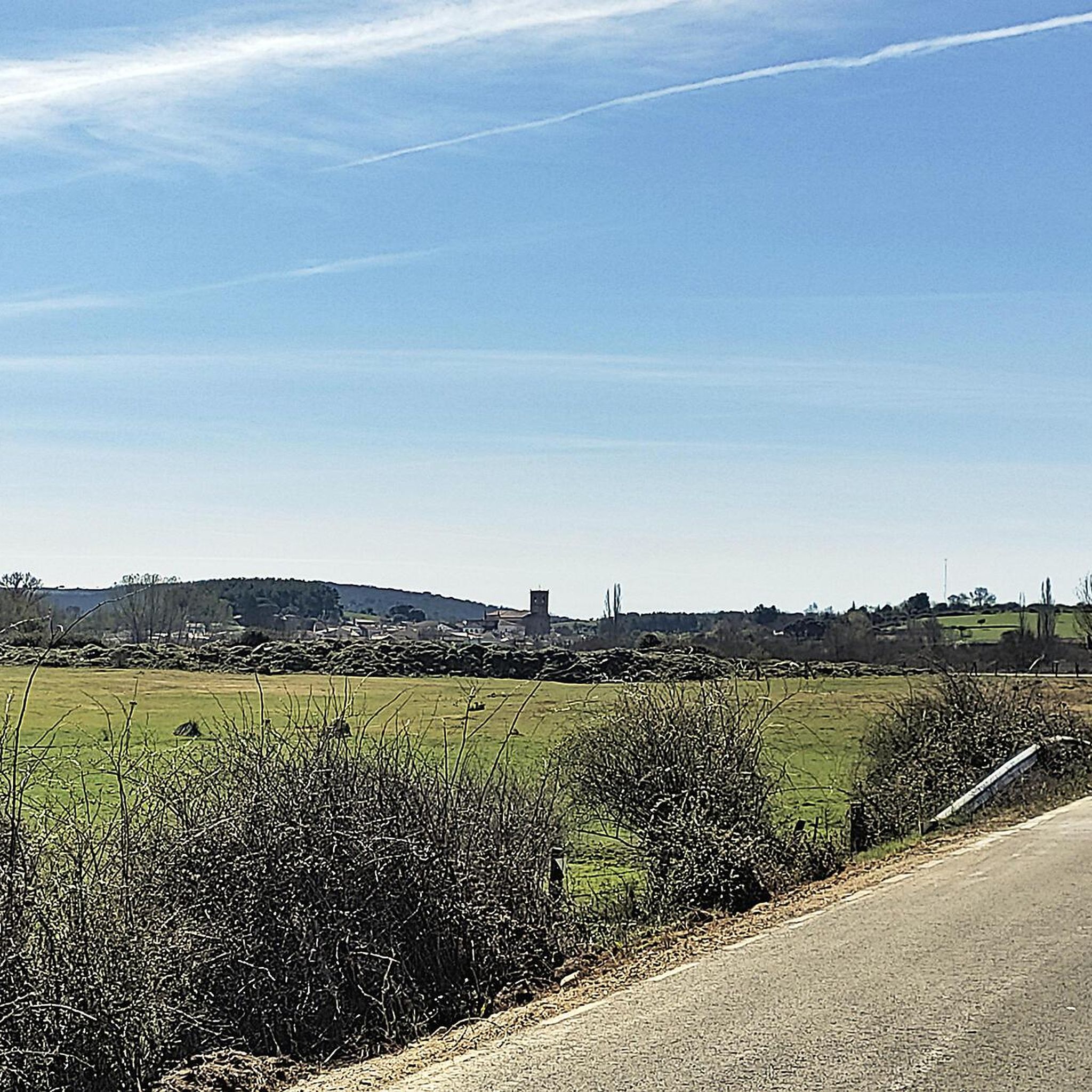
Road cycling routes around Barbalos are situated within the diverse landscape of Salamanca province, Spain. The region features a blend of challenging mountainous terrain, including the Sierra de Francia y Quilamas, and tranquil rural roads. Cyclists can navigate through river valleys, rolling hills characterized by dehesa landscapes, and extensive agricultural areas. This varied topography provides options for different road cycling experiences.
Best road cycling routes around Barbalos
- The most popular road cycling route is Ascent to Puerto de Valero –…
Last updated: June 28, 2026
52
riders
91.2km
04:44
1,660m
1,660m
Hard road ride. Very good fitness required. Mostly well-paved surfaces and easy to ride.
31
riders
88.8km
04:32
1,310m
1,310m
Hard road ride. Very good fitness required. Some segments of this route may be unpaved and difficult to ride.

Sign up for free
4.3
(3)
16
riders
82.0km
04:20
1,480m
1,470m
Hard road ride. Very good fitness required. Some segments of this route may be unpaved and difficult to ride.
17
riders
86.2km
04:28
1,530m
1,540m
Hard road ride. Very good fitness required. Mostly well-paved surfaces and easy to ride.
29
riders
82.0km
04:31
1,710m
1,710m
Hard road ride. Very good fitness required. Mostly well-paved surfaces and easy to ride.
Get access to more routes and recommendations from other explorers.
Sign up for free
Already have an account?
Our route recommendations are based on thousands of hikes, rides, and runs completed by other people on komoot.
Start today with a free account
Your next adventure awaits.
Login or Signup


Tips from the Community

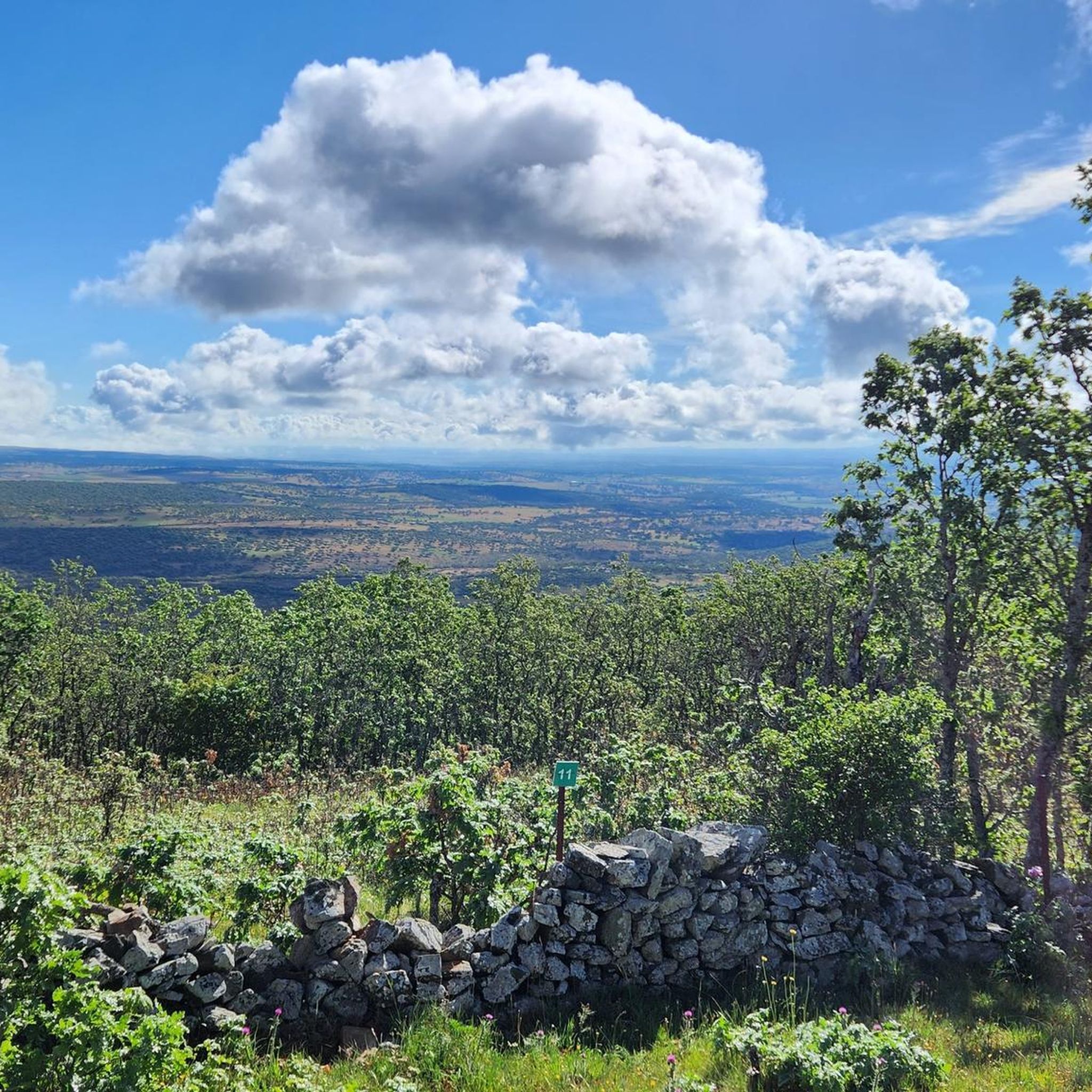
On the SA-205 highway, just outside San Esteban de la Sierra heading towards Santibáñez de la Sierra, you'll find the entrance to the Sierra Viewpoints Route, which includes several spectacular panoramic viewpoints. Views: The Alagón River Valley and its meanders. The Sierra de Francia mountain range with the Peña de Francia peak in the background. The Sierra de Béjar mountain range and the Las Quilamas Natural Area. This viewpoint is a magnificent natural balcony, perfect for photography and birdwatching (vultures, eagles, black storks).
2
0
What to see in Mogarraz The Faces of Mogarraz More than 800 portraits painted on the facades, the work of artist Florencio Maíllo, who transformed the village into an open-air museum. This initiative originated from photos taken in the 1960s for residents' national identity cards. Main Square The central oval-shaped square, surrounded by traditional mountain houses with timber framing and stone walls. Church of Our Lady of the Snows A Renaissance-style church, built between the 16th and 17th centuries. Bell Tower An old defensive tower, separate from the church, used as a watchtower in the Middle Ages. Ethnographic Museum – House of Crafts Exhibits traditional crafts such as embroidery, shoemaking, and goldsmithing.
2
0
Founded during the 12th-century repopulation of León by Alfonso IX, within the district of Miranda del Castañar. Declared a Historic-Artistic Site in 1998 and a member of the network of the Most Beautiful Villages of Spain. Its mountain architecture combines stone, wood, and adobe, with flower-adorned balconies and heraldic details.
2
0
What to see in Miranda del Castañar Medieval Walls: Over 600 meters remain intact, with four gates facing the cardinal directions: San Ginés, Nuestra Señora, La Villa, and El Postigo. Zúñiga Castle: A 15th-century fortress, symbol of the former County of Miranda. Although the interior is not open to the public, its exterior and keep are impressive. Square Bullring: Considered one of the oldest in Spain, built in the 16th century on the site of the former parade ground. Church of Santiago and San Ginés: Gothic in style (13th-16th centuries), with a detached 17th-century bell tower. Houses with Coats of Arms: More than 80 noble coats of arms adorn the facades, reflecting the town's aristocratic past.
8
0
Miranda del Castañar, one of the most beautiful villages in Spain, is located in the Sierra de Francia (Salamanca): Founded in 1213 by Alfonso IX of León as a town and council, it was the administrative capital of the Sierra de Francia. In the 15th century, the County of Miranda was created under the control of the Zúñiga family, consolidating its strategic importance.
9
0
The Soto Bridge, also known as the Roman Bridge of Sotoserrano, is a historic stone structure that spans the Alagón River in the Las Batuecas-Sierra de Francia Natural Park. It is located in the town of Sotoserrano, famous for being at the confluence of three rivers: the Alagón, the Francia, and the Cuerpo de Hombre. The bridge is one of the town's symbols and a key point on several hiking and cycling routes.
2
0

View of the vast Sierra de Francia. Countless church trees grow in the area around Madronal.
0
0

Declared a Historic-Artistic Site in 1998, the town of Mogarraz offers visitors a network of narrow streets and passageways dotted with coats of arms belonging to ancient lineages and even to the dreaded Inquisition, original lintels with religious engravings, crosses, and fountains. But what really catches the eye is the exhibition of portraits adorning the facades of the houses where the locals portrayed lived.
1
0
Frequently Asked Questions
How many road cycling routes are available around Barbalos?
There are 19 road cycling routes around Barbalos, offering a variety of experiences. These include 3 easy routes, 8 moderate routes, and 8 difficult routes, catering to different skill levels.
What kind of terrain can I expect on road cycling routes near Barbalos?
The region offers diverse terrain, from challenging mountainous areas like the Sierra de Francia y Quilamas to tranquil rural roads. You'll find quiet country roads, river valleys, rolling hills with dehesa landscapes, and extensive agricultural areas. Expect opportunities for significant climbs, some exceeding 1000 meters in altitude, often with gradual gradients.
Are there any easy road cycling routes suitable for beginners or families?
Yes, Barbalos offers 3 easy road cycling routes. The varied topography ensures options for all levels, including more gentle rides through the province's flat river valleys and rolling hills, which are ideal for less experienced cyclists or family outings.
What are some challenging road cycling routes for experienced riders?
For experienced riders seeking a challenge, routes like the Ascent to Puerto de Valero – San Miguel de Valero loop from La Sierpe (88.8 km with 1305m elevation gain) or the Miranda de Castañar – Ascent to Puerto de Valero loop from Linares de Riofrío (99.1 km with 2054m elevation gain) offer significant climbs and demanding ascents through mountainous areas.
Can I find circular road cycling routes in the Barbalos area?
Yes, many of the road cycling routes around Barbalos are designed as loops. For example, the Sequeros – Cilleros de la Bastida loop from Linares de Riofrío is a popular circular trail leading through mountainous areas and rural roads.
Are there scenic viewpoints or landmarks along the cycling routes?
Absolutely. The routes often pass through picturesque landscapes, offering expansive views. You might encounter prominent natural landmarks like Cervero Peak, which offers panoramic 360-degree views. The Ascent to Puerto de Valero is another notable point providing stunning vistas.
What is the best time of year for road cycling in Barbalos?
The region generally offers pleasant conditions for cycling. While specific weather patterns vary, spring and autumn typically provide mild temperatures and beautiful scenery, making them ideal for road cycling. Summers can be warm, especially in the midday, while winters are cooler but often still suitable for riding.
Is it possible to reach Barbalos by public transport for cycling?
While Barbalos is a smaller municipality, public transport options to the broader Salamanca province exist. For specific connections to Barbalos, it's advisable to check local bus schedules from larger towns like Salamanca city, as services may be less frequent to smaller villages. Bringing a bike on public transport often requires checking specific operator policies.
Where can I find parking for road cycling routes near Barbalos?
Parking is generally available in and around the villages that serve as starting points for many routes, such as Linares de Riofrío or La Sierpe. These smaller towns typically have public parking areas suitable for cyclists looking to embark on their rides.
Are there cafes or places to stop for refreshments along the routes?
Yes, the routes often pass through charming villages within the Sierra de Francia, where you can find local cafes, bars, and restaurants. These provide excellent opportunities to refuel and experience local culture during your ride. It's always a good idea to carry some snacks and water, especially on longer or more remote sections.
What do other cyclists say about road cycling in Barbalos?
The road cycling routes around Barbalos are highly rated by the komoot community, with an average score of 5.0 stars from over 4 reviews. Cyclists often praise the quiet country roads, the challenging yet rewarding climbs, and the scenic beauty of the diverse terrain.
Are there any specific permits required for cycling in the region?
Generally, no specific permits are required for road cycling on public roads in the Salamanca province. However, if you plan to venture into protected natural areas or private lands, it's always wise to check local regulations or signage for any specific restrictions or requirements.
Can I bring my dog on road cycling routes around Barbalos?
While road cycling routes are primarily for bikes, if you are considering bringing a dog (e.g., in a trailer), it's important to ensure their safety and comfort. Always adhere to local leash laws and be mindful of other road users. For specific dog-friendly activities or trails, it's best to research local parks or natural areas that explicitly welcome dogs.
What are some notable natural features I might encounter while cycling?
Beyond the stunning mountain ranges, you'll cycle through diverse landscapes including oak and chestnut forests. Keep an eye out for local wildlife such as royal eagles and griffon vultures, especially in the more isolated reliefs. The region also features natural swimming spots like Piscina Natural de Valero, fed by the clean waters of the Quilamas River, offering a refreshing sight.
Most popular routes around Barbalos
Most popular attractions around Barbalos

Get inspired with the komoot mobile app


Explore more
Browse the best Road cycling routes in other regions.
