Attractions and Places To See around Villodre - Top 20
Attractions and places to see around Villodre offer insights into the historical and cultural landscape of the Cerrato region in Palencia, Spain. The area is characterized by its historical roots and serene surroundings. Villodre's location provides access to wider exploration opportunities, including proximity to the Camino de Santiago and the Pisuerga River. Visitors can explore historical sites and natural features that define this part of Spain.
Best attractions and places to see around Villodre
- The most popular attractions is Canal de Castilla, a man-made canal and historical waterway that represents a significant work of the Spanish Enlightenment. It offers opportunities for walking along its banks.
- Another must-see spot is Scenic Section of the Canal de Castilla, a scenic section of a historical canal. This section is frequented by visitors and coincides with the Camino Frances de Santiago.
- Visitors also love San Nicolás Hermitage at Puente Fitero, a historical religious building that has been rehabilitated as a hostel for pilgrims. It served as a hospital for pilgrims on the Camino de Santiago.
- Villodre is known for its historical sites, significant waterways, and religious architecture. Visitors can explore historical monuments, follow ancient pilgrimage routes, and enjoy the serene natural surroundings.
- The attractions around Villodre are appreciated by the komoot community, with more than 260 upvotes and 80 photos shared.
Last updated: July 7, 2026
Canal de Castilla
Highlight • River
Translated by Google •
Tip by

San Nicolás Hermitage at Puente Fitero
Highlight • Religious Site
Translated by Google •
Tip by
Sign up now to discover places like this
Get recommendations on the best single tracks, peaks, & plenty of other exciting outdoor places.
Sign up for free
Scenic Section of the Canal de Castilla
Highlight (Segment) • Structure
It coincides with the Camino Frances de Santiago and with the EV1 EuroVelo route.
Translated by Google •
Tip by

Province of Palencia Border Marker on the Camino de Santiago
Highlight • Monument
Translated by Google •
Tip by

Castle of La Mota of Astudillo
Highlight • Castle
Translated by Google •
Tip by

Sign up for free to discover even more attractions around Villodre.
Sign up for free
Already have an account?
Start today with a free account
Your next adventure awaits.
Login or Signup

Tips from the Community

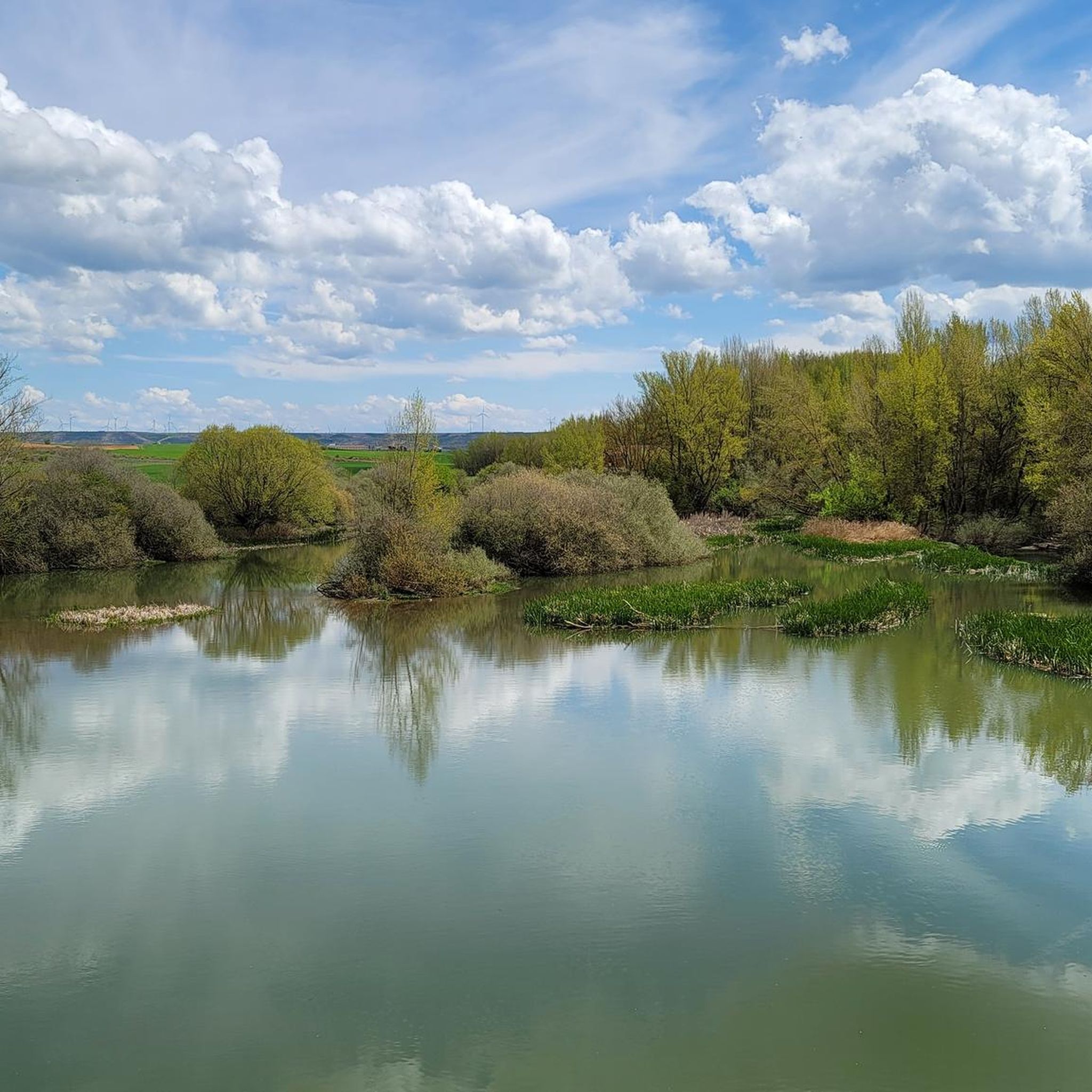
A short, pleasant stretch to walk because the water cools the air a little.
1
1

The Fitero Bridge, also known as the Itero Bridge, is a historic 11th-century Romanesque construction that crosses the Pisuerga River and connects the towns of Itero de la Vega (Palencia) and Itero del Castillo (Burgos). This bridge marks the provincial border between Palencia and Burgos, and was also formerly the border between the kingdoms of Castile and León.
1
0

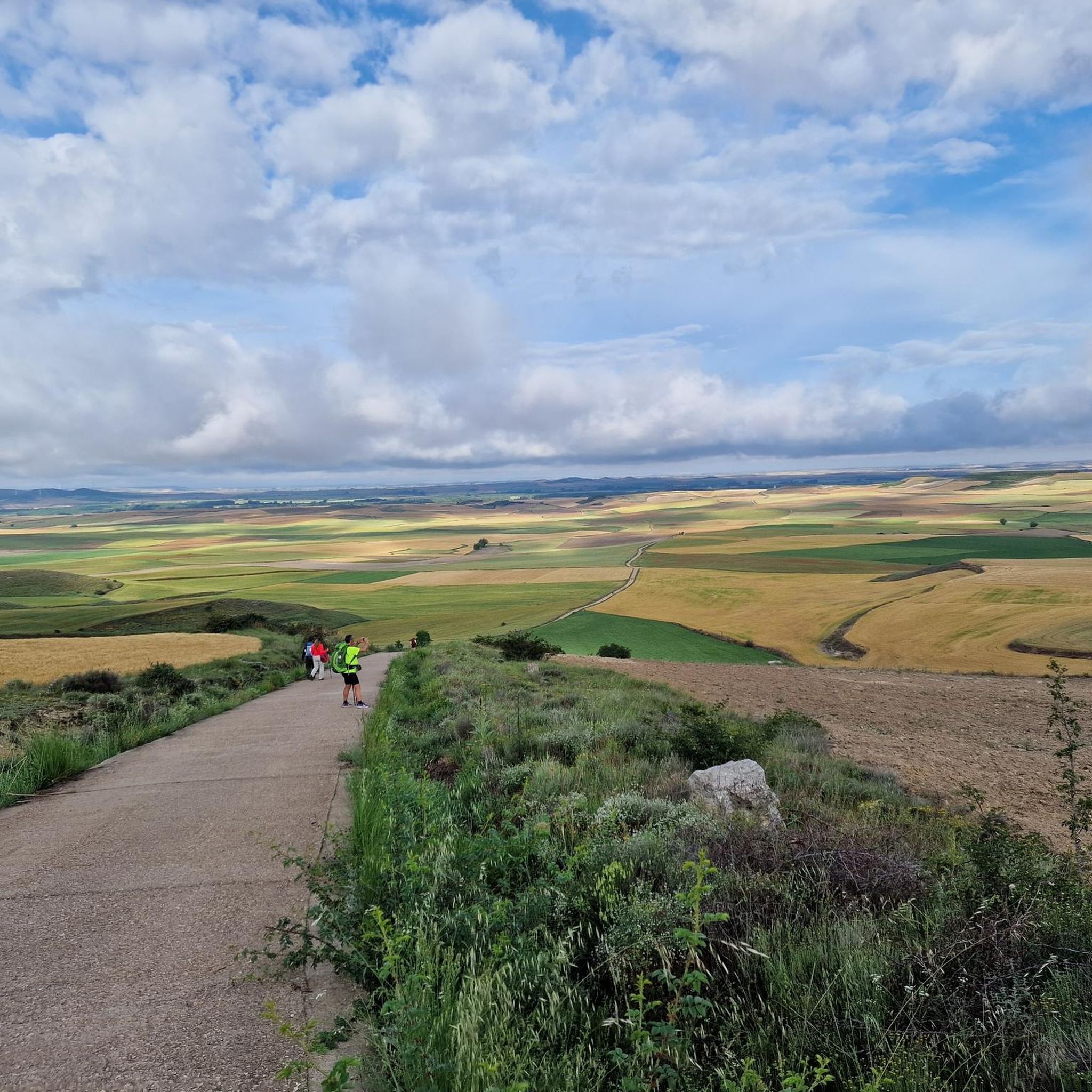
Beautiful sunrise on the Way of St. James
2
1

boundary stone.
1
1

The ruins of Astudillo Castle rise on a prominent mound detached from the San Martín moor. Although its origins may date back to the 10th century, there is no documentary evidence of its existence until the 11th century.
1
0

On the approximately 800-kilometer route through northern Spain – perhaps even earlier in France – the pilgrim has repeatedly crossed borders that may have held significant significance in the past, and some still do today from a regional political perspective. However, for us, who are striving toward the tomb of the Apostle James, the "Credencial" was the only important identification document, and pilgrimage routes – like the heavens – have always been borderless.
5
0

The Castile Canal, whose construction began in 1753, was intended to connect Castile to the Atlantic Ocean.
7
0
Boundary stone marking the border between the provinces of Palencia and Burgos
8
0
Frequently Asked Questions
What historical sites can I explore in Villodre?
Villodre offers a glimpse into its historical past. You can visit the Plaza de Fernando González Manrique, which features a large manor house that once belonged to Garci Fernández de Villodre. The Church of San Román is another significant site, housing a gothic chapel and sarcophagi from the knight Garci Fernández and his era.
Are there any sites related to the Camino de Santiago near Villodre?
Yes, Villodre is located near the Camino de Santiago. You can visit the San Nicolás Hermitage at Puente Fitero, a historical religious building rehabilitated as a hostel for pilgrims. The Scenic Section of the Canal de Castilla also coincides with the Camino Frances de Santiago. Additionally, you'll find the Province of Palencia Border Marker on the Camino de Santiago nearby.
What is the significance of the Canal de Castilla in this region?
The Canal de Castilla is a man-made canal and a significant work of the Spanish Enlightenment. It was originally intended to link Segovia with Santander through navigation canals. Today, it offers beautiful opportunities for walking and cycling along its banks, providing a serene historical experience.
What outdoor activities are available around Villodre?
The area around Villodre is excellent for outdoor activities. You can find numerous routes for hiking, cycling, and mountain biking. These activities allow you to explore the historical sites, the Canal de Castilla, and the gentle mountains adorned with windmills.
Are there opportunities for walking or hiking near Villodre?
Absolutely. The Canal de Castilla offers pleasant walks along its banks. For more structured routes, you can explore various hiking trails, including easy loops like 'Castillo de la Mota — circular by Astudillo' or 'Puente y ermita de San Nicolás de Puente Fitero — bucle desde Itero de la Vega a Itero del Castillo'.
Can I go cycling around Villodre?
Yes, cycling is a popular activity. The Canal de Castilla and its scenic sections are ideal for bike rides. There are also dedicated cycling routes and MTB trails available, ranging from easy to difficult, allowing you to explore the wider region.
Are there any natural landmarks or scenic spots to visit?
While Villodre itself is known for its historical charm, its proximity to the Pisuerga River and the gentle mountains adorned with windmills offers scenic views. The Canal de Castilla and its Scenic Section are also beautiful man-made features that blend seamlessly with the natural landscape.
Are there family-friendly attractions around Villodre?
Many of the attractions around Villodre are suitable for families. Walking or cycling along the Canal de Castilla and its Scenic Section are great options. The Province of Palencia Border Marker on the Camino de Santiago is also considered family-friendly, offering an interesting historical point.
Are there any wheelchair-accessible attractions?
The Province of Palencia Border Marker on the Camino de Santiago is noted as wheelchair accessible, providing an opportunity for all visitors to experience a piece of the Camino's history.
When is the best time of year to visit Villodre for outdoor activities?
The best time to visit Villodre for outdoor activities like hiking and cycling is generally during the spring and autumn months when the weather is mild and pleasant. Summers can be warm, while winters are cooler, making spring and autumn ideal for exploring the countryside and historical sites.
What do visitors particularly enjoy about the attractions near Villodre?
Visitors often enjoy the serene atmosphere and the historical significance of the area. The Canal de Castilla is appreciated for its peaceful walks, and the San Nicolás Hermitage is valued for its unique rehabilitation as a pilgrim hostel and its ancient rituals. The blend of history and nature is a key draw.
Are there places to stay or eat near Villodre's attractions?
While Villodre itself has limited tourist infrastructure, its proximity to larger towns like Astudillo means you can find accommodation, cafes, and pubs within a short drive. The San Nicolás Hermitage at Puente Fitero also functions as a hostel for pilgrims, offering a unique stay option.
How can I get to Villodre or its attractions using public transport?
Public transport options directly to Villodre may be limited due to its rural location. It is advisable to check local bus schedules from larger nearby towns in the Palencia province, such as Astudillo or Palencia city, which may offer connections. However, exploring the attractions and wider region is often best done by car or bicycle.

Get inspired with the komoot mobile app


Explore more
Still not found the Highlight you’re looking for? See guides of the top attractions in other regions:
