Attractions and Places To See around Bujalaro - Top 17
Best attractions and places to see around Bujalaro include a blend of historical sites, cultural points of interest, and natural landscapes. This tranquil municipality is situated at the foot of the Alcarria plateau and along the Henares River. The area offers a glimpse into traditional Spanish village life, characterized by diverse natural environments, from wooded areas to low mountains. Bujalaro's surroundings feature varied terrain and scenic views.
Best attractions and places to see around Bujalaro
- The most popular attraction is…
Last updated: June 29, 2026
Mandayona Village
Highlight • Settlement
Translated by Google •
Tip by

Jadraque Castle
Highlight • Castle
Translated by Google •
Tip by

Sign up now to discover places like this
Get recommendations on the best single tracks, peaks, & plenty of other exciting outdoor places.
Sign up for free
💧Water
Highlight • Rest Area
Translated by Google •
Tip by

Church of San Juan Bautista of Jadraque
Highlight • Religious Site
Translated by Google •
Tip by

Jadraque
Highlight • Castle
Translated by Google •
Tip by

Sign up for free to discover even more attractions around Bujalaro.
Sign up for free
Already have an account?
Start today with a free account
Your next adventure awaits.
Login or Signup

Tips from the Community

At the bar, very nice, they have an affordable daily menu
0
0

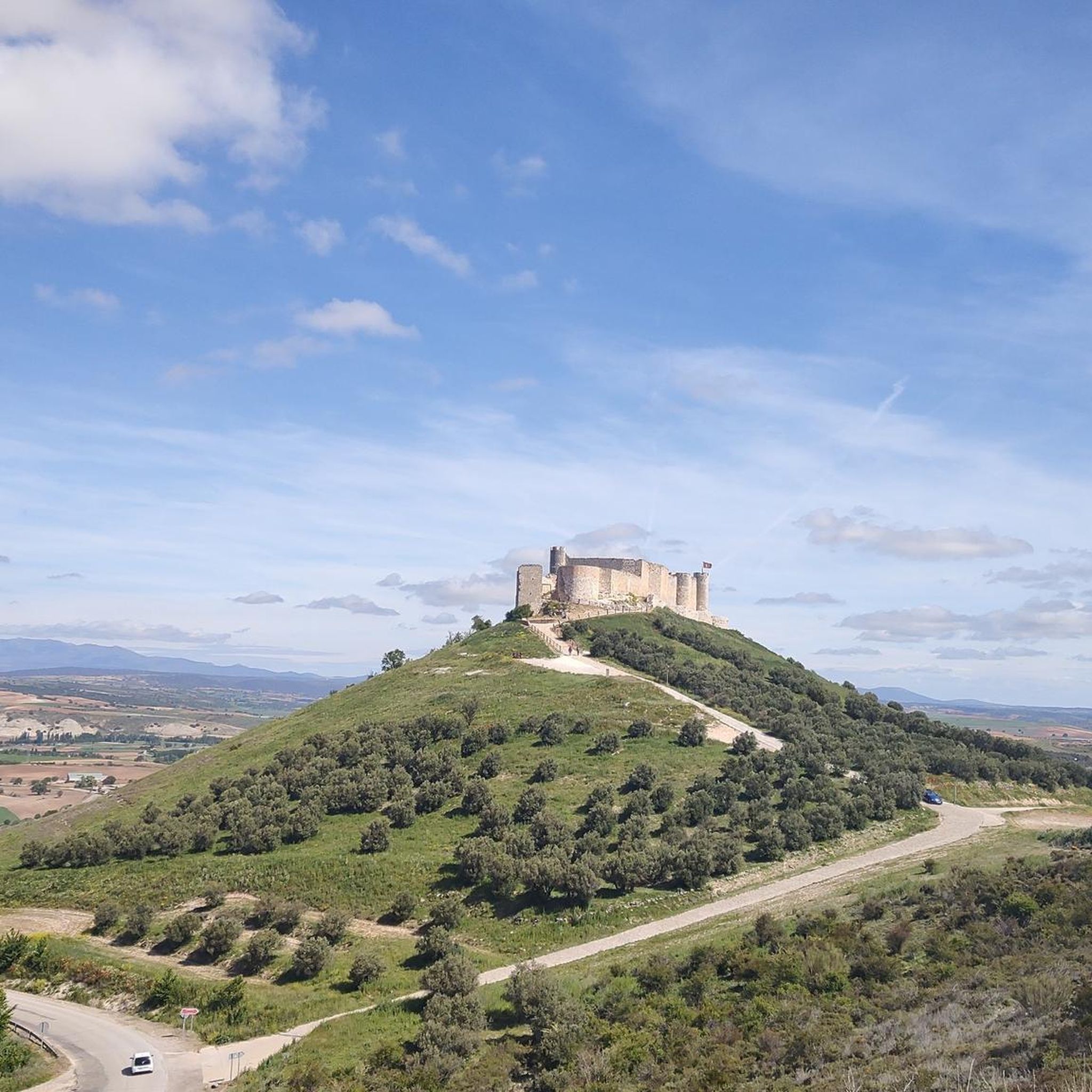
Although it is associated with El Cid, it was never related to the mercenary knight, but rather to the first Count of El Cid, Rodrigo Días de Vivar y Mendoza, a noble title granted by the Catholic Monarchs in 1492. This fortress, dating back to the High Middle Ages, watches over the Henares valley at the foot of the Alcarria Mountains. A natural paradise with a variety of altitudes.
0
0

imposing castle, called del Cid, although Rodrigo Díaz never lived there. The current Jadraque castle is almost entirely the work of the last third of the 15th century, that is, from the last group of medieval castle-palaces, already on the verge of disappearance at this time. Its reform in the 15th century was due to the master builder Alberto de Caravajal, helped by stonemasons from Northern Spain. This master builder also directed the renovation of the castle of Puebla de Almenara (Cuenca). It is likely that the outlines of the reform were given by the architect Juan Guas, although his intervention is not documented. The renovation work greatly affected almost everything that had previously existed there, as the natural terrain of the hill was even lowered. Only what was a large pentagonal tower in the bow was used in the construction of the new late medieval castle (probably towards the middle of the 20th century, almost the entire tower was dismantled to serve as a quarry). One of its panels is fallen today and the castle is closed to visitors.
0
0
Although Jadraque is famous for its castle, it does not detract from its monumental centre, which stands out: its 17th century church, which keeps inside the flagellated Christ collecting his tunic, by Zurbarán, and a carving attributed to Pedro de Mena. The Ursuline mansion, which served as a refuge in 1808 for the politician of the Enlightenment, Jovellanos, and for the painter Francisco de Goya. Another mansion, of the opposite sign, is that of the Inquisition, in the Plaza Mayor and with the institution's coat of arms partially destroyed. Together with the church we have a fountain where we can fill the can.
0
0

Beautiful Castle of Muslim origin, later rebuilt by the Mendoza family from Guadalajara.
1
0

Mandayona sits next to the Camino del Cid. There are ancient caves to visit and the ruins of a historic castle. You can also visit the Barranco Del Rio Dulcen Natural Park Interpretation Center for more information about the area.
1
0
Known as El Cid's castle, this incredible 15th century castle was the last of its kind to be erected in Spain. With majestic towers and a long protective wall, Jadraque Castle is a must-see.
1
0
Frequently Asked Questions
What historical sites can I explore in Bujalaro and its surroundings?
Bujalaro is rich in history. You can visit the Parish Church of San Antón, a 16th-century building with a Plateresque facade and a Mudejar coffered ceiling. The Camino del Cid, a historical route, also passes through Bujalaro. Nearby, explore Mandayona Village, which features ancient caves and the ruins of a historic castle. Don't miss the Church of San Juan Bautista of Jadraque, known for its 17th-century architecture and significant artworks.
Are there any natural attractions or scenic viewpoints near Bujalaro?
Yes, Bujalaro offers diverse natural landscapes. The Henares River flows through a fertile plain with orchards and groves. You can also find scenic views from the Argecilla Ascent, which provides panoramic views of the entire valley. The village is situated at the foot of the Alcarria Plateau, surrounded by wooded areas and low mountains, offering varied terrain for exploration.
What kind of outdoor activities can I do around Bujalaro?
The area around Bujalaro is excellent for various outdoor activities. You can find numerous road cycling routes, mountain biking trails, and general cycling paths. For detailed routes and guides, explore the Road Cycling Routes around Bujalaro, MTB Trails around Bujalaro, and Cycling around Bujalaro guides.
Are there family-friendly attractions or activities in the Bujalaro area?
Absolutely. Mandayona Village is considered family-friendly, offering ancient caves and castle ruins to explore. The general area provides a tranquil setting for families to enjoy traditional Spanish village life and gentle walks along the Henares River. Facilities like 💧Water points are also available for convenience during outings.
What is the significance of the Camino del Cid in relation to Bujalaro?
The Camino del Cid is a historical-cultural and tourist route that passes directly through Bujalaro. This connection links the municipality to a wider network of historical sites associated with the legendary El Cid, offering a unique opportunity to follow in the footsteps of history.
Where can I find drinking water while exploring attractions near Bujalaro?
You can find a reliable drinking water supply at the 💧Water highlight. Additionally, the Argecilla Ascent features a beautiful, flowing fountain near its end, which is a great spot to refill your bottles.
What is the Plaza del Pueblo in Bujalaro?
The Plaza del Pueblo is Bujalaro's central village square. Though of recent construction, it is made of carved stone and serves as a focal point for the community. It features benches, trees, and a unique statue dedicated to the emigrant, providing a pleasant gathering space.
Does Bujalaro have any specific cultural heritage related to winemaking?
Yes, Bujalaro has a strong viticultural tradition. The Calle de las Bodegas (Street of the Wineries) reflects this heritage, as many homes historically had their own vineyards and wineries. This street offers a glimpse into the village's past agricultural practices and cultural identity.
What is the Argecilla Ascent and what does it offer?
The Argecilla Ascent is a climb with approximately a 10% gradient on a well-paved and quiet country road. It offers beautiful scenery and provides extensive views of the entire valley. Near the end of the ascent, you'll find a flowing fountain, perfect for a refreshing stop.
What is Mandayona known for?
Mandayona Village is a charming Alcarreño town situated next to the Camino del Cid. It is known for its ancient caves, the ruins of a historic castle, and its colorful houses. It also offers useful services for cyclists and is located on the banks of the Dulce River, one of the cleanest in the region.
Are there any notable religious buildings in Bujalaro?
Bujalaro is home to the Parish Church of San Antón, a significant 16th-century architectural monument. Additionally, the Ermita de la Soledad (Hermitage of Solitude) is another religious site of interest in the area.
What is the best time to visit Bujalaro for outdoor activities?
While specific seasonal data isn't provided, the tranquil nature of Bujalaro and its diverse landscapes suggest that spring and autumn would be ideal. These seasons typically offer pleasant temperatures for exploring historical sites, enjoying scenic views, and engaging in cycling or walking activities without the extreme heat of summer or the chill of winter.

Get inspired with the komoot mobile app


Explore more
Still not found the Highlight you’re looking for? See guides of the top attractions in other regions:
