Top 6 Castles around Sant Martí De Riucorb
Best castles around Sant Martí De Riucorb offer a journey into the region's medieval past and architectural heritage. This municipality, formed by the fusion of several villages, features historical remnants that speak to its long history. While some structures are largely reformed, they provide insights into the powerful families who once controlled the area. Exploring the old towns and their unique castle remains reveals the historical atmosphere of the Corb river valley.
Best castles around Sant Martí De Riucorb
- The…
Last updated: June 29, 2026
Arbeca Castle
Highlight • Castle
Translated by Google •
Tip by

Bellpuig Castle
Highlight • Castle
Translated by Google •
Tip by
Sign up now to discover places like this
Get recommendations on the best single tracks, peaks, & plenty of other exciting outdoor places.
Sign up for free
Verdú Castle
Highlight • Castle
Translated by Google •
Tip by
Guimerà Castle
Highlight • Castle
Translated by Google •
Tip by

Castillo de Maldà
Highlight • Castle
Translated by Google •
Tip by
Sign up for free to discover even more castles around Sant Martí De Riucorb.
Sign up for free
Already have an account?
Start today with a free account
Your next adventure awaits.
Login or Signup
Tips from the Community

Bellpuig Castle preserves the remains of an old 16th-century residential fortress, although its origins date back to the 11th century. Despite looting and subsequent renovations, the lower galleries can still be explored, and part of the southeast wall can be seen, allowing one to imagine its former grandeur. Today, the building houses municipal offices and a music school, and is an interesting stop for learning about the area's noble history during a tour of Bellpuig.
0
0

The most important is the Fountain that you will find halfway up, fresh water that will save you, especially on summer days. The Guimerà castle is strategically located on the border between the plateau and the ridge of the Corb valley, built on a plain of living rock, where today the remains of the medieval enclosure extend, expanded in several phases to the western end, and linked through the old cemetery to the Gothic church. Its characteristic feature is its round watchtower and defense. It is a building declared a cultural asset of national interest. Source: Wikipedia
0
0

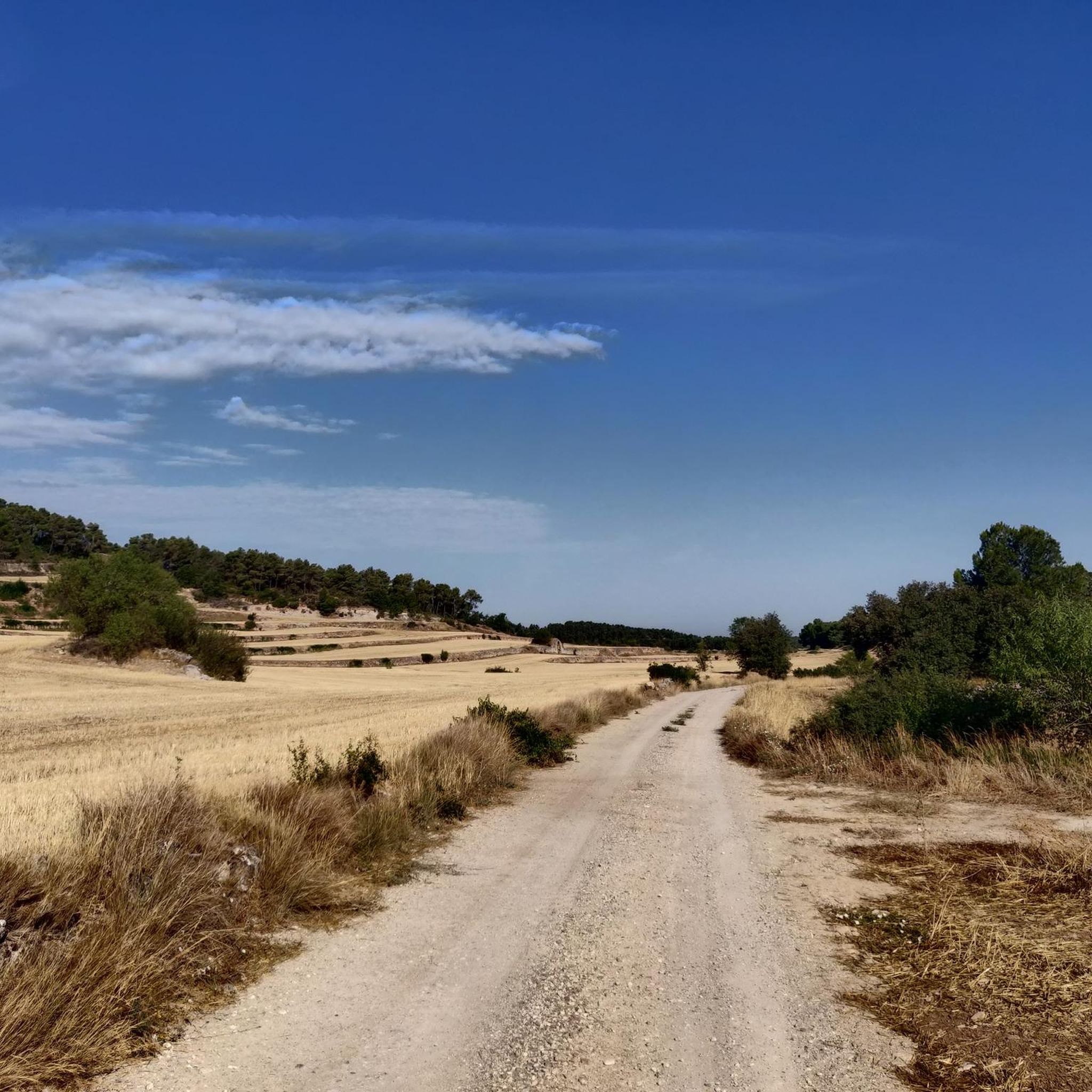
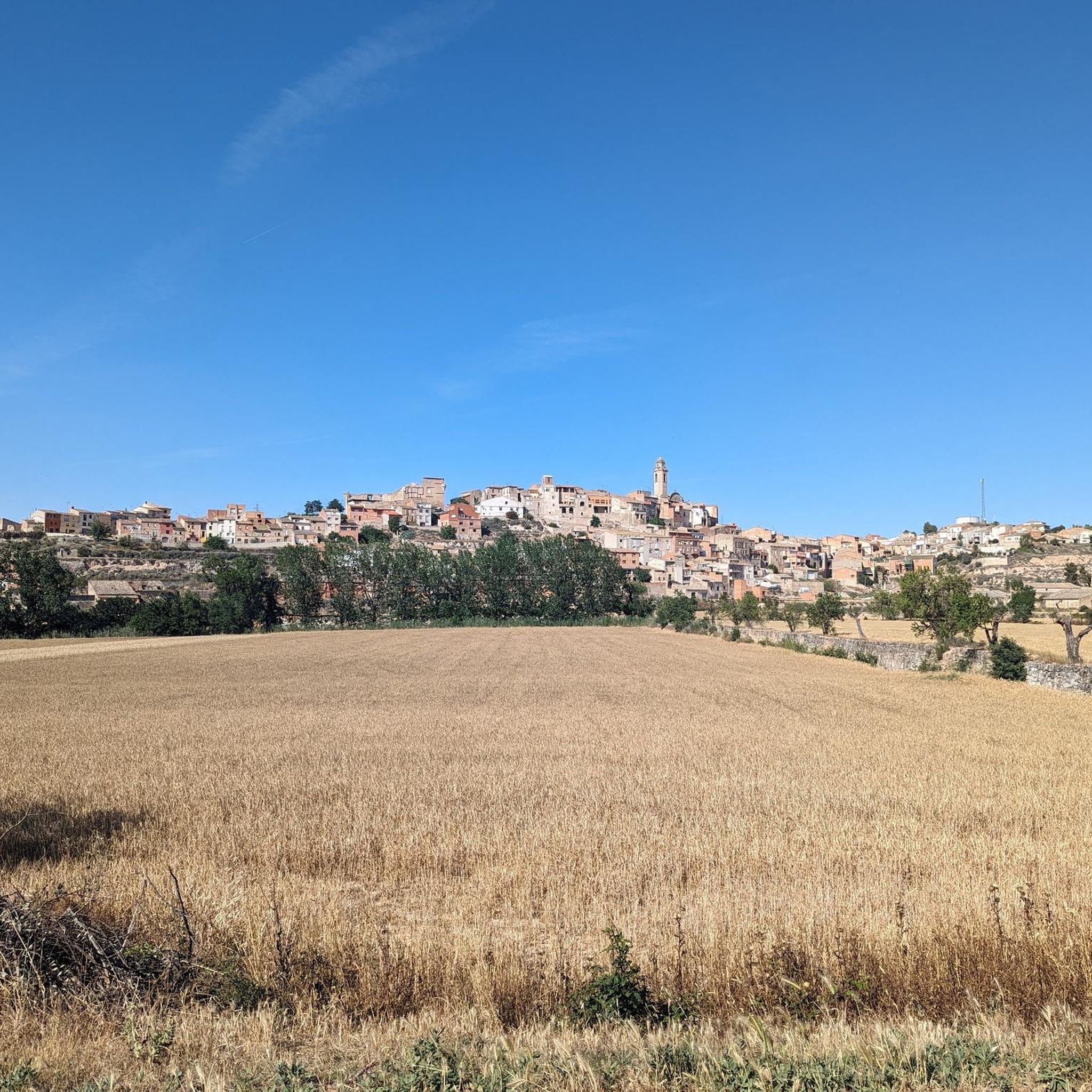
Wide and large town, with roads that take us to all places
0
0
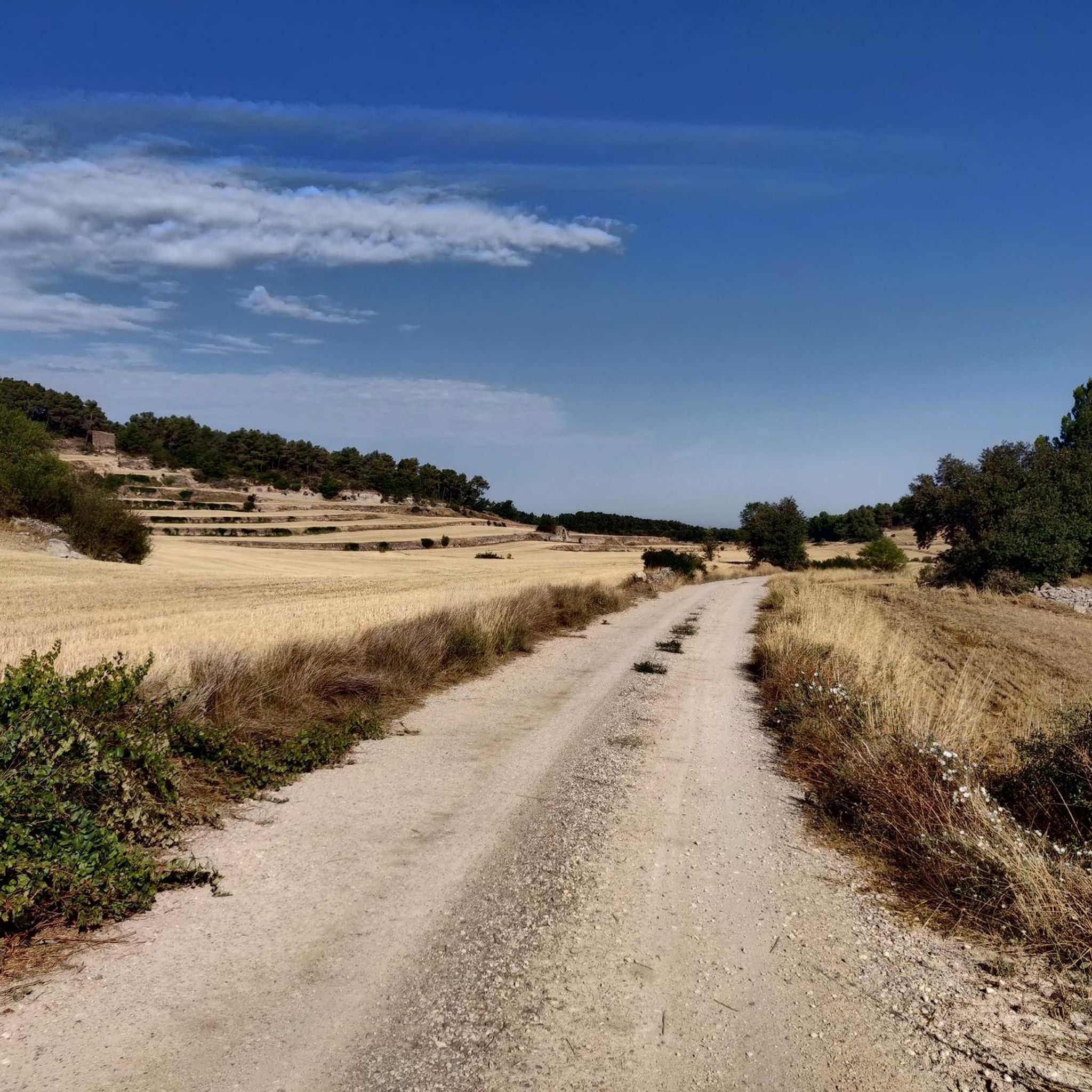
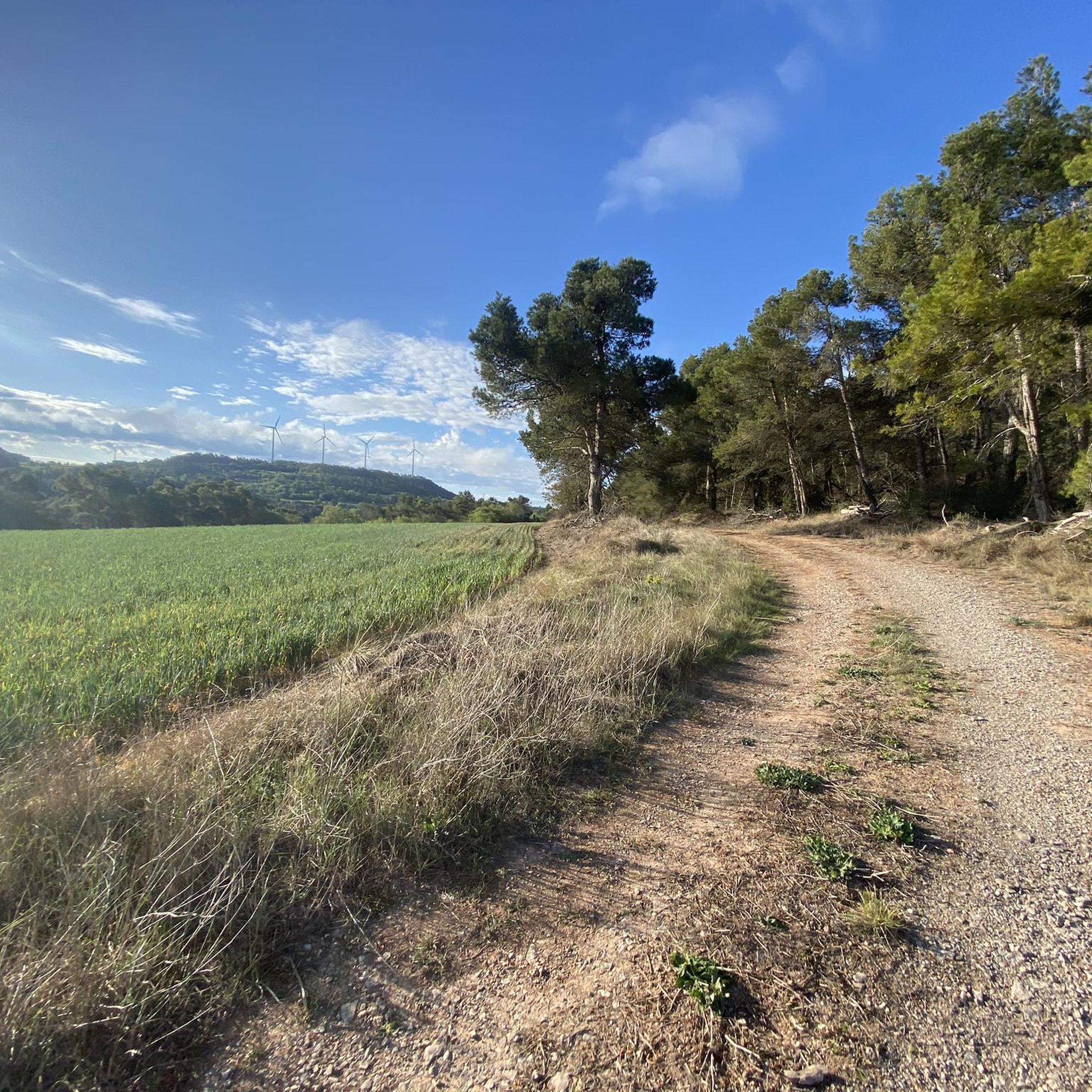
There are many fun trails in the area.
0
0
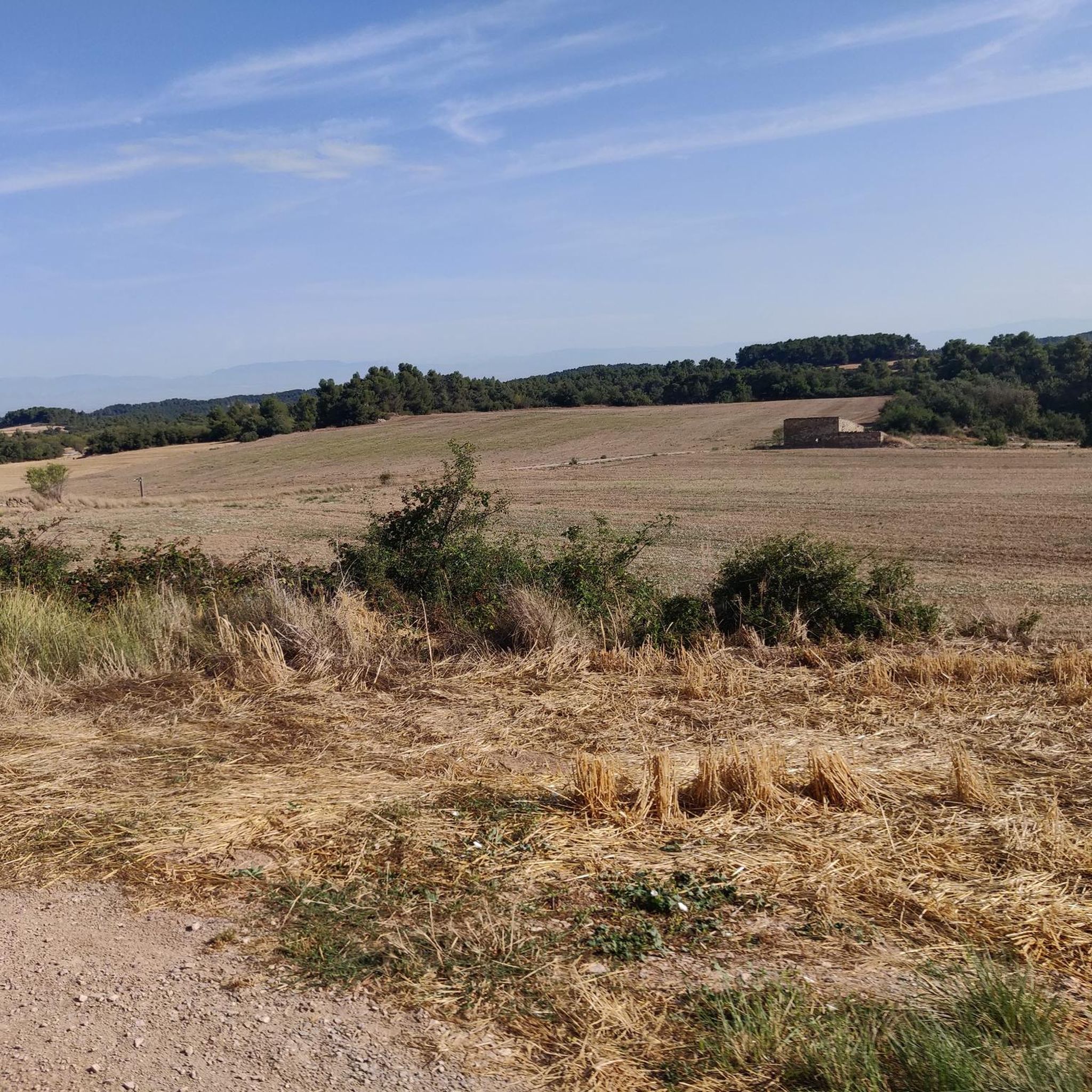
The drylands in the area are very beautiful and there are many possibilities for routes
0
0

The castle of Verdú is located in the heart of the town next to one of the most beautiful and unique churches in Catalonia, the church of Santa María de Verdú. The castle preserves different architectural elements: Romanesque, Gothic and Renaissance. We will find information panels, but I recommend hiring the guided tour at the Verdú tourist office.
0
0
We are at the Castle of Bellpuig, a place with charm and history that we must visit along with the medieval and Renaissance surroundings of the town of Bellpuig, located in the Urgell region. Apart from the castle, we can visit the parish church of Sant Nicolau from the 16th century.
0
0

During the Roman era, Arbeca was a civitas and on top of the Castle hill there was a Roman fortress and defense, the castrum. With the arrival of the barbarians and the Goths, the castrum became a point of surveillance and Goth protection. With the Andalusians it became a powerful Arab bastion and a strategic place of the taifa de Siurana opposite the domains of the Count of Urgell. The latest research on the origin of the name of Arbeca points to a mixed Roman and Arabic etymology. It refers to the geographical situation as the territory of the beak, house of the hill or tip of the hill. DARBE-CA formed by the Latin BECCA and the Arabic DAR. arbecaturisme.cat/paratge/castell-palau-arbeca
0
0
Frequently Asked Questions
What kind of castles can I expect to see in Sant Martí de Riucorb?
The castles in Sant Martí de Riucorb offer a journey into the region's medieval past. While many have been reformed or have few original vestiges, they provide insights into the powerful families who once controlled the area. You'll find historical remnants, unique castle-houses, and medieval urban layouts that developed around these structures.
Which castles are most significant for their historical background?
The Castell de Sant Martí de Maldà is historically significant, documented since 1135 and linked to powerful families like the Cardonas. Although largely reformed, its remnants, including a granary and a transformed Romanesque chapel, offer a tangible link to the town's origins. Another notable site is Bellpuig Castle, which preserves remains of a 16th-century residential fortress with origins dating back to the 11th century.
Are there any castles with unique architectural features?
Yes, the Castell de Rocafort de Vallbona, documented since the 13th century, is notable for its unique semicircular building and a cistern excavated into the rock, showcasing medieval construction techniques. Additionally, Verdú Castle preserves a mix of Romanesque, Gothic, and Renaissance architectural elements.
What outdoor activities can I do near the castles?
The region around Sant Martí de Riucorb offers various outdoor activities. You can explore hiking trails, including routes like 'La Baronia de Maldà — Circular Route PR-C 57'. There are also MTB trails and running routes that allow you to discover the natural features and historical sites of the Corb river valley.
Are there specific hiking trails near the castles?
Yes, you can find hiking opportunities near several castles. For instance, the 'La Baronia de Maldà — Circular Route PR-C 57' is a moderate 15.7 km hike that passes through the area. While specific trails directly to every castle might vary, the general region offers numerous routes to explore the historical landscape. You can find more details on hiking around Sant Martí De Riucorb.
What is the best time of year to visit the castles in Sant Martí de Riucorb?
The best time to visit the castles and explore the region is generally during spring and autumn when the weather is mild and pleasant for walking and outdoor activities. Summer can be hot, while winter might offer a different, quieter experience, though some facilities or opening hours could be reduced.
Are there family-friendly activities or castles suitable for children?
While the castles themselves are primarily historical sites, exploring the old towns that grew around them, such as the medieval portals within the 'vila closa' of Sant Martí de Maldà, can be an engaging experience for families. The surrounding natural areas also offer opportunities for family-friendly walks and outdoor exploration.
Where can I park when visiting the castles?
Parking availability varies by location. For the Castell de Sant Martí de Maldà, you can typically find parking within the town of Sant Martí de Maldà, which developed around the castle's nucleus. For other sites like Castell de Rocafort de Vallbona, parking might be available in the nearby villages. It's advisable to check local signage upon arrival.
Can I find viewpoints or natural features near the castles?
Yes, the castles are situated within the Corb river valley, offering scenic views of the surrounding landscape. The region's terrain provides opportunities to discover natural features and panoramic vistas, especially along the various hiking and cycling routes. For example, the drylands in the area around Verdú Castle are known for their beauty.
Are there any guided tours available for the castles?
For some castles, such as Verdú Castle, information panels are available, and guided tours are recommended and can be arranged through the Verdú tourist office. For other sites, the experience is often self-guided, allowing you to explore the historical remnants and medieval urban fabric at your own pace.
How long should I plan for a visit to the castles?
The time needed to visit depends on the castle and your interest. For sites like the Castell de Sant Martí de Maldà or Castell de Rocafort de Vallbona, where remnants are integrated into the town, you might spend 1-2 hours exploring the site and its immediate surroundings. For a more comprehensive visit including multiple castles and nearby towns, a full day or more is recommended.
What are some lesser-known or 'hidden gem' castles in the area?
While not fully preserved, the Castell de Rocafort de Vallbona could be considered a hidden gem due to its unique semicircular architecture and rock-hewn cistern. Its distinctive design offers a different perspective compared to more traditional castle ruins. Exploring the medieval portals within the old town of Sant Martí de Maldà also reveals less obvious historical details.
Most popular routes around Sant Martí De Riucorb
Most popular attractions around Sant Martí De Riucorb

Get inspired with the komoot mobile app


Explore more
Looking for the best castles somewhere else? Discover other guides around Sant Martí De Riucorb:
