Attractions and Places To See around Pacs Del Penedès - Top 20
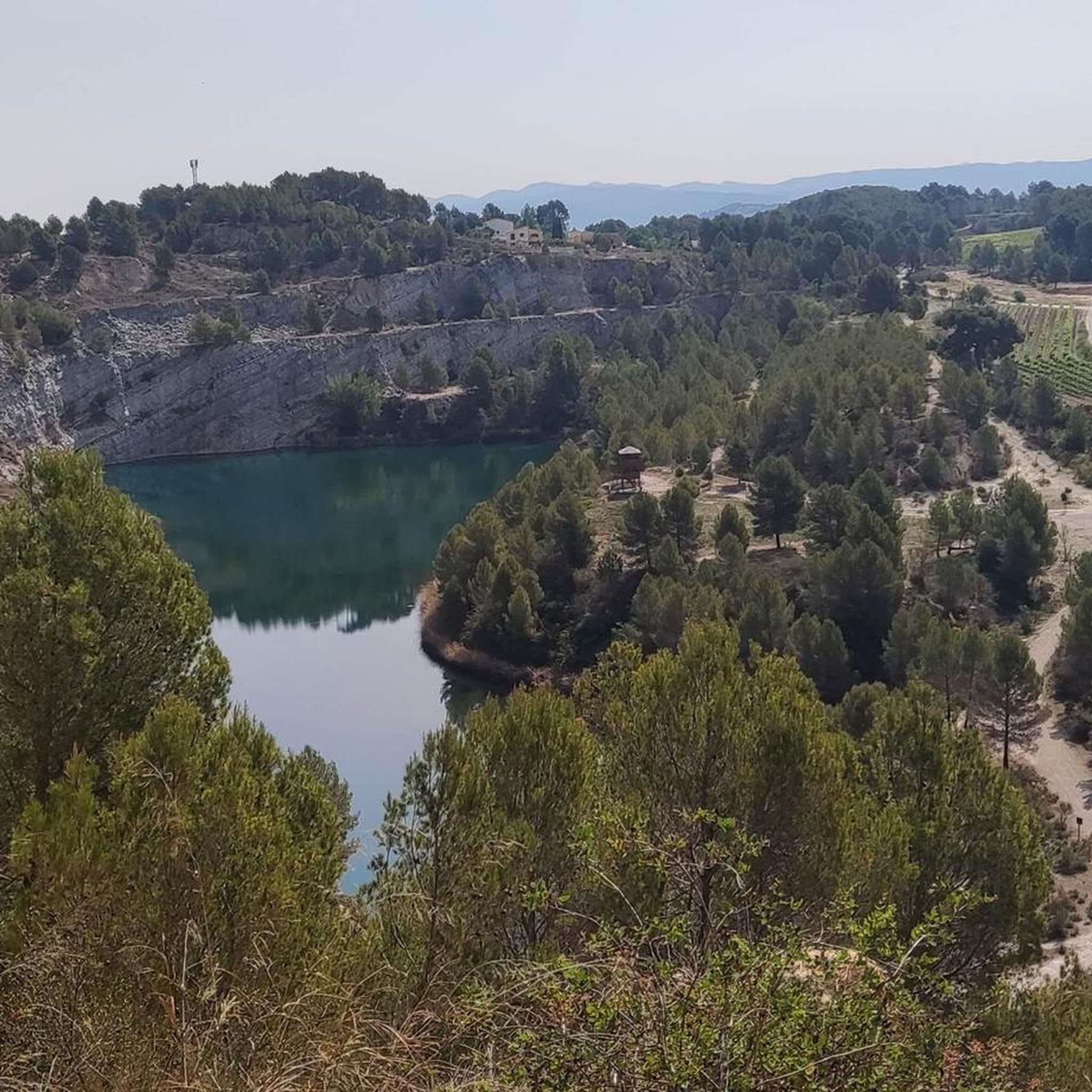
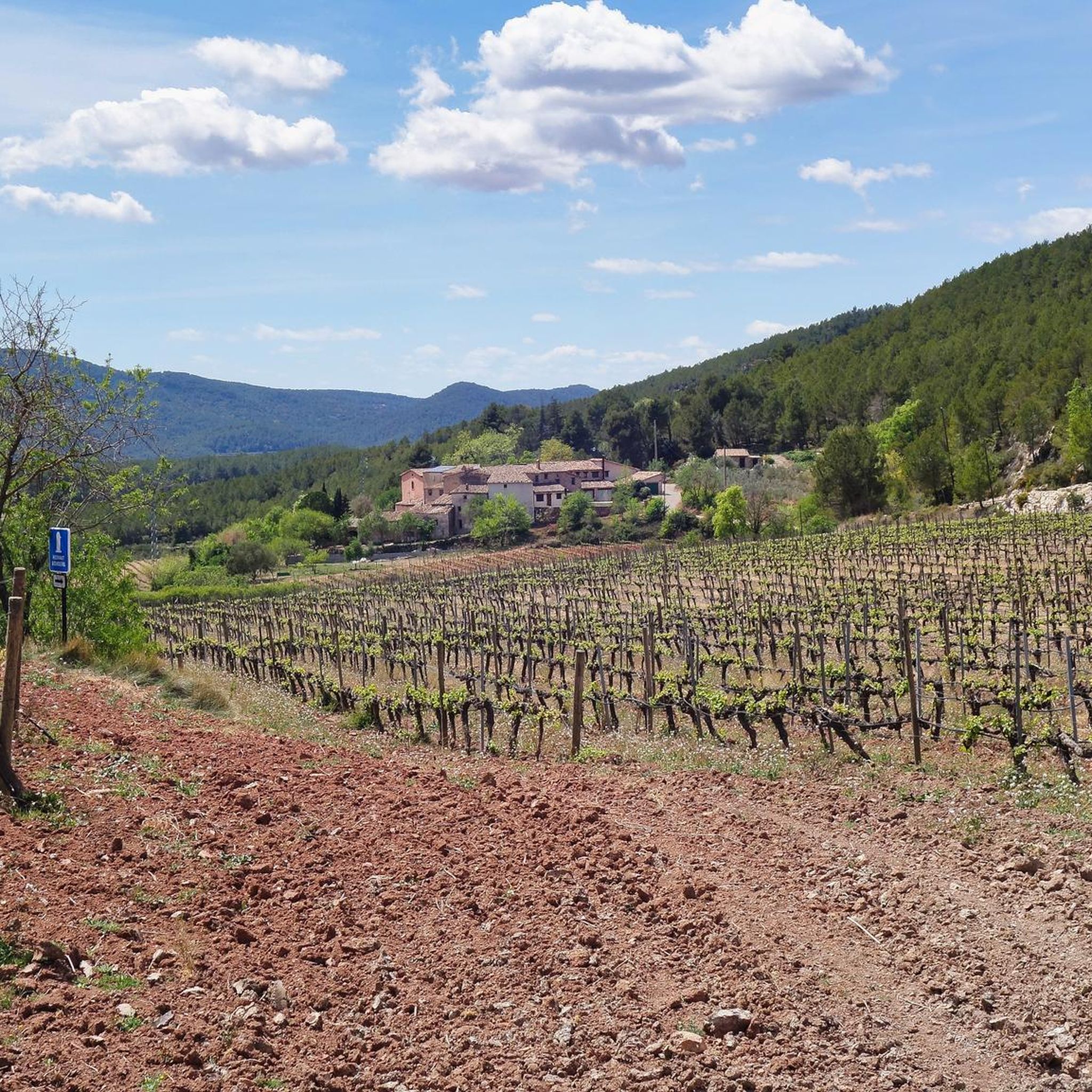
Best attractions and places to see around Pacs Del Penedès, a municipality in the Alt Penedès region of Catalonia, is known for its winemaking tradition. The area offers a combination of cultural, historical, and natural attractions. Visitors can explore extensive vineyards, historical sites, and unique natural features within the town and its surroundings. The landscape includes panoramic viewpoints and distinct ecosystems formed by ancient gypsum extraction.
Best attractions and places to see around Pacs Del Penedès
- The most popular attractions…
Last updated: July 6, 2026
Puig de l'Àliga
Highlight • Summit
Translated by Google •
Tip by

Saint Stephen's Church, Les Masuques
Highlight • Religious Site
Translated by Google •
Tip by

Sign up now to discover places like this
Get recommendations on the best single tracks, peaks, & plenty of other exciting outdoor places.
Sign up for free
Monastery of San Sebastián de los Gorgs
Highlight • Religious Site
Showing Translation
Tip by
Gran Pèlag of Vilobí del Penedès
Highlight • Lake
Translated by Google •
Tip by

L'Avellà
Highlight • Settlement
Translated by Google •
Tip by
Sign up for free to discover even more attractions around Pacs Del Penedès.
Sign up for free
Already have an account?
Start today with a free account
Your next adventure awaits.
Login or Signup
Tips from the Community


It is a beautiful town in a very pleasant and quiet place, with very beautiful landscapes and views. You have to enjoy these places to practice cycling.
0
0


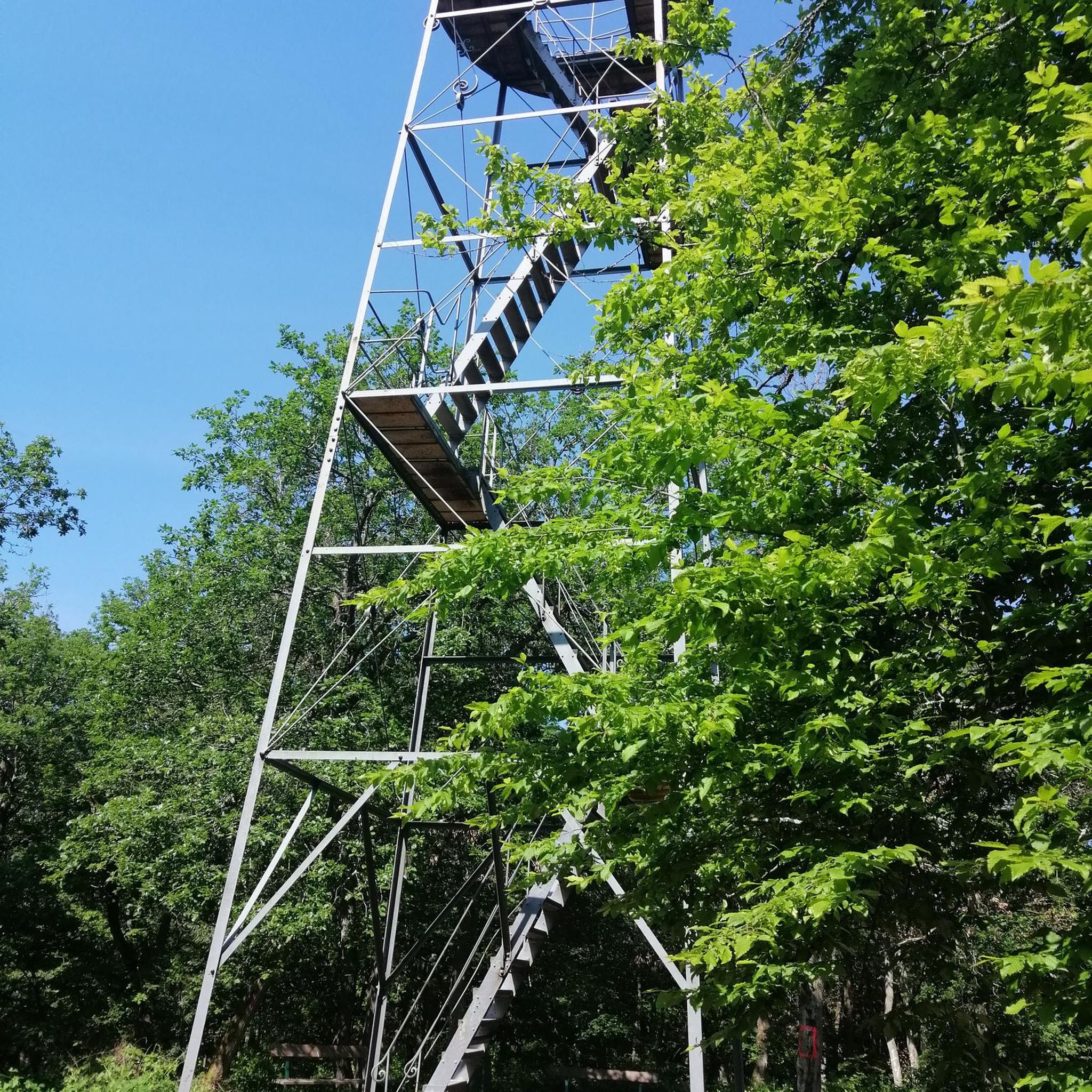
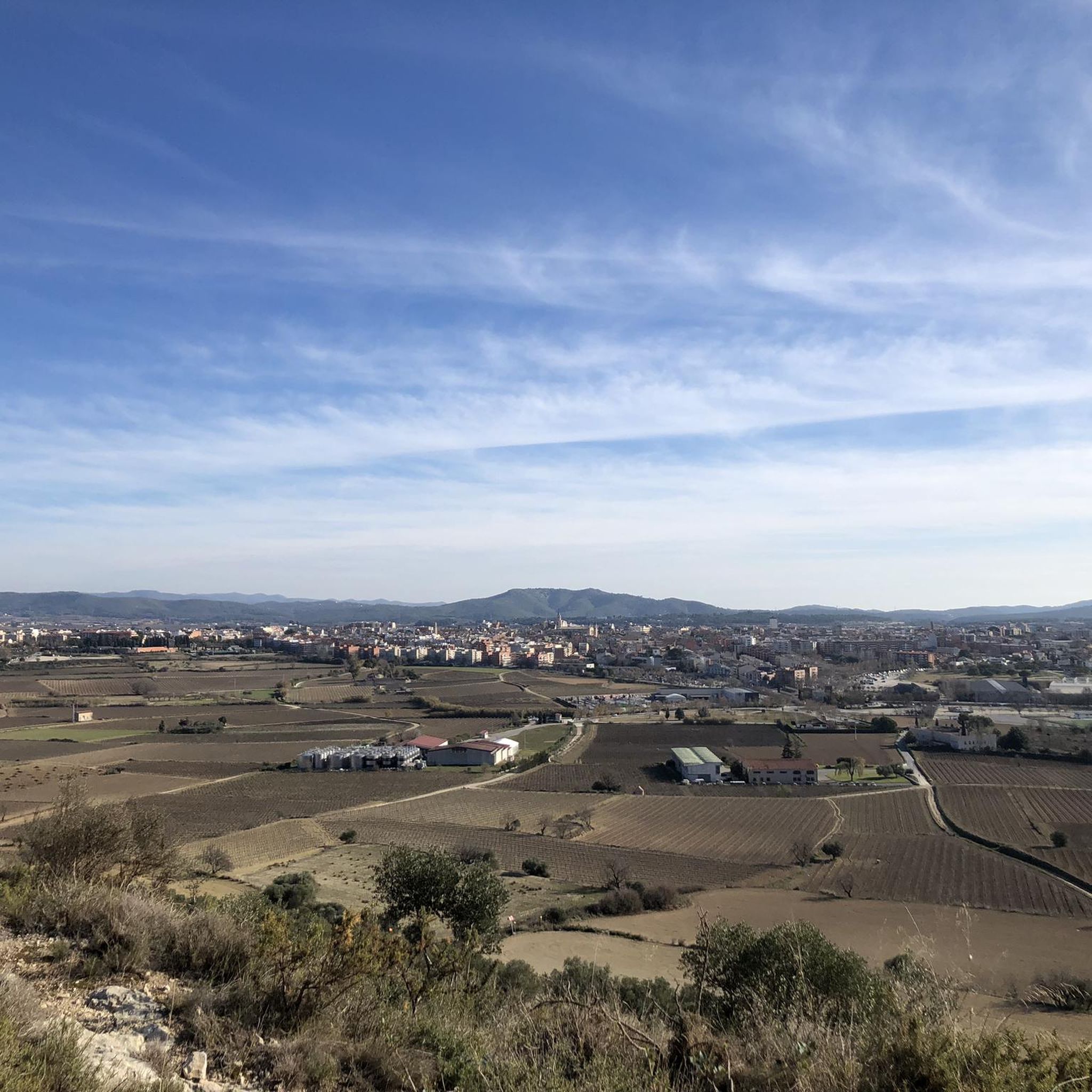
The Puig de l'Àliga, at 464 meters above sea level, is not the highest peak of the Garraf, that honor goes to the Puig de la Mola (534 meters), but it is the highest of the foothills southern parts of the Garraf massif. It forms a natural border between the regions of Alt Penedès and Garraf and is a natural viewpoint of both the Penedès plain and the Garraf coast. At its highest point there is a geodesic vertex, a large cross, and a fire watch tower.
2
0

Sant Esteve also Sant Esteve de Castellet is a church near the village of Masuques in the municipality of Castellet i la Gornal (Alt Penedès) protected as a cultural asset of local interest. Sant Esteve de Castellet is the old parish of the town, before it became dependent on the church of Sant Pere. "S. Stephani de Castelleto" appears already mentioned since the 10th century as a possession of the monastery of Sant Cugat del Vallès. It seems that the construction preserved today was made later, replacing the first church. The building has undergone renovations over the years, mainly with regard to the main facade, which currently appears much modified. The church is located It is a building with a single nave, covered with a barrel vault on toral arches, an octagonal dome with a bell tower, and a roof on two sides. There are three apses, the central one of which is much larger, and has a semi-circular arched window in the central part. The main facade has, as the only remarkable element, a semi-circular arch access door with stone lintels.
0
0
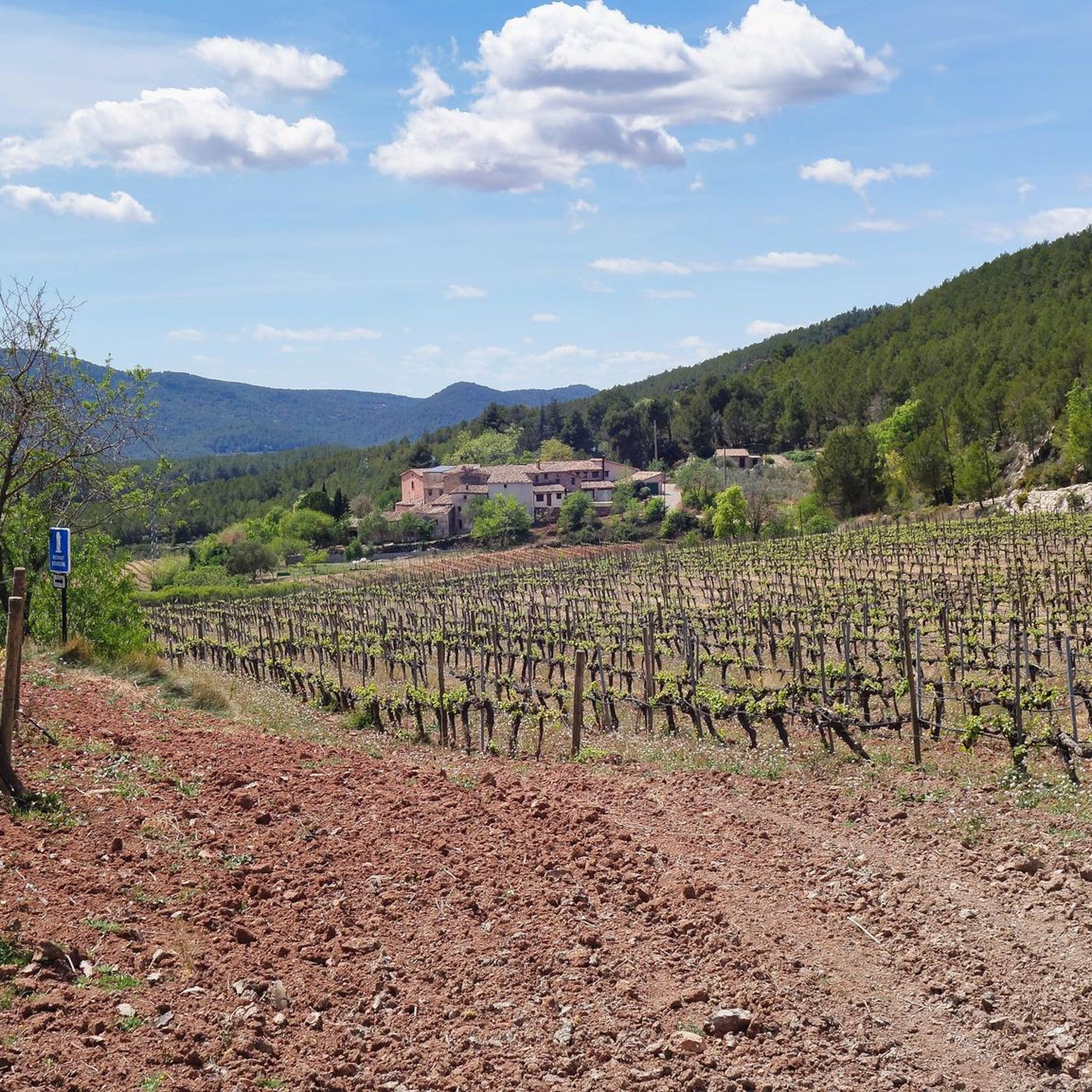
This small nucleus, belonging to the municipality of Avinyonet del Penedès, is primarily known for housing an old Benedictine monastery. It is a complex formed by a single-nave church, with a chapel, bell tower, and a cloister of great sculptural value. Another notable construction is Cal Bou, a 1893 building with a quadrangular floor plan and striking glazed ceramic decorations and cornices that separate the floors.
1
0
This Romanesque monastery was founded in the year 1030 in the old pre-Romanesque chapel of dels Gorgs, to which a bell tower was added during its renovation. Between 1977 and 1981 the cloister was restored, recovering its original appearance, and in a second phase, between 2000 and 2002 the bell tower was restored. A third restoration between 2010 and 2011 protected the cloister with a new roof.
1
0
The church of Sant Esteve de les Masuques has been documented since the year 976, between the 10th and 12th centuries it was the only parish in the area of Castellet. The building has undergone various reforms over the years, especially the façade. In addition to the church, there is a Roman site that includes a necropolis with inscriptions and a milestone.
2
0
Frequently Asked Questions
What natural features can I explore around Pacs del Penedès?
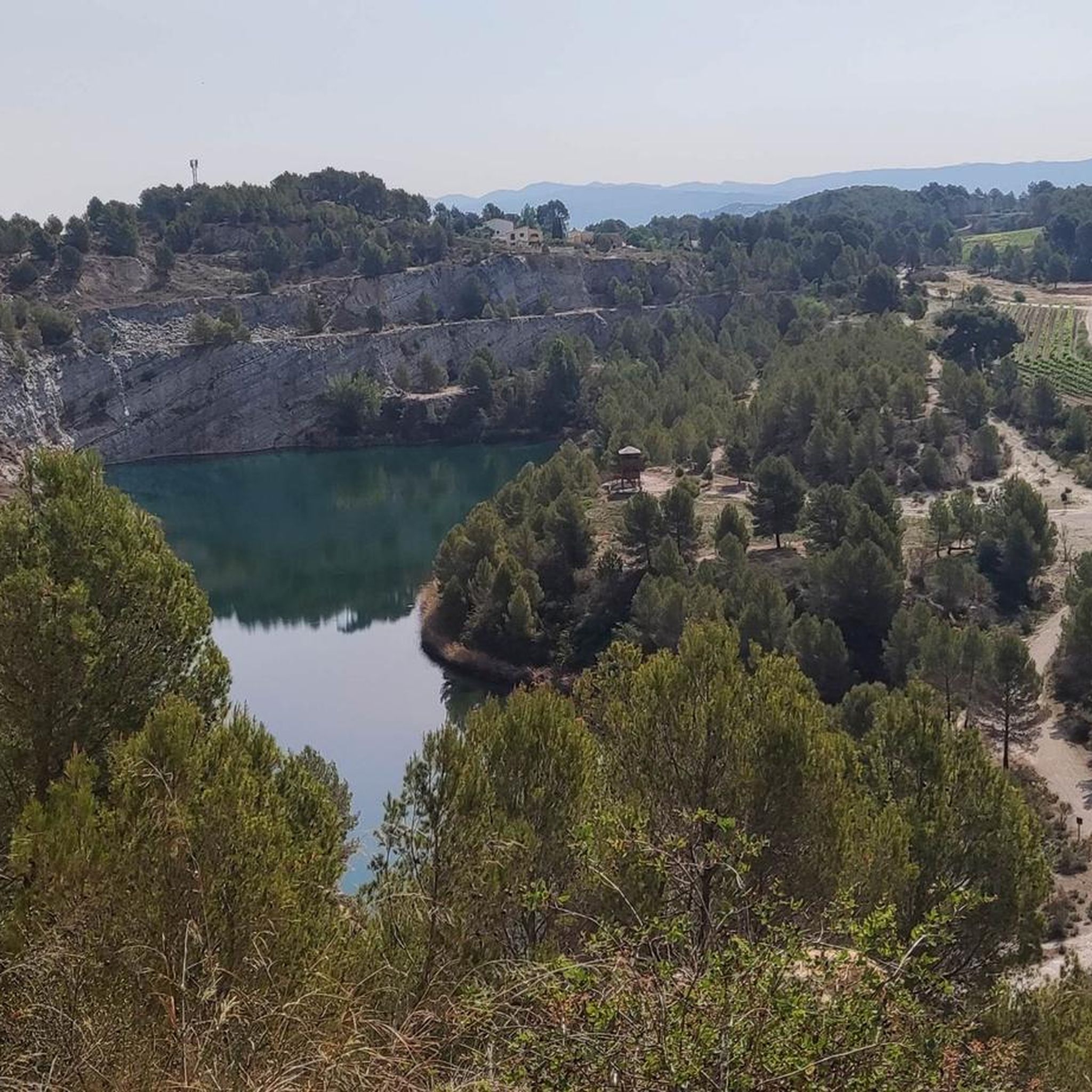
You can discover unique natural spaces like the Gran Pèlag of Vilobí del Penedès, which features four lagoons formed by ancient gypsum extraction, creating a distinct ecosystem. The area is also surrounded by extensive vineyards, offering scenic walks and cycling routes.
What cultural and historic sites are worth visiting near Pacs del Penedès?
The area is rich in history. You can visit Saint Stephen's Church, Les Masuques, documented since 976 and featuring a Roman site with a necropolis. Another significant historical site is the Monastery of Saint Sebastian of the Gorgs, a Romanesque monastery founded in 1030 with notable cloister and bell tower restorations. The Old Town of Pacs del Penedès itself, centered around Plaça Major, has medieval origins.
Are there family-friendly attractions around Pacs del Penedès?
Yes, the Gran Pèlag of Vilobí del Penedès is considered family-friendly, offering an interesting natural space to explore. Additionally, the small settlement of L'Avellà is also noted as family-friendly, surrounded by vineyards and country houses, perfect for a leisurely stroll.
What outdoor activities can I do near these attractions?
The region is excellent for outdoor enthusiasts. You can find numerous routes for road cycling, gravel biking, and running. For example, explore the "Villafranca del Penedés – circular route through castles, churches, and monasteries" for road cycling, or try "The south of the plain in gravel" for gravel biking. Runners can enjoy routes like "Campos de las Viñas de la Bleda — circular por el Río de Foix." You can find more details on these activities on the respective guide pages for Road Cycling, Gravel Biking, and Running Trails around Pacs del Penedès.
Are there any viewpoints offering panoramic views of the region?
Absolutely. The Puig de l'Àliga summit offers breathtaking panoramic views of both the Penedès plain and the Garraf coast. Additionally, the viewpoints of Coll de la Serra and Puig de Sant Jaume provide excellent vistas of the central Penedès plain.
What unique collections or museums can I visit in the area?
In Pacs del Penedès, the Casa de Cultura houses the remarkable Josep Rabanillo Typewriter Collection, considered Europe's best, with over 380 working machines. Nearby in Vilafranca del Penedès, you can visit VINSEUM, the Museum of Wine Cultures of Catalonia, located in the historic Palau Reial.
What are the options for wine tourism in the Pacs del Penedès region?
Pacs del Penedès is at the heart of the Penedès wine region, famous for its Cava and Penedès Designation of Origin wines. Many local wineries, such as Bodegas Parés Baltà and Gramona, offer guided tours and wine tastings. Bodega Familia Torres, near Vilafranca del Penedès, also provides a comprehensive wine and nature experience.
Are there hiking trails near Pacs del Penedès?
Yes, the area offers various hiking trails, including the "Ruta de los Viñedos" which connects different wineries. You can also enjoy walking along the rural paths that connect Pacs del Penedès with Vilafranca del Penedès, immersing yourself in the agricultural landscape. For specific running trails, check the Running Trails around Pacs Del Penedès guide.
Can I go cycling around Pacs del Penedès?
The region is very popular for cycling, with routes through vineyards and rural roads. You can find options for both road cycling and gravel biking. Explore routes like "Masia Can Sadurní – Sitges Beach and Promenade loop" for road cycling or "Gravel from the balcony of Penedès" for gravel biking. More routes are available in the Road Cycling Routes and Gravel biking around Pacs Del Penedès guides.
What do visitors enjoy most about the attractions around Pacs del Penedès?
Visitors particularly appreciate the stunning panoramic views from spots like Puig de l'Àliga, often noting the breathtaking scenery. The unique natural environment of the Gran Pèlag of Vilobí del Penedès also receives positive feedback for its distinct ecosystem. The historical significance of sites like Saint Stephen's Church, Les Masuques, and the peaceful atmosphere of the Monastery of Saint Sebastian of the Gorgs are also highly valued.
Are there any easy hiking trails suitable for all skill levels?
While many trails traverse the vineyards, some routes are designed for easier access. For instance, the "Campos de las Viñas de la Bleda — circular por el Río de Foix" running trail is rated as easy and offers a pleasant walk through the landscape. Many rural paths connecting towns are also generally flat and accessible for leisurely strolls.
Are there any dog-friendly walks in the Pacs del Penedès area?
The extensive network of rural paths and vineyard trails around Pacs del Penedès are generally dog-friendly, offering plenty of space for walks. Areas like the paths leading to Vilafranca del Penedès or around the vineyards are ideal for enjoying with your dog. Always ensure your dog is on a leash and respect local regulations.
What is the best time to visit the wineries in Pacs del Penedès?
The Penedès region's wineries are generally enjoyable year-round. However, late spring (May-June) offers pleasant weather for vineyard walks and fewer crowds, while autumn (September-October) is harvest season, providing a vibrant atmosphere and unique experiences like grape stomping events. Summer can be hot, but many wineries offer air-conditioned tours and tastings.
Most popular routes around Pacs Del Penedès
Most popular attractions around Pacs Del Penedès

Get inspired with the komoot mobile app


Explore more
Still not found the Highlight you’re looking for? See guides of the top attractions in other regions:
