The best cycling routes around Kalkense Meersen
4.2
(1226)
13,053
riders
591
rides
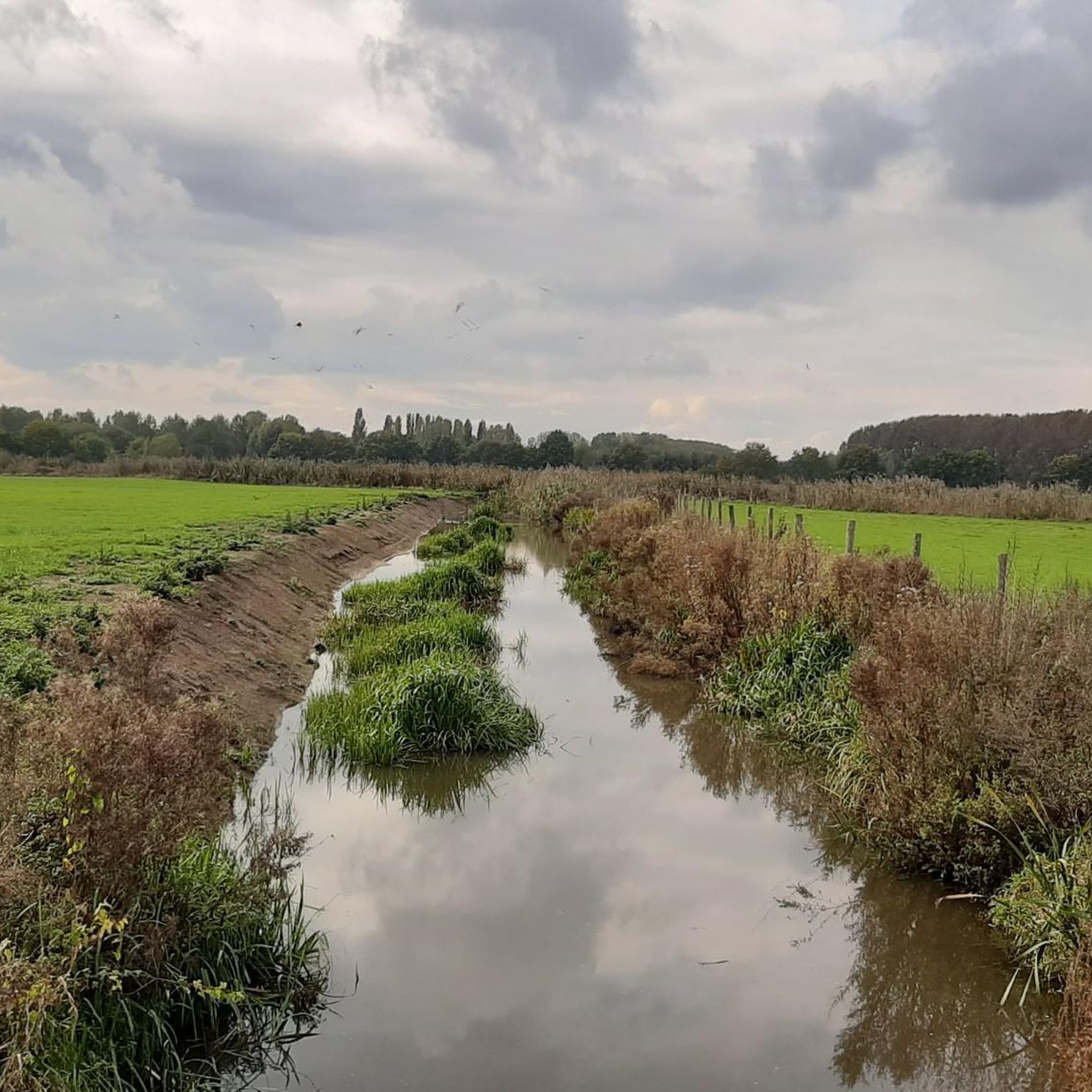
Touring cycling around Kalkense Meersen is characterized by its expansive, low-lying grasslands and a mosaic of reedy edges and pollarded willows, set within the former floodplains of the Scheldt river. This region, part of the Scheldevallei National Park, features predominantly flat terrain, offering open views and a sense of tranquility. The landscape is crisscrossed by ditches and canals, with the Scheldt river and its old arms contributing to the serene scenery.
Best touring cycling routes around Kalkense Meersen
- The most popular touring cycling route is Kalkense Meersen Loop, a 22.9 miles (36.9 km) trail that takes 2 hours 10 minutes to complete. This route offers views of the low-lying grasslands and pollarded willows.
- Another top favourite among local touring cyclists is Scheldedijk near the Wijmeersen – Butterfly Garden at Donkmeer loop from Overmere, an easy 8.8 miles (14.1 km) path. This route follows riverbanks and passes through natural features of the area.
- Local touring cyclists also love the Donkmeer – Scheve Villa Berlare loop from Scheldt, a 7.6 miles (12.2 km) trail leading through the Donkmeer area and along the Scheldt, often completed in about 43 minutes.
- Touring cycling around Kalkense Meersen is defined by low-lying grasslands, pollarded willows, and the Scheldt river. The network offers options for easy, moderate, and difficult routes, catering to various ability levels.
- The routes in Kalkense Meersen are highly rated by the komoot community with an average score of 4.2 stars from over 1,000 reviews. More than 13,000 touring cyclists have used komoot to explore Kalkense Meersen's varied terrain.
Last updated: May 24, 2026
4.2
(22)
109
riders
36.9km
02:11
60m
60m
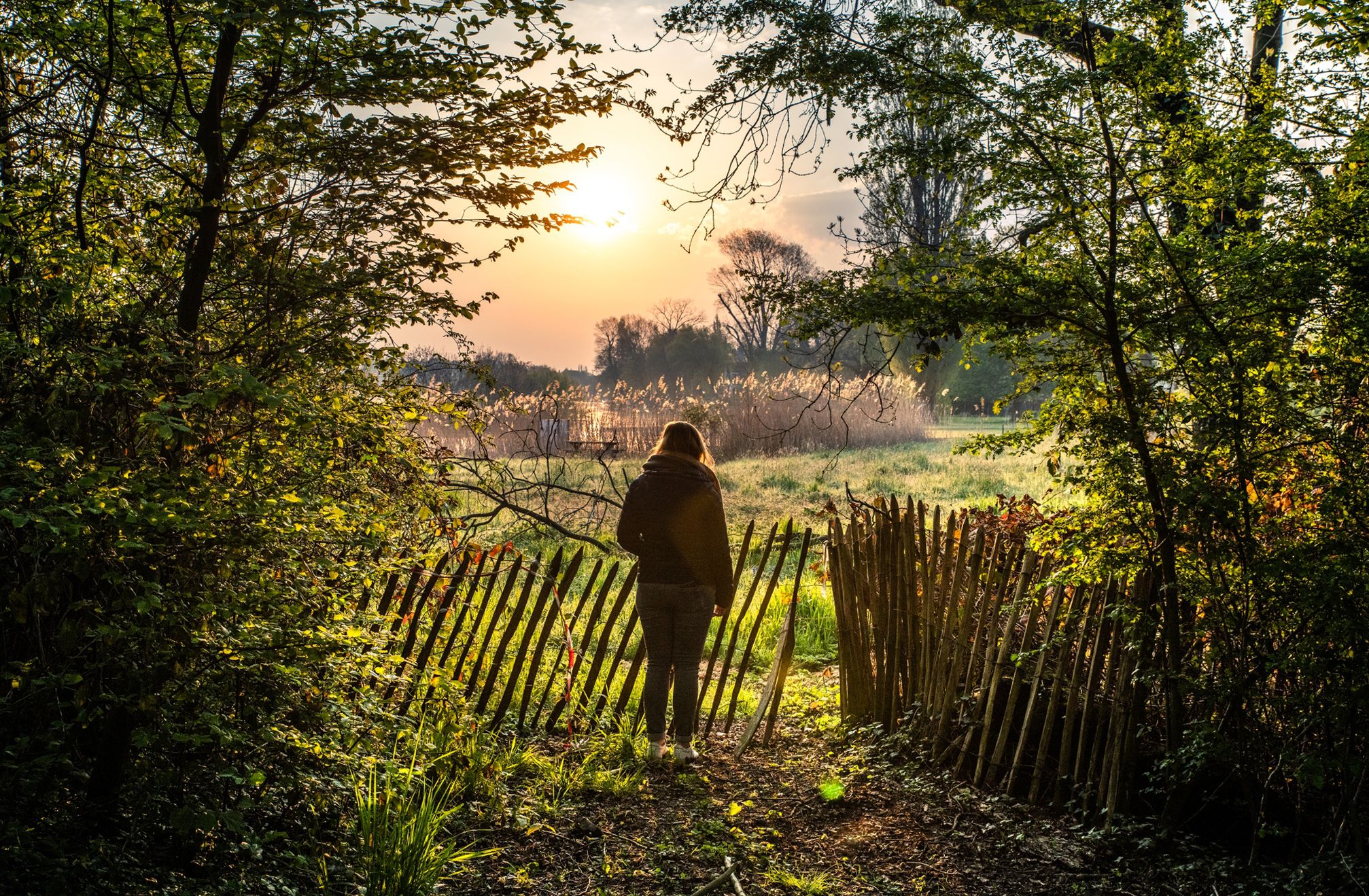
This moderate 22.9-mile touring bike route in Antwerp features the unique Schellebelle ferry, serene riverbanks, and the Kalkense Meersen.
4.8
(5)
64
riders
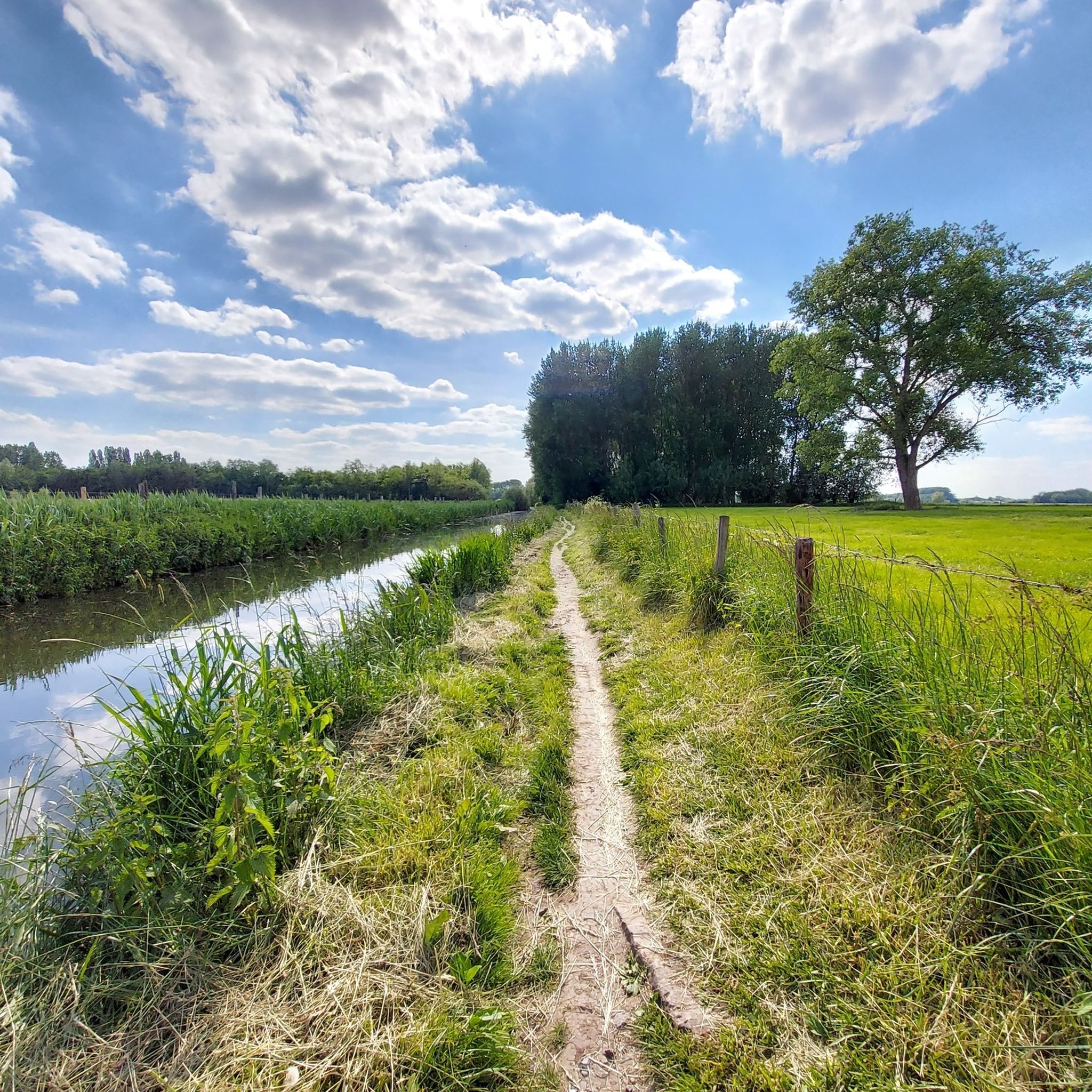
Easy bike ride. Great for any fitness level. Mostly paved surfaces. Suitable for all skill levels.

Sign up for free
5.0
(1)
23
riders
14.1km
00:53
20m
20m
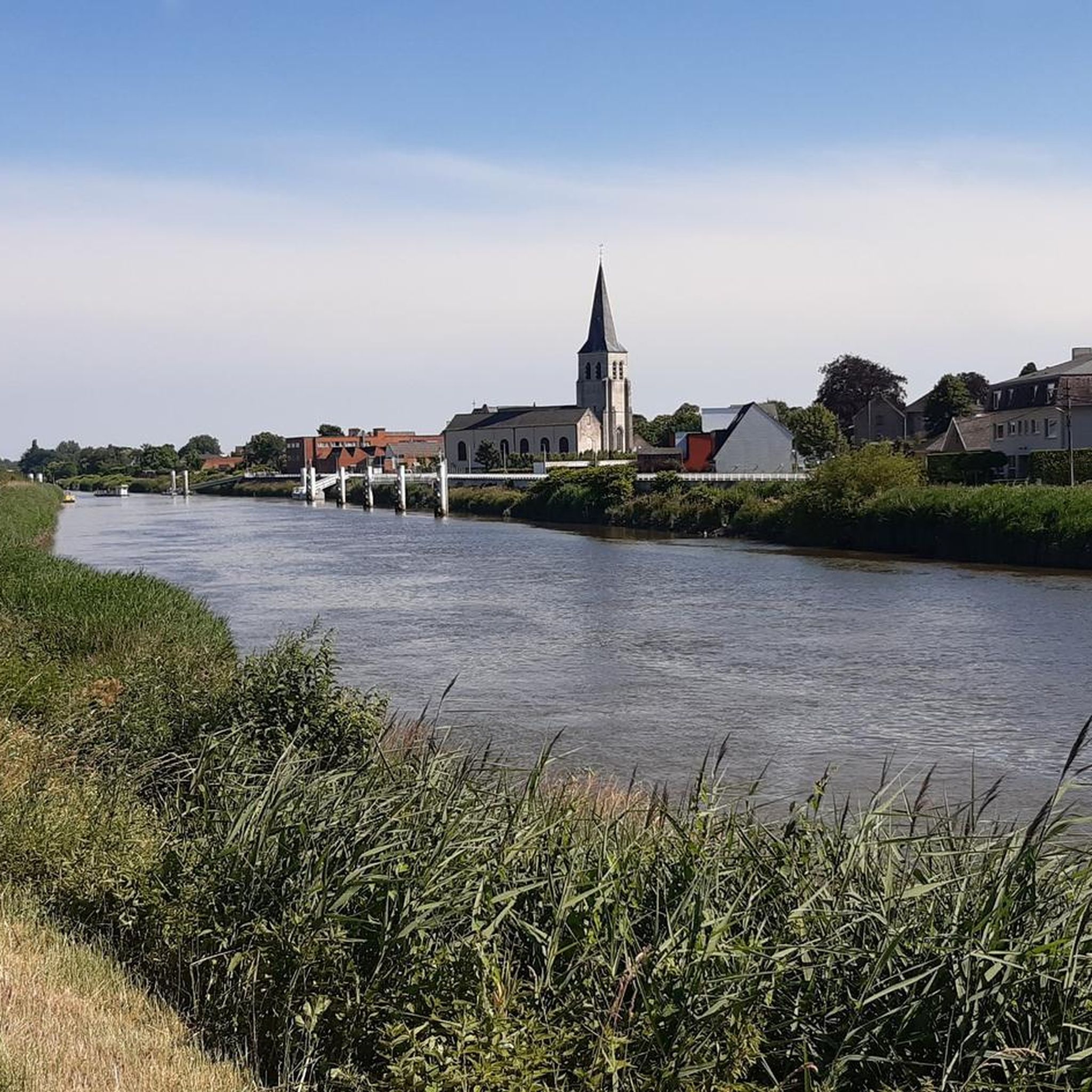
Easy bike ride. Great for any fitness level. Mostly paved surfaces. Suitable for all skill levels.
3.0
(1)
14
riders
12.3km
00:45
20m
20m
Easy bike ride. Great for any fitness level. Mostly paved surfaces. Suitable for all skill levels.
5.0
(3)
9
riders
Moderate bike ride. Good fitness required. Mostly paved surfaces. Suitable for all skill levels.
Get access to more routes and recommendations from other explorers.
Sign up for free
Already have an account?
Our route recommendations are based on thousands of hikes, rides, and runs completed by other people on komoot.
Start today with a free account
Your next adventure awaits.
Login or Signup

Other adventures around Kalkense Meersen

Tips from the Community

On Friday, April 5, 1867, the Spletterenbrug was officially opened. Between Moerbeke and Lokeren, trains stopped in Daknam and Eksaarde. In Moerbeke, travelers could transfer to railway line 77 towards Zelzate or towards Sint-Gillis-Waas. That the intention was to one day double the 9-kilometer railway line to two tracks is still visible on the Spletterenbrug. Both bridge abutments are indeed twice as wide as the bridge deck itself. It never came to that. On the contrary. The railway line suffered during both world wars, causing traffic to be suspended for months. For example, retreating German soldiers blew up the bridge at the end of World War I. Less than a year after the armistice, in September 1919, the line was already restored and trains could run on the route again. In 1940, the Belgian army, in turn, tried to slow down the German advance by destroying the bridge. The bridge was repaired again. In 1971, the last train chugged along the route. After more than a century of train traffic, the tracks were dismantled and the route was redeveloped as a cycling and walking path from Lokeren to Moerbeke. The Spletterenbrug itself was preserved and restored in 2017. The seven layers of paint were removed, and the bridge regained its original, dark gray color. Source: industriecultuur.be
4
0

There's a concrete path in the middle. Although the surface is rough in two places, it's still easy to get around. Some of the trees have been removed, and the path has been partially repaved. Gravel is laid along the sides.
0
0
Nice paved route to cross the railway without having to wait.
0
0

The Paardeweide in Berlare is a vast nature reserve along the Scheldt River, part of the Sigma Plan and managed by the non-profit organization Durme. Once a polder with pastures and fields, it has been transformed into a dynamic landscape of wet grasslands, reed beds, open water, and alder swamp forests. As a flood control area (GOG), Paardeweide temporarily captures Scheldt water during high water levels, which not only contributes to water safety but also creates a rich habitat for birds, fish, amphibians, and plants.
5
0
I didn't immediately see a tractor lock, but the road is reserved for cyclists and pedestrians.
5
0
The Butterfly Garden at Donkmeer in Berlare is a subtle yet valuable tribute to biodiversity. Unlike tropical butterfly cages, this garden is an open, natural space that, with a few targeted interventions, has been transformed into a true butterfly paradise. Here, numerous native butterfly species flutter freely among colorful flowers and nectar plants, which provide not only food but also shelter.
5
0
The Donkmeer in Overmere is not just a picturesque body of water; it is a silent witness to centuries of labor and human perseverance. This area was once a vast peatland, where peat – dried peat used as fuel – was extracted by hand. This peat extraction shaped the landscape: deep pits were created where the peat had been removed, and these later filled with water, creating the Donkmeer. On the shore of the lake stands the bronze Turfstekerstandbeeld (Peat Cutter Statue), a powerful tribute to the men who performed this work. The statue, made by Michel Peleman, depicts a peat cutter in action – bent over his work, with simple clothing and tools. It is a reminder of a time when peat was the main means of heating, and when workers performed heavy manual labor day in and day out for meager wages. While they lived in simple huts around the lake, their bosses made fortunes from the peat trade.
6
0
The Donkmeer in Berlare is one of the largest lakes in Flanders and forms the beating heart of a versatile nature and recreation area. Originating from old peat extraction pits, the lake stretches over 86 hectares, of which approximately 30% is protected nature reserve. The area offers a beautiful backdrop of Scheldt nature, with fields, forests, marshes and a rich biodiversity. The Donkmeer is also a popular spot for birdwatchers, with numerous rare bird species residing in and around the water. Along the banks you will find cozy restaurants, including restaurants known for their eel dishes.
6
0
Frequently Asked Questions
How many touring cycling routes are available in Kalkense Meersen?
Kalkense Meersen offers a wide selection of touring cycling routes, with over 540 options available. These routes cater to various skill levels, including over 320 easy routes, 160 moderate routes, and 50 more challenging paths.
What kind of terrain can I expect when touring cycling in Kalkense Meersen?
The terrain in Kalkense Meersen is predominantly flat, characterized by low-lying, humid grasslands, reedy edges, and pollarded willows within the former floodplains of the Scheldt river. This makes it ideal for touring cyclists seeking scenic beauty without significant elevation changes. Routes often follow serene riverbanks and can include both paved and unpaved segments.
Are there easy touring cycling routes suitable for beginners or families?
Yes, Kalkense Meersen is well-suited for beginners and families, with over 320 easy routes. An excellent option is the Scheldedijk near the Wijmeersen – Butterfly Garden at Donkmeer loop from Overmere, an 8.8-mile (14.1 km) path that follows riverbanks and passes through natural features. Another easy route is the Donkmeer – Scheve Villa Berlare loop from Scheldt, which is 7.6 miles (12.2 km) long and leads through the Donkmeer area.
Can I find circular touring cycling routes in Kalkense Meersen?
Yes, many touring cycling routes in Kalkense Meersen are designed as loops, allowing you to start and end at the same point. A popular example is the Kalkense Meersen Loop, a 22.9-mile (36.9 km) route offering views of the grasslands and pollarded willows. Another circular option is the Viewing platform – Kalkense Vaart Gravel Path loop from Scheldt.
What natural features and wildlife can I observe while cycling?
Kalkense Meersen is a vital Natura 2000 protected area, offering rich wildlife viewing opportunities. You can spot diverse waterfowl like spoonbills and shovelers, and reed beds host species such as the bluethroat. The open grasslands are home to meadow birds like the black-tailed godwit. The landscape features extensive low-lying grasslands, pollarded willows, and the serene Scheldt river with its old arms. You might also encounter grazing Galloway cattle, used for nature management.
Are there specific viewpoints or observation platforms along the cycling routes?
Yes, there are excellent spots for panoramic views and birdwatching. An observation platform at the intersection of Tragelweg and Blokstraat, near the Roerdompbrug (Bittern Bridge), offers a unique view of the Kalkense Meersen. There's also a viewing tower on the old Schelde dedicated to nature conservationist Lieve Van Bockstael. You can find the Natuurpunt viewing platform at Blokstraat and the Oude Schelde.
Is Kalkense Meersen suitable for cycling with children?
Absolutely. The predominantly flat terrain and extensive network of paths make Kalkense Meersen very suitable for cycling with children. There are numerous easy routes, often on mostly paved surfaces, allowing families to enjoy the scenic beauty and tranquility safely. The unique experience of the Schellebelle Ferry can also be a fun highlight for children.
Can I bring my dog on the touring cycling routes in Kalkense Meersen?
While the region is a nature reserve, many public cycling paths are generally accessible for dogs on a leash. However, as it's a European Bird Directive area with sensitive wildlife, especially ground-nesting birds, it's crucial to keep dogs under strict control and on a leash at all times to protect the local fauna. Always check local signage for specific restrictions in certain areas.
What are the public transport options for reaching the Kalkense Meersen cycling routes?
The region is accessible by public transport, though specific connections might require some planning. Train stations in nearby towns like Schellebelle or Wetteren can serve as starting points, often with bus connections or short cycling distances to the Meersen. It's advisable to check current train and bus schedules for the most convenient access points.
Where can I park my car when visiting Kalkense Meersen for cycling?
Parking facilities are typically available in the villages surrounding Kalkense Meersen, such as Schellebelle, Kalken, or Berlare. These villages often have designated parking areas near popular access points to the cycling network. Look for parking near local amenities or trailheads.
Are there places to eat or drink near the cycling routes?
Yes, the nearby villages offer amenities including cafes and restaurants where you can stop for refreshments or a meal. These establishments are often found close to the main cycling routes, providing convenient breaks during your tour.
What is the best time of year to go touring cycling in Kalkense Meersen?
The Kalkense Meersen can be enjoyed year-round, but spring and early autumn are particularly pleasant for touring cycling. During these seasons, the weather is generally mild, and the natural landscape is vibrant. Spring offers blooming flora and active birdlife, while autumn provides beautiful colors. Summer can also be great, but be prepared for potentially warmer temperatures.
What unique experiences, like ferry crossings, can I have while cycling here?
A unique highlight is the free Schellebelle Ferry, which crosses the Schelde river. Incorporating this charming ferry service into your cycling route provides a different mode of transport and a memorable experience. The region's tranquility and open landscapes also offer a peaceful escape, making it one of the last quiet areas in East Flanders.
What do other cyclists say about their experience in Kalkense Meersen?
The touring cycling routes in Kalkense Meersen are highly rated by the komoot community, with an average score of 4.2 stars from over 1,000 reviews. Reviewers often praise the serene landscapes, the flat and accessible paths, and the abundant opportunities for birdwatching and connecting with nature. Over 13,000 touring cyclists have used komoot to explore the varied terrain of Kalkense Meersen.
Are there any historical or cultural points of interest along the routes?
While primarily known for its natural beauty, the area also has subtle historical and cultural elements. You might encounter structures related to the Sigmaplan, a project for flood protection that also benefits local nature. Additionally, you can find monuments like the V1 Monument 1944 and the Corona Memorial, offering glimpses into the region's past.
Most popular routes around Kalkense Meersen
Most popular attractions around Kalkense Meersen

Get inspired with the komoot mobile app


Explore more
Browse the best Cycling routes in other regions.
