The best cycling routes around Benaoján
4.6
(169)
2,273
riders
98
rides
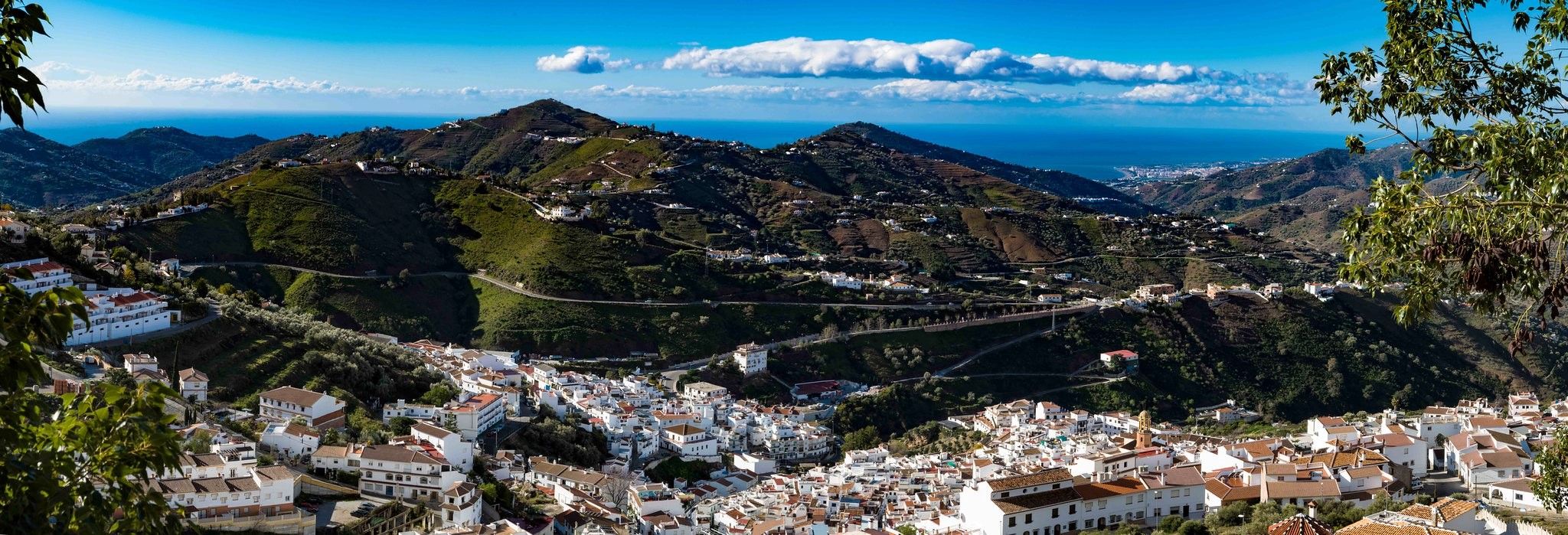
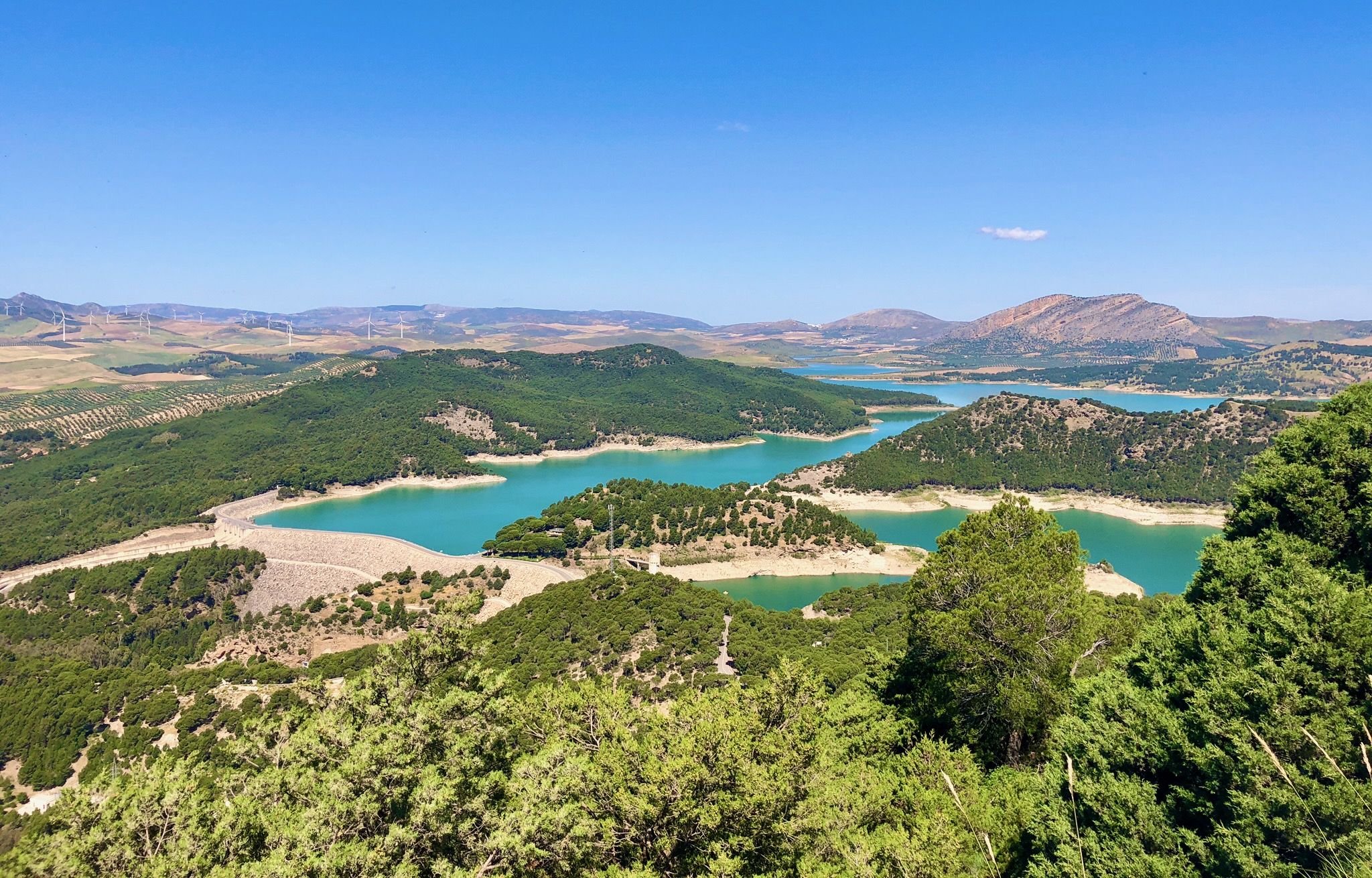
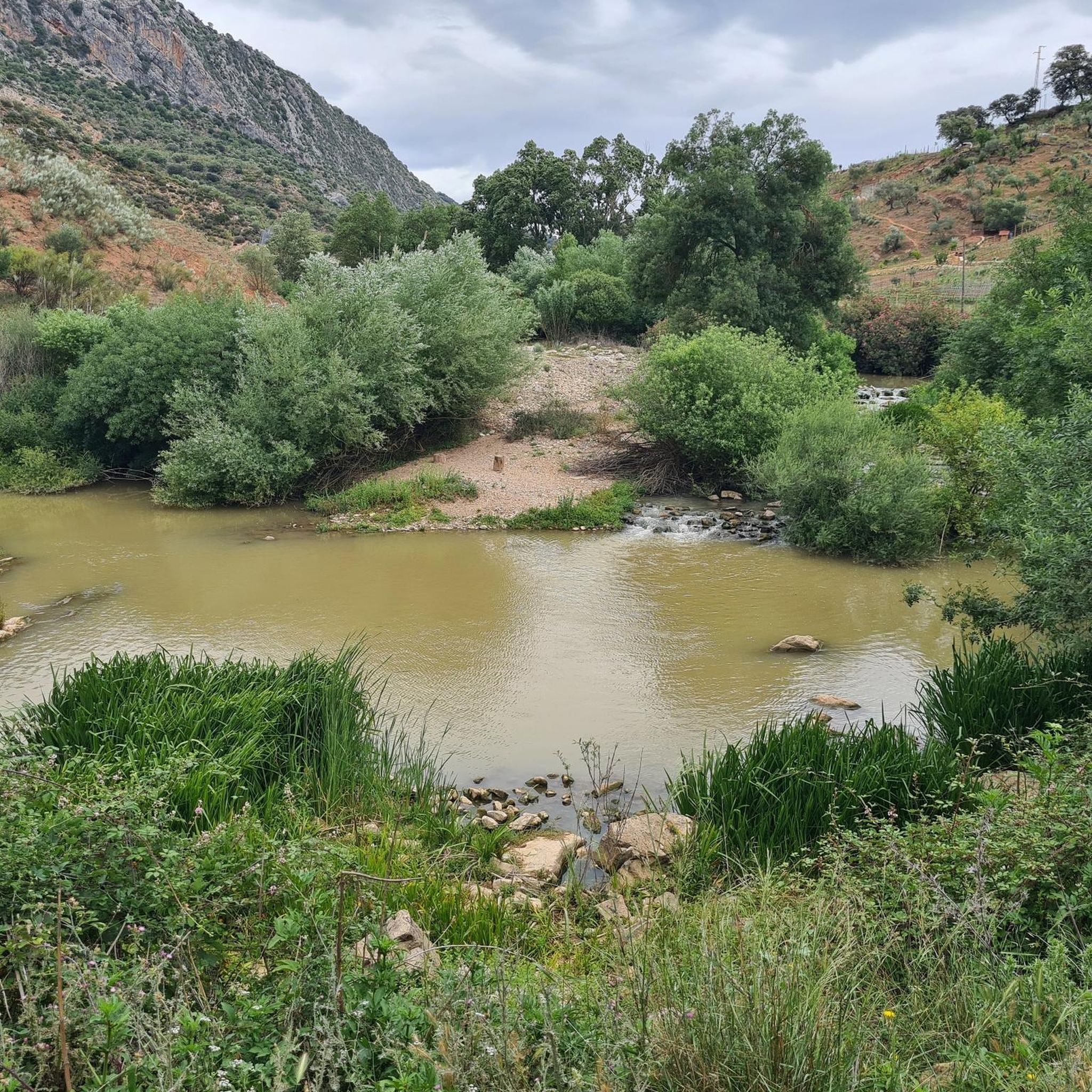
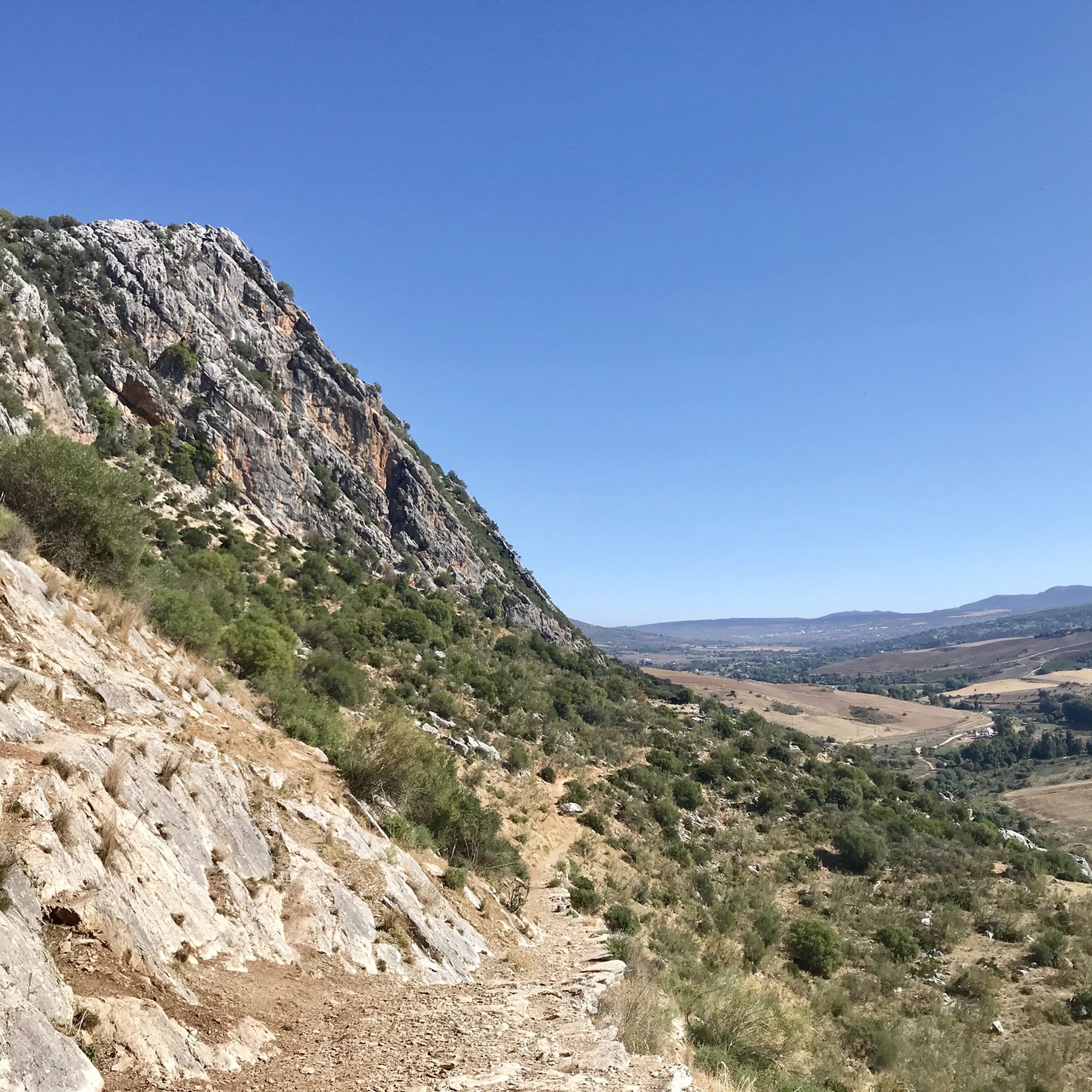
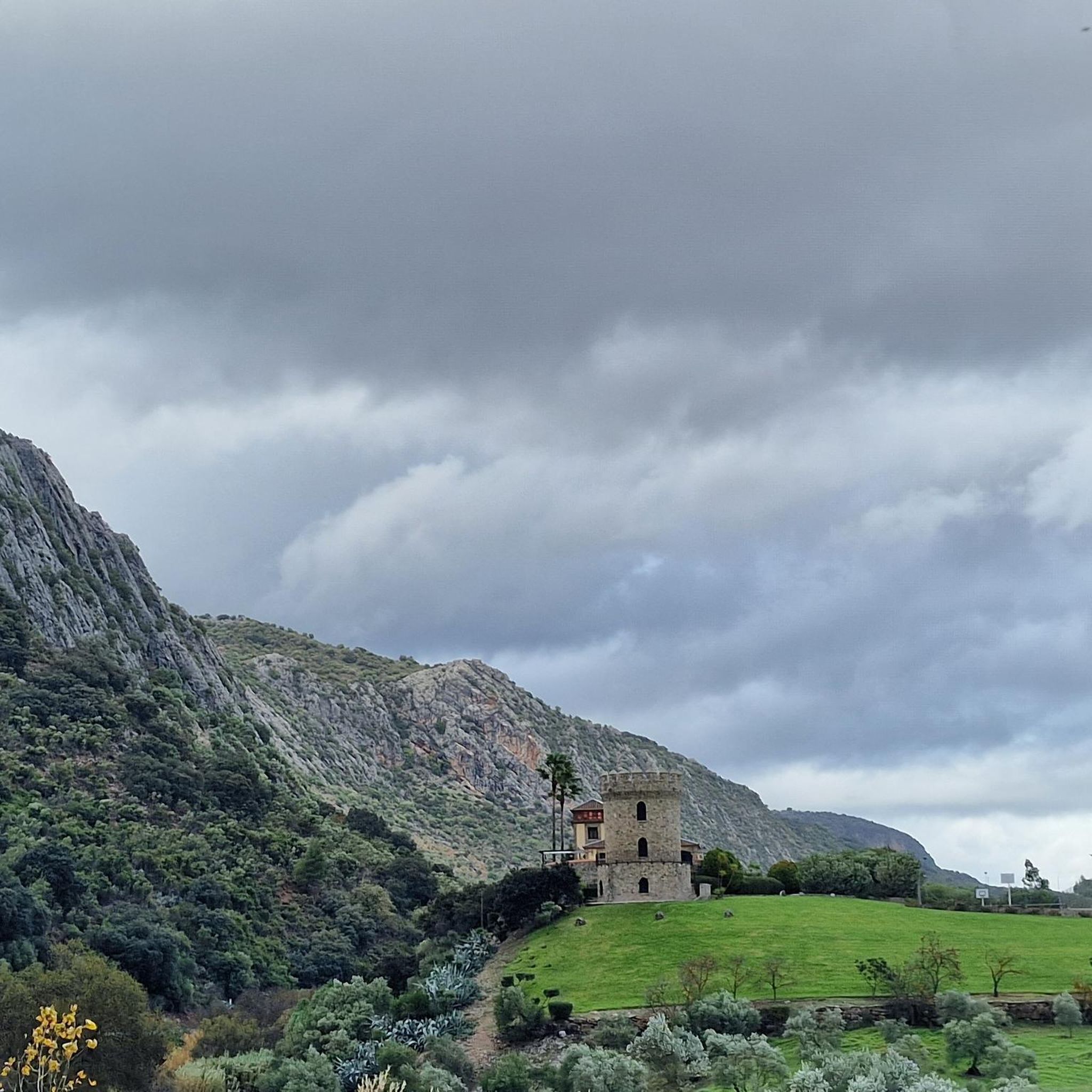
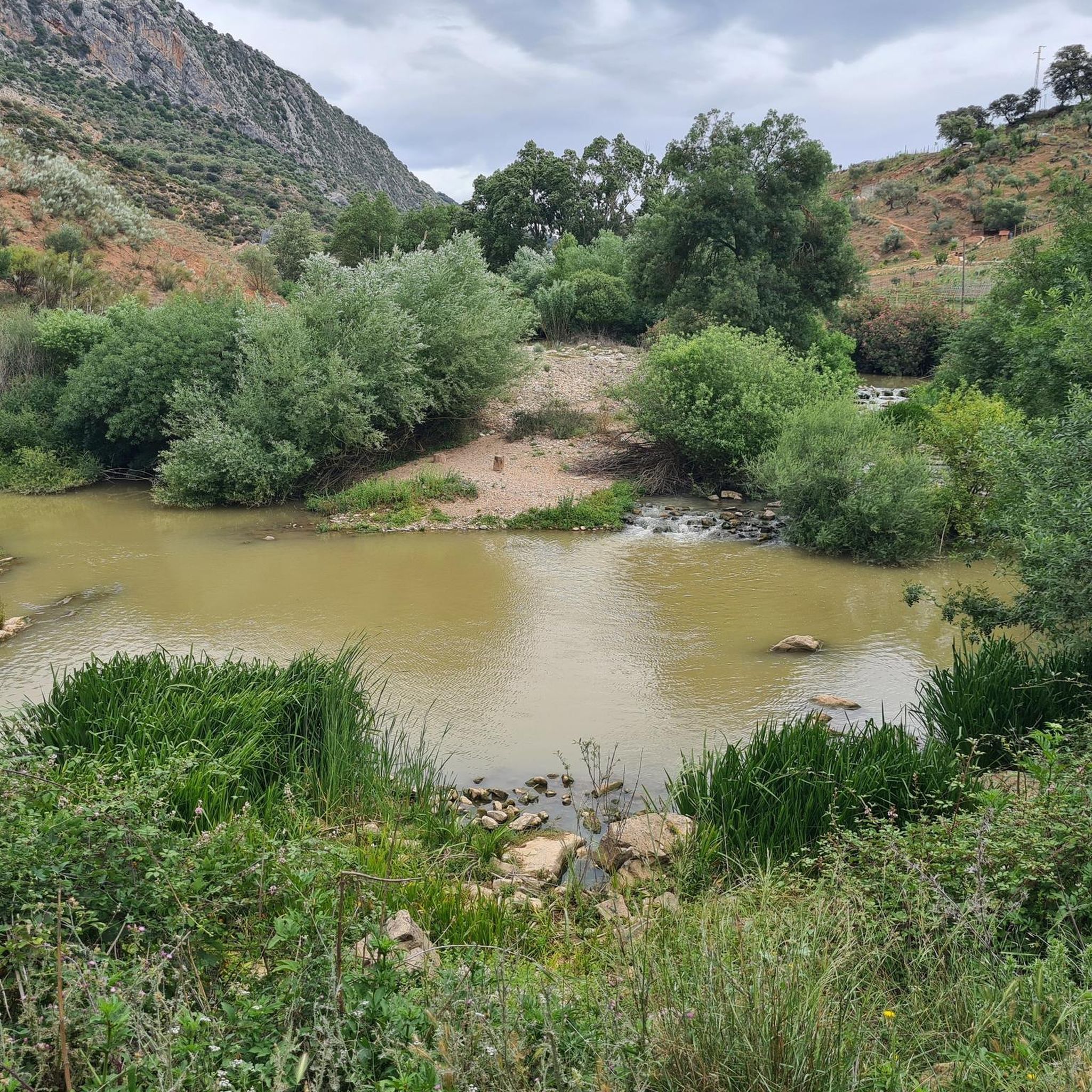
Touring cycling around Benaoján offers diverse landscapes within Andalusia's Serranía de Ronda, situated between the limestone massif of the Sierra de Líbar and the Guadiaro River. The region is characterized by dramatic topography, featuring cork oak trees, Mediterranean thicket, and deep valleys within the Sierra de Grazalema Natural Park. Cyclists can expect a mix of quiet roads and tracks, with both paved and unpaved surfaces. The area provides a varied terrain for touring cyclists of different skill levels.
Best touring cycling routes around Benaoján
- The most popular touring cycling route is Serranía de Ronda - Valle del Genal – circular desde Jimera de Líbar, a 25.4 miles (40.8 km) trail that takes 3 hours 4 minutes to complete. This route traverses varied terrain with significant elevation changes.
- Another top favourite among local touring cyclists is Calle Armiñán, Ronda – Puerta de Carlos V loop from Rosalejo, an easy 4.0 miles (6.5 km) path. This shorter route offers a gentle ride through the local landscape.
- Local touring cyclists also love the Ronda Bullring – City of Ronda loop from Jimera de Líbar, a 32.4 miles (52.2 km) trail leading through the wider region, often completed in about 3 hours 53 minutes.
- Touring cycling around Benaoján is defined by limestone formations, Guadiaro River valleys, and Mediterranean thicket. The network offers options for different ability levels, from easy loops to challenging multi-hour rides.
- The routes in Benaoján are highly rated by the komoot community with an average score of 4.6 stars from over 170 reviews. More than 2300 touring cyclists have used komoot to explore Benaoján's varied terrain.
Last updated: July 4, 2026
5.0
(1)
18
riders
40.8km
03:04
980m
980m
Hard bike ride. Very good fitness required. Mostly paved surfaces. Suitable for all skill levels.
5.0
(3)
55
riders
52.2km
03:54
1,190m
1,190m
Hard bike ride. Very good fitness required. Mostly paved surfaces. Suitable for all skill levels.

Sign up for free
4.4
(7)
71
riders
13.1km
00:56
190m
190m
Moderate bike ride. Good fitness required. Mostly paved surfaces. Suitable for all skill levels.
3.7
(3)
25
riders
30.5km
02:35
750m
750m
Hard bike ride. Very good fitness required. Mostly paved surfaces. Suitable for all skill levels.
4.7
(3)
24
riders
7.99km
00:36
200m
200m
Moderate bike ride. Good fitness required. Mostly paved surfaces. Suitable for all skill levels.
Get access to more routes and recommendations from other explorers.
Sign up for free
Already have an account?
Our route recommendations are based on thousands of hikes, rides, and runs completed by other people on komoot.
Start today with a free account
Your next adventure awaits.
Login or Signup


Tips from the Community

I went down again in the evening, just fantastic
0
0

The Mirador de Aldehuela is one of Ronda's most famous viewpoints, located near the Puente Nuevo. From here, you have a spectacular panorama of the deep El Tajo gorge, the bridge, and the surrounding landscape of mountains and valleys. It is named after the architect José Martín de Aldehuela, who completed the Puente Nuevo in the 18th century. 👉 A perfect spot for photos, especially at sunset!
5
0

The Templete de la Virgen de los Dolores in Ronda is a small Baroque sanctuary dating from 1734. Located on Calle Virgen de los Dolores, it is designed as an open chapel with a rectangular floor plan, attached to a residential building. Three sides of the building are surrounded by semicircular arches resting on ornate Ionic columns. The anthropomorphic figures on the columns, depicted with ropes around their necks, are striking – hence the popular nickname "Chapel of the Hanged." Inside is a small altar with a carved figure of Our Lady of Sorrows. The ceiling is decorated with Rococo ornaments and depictions of the evangelists. The site itself holds special historical significance, as condemned prisoners used to pray here before their execution. In 2024, a careful restoration began, which included the reconstruction of lost details and the preservation of the building.
6
0

The Templete de la Virgen de los Dolores is a beautiful historical monument in Ronda, located on Calle Virgen de los Dolores. This small chapel was built in 1734 during the reign of King Fernando VI1. It is an open chapel attached to a private house, with a rectangular plan and semicircular arches on three sides. The chapel has a narrow entrance with a small wooden retable in which a painting of the Virgen de los Dolores is hung. On either side of the retable are the coats of arms of the Catholic Monarchs of Spain and of King Philip V. The pillars of the chapel have Ionic capitals and figures of people tied with a rope around their necks, which gives a sinuous character to the building. The Templete de la Virgen de los Dolores is also known as the Templete de los Ahorcados because of the legend that the prisoners said their last prayers here before being executed in the nearby squares.
8
0
Ronda literally sits perched on the steep cliffs and seems almost interwoven with the landscape. On the paths below the town, Ronda reveals itself as a spectacularly situated collection of whitewashed buildings perched on a high plateau. The view of Ronda is breathtaking and one of the most impressive scenes in Andalusia.
2
0
The view of Ronda from the plains is breathtaking and one of the most impressive panoramas in Andalusia. From the flat plain below the city, Ronda appears as a spectacularly situated cluster of whitewashed buildings perched on a high plateau, crisscrossed by the dramatic Tajo de Ronda gorge. Ronda is literally perched on the steep cliffs and seems almost interwoven with the landscape. Particularly striking is the Puente Nuevo (New Bridge), which connects the two parts of the city across the deep gorge. From the valley below, the bridge appears monumental and showcases the engineering skills of the 18th century.
4
0

From the new bridge there is a good view of Puente Viejo: an old stone bridge that is one of three bridges that spans the deep Tajo de Ronda gorge with the Guadalevín river in it.
19
1
The plaza is less crowded than other viewpoints such as the Mirador de la Alameda or the Puente Nuevo, making it an ideal place for quiet moments and relaxation. Plaza Bruna is a hidden gem in Ronda. With its peaceful atmosphere and stunning views of the gorge and the countryside, it is an ideal place for those who want to experience the beauty of the region away from the main tourist crowds.
4
0
Frequently Asked Questions
How many touring cycling routes are available around Benaoján?
There are over 100 touring cycling routes around Benaoján, offering a wide range of options for different skill levels and preferences. These routes traverse diverse landscapes within the Serranía de Ronda, including limestone massifs, river valleys, and Mediterranean thicket.
What is the best time of year to go touring cycling in Benaoján?
The spring and autumn months are generally ideal for touring cycling in Benaoján. The weather is milder, and the natural landscapes are vibrant. Summers can be very hot, making early morning or late afternoon rides preferable, while winters are cooler but often still pleasant for cycling.
Are there any easy touring cycling routes suitable for beginners or families?
Yes, Benaoján offers several easy touring cycling routes. For instance, the Calle Armiñán, Ronda – Puerta de Carlos V loop from Rosalejo is an easy 4.0 miles (6.5 km) path that provides a gentle ride through the local landscape, perfect for those seeking a less strenuous experience or cycling with family.
What kind of terrain can I expect on touring cycling routes in Benaoján?
The terrain around Benaoján is quite varied. You can expect a mix of quiet roads and tracks, with both paved and unpaved surfaces. The region is characterized by dramatic topography, including limestone formations, the Guadiaro River valleys, and Mediterranean thicket, offering both scenic beauty and challenging sections.
Are there any circular touring cycling routes around Benaoján?
Yes, there are several circular touring cycling routes. A popular option is the Serranía de Ronda - Valle del Genal – circular desde Jimera de Líbar, a 25.4-mile (40.8 km) trail that traverses varied terrain with significant elevation changes. Another is the Ronda Bullring – City of Ronda loop from Jimera de Líbar, which is 32.4 miles (52.2 km) long.
What natural features or landmarks can I see along the cycling routes?
Cycling routes in Benaoján often pass through stunning natural features and near historical landmarks. You might encounter the dramatic limestone formations of the Sierra de Líbar, the picturesque Guadiaro River, and cork oak forests. Nearby attractions include the famous Puente Nuevo (New Bridge) in Ronda, the Arab Bridge of Ronda, and various viewpoints like the Cuenca Gardens.
Are there any challenging routes for experienced touring cyclists?
Absolutely. Benaoján is known for its challenging routes, with 75 out of 110 routes classified as difficult. An example is the View of the Genal Valley – View of Gaucín loop from Jimera de Líbar, a demanding 43-mile (69.3 km) route with significant elevation gain, offering a rewarding experience for advanced riders.
What do other touring cyclists say about the routes in Benaoján?
The touring cycling routes in Benaoján are highly regarded by the komoot community, holding an average rating of 4.6 stars from over 170 reviews. Cyclists often praise the diverse landscapes, the challenging climbs, and the opportunity to explore the unique natural beauty of the Sierra de Grazalema Natural Park.
Is it possible to access the cycling routes using public transport?
Yes, Benaoján has a train station (Benaoján-Montejaque) which can serve as a convenient starting point for many routes. The 'Walk of Mr. Henderson's Railway' route, for example, follows the railway line and offers views of the Guadiaro Valley, making it accessible via train.
Are there any notable natural attractions or caves accessible from the cycling routes?
Benaoján is renowned for its significant cave systems. While some may require a short detour or hike, the famous Cueva de la Pileta with its prehistoric paintings and the Cueva del Gato, known for its stunning river pool, are key natural attractions in the area that can be incorporated into a cycling trip or visited nearby.
Can I find places to eat or stay near the cycling trails in Benaoján?
Benaoján and nearby villages offer various amenities for cyclists. You'll find cafes, restaurants, and accommodation options within the village itself, which has an Arabic layout with winding streets. Ronda, a larger town often connected by cycling routes, also provides a wide array of services for visitors.
Most popular attractions around Benaoján

Get inspired with the komoot mobile app


Explore more
Browse the best Cycling routes in other regions.
