Attractions and Places To See around Villagatón - Top 20
Best attractions and places to see around Villagatón, a municipality in the province of León, Spain, include a mix of historical landmarks, natural features, and cultural sites across its villages. The area is characterized by Roman-era remnants, traditional architecture, and scenic outdoor spaces. Visitors can explore ancient mines, historic churches, and various natural points of interest.
Best attractions and places to see around Villagatón
- The most popular attractions is Rabanal del Camino — Village and Church, a settlement that…
Last updated: July 6, 2026
Rabanal del Camino — Village and Church
Highlight • Settlement
Translated by Google •
Tip by

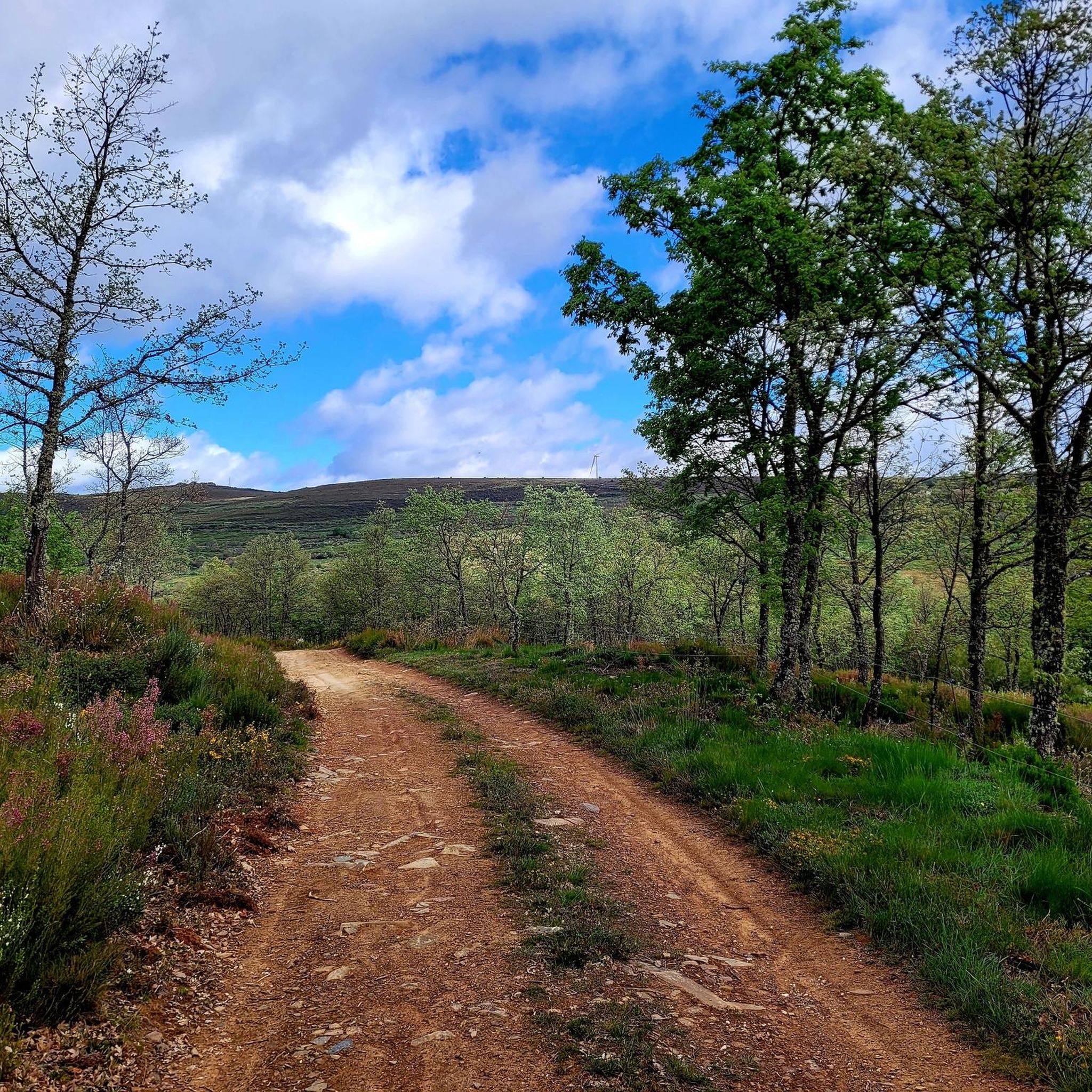
Trail to Foncebadón
Highlight (Segment) • Trail
Translated by Google •
Tip by
Sign up now to discover places like this
Get recommendations on the best single tracks, peaks, & plenty of other exciting outdoor places.
Sign up for free
Hermitage of the Vera Cruz
Highlight • Religious Site
Translated by Google •
Tip by

Posada el Tesin
Highlight • Restaurant
Translated by Google •
Tip by

☕️ Green Garden
Highlight • Cafe
Specialty Coffee: NO
Wi-Fi: N/S
Recommended product: smoothies
Rating: ⭐⭐⭐
Translated by Google •
Tip by
Sign up for free to discover even more attractions around Villagatón.
Sign up for free
Already have an account?
Start today with a free account
Your next adventure awaits.
Login or Signup
Tips from the Community

The Church of Nuestra Señora de la Asunción in Rabanal del Camino is a beautiful architectural gem along the Camino de Santiago. This church, located in the small village of Rabanal del Camino in the province of León, was built in the 12th century and has undergone several renovations and extensions over the centuries. The church is of Romanesque origin and is believed to have been built by the Knights Templar, who protected the pilgrims who crossed the Montes de León on their way to Santiago de Compostela.
6
0
The Ermita del Cristo de la Vera Cruz is located in Rabanal del Camino, a small village in the Bierzo region, in the province of León. Built in Baroque style, this hermitage was founded in the 18th century and is one of the main tourist attractions of Rabanal del Camino, as it is part of the Camino de Santiago. According to tradition, this hermitage contains a relic of Vera Cruz, making it a place of pilgrimage for many believers. In addition to its religious value, the Ermita del Cristo de la Vera Cruz stands out for its architecture, with a simple but elegant facade and an interior decorated with paintings and sculptures of great artistic value. The history of the Ermita de la Vera Cruz dates back to the 18th century, when it was built at the initiative of the Franciscan monks who inhabited the nearby Monasterio de San Salvador. During the War of Independence, the hermitage suffered serious damage and had to be rebuilt in the 19th century. Over the years it has been restored and improved several times, preserving its beauty and artistic value.
3
0

Long, steep climb up to the Cruz de Ferro, as the track can be very rough, especially in poor weather. Be sure to recover at one of the albergues once you reach Foncebadón.
2
0

I recommend being one of the first, one of the few places where you can have breakfast before starting the route. From Rabanal del Camino, they treated us well and the food was more than correct. The bad thing is that they come to have breakfast from all the hostels in the town that do not offer breakfast, which makes opening time quite a hassle. Posada El Tesin is a very cozy family hostel made with love. It has private rooms with bathroom, one of them with a bathtub so you can enjoy a relaxing bath after a hard stage on the Camino or a day of sightseeing. The rooms are decorated with great care to make you feel at home and have toiletries and a hairdryer. All rooms have TV and WIFI and some of them have a wonderful balcony from where you can see the pilgrims passing through the town's Calle Real. We have a restaurant and bar with a magnificent terrace to enjoy these summer days. We offer mixed dishes, sandwiches, products from León, pilgrim menu and VEGETARIAN FOOD. The kitchen remains open from 7 in the morning until 9 or 9:30 p.m. (depending on the season). You can also enjoy our good music (The Beatles, Johnny Cash, Country...) We accept pets at the hostel, so your most faithful companion is also welcome! We are a family that wanted to fulfill its dream, which is to create a hostel dedicated to rural tourism and pilgrims. We try to make you feel at home and as comfortable as possible. We are in Rabanal del Camino, the end of the stage of the Camino de Santiago, a town with a lot of history. We can discover several hermitages and churches and find the House of the Four Corners where King Philip II stayed when he headed towards Santiago de Compostela. Rabanal del Camino is located very close to Astorga, "capital of maragatería" (20 km) and 9 km from the famous Cruz de Ferro, which all pilgrims visit and ask for its best treasures, leaving a stone as a sign. Don't wait any longer and come meet us! You will not regret! Languages spoken: German,English,Spanish,French,Italian,Portuguese
2
0
The store is small but very clean and the products are very fresh. The garden, a beautiful and very relaxing place. The owners very friendly and helpful. I will repeat. Thank you
2
0
Very good place to relax and unwind in the super clean and well-kept green and fresh garden. Very fresh and natural food products. You can sleep in tents with very clean and disinfected bed mattresses. The truth is that it has been an exceptional experience and treatment. Highly recommended. Thank you
2
0

Rabanal del Camino is a small town on the Way of St. James in the province of León in the autonomous community of Castile and León. The place belongs to the municipality of Santa Colomba de Somoza. For a long time, the place was very important for the Way of St. James because of its location before the crossing over Monte Irago, several hospices and churches in the small place prove the importance of the village at that time. https://de.m.wikipedia.org/wiki/Rabanal_del_Camino
6
0
At the end of the 1990s, three young monks from the Spanish Benedictine Abbey of Silos founded a new community in the small town of Rabanal del Camino - located on the direct pilgrimage route to Santiago de Compostela, about halfway between Astorga and Ponferrada. Since 2001, the monastery "Monasterio San Salvador del Monte Irago" has belonged to the Congregation of Missionary Benedictines of St. Ottilien. Today, an international community of four monks from Germany, Spain, South Korea and Tanzania live in the monastery. https://www.kirche-und-leben.de/artikel/kloster-rabanal-am-jakobsweg-herberge-nicht-nur-fuer-glaeubige-pilger
5
0
Frequently Asked Questions
What historical sites can I explore in Villagatón?
Villagatón is rich in history. You can visit the unique Rabanal del Camino — Village and Church, which features Romanesque elements and a distinctive bell tower. Other notable historical sites include the Roman Gallery of Barranco del Góngora in Montealegre, showcasing ancient gold mines, and the ruins of the former monastery of San Juan de Montealegre, a Site of Cultural Interest. Don't miss the ancient fort of Castro El Llastrón - La Prudencia or the Roman milestone (Miliario) in Montealegre.
Are there any significant religious buildings to visit in the area?
Yes, the region has several important religious structures. The Hermitage of the Vera Cruz in Rabanal del Camino is a beautiful Baroque building and a significant stop on the Camino de Santiago. Other churches include the 18th-century Iglesia de San Cipriano in Culebros, the Iglesia de San Esteban in Villagatón, and the medieval Romanesque Iglesia de San Miguel Arcángel in Brañuelas. The ruins of the Baroque Ermita de San José in Requejo also offer a glimpse into the past.
What natural attractions and outdoor spaces are available in Villagatón?
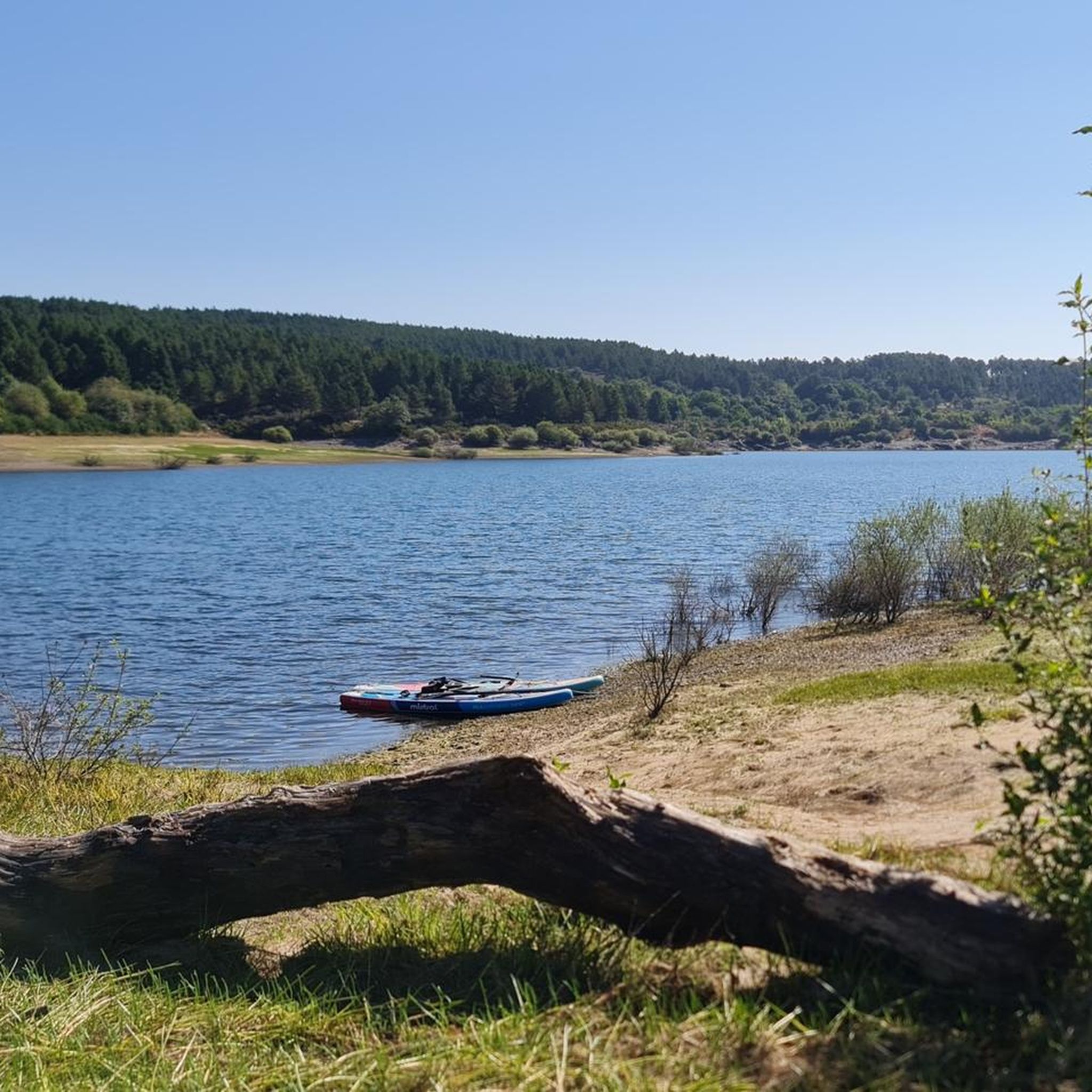
Villagatón offers diverse natural beauty. You can visit Los Campos Place in Brañuelas, a recreational area with a centenary chestnut tree and a picnic spot. The Villagatón Reservoir, the origin of the Porcos River, and the scenic Villameca Reservoir are also points of interest. The area is known for its legendary mountain peaks and offers opportunities to observe diverse flora and fauna, including various bird species and animals like wild boar and roe deer.
What hiking trails are recommended around Villagatón?
The municipality boasts magnificent hiking routes suitable for walking or cycling. Popular trails include the 8 km linear route to Peña del Oso, which passes by water mill ruins and petroglyphs. The easy La Fuentes del Tuerto route explores the birth of the Tuerto river and allows you to visit the Church of San Cipriano. Another easy option is El Muelas, a 2-3 hour route along the Muelas river, featuring pine forests, old water mills, and caves. For more options, explore the MTB Trails around Villagatón guide.
Are there family-friendly attractions or activities in Villagatón?
Yes, several spots are suitable for families. The Hermitage of the Vera Cruz is listed as family-friendly. The recreational area of Los Campos Place in Brañuelas, with its picnic spot and pond, is also great for families. Many of the easier hiking trails, such as La Fuentes del Tuerto and El Muelas, are enjoyable for all ages. Additionally, local cafes like ☕️ Green Garden offer a relaxing environment.
Where can I find places to eat or have a coffee near the attractions?
In Rabanal del Camino, you can find Posada el Tesin, a cozy family hostel with a restaurant and bar offering mixed dishes, sandwiches, and vegetarian options. They also have a terrace. For a lighter option, ☕️ Green Garden is a highly-rated cafe known for its smoothies and relaxing garden, ideal for a break.
What are some unique cultural insights or traditional areas in Villagatón?
The Barrio de Mediavilla in Brañuelas offers a glimpse into the past with its ancient manor houses and the traditional "Juego de los Bolos" (bowling game) area. The region's history is also reflected in its Roman-era remnants and traditional architecture found across its thirteen villages. The local gastronomy is another cultural highlight to explore.
What do visitors enjoy most about the attractions around Villagatón?
Visitors particularly appreciate the natural setting and scenic views, especially along trails like the Trail to Foncebadón. The historical and religious significance of sites like Rabanal del Camino — Village and Church and the Hermitage of the Vera Cruz are also highly valued. The community has shared nearly 100 photos and given over 200 upvotes, highlighting the area's appeal for both its heritage and outdoor experiences.
Are there opportunities for cycling around Villagatón?
Yes, Villagatón and its surroundings offer excellent cycling opportunities. You can find various routes for different types of cycling. For road cycling, explore options like the 'Embalse de Villameca from Pobladura de las Regueras' or 'View of Bembibre loop from Brañuelas' in the Road Cycling Routes around Villagatón guide. Mountain biking enthusiasts can check out trails like 'Minas de Igüeña' or 'Embalse de Villagatón – El Tesón loop from Brañuelas' in the MTB Trails around Villagatón guide. There are also general cycling routes available in the Cycling around Villagatón guide.
Can I visit any ancient Roman sites in Villagatón?
Absolutely. Villagatón has significant Roman-era remnants. The Roman Gallery of Barranco del Góngora in Montealegre is a unique site featuring ancient Roman gold mines, including both open-pit and underground workings. Additionally, you can see a Roman milestone (Miliario) in Montealegre, which was once used to mark distances on Roman roads and was later repurposed for the Monastery of San Juan.
What are some lesser-known or 'hidden gems' in the Villagatón area?
Beyond the main highlights, consider exploring the ruins of the Ermita de San José in Requejo, which, despite its current state, reveals unique Baroque architecture from 1739. The ancient fort of Castro El Llastrón - La Prudencia, predating the Roman presence, offers a glimpse into even older history. The specific hiking routes like Peña del Oso, with its petroglyphs, also lead to less-traveled, intriguing spots.

Get inspired with the komoot mobile app


Explore more
Still not found the Highlight you’re looking for? See guides of the top attractions in other regions:
