The best running trails around Villaobispo De Otero
5.0
(1)
67
runners
24
runs
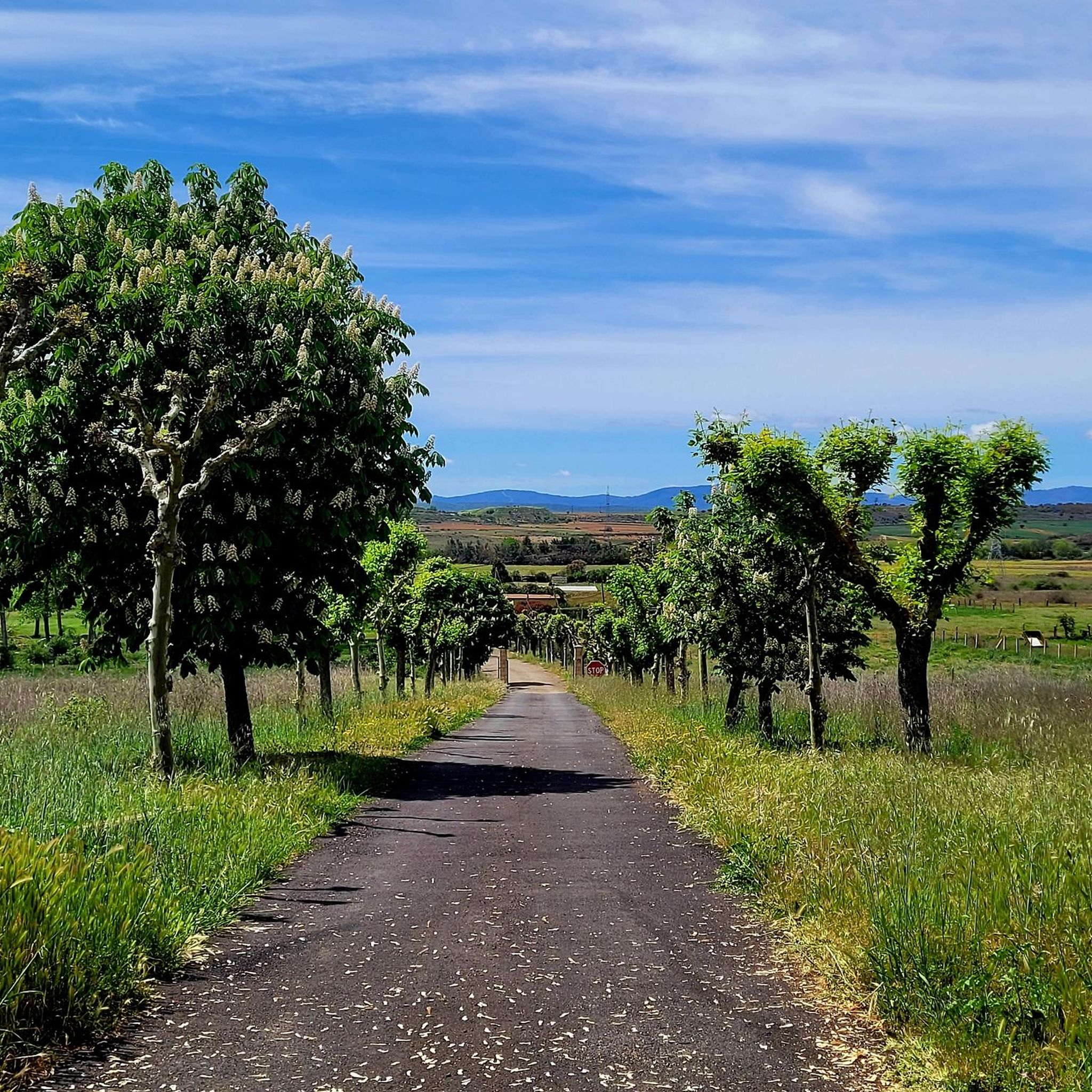
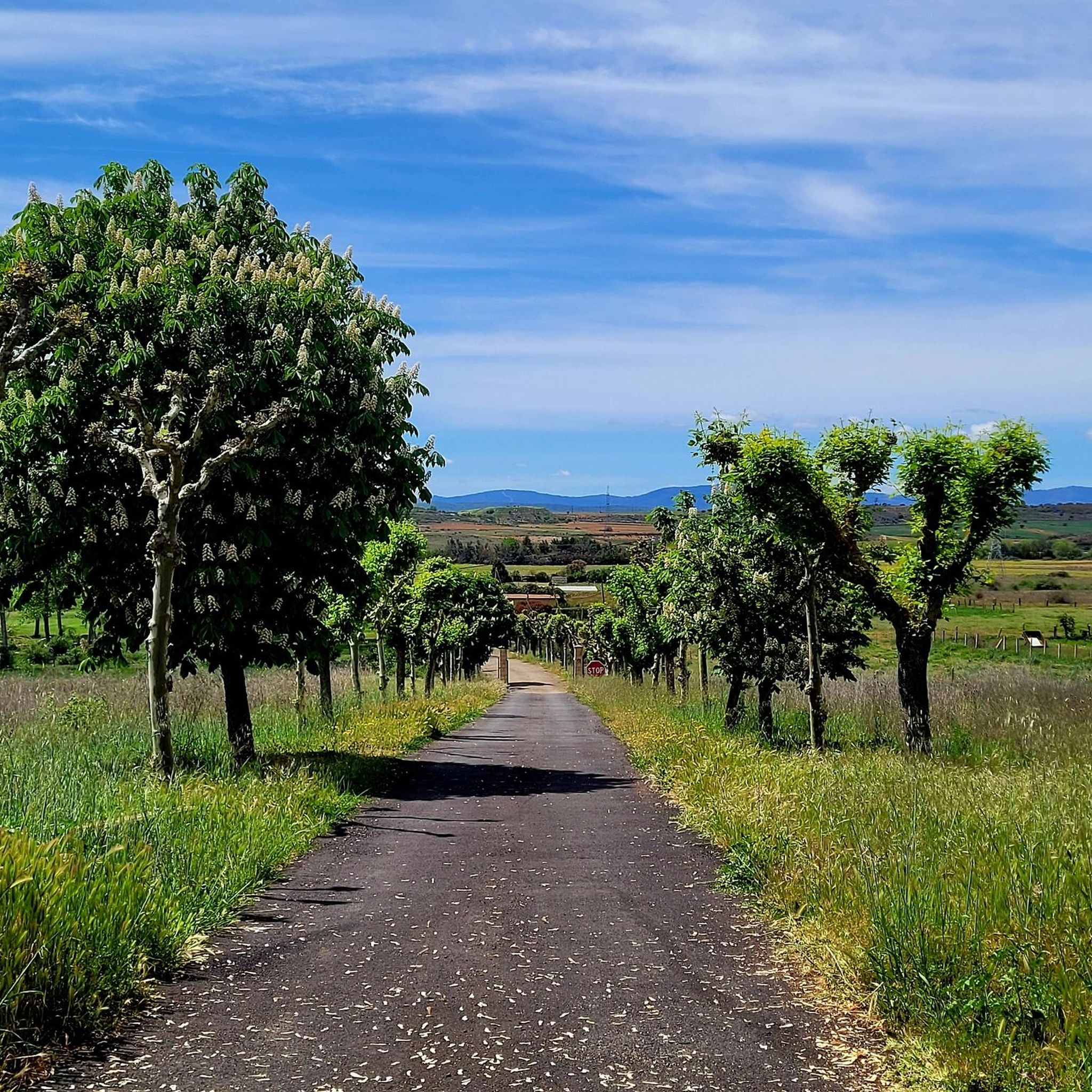
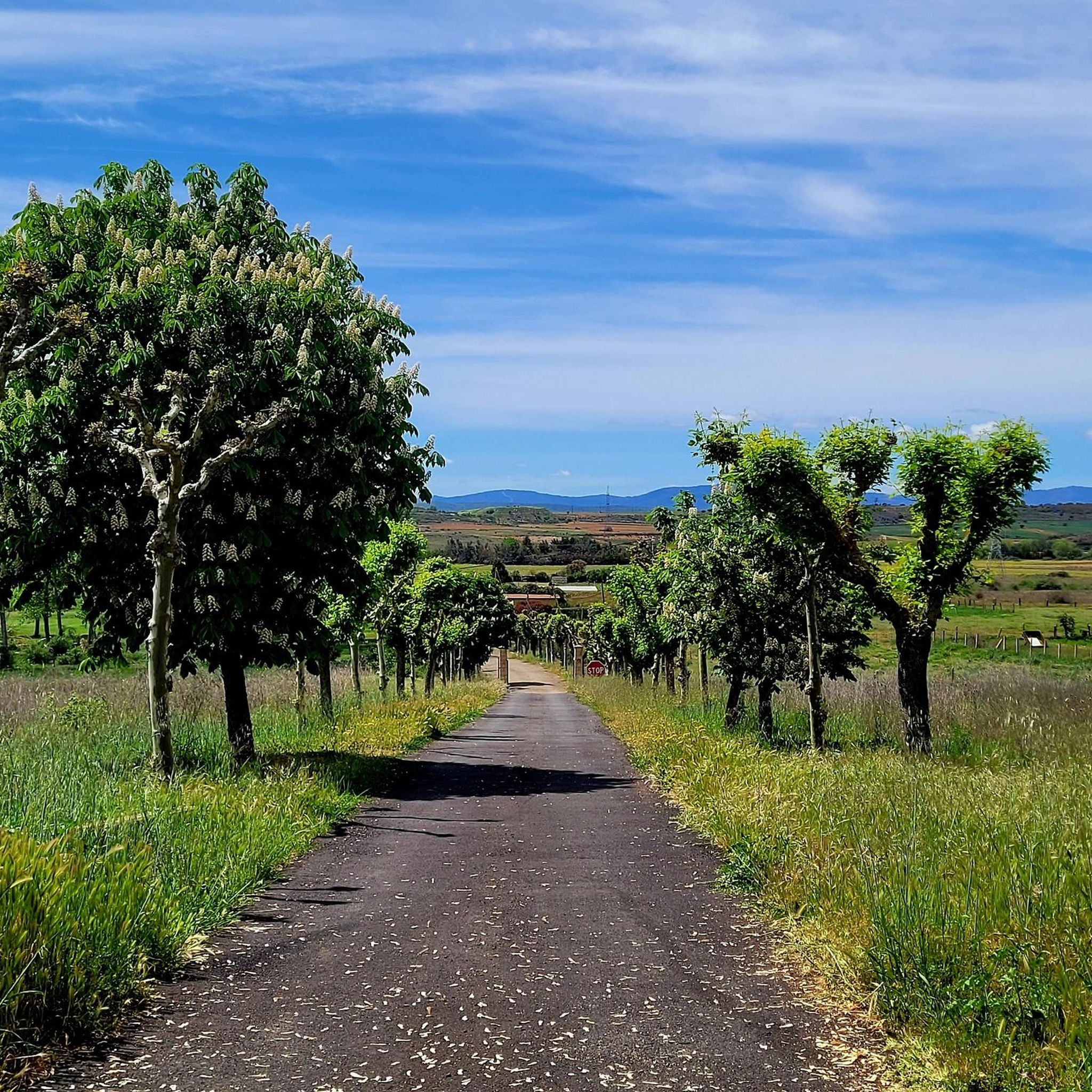
Jogging routes around Villaobispo De Otero offer a diverse landscape for outdoor activity in the province of León, Spain. The region, part of La Cepeda, features varied terrain including hills, Mediterranean vegetation, and pine forests, providing both scenic beauty and different running surfaces. Situated at an average altitude of approximately 870 meters, the area includes accessible paths and gentle inclines suitable for various fitness levels.
Best jogging routes around Villaobispo De Otero
- The most popular jogging route is Street Art @ Astorga – Astorga loop from Astorga, a 9.2 miles (14.8 km) trail that takes 1 hour 35 minutes to complete. This route explores the urban environment of Astorga, highlighting local street art.
- Another top favourite among local runners is Gaudí Palace – Astorga loop from Astorga, a moderate 5.6 miles (9.0 km) path. This route offers views of the historic Gaudí Palace and other architectural landmarks in Astorga.
- Local runners also love the Running loop from Astorga, a 5.3 miles (8.6 km) trail leading through varied terrain, often completed in about 58 minutes.
- Jogging around Villaobispo De Otero is defined by varied terrain, rural scenery, and accessible paths. The network offers options for different ability levels, from easy loops to more challenging moderate routes.
- The routes in Villaobispo De Otero are highly rated by the komoot community with an average score of 5.0 stars from over 1 review. More than 80 runners have used komoot to explore Villaobispo De Otero's varied terrain.
Last updated: June 28, 2026
8
runners
14.8km
01:35
90m
90m
Moderate run. Good fitness required. Mostly paved surfaces. Suitable for all skill levels.
5
runners
9.00km
00:57
80m
80m
Moderate run. Good fitness required. Mostly paved surfaces. Suitable for all skill levels.

Sign up for free
5.0
(1)
8
runners
11.5km
01:14
70m
70m
Moderate run. Good fitness required. Mostly paved surfaces. Suitable for all skill levels.
5
runners
8.57km
00:58
150m
150m
Moderate run. Good fitness required. Mostly paved surfaces. Suitable for all skill levels.
4
runners
11.4km
01:11
60m
60m
Moderate run. Good fitness required. Mostly paved surfaces. Suitable for all skill levels.
Get access to more routes and recommendations from other explorers.
Sign up for free
Already have an account?
Our route recommendations are based on thousands of hikes, rides, and runs completed by other people on komoot.
Start today with a free account
Your next adventure awaits.
Login or Signup
Tips from the Community

In the heart of Astorga, right next to the cathedral, lies one of the most unusual bishop's residences on the Iberian Peninsula: the Palacio Gaudi. It was designed and built by the famous Spanish architect of the same name (Antonio Gaudi, 1852-1926). A visit to the museum housed here is worthwhile both for the exhibits presented to visitors and, of course, for the imaginative architecture of the building.
0
0

The Bishop's Palace of Astorga is one of only three buildings that Antoni Gaudí built outside Catalonia.
3
0

Always beautiful to look at. Here they tell the story of the people who lived here.
2
0
In the heart of Astorga, right next to the cathedral, lies one of the most unusual bishop's residences on the Iberian Peninsula: the Palacio Gaudi. It was designed and built by the famous Spanish architect of the same name (Antonio Gaudi, 1852-1926). A visit to the museum housed here is worthwhile both for the exhibits on display and, of course, for the imaginative architecture of the building.
2
0

The Plaza de España in Astorga is a straight, porticoed square in a Baroque style and offers an atmospheric meeting place for residents and tourists. On the Plaza de España you will also find the Ayuntamiento (town hall), an impressive building with an elegant Baroque facade and towers.
1
0

On June 24, 1889, the prelate's name day, the first stone was laid. They had planned to complete the work on the palace in June 1894, but the bishop died in 1893, and this event radically changed the course of the work, paralyzed by the hostility between Gaudí and the Diocesan Council. Finally, Antonio Gaudí resigned from his post as chief architect, very upset by the treatment he received. In 1905, D. Julián de Diego y Alcolea ruled the diocese of Astorga and tried to convince Gaudí to return to the works of the palace, but he did not succeed. Ricardo García-Guereta, diocesan of León, was appointed architect and completed the work on October 12, 1913, as bishop D. Julián de Diego y Alcolea
4
0
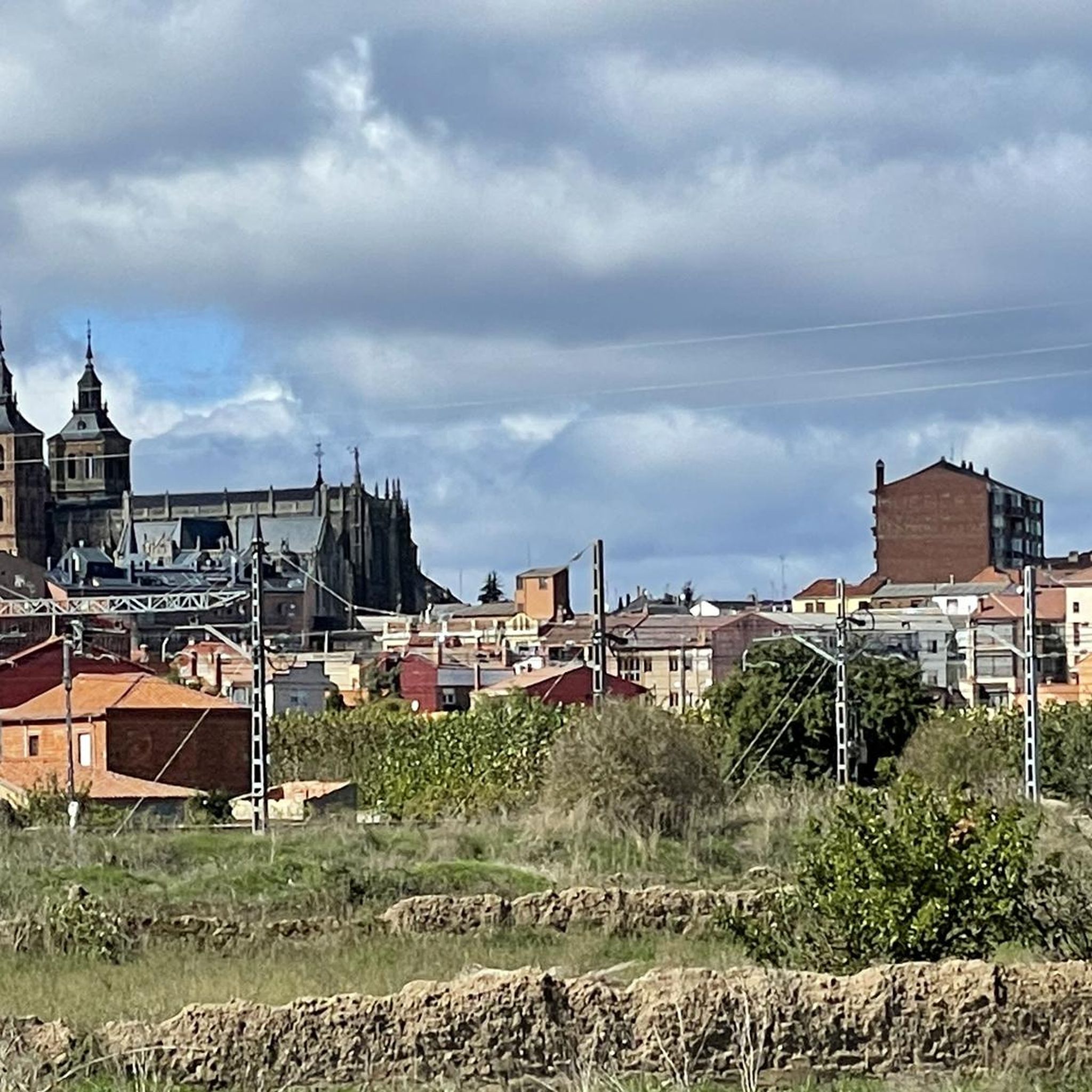
Cultural visit The Cathedral of Astorga is a temple that is forever engraved in the memory of those who visit it. It offers a fantastic tour explained through an audio guide system available in different languages. A visit also designed for the little ones, since the cathedral offers a fun audio guide for children.
5
0
Behind the city wall in the park you have a beautiful view of Gaudi's Pilgrimage Museum.
2
0
Frequently Asked Questions
How many running routes are available around Villaobispo de Otero?
There are over 25 running routes available in the Villaobispo de Otero area. These include a variety of options, with 1 easy route, 19 moderate routes, and 5 more challenging routes, catering to different fitness levels.
What kind of terrain can I expect on the running trails in Villaobispo de Otero?
The running trails around Villaobispo de Otero offer a diverse landscape. You'll find paths through 'monte' (hills) with Mediterranean vegetation like heather, rosemary, and oak, as well as shaded pine forests. The terrain often features gentle inclines and accessible paths, providing a mix of surfaces from softer forest trails to more open routes.
Are there family-friendly jogging routes in Villaobispo de Otero?
Yes, the region offers accessible paths and gentle inclines, making it suitable for families. While most routes are moderate, there is at least one easy route available, and many paths through the rural scenery are enjoyable for a family jog or walk.
Can I bring my dog on the running trails around Villaobispo de Otero?
Generally, the rural trails around Villaobispo de Otero are welcoming to dogs. It's always recommended to keep your dog on a leash, especially near livestock or in areas with other visitors, and to clean up after them to maintain the natural environment.
Are there circular running trails available in the area?
Many of the running routes in Villaobispo de Otero are designed as loops, offering circular paths that bring you back to your starting point. For example, the Gaudí Palace – Astorga loop from Astorga is a popular moderate circular path.
What are some interesting landmarks or sights I might see while running near Villaobispo de Otero?
While many routes focus on natural beauty, some trails pass by historical and cultural points of interest. For instance, the Gaudí Palace – Astorga loop from Astorga offers views of the historic Episcopal Palace of Astorga (Gaudí Palace). Other nearby attractions include the Cathedral of Saint Mary of Astorga and various religious buildings.
What do other runners enjoy most about jogging in Villaobispo de Otero?
The running routes in Villaobispo de Otero are highly rated by the komoot community, with an average score of 5.0 stars. Runners often praise the varied terrain, the peaceful rural scenery, and the accessible paths that cater to different ability levels.
Are there any routes that explore the urban environment or local art?
Yes, some routes offer a blend of urban exploration and running. The Street Art @ Astorga – Astorga loop from Astorga is a notable example, taking you through Astorga to discover local street art.
What is the best time of year for running in Villaobispo de Otero?
The region's varied terrain and Mediterranean climate make it suitable for running for much of the year. Spring and autumn generally offer pleasant temperatures and vibrant landscapes. Summers can be warm, so early morning or late evening runs are often preferred, while winters are milder but can have cooler temperatures.
Are there any longer, more challenging running routes for experienced joggers?
Yes, for those seeking a greater challenge, there are several difficult routes available. The Astorga – 💧 Water loop from Astorga is an example of a longer, more demanding route, covering over 15 km with significant elevation changes.
Can I find routes that offer views of water features?
The presence of historical mills in nearby villages suggests the existence of watercourses and streams. While not explicitly waterfalls, routes like the Astorga – 💧 Water loop from Astorga indicate paths that incorporate water elements, adding to the scenic appeal.
How long do the running routes typically take to complete?
The duration varies depending on the route's length and difficulty. For example, a moderate 9 km path like the Gaudí Palace – Astorga loop from Astorga typically takes around 1 hour. Longer routes, such as the 14.8 km Street Art @ Astorga – Astorga loop from Astorga, can take about 1 hour 35 minutes.
Most popular routes around Villaobispo De Otero
Most popular attractions around Villaobispo De Otero

Get inspired with the komoot mobile app


Explore more
Browse the best Running Trails & Routes in other regions.
