Attractions and Places To See around Corral De Almaguer - Top 20
Attractions and places to see around Corral De Almaguer include historical monuments, cultural sites, and natural landscapes characteristic of the La Mancha region. The area features a rich heritage reflected in its architecture and traditions, with settlements, religious buildings, and trails. The municipality is situated near the Riansares River, offering diverse flora and fauna, and is part of a wine-producing region.
Best attractions and places to see around Corral De Almaguer
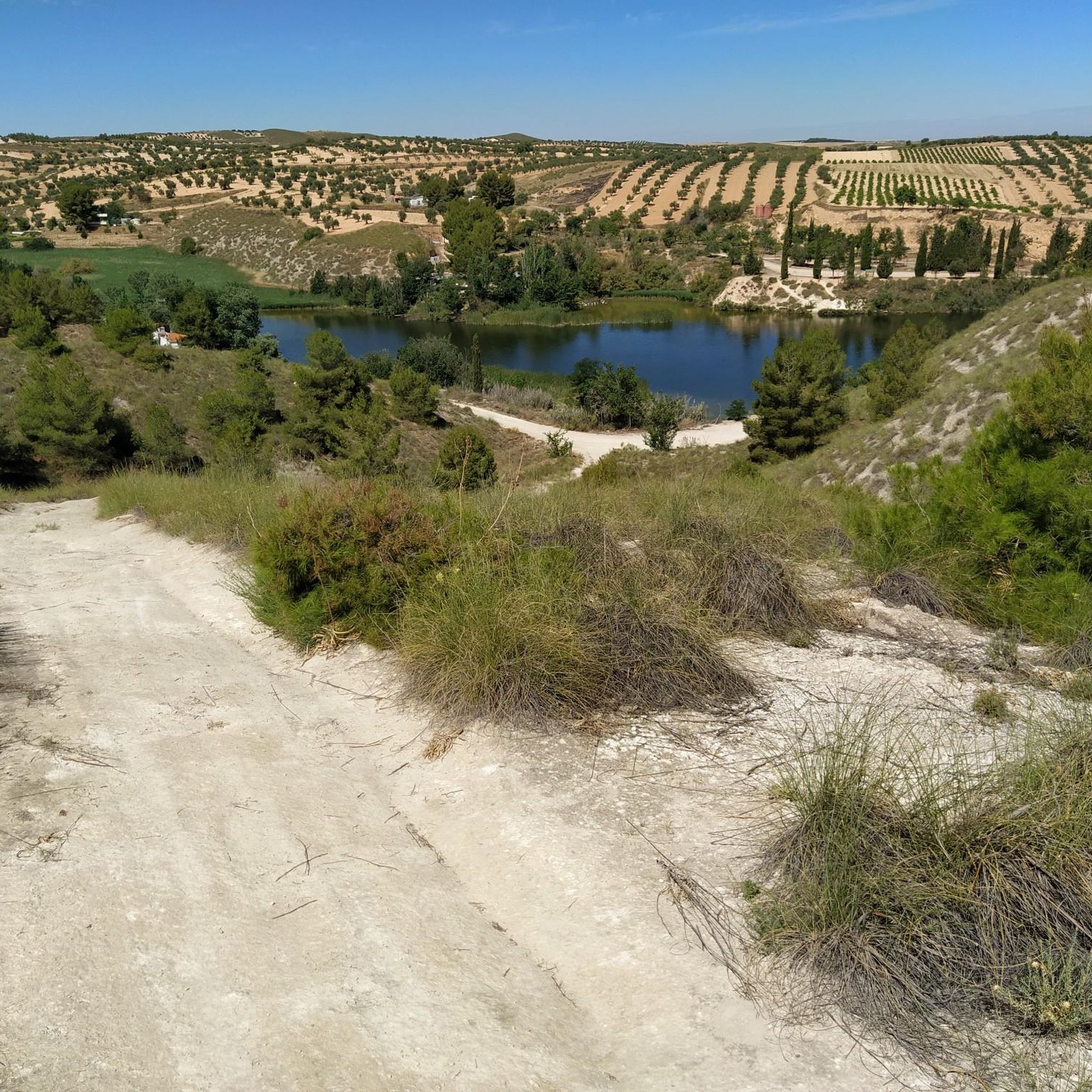
- The most popular attractions is Villacañas, a trail that combines cultural heritage, unique nature, and singular traditions. It serves as a starting point for a tourist cycle trip to the lake wonders of La Mancha Húmeda, following the Trenillo Natural Trail.
- Another must-see spot is Villatobas, a settlement with a rich history dating back to ancient times. This quiet town preserves its historical heritage, including its parish church dedicated to San Juan Bautista and the ruins of its 13th-century castle.
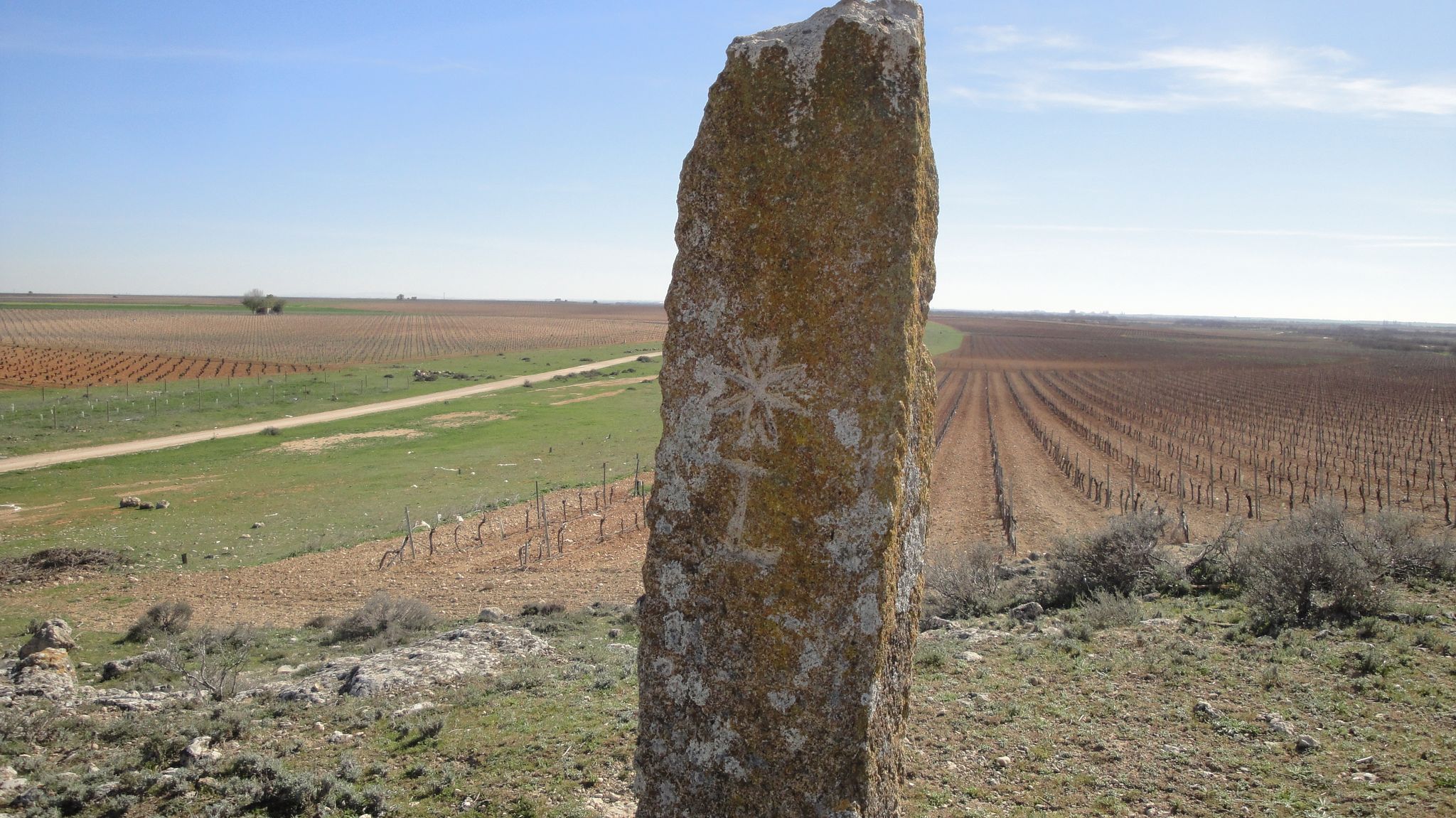
- Visitors also love Hermitage of San Gregorio, a religious building that appears in documents from the 16th century. Its location at a crossroads of historic roads, including the Camino Real and the Cañada Real Soriana, adds to its significance.
- Corral De Almaguer is known for historical sites, religious buildings, and natural trails. The area offers a variety of attractions to see and explore, from ancient settlements to scenic routes.
- The attractions around Corral De Almaguer are appreciated by the komoot community, with 5 upvotes and 3 photos shared by visitors.
Last updated: June 29, 2026
Villacañas
Highlight • Trail
Translated by Google •
Tip by

Villatobas
Highlight • Settlement
Villatobas was also the scene of important events during the War of Independence in the 19th century. Over the centuries, it has managed to preserve its historical heritage, including its parish church dedicated to San Juan Bautista and the ruins of its 13th-century castle.
Translated by Google •
Tip by
Sign up now to discover places like this
Get recommendations on the best single tracks, peaks, & plenty of other exciting outdoor places.
Sign up for free
Villamayor de Santiago
Highlight • Settlement
Translated by Google •
Tip by

Hermitage of San Gregorio
Highlight • Religious Site
Translated by Google •
Tip by

La Puebla de Almoradiel – Parish Church of San Juan Bautista and La Femme de la Terre Statue
Highlight • Religious Site
The ancient city stood on the Cigüela River, but was abandoned in 1276 due to epidemics.
Repopulated by the Order of Santiago in the Middle Ages, it received a town charter in 1315 and the privilege of town status in 1341.
Translated by Google •
Tip by
Sign up for free to discover even more attractions around Corral De Almaguer.
Sign up for free
Already have an account?
Start today with a free account
Your next adventure awaits.
Login or Signup
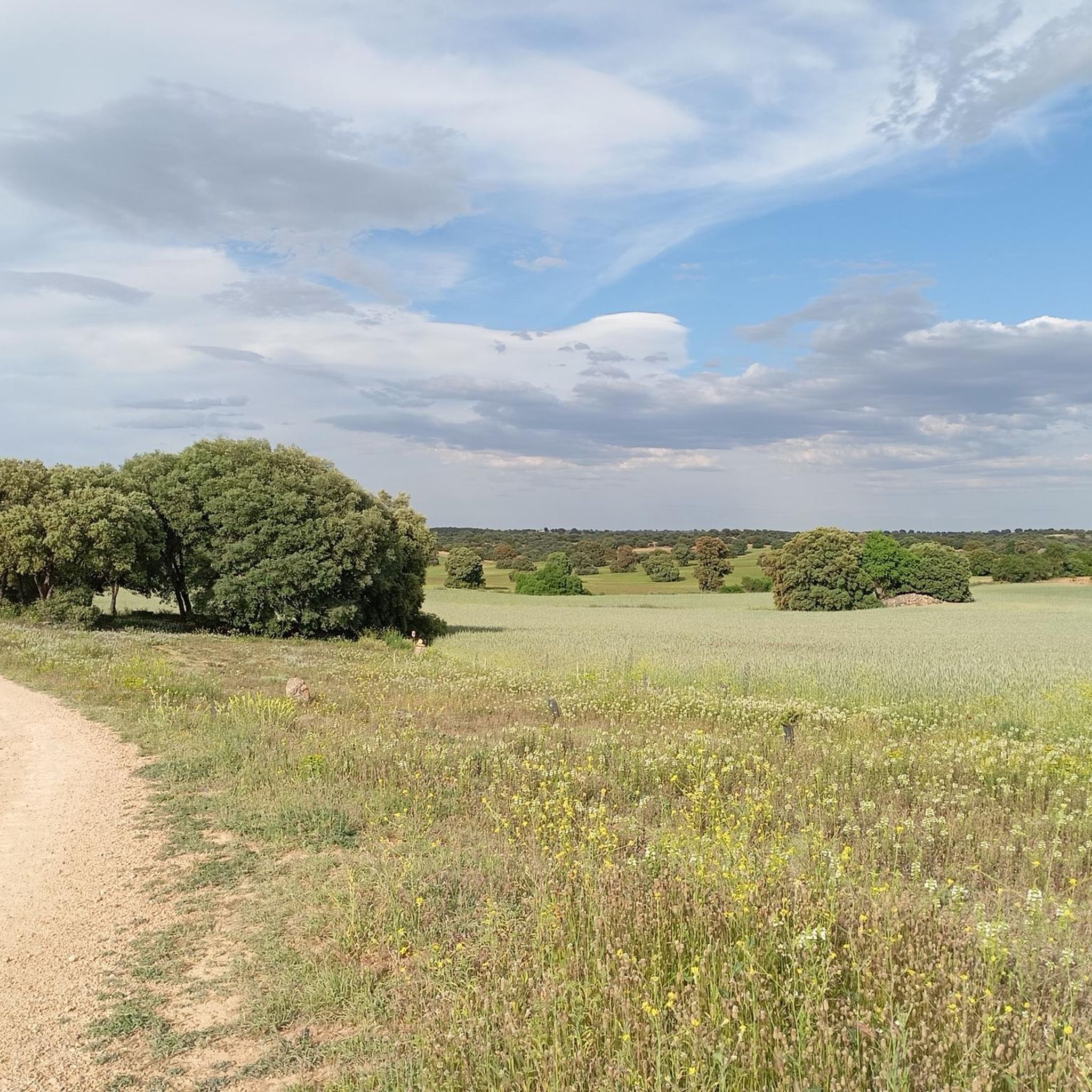
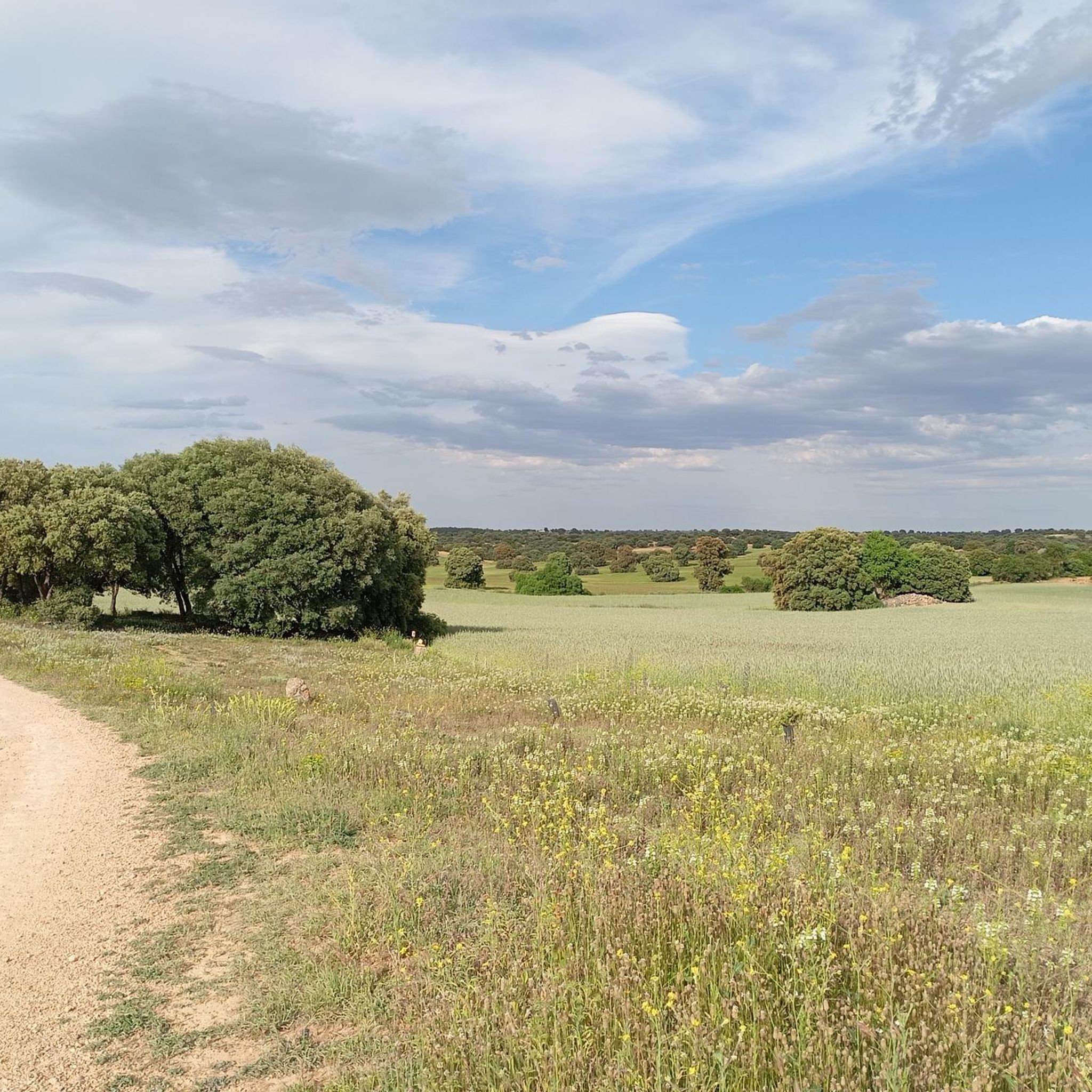
Other adventures around Corral De Almaguer

Tips from the Community

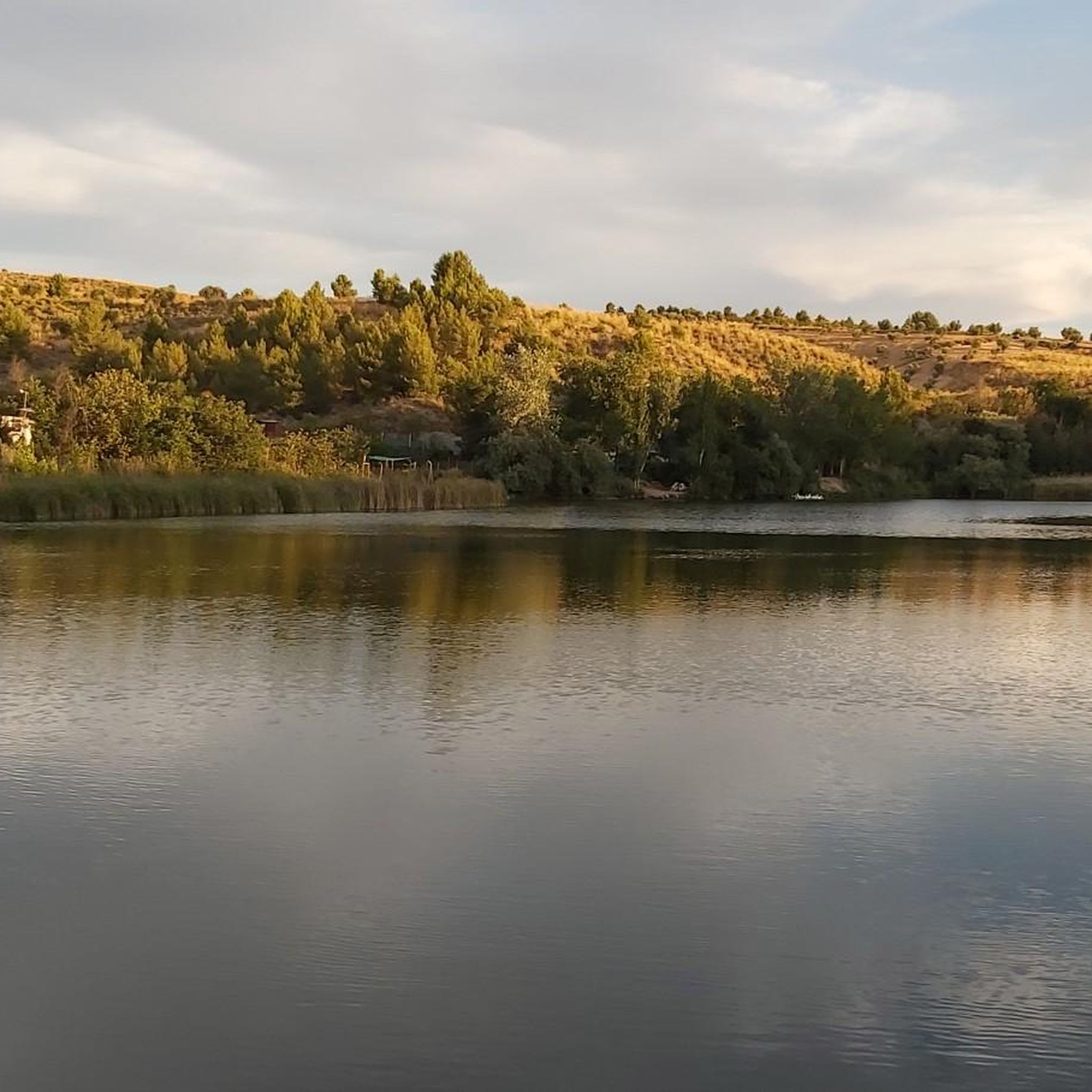
La Puebla de Almoradiel: Its origins are linked to an Iberian and Celtic fortress, inhabited by Romans, Visigoths, and, during the Muslim era, by the Almoravids. The ancient city stood on the Cigüela River, but was abandoned in 1276 due to epidemics. Repopulated by the Order of Santiago in the Middle Ages, it received a town charter in 1315 and the privilege of town status in 1341.
4
0
Villacañas (Toledo), in the heart of Toledo's La Mancha region, is a destination that combines cultural heritage, unique nature, and singular traditions.
5
0

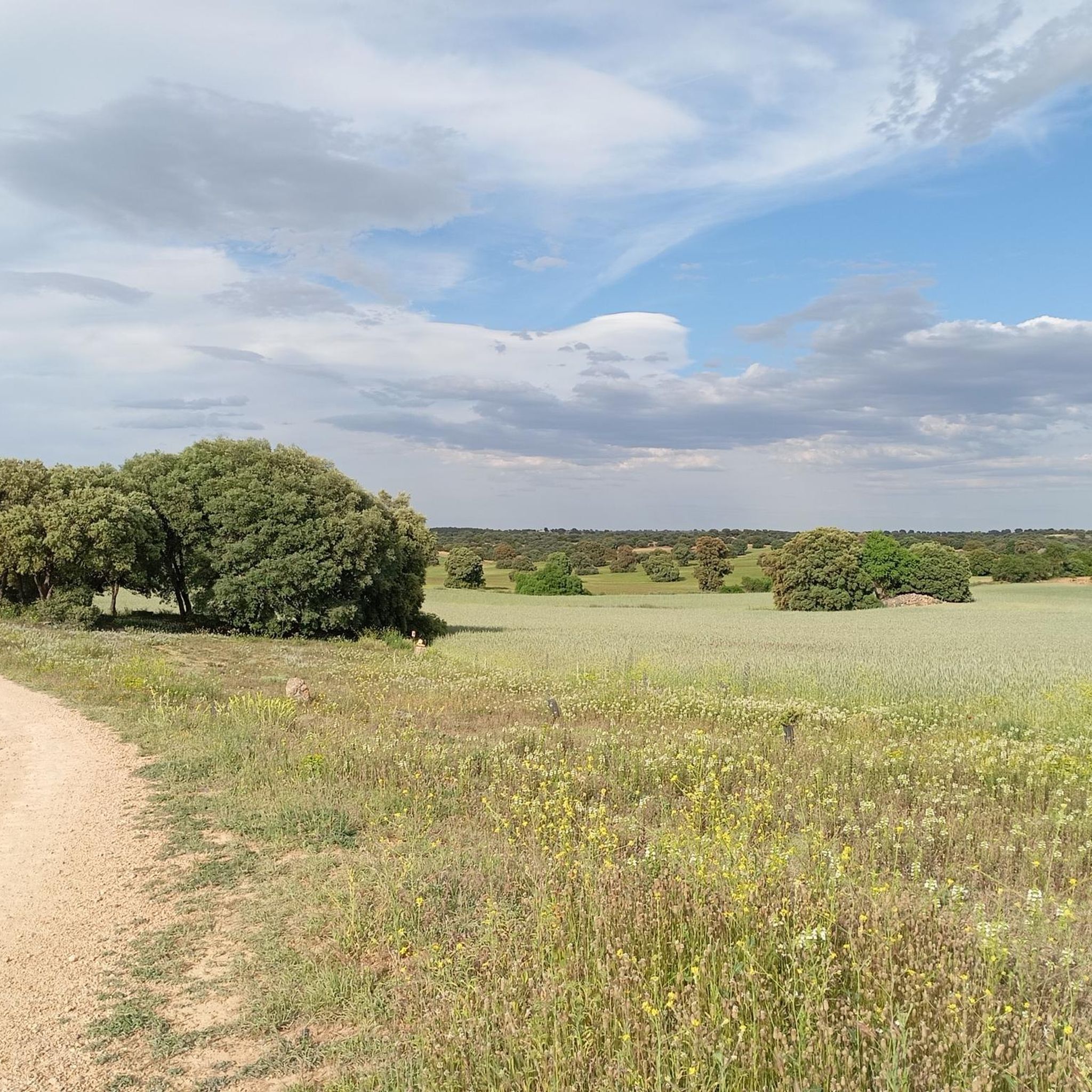
The town of Villamayor de Santiago sits at a crossroads, resembling a central hub, connecting municipalities in La Mancha, Toledo, and Ciudad Real via local roads. It boasts an urban complex and historic buildings that reflect the town's former importance, as numerous Commanders of the Order of Santiago and nobles lived there during the 16th and 17th centuries.
0
0
Along a walk through the town we can see the “Roman Bridge”, the parish church of San Juan Bautista, the hermitage of Nuestra Señora del Egido, the hermitage of Santísimo Cristo de la Salud, the hermitage of Santa Ana, numerous wells that once served as a water supply...
0
0
Villatobas is a municipality with a rich history that dates back to ancient times. Archaeological studies indicate that the area was inhabited from the 4th or 3rd century BC by various peoples. The first written record of Villatobas appears in the charter of Montealegre in 1219, where it is mentioned as "Villa de Tobas" Villatobas was also the scene of important events during the War of Independence in the 19th century. Over the centuries, it has managed to preserve its historical heritage, including its parish church dedicated to San Juan Bautista and the ruins of its 13th-century castle.
5
0
This hermitage also dates back to before 1576. Its dedication corresponds to San Gregorio. Its festival is on May 9, and is celebrated on the 2nd Sunday, with a populous and joyful pilgrimage. This hermitage is located next to the road, and no less than on the Camino Real, which goes from Alicante to Santiago de Compostela, according to the Repertory of Roads of Alfonso de Meneses, email of H.M. in 1576. (Bogas, Tembleque, Villacañas, Puebla de don Fadrique, Almoradiel, El Toboso,... Manjavacas... La Roda,... Albacete...) which also turns out to be the Spanish Silk Road, from Toledo to Murcia. Furthermore, the hermitage of San Gregorio is next to the Cañada Real Soriana, an important livestock route in La Mesta, which begins in the Sierra de Cameros, along the Iregua River, goes up to Yanguas and goes down to Soria, then through Almazán, Medinaceli, and It enters the province of Guadalajara through Cifuentes and into the province of Madrid through Valdearacete and into the province of Toledo through Santa Cruz de la Zarza, it separates the terms of Lillo and Corral de Almaguer and runs 25 kilometers from our district, of which 15 runs parallel. The Riansares River, which serves as a watering hole for transhumant cattle, enters Ciudad Real through Villarrubia de los Ojos and joins those of Cuenca and Segovia to enter the Alcudia Valley, through Almodóvar del Campo.
0
0

The hermitage of San Gregorio already appears in documents from the 16th century. Currently, the residents of Villacañas carry out a pilgrimage here. The temple is very modest, but its location at a crossroads of historic roads between vineyards gives importance to the roof of its entrance, since shade is scarce in the area.
1
0

Stage 1. Villacañas/Pedro Muñoz 94 kilometers. 480 positive meters. At the railway station in the Toledo town of Villacañas there is a comfortable parking lot on the side of the town to pack your bags on your bicycle, it is the starting point of the tourist cycle trip to the lake wonders of La Mancha Húmeda. First you have to cross the train tracks through a pedestrian crossing, which can be done without getting off the bike with good balance, and as soon as you cross to the other side the surface of the Trenillo Natural Trail begins. The greenway information panel is a few meters to the right, outside the route, on the esplanade of the old station. The roadbed of the old La Mancha railway goes straight towards Quintanar de la Orden, passes through a roundabout and a kilometer later the detour to the La Mancha Wetlands Natural Trail appears, well signposted on the wall of a country house. The path crosses the La Villa de Don Fadrique road and the show begins, in a large hollow emerges the blue patina of the Larga Lagoon and a detour towards the ornithological observatory on the edge of the wetland. Binoculars are recommended to see the birds up close, sometimes they are far from the shore and at first glance they are small specks on the surface of the water. The road surface is completely gravel, flat, comfortable and fast, it continues through the La Mancha plateau and enters the Cañada Real Soriana Oriental, one of the great pastoral routes that runs through the Iberian Peninsula between the Iberian System and Andalusia. The cattle glen is marked with milestones on the road posts and the route appears perfectly clear on the ground. The 90 Castilian varas (72.22 meters) wide of the livestock route define a natural highway between the agricultural fields, evoking the glorious era of the Mesta and transhumance, from its creation in the 13th century and throughout the Age. Middle, practically until the 19th century, when the powerful migratory routes marked the pulse of the culture, economy and progress of rural societies, they were channels of commerce and communication with a constant social life and it is always pleasant to plan by bicycle over the traces of history, culture and landscape that have had essential meaning over time. The ravine passes through Las Casas Romanas and there is a detour to the left towards the Taray lagoon, which is really a shortcut from the main itinerary. The route continues straight ahead and crosses the Villafranca de los Caballeros road, on the edge of the Tirez lagoon wetland. At the crossroads there is a rest area of the Don Quixote Route, a network of routes for cyclists, horseback riders and hikers of 2,500 kilometers following the places and places narrated in the work Don Quixote of La Mancha, by Miguel de Cervantes, discovering the adventures and misadventures of the knight errant and the faithful squire Sancho. The shore of the extensive Tirez lagoon is far away, it is a huge hypersaline steppe wetland where saltpeter was extracted until recently and it is common to see flamingos, little bustards and curlews. The path runs through the hills that surround the lagoon and changes direction to visit the unique group of Peñahueca lagoons, a saline wetland that looks like a lake setting of the Andean highlands. The wetland is shallow and when the salt precipitates it creates curious saline concretions adorning the small islands and sand corridors that appear within the lagoon. And shortly after there is the detour to the Taray lagoon, which would be the direct shortcut from the royal canyon. The ornithological observatory is one kilometer to the left.
0
1
Frequently Asked Questions
What historical sites can I explore in and around Corral de Almaguer?
Corral de Almaguer and its surroundings are rich in history. You can visit the impressive 16th-century Church of Nuestra Señora de la Asunción, known for its Gothic-Plateresque style, or the sober Baroque Convent of San José. The central Plaza Mayor features the neoclassical Town Hall and the old Pósito granary. Nearby, the settlement of Villatobas preserves its historical heritage, including its parish church and 13th-century castle ruins. The Hermitage of San Gregorio, dating back to the 16th century, is also significant due to its location on historic roads.
Are there any natural attractions or outdoor areas to enjoy near Corral de Almaguer?
Yes, the region offers several natural features. The La Mancha countryside provides open landscapes for peaceful walks. The Riansares River and its valley boast diverse flora and fauna, along with caves and small cliffs. You can also explore the Municipal Park, which serves as a starting point for environmental routes like the Virgen de la Muela trail. For a longer excursion, the Natural Park of Las Lagunas de Ruidera, with its crystal-clear lagoons and waterfalls, is approximately 100 kilometers away.
What kind of outdoor activities can I do around Corral de Almaguer?
The area around Corral de Almaguer is great for various outdoor activities. You can find numerous routes for cycling, running, and hiking. For cycling, consider the 'La Mancha Wetlands Loop' or the 'Vía Verde del Trenillo Loop'. Hikers might enjoy the 'Laguna Larga de Villacañas' route, while runners have options like the 'Laguna del Longar Loop Trail'. You can find more details and routes on the Cycling around Corral De Almaguer, Running Trails around Corral De Almaguer, and Hiking around Corral De Almaguer guide pages.
Are there family-friendly attractions or activities in the area?
Many attractions in the region are suitable for families. Exploring the historical settlements like Villatobas, La Puebla de Almoradiel, and La Villa de Don Fadrique offers an educational and engaging experience. The Municipal Park in Corral de Almaguer provides a relaxing space and a starting point for easy environmental routes. Additionally, the Villacañas trail, which is part of the Trenillo Natural Trail, offers a comfortable and flat cycling experience suitable for various ages.
What is the significance of the Hermitage of Nuestra Señora de la Muela?
The Ermita de Nuestra Señora de la Muela is a magnificent temple that resembles an old monastery due to its size. Rebuilt in the early 17th century, it houses the patron saint of Corral de Almaguer, the Virgen de la Muela. Inside, you can admire Renaissance fresco paintings in its camarín. There's also a museum dedicated to the Virgen de la Muela, displaying mantles and objects belonging to her brotherhood.
Can I experience wine tourism in Corral de Almaguer?
Yes, Corral de Almaguer is located in a prominent wine-producing region. This offers excellent opportunities for enotourism, including visits to local wineries and wine tastings. It's a great way to experience the local culture and agricultural heritage of La Mancha.
What is the Don Quixote Route and does it pass near Corral de Almaguer?
The Don Quixote Route is an extensive network of trails, approximately 2,500 kilometers long, designed for cycling, hiking, and horseback riding. It connects places mentioned in Cervantes' famous novel, Don Quixote de la Mancha. While not directly in Corral de Almaguer, the wider region is part of this route, offering opportunities to explore the landscape and its history, as highlighted by the Villacañas trail which features a rest area of the Don Quixote Route.
Are there any archaeological sites in the area?
Yes, the Archaeological Site of Cerro Gollino provides evidence of human settlements dating back to the Neolithic period. It also includes remains of a walled Iron Age settlement from the 5th century BC, offering a glimpse into the ancient history of the region.
What is special about the architecture in Corral de Almaguer?
Corral de Almaguer boasts a rich architectural heritage. Beyond the prominent Church of Nuestra Señora de la Asunción, you can find numerous stately homes, known as Casas Solariegas, which showcase the wealth of the area's past. Examples include Casa de los Collado, Casa de la Encomienda, and the Renaissance-style Casa Chacón (Briceño) with its family crest. The Town Hall in Plaza Mayor is a notable neoclassical building from 1777.
What is the 'Trenillo Natural Trail' mentioned in relation to Villacañas?
The 'Trenillo Natural Trail' is a greenway that starts near Villacañas. It follows the roadbed of an old La Mancha railway, providing a comfortable, flat, and fast gravel surface ideal for cycling. This trail is a starting point for a tourist cycle trip to the lake wonders of La Mancha Húmeda, offering opportunities to see lagoons and observe birds.
What can I see in La Puebla de Almoradiel?
La Puebla de Almoradiel has a deep history, with origins linked to Iberian and Celtic fortresses. Key sights include the Parish Church of San Juan Bautista and several hermitages such as Nuestra Señora del Egido and Santísimo Cristo de la Salud. You can also see the 'Roman Bridge' and numerous old wells that once supplied water to the town.
What is the significance of the Cañada Real Soriana in the region?
The Cañada Real Soriana Oriental is one of the great pastoral routes that historically ran through the Iberian Peninsula, connecting the Iberian System with Andalusia. This ancient livestock route, marked by milestones, passes near Corral de Almaguer and the Hermitage of San Gregorio. It evokes the glorious era of the Mesta and transhumance, highlighting the historical importance of cattle herding and communication in the region.
Most popular attractions around Corral De Almaguer

Get inspired with the komoot mobile app


Explore more
Still not found the Highlight you’re looking for? See guides of the top attractions in other regions:
