The best MTB trails around Chueca
4.2
(40)
518
riders
94
rides
Mountain biking around Chueca, Madrid, primarily involves accessing natural areas outside the urban neighborhood. While Chueca itself is a vibrant city district, the broader Madrid region offers diverse terrain for mountain bikers. These accessible areas feature natural singletrack, varied landscapes, and technical sections, particularly in the Sierra de Guadarrama mountains. The geographical context provides opportunities for both challenging rides and more accessible routes.
Best mountain bike trails around Chueca
- The most popular mountain bike trail is Pico de Noez and…
Last updated: June 25, 2026
58.4km
04:46
650m
650m
Moderate mountain bike ride. Good fitness required. Suitable for all skill levels.
19
riders
52.8km
03:57
580m
580m
Moderate mountain bike ride. Good fitness required. Suitable for all skill levels.

Sign up for free
5.0
(1)
12
riders
37.4km
03:17
510m
510m
Moderate mountain bike ride. Good fitness required. Advanced riding skills necessary.
10
riders
37.7km
03:00
310m
310m
Moderate mountain bike ride. Good fitness required. Suitable for all skill levels.
10
riders
67.9km
05:21
540m
540m
Hard mountain bike ride. Very good fitness required. Suitable for all skill levels.
Get access to more routes and recommendations from other explorers.
Sign up for free
Already have an account?
Our route recommendations are based on thousands of hikes, rides, and runs completed by other people on komoot.
Start today with a free account
Your next adventure awaits.
Login or Signup
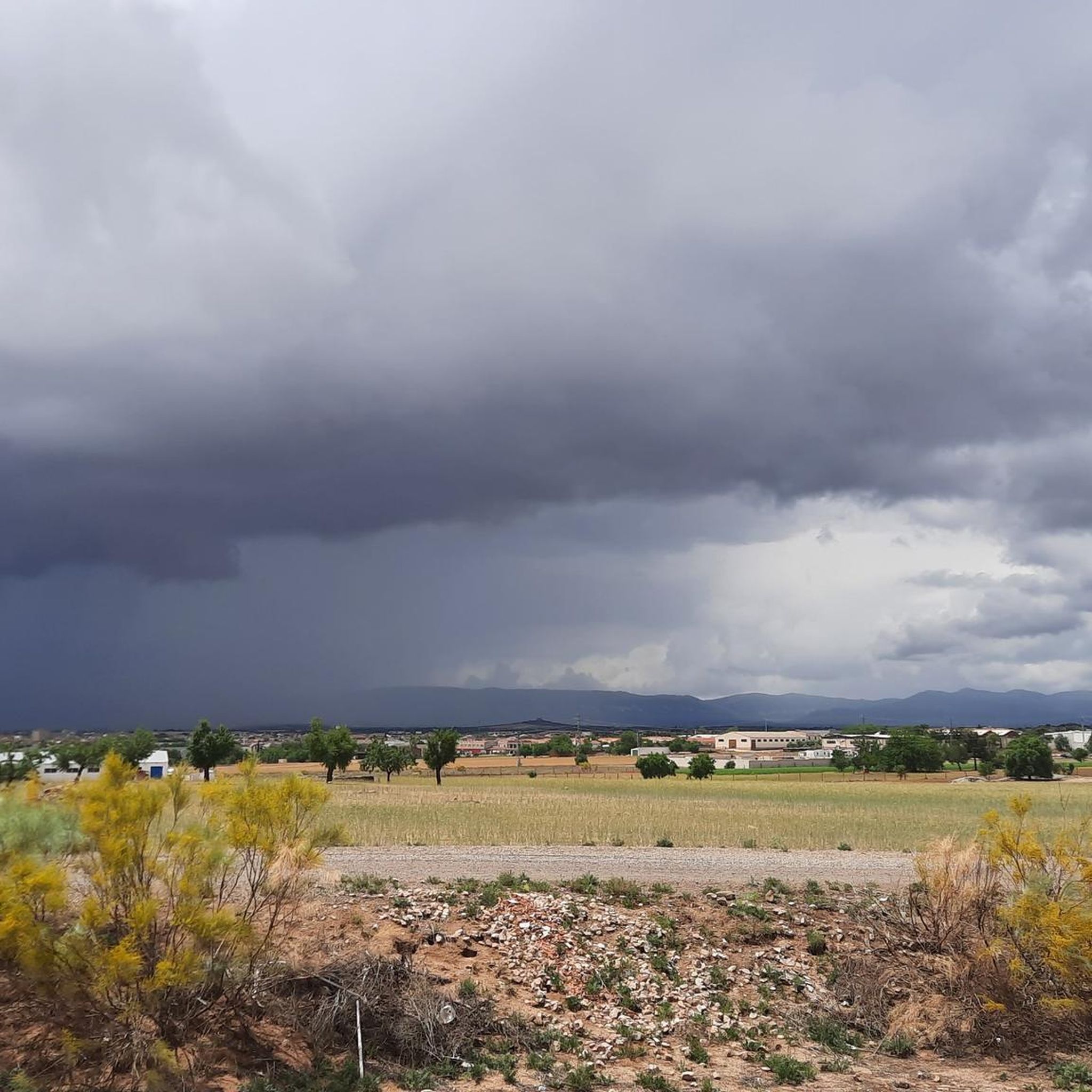


Tips from the Community

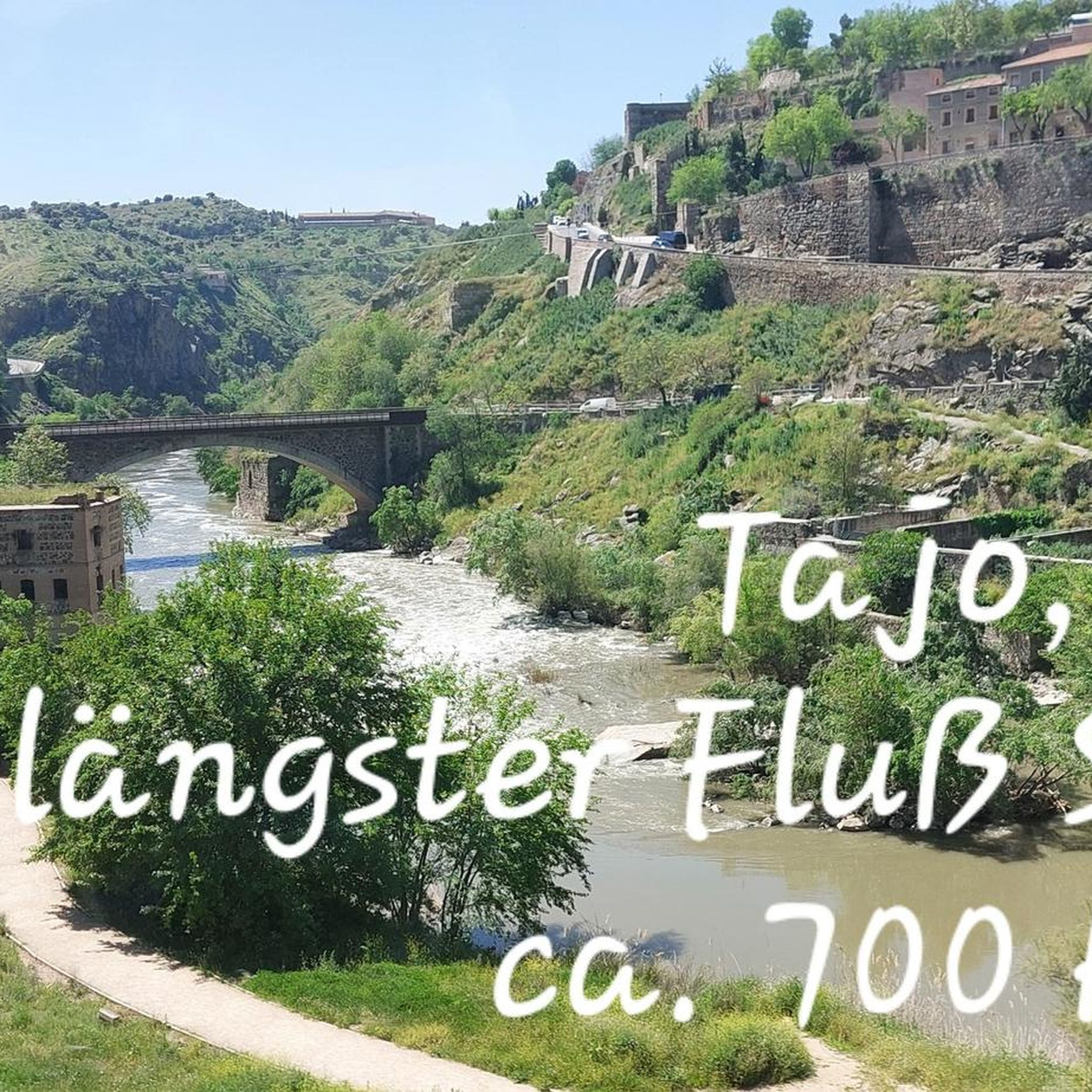
How beautifully the Tagus winds around Toledo
8
1

Currently, it is not possible to climb to the castle because a tower has collapsed.
0
1

Pico de Noez, in the Sierra de Noez mountain range (municipality of Noez, Toledo), reaches an altitude of 1034 meters, making it the highest point in the central part of the province. It stands in isolation south of the Tagus River plain, within the Montes de Toledo mountain range. At the summit, there is a geodetic marker and a compass rose carved in granite, with inscriptions from the surrounding villages (Pulgar, Polán, Guadamur, etc.).
3
0
The view of Toledo from the Mirador del Valle road is considered one of the most iconic panoramas in Spain and, for many, the best way to admire the city. From this vantage point, you can appreciate the historic center surrounded by the Tagus River, which forms a meander that embraces the city. The Alcázar of Toledo dominates the upper part of the city. The Primate Cathedral, with its prominent Gothic tower, is also visible. Historic bridges such as the Alcántara Bridge and the San Martín Bridge are also prominent.
7
0
The Church of Santa María Magdalena in Ajofrín (Toledo) Construction: Late 15th and early 16th centuries, built on the site of an earlier 12th-century church. Style: Transitional between Mudéjar Gothic and Renaissance. Floor Plan: Single nave in the shape of a Latin cross, with a square transept and deep transepts. Interior Details: Ribbed vaulting supported by corbels decorated with figures (birds with human heads). Choir loft above a segmental arch decorated with spheres. Recent discovery of an Isabelline coffered ceiling (1480), polychrome with vegetal motifs.
6
0
The Bisagra Gate is one of Toledo's most iconic monuments and a monumental entrance to its historic center. Muslim Origin: The original gate, known as the Old Bisagra Gate or Bab al-Saqra ("Sacred Gate"), was built in the 9th century during Islamic rule. Renaissance Reconstruction: In the 16th century, under the reigns of Charles V and Philip II, the New Bisagra Gate was built, the gate that remains today. Construction began around 1540 and was completed in 1576. Notable Architects: Alonso de Covarrubias, Nicolás de Vergara the Elder, Juan de Benavides, Eugenio Sánchez, among others, participated.
10
0
Ajofrín, located in the province of Toledo, is a charming town with a rich history, cultural heritage, and natural surroundings that make it an ideal destination for a relaxing getaway.
10
2
The Alcántara Bridge is one of Toledo's most iconic monuments, with a history dating back to Roman times and an architecture that has evolved over the centuries. Originally built by the Romans in the 3rd century AD, as part of the network of roads that connected the Empire. Its name comes from the Arabic "al-qanṭarah," meaning "the bridge," given by the Muslims after its reconstruction in the 10th century.
10
0
Frequently Asked Questions
Where can I find mountain bike trails if I'm staying in Chueca?
Chueca itself is an urban neighborhood in Madrid and does not have mountain bike trails. However, the broader Madrid region offers excellent mountain biking opportunities, particularly in areas like the Sierra de Guadarrama, El Pardo, and El Escorial. These natural areas are accessible from Madrid and provide diverse terrain for mountain bikers.
How many mountain bike trails are available in the wider Madrid region accessible from Chueca?
There are over 99 mountain bike routes available in the areas accessible from Chueca, offering a wide range of options for different skill levels and preferences.
What is the general difficulty level of mountain bike trails accessible from Chueca?
The trails in the region accessible from Chueca offer a good mix of difficulties. You'll find approximately 10 easy routes, 76 moderate routes, and 13 more challenging routes, ensuring options for all skill levels from beginners to advanced riders.
Are there easy mountain bike trails suitable for beginners near Chueca?
Yes, there are approximately 10 easy mountain bike routes in the areas accessible from Chueca. These trails are generally less technical and have gentler gradients, making them suitable for beginners or those looking for a more relaxed ride.
Are there challenging mountain bike trails for experienced riders?
Absolutely. For experienced riders seeking a challenge, there are around 13 difficult mountain bike routes in the region. These often feature natural singletrack, technical sections, and significant elevation changes, particularly in areas like the Sierra de Guadarrama.
What is the best time of year for mountain biking in the Madrid region?
The best times for mountain biking in the Madrid region are typically spring (April to June) and autumn (September to November). During these seasons, the weather is generally mild and pleasant, avoiding the intense heat of summer and the colder, potentially wetter conditions of winter.
Are there any scenic mountain bike routes with viewpoints or interesting landmarks?
Many routes in the region offer scenic views and pass by historical landmarks. For example, the Alcántara Bridge – View of the Palacio de Galiana loop from Sonseca features historical landmarks and scenic views. You can also explore routes that pass near attractions like Almonacid Castle or the Castle of the Counts of Orgaz.
What do other mountain bikers enjoy the most about mountain biking in the Madrid region?
The mountain biking routes in the region are highly rated by the komoot community, with an average score of 4.2 stars from over 30 reviews. Riders often praise the varied terrain, from natural singletrack to rural scenery, and the accessibility of diverse landscapes like the Sierra de Guadarrama.
Are there mountain bike routes that form a loop?
Yes, many of the mountain bike routes in the region are designed as loops, allowing you to start and finish at the same point. Examples include the Pico de Noez and Sierra de Layos Loop and the Vereda del Fraile – Tol loop from Sonseca.
Can I find mountain bike trails that pass by places to eat or cafes?
While specific cafes directly on remote trails might be limited, many routes pass through or near small towns and villages where you can find places to eat and refuel. Planning your route with komoot allows you to identify such points along the way.
What kind of terrain can I expect on mountain bike trails near Madrid?
You can expect a variety of terrain, including natural singletrack, forest paths, gravel roads, and some rocky sections, especially in mountainous areas like the Sierra de Guadarrama. The routes offer a mix of ascents and descents through varied landscapes.
Are there any historical sites or points of interest I can explore while mountain biking?
Yes, the region is rich in history. You can find routes that pass by historical sites such as Almonacid Castle, the Castle of the Counts of Orgaz, and various old churches or settlements like Burguillos de Toledo.
Most popular attractions around Chueca

Get inspired with the komoot mobile app


Explore more
Browse the best MTB trails in other regions.
