Attractions and Places To See around Granja De Torrehermosa - Top 9
Best attractions and places to see around Granja De Torrehermosa, a municipality in the province of Badajoz, Extremadura, offers a rich blend of historical landmarks, cultural sites, and natural beauty. This area, bordering the province of Córdoba, is known for its well-preserved architecture and surrounding landscapes. Visitors can explore significant religious buildings, historical settlements, and various natural points of interest.
Best attractions and places to see around Granja De Torrehermosa
- The most popular attractions is Fuente Obejuna Town Center, a settlement known for inspiring Lope de Vega's work "Fuenteovejuna". It is historically significant for events that occurred in the 15th century.
- Another must-see spot is Hermitage of Our Lady of Grace, a religious building. Its construction date is estimated between the 15th and 16th centuries, making it one of the oldest monuments in the area.
- Visitors also love Parish Church of Our Lady of the Castle, Fuente Obejuna, a religious building. Remains of the Roman city Mellaria have been found very close to this church.
- Granja De Torrehermosa is known for its historical settlements, religious buildings, and natural features. The area offers a variety of attractions to see and explore, from ancient hermitages to town centers.
- The attractions around Granja De Torrehermosa are appreciated by the komoot community, with 8 upvotes and 12 photos shared by visitors.
Last updated: May 17, 2026
Fuente Obejuna Town Center
Highlight • Settlement
It has also often been associated with the Roman municipality of Mellaria, although the most recent historical investigations make it clear that this Roman town does not share the same past as Fuente Obejuna and that it was actually located on a nearby hill.
Translated by Google •
Tip by

Hermitage of Our Lady of Grace
Highlight • Religious Site
Translated by Google •
Tip by
Sign up now to discover places like this
Get recommendations on the best single tracks, peaks, & plenty of other exciting outdoor places.
Sign up for free
Parish Church of Our Lady of the Castle, Fuente Obejuna
Highlight • Religious Site
Translated by Google •
Tip by

Granja de Torrehermosa
Highlight • Settlement
Translated by Google •
Tip by

Church of Cristo del Humilladero
Highlight • Religious Site
Translated by Google •
Tip by

Sign up for free to discover even more attractions around Granja De Torrehermosa.
Sign up for free
Already have an account?
Start today with a free account
Your next adventure awaits.
Login or Signup


Tips from the Community

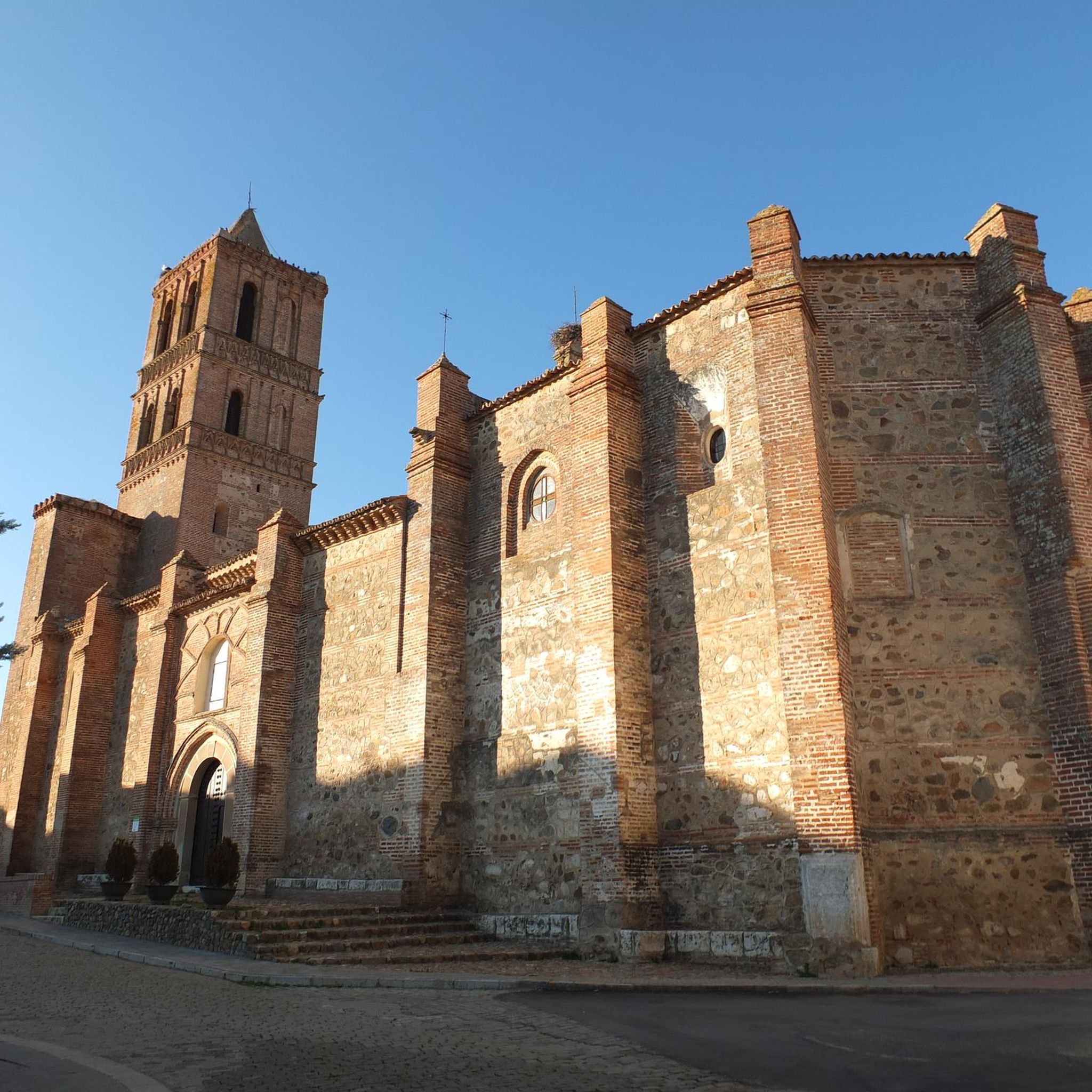
Baroque church of the eighteenth century. Opposite is a cozy square, where you can enjoy the terrace of a small bar.
2
0

Nice town to the east of the province of Badajoz, with still the Extremaduran character of its house and alleys. The casino, the town hall and also the impressive church made of maons, the Iglesia de la Purísima Concepción, stand out.
0
0

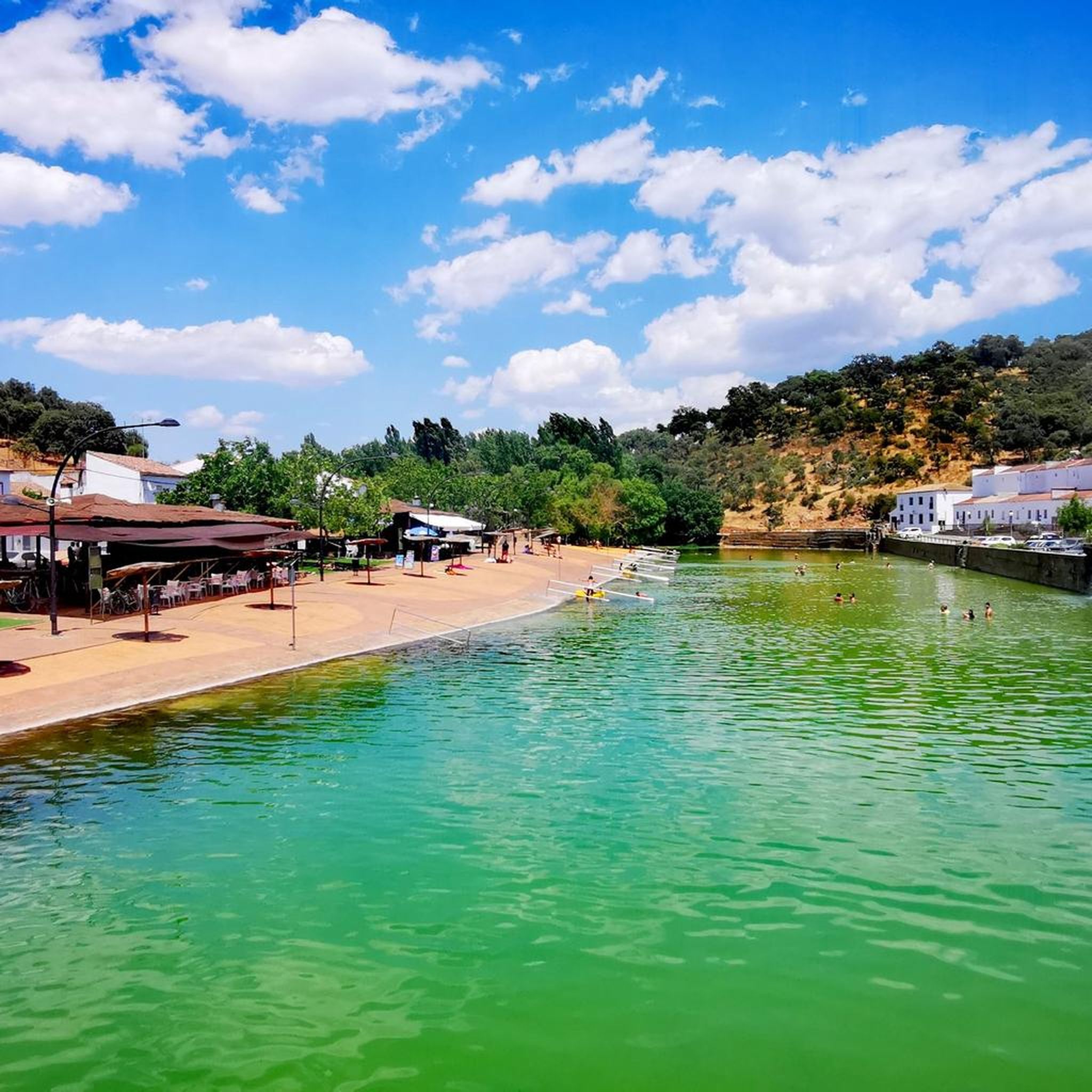
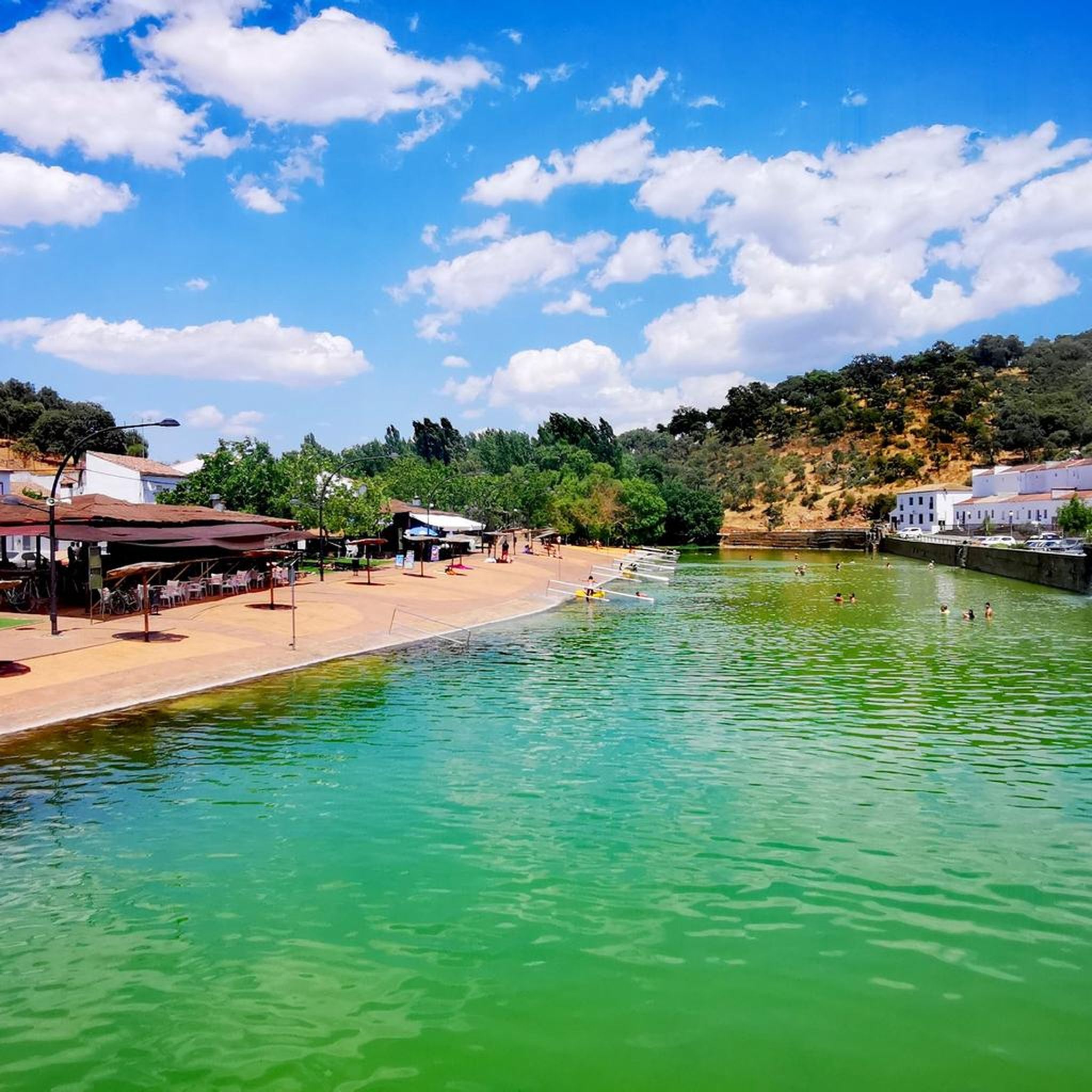
This town is perhaps best known for inspiring Lope de Vega's work "Fuenteovejuna" about the events that took place here in the 15th century that ended with the death of the village commander Fernán Gómez de Guzmán at the hands of the residents. It has also often been associated with the Roman municipality of Mellaria, although the most recent historical investigations make it clear that this Roman town does not share the same past as Fuente Obejuna and that it was actually located on a nearby hill.
3
0
Although this is one of the oldest monuments in Fuente Obejuna, its date of construction is not exactly known, although there are indications that place it between the 15th and 16th centuries. It is dedicated to the Virgen de Gracia, to whom the soldiers brought offerings as thanks when they returned from their battles or asking for protection before leaving. It is said that among these offerings there were human hands and feet, an alligator and even two whale ribs in the hermitage.
3
1
The town is located southeast of the Province of Badajoz, bordering the Autonomous Community of Andalusia through the province of Córdoba. Its church is one of the most well-known buildings and at the same time beautiful in the nucleus.
0
0

Very close to the town, remains of what was once a Roman city called Mellaria (city of honey) have been found.
1
0

make the route
0
1
Frequently Asked Questions
What historical sites can I explore in Granja de Torrehermosa?
Granja de Torrehermosa is rich in history. You can visit the Iglesia de Nuestra Señora de la Concepción, a National Monument with a famous Gothic-Mudéjar bell tower. Other notable historical sites include the 16th-century Ermita de la Magdalena and the Casa Consistorial (Town Hall), a 19th-century palatial house with Cordoban influence.
Are there any religious buildings worth visiting in the area?
Yes, the region features several significant religious buildings. Beyond the main church in Granja de Torrehermosa, you can visit the Hermitage of Our Lady of Grace, one of the oldest monuments in Fuente Obejuna dating back to the 15th-16th centuries. Also, the Parish Church of Our Lady of the Castle in Fuente Obejuna is noteworthy, with Roman city remains found nearby. The Church of Cristo del Humilladero, built in 1960 with a Baroque aesthetic, is also a key religious site.
What natural attractions are there around Granja de Torrehermosa?
The area offers beautiful natural landscapes. You can explore El Parque Municipal, one of the largest parks in the province, featuring diverse plant species and children's play areas. Another natural point of interest is Charca "El Poleo," a pond that is part of a recommended hiking route. The municipal area also includes the Nacimiento del Río Zújar (Birth of the Zújar River) in the foothills of Sierra Morena.
Are there family-friendly activities or attractions in Granja de Torrehermosa?
Yes, Granja de Torrehermosa and its surroundings offer several family-friendly options. El Parque Municipal provides children's play areas and open spaces. The Fuente Obejuna Town Center is considered family-friendly, offering a glimpse into local history and culture. Many of the religious buildings and the town of Granja de Torrehermosa itself are also suitable for family visits.
What kind of outdoor activities can I do near Granja de Torrehermosa?
The region is excellent for outdoor enthusiasts. You can enjoy various cycling routes, including gravel biking, road cycling, and touring bicycle options. For example, there are routes like the "Llerena loop from Azuaga" for gravel biking or the "Azuaga Circular via Granja de Torrehermosa" for road cycling. You can find more details and routes on the Gravel biking around Granja De Torrehermosa, Road Cycling Routes around Granja De Torrehermosa, and Cycling around Granja De Torrehermosa guide pages.
Are there hiking trails available in Granja de Torrehermosa?
Yes, Granja de Torrehermosa offers several hiking routes that allow you to appreciate the diverse local flora and fauna. Recommended trails include "Arroyo del Juncoso," "Los Rubios," and "Arroyo El Madroño." These routes showcase arboreal species like holm oaks and willows, along with plants such as oleanders and thyme. You might also spot wildlife like foxes, wild boars, and various bird species.
What is the Museo Municipal José Antonio Mateo Florez?
The Museo Municipal José Antonio Mateo Florez is a local museum dedicated to the artist José Antonio Mateo Florez. It showcases 42 of his works, highlighting his unique artistic technique. It's a great place to experience local art and culture.
What is the significance of Fuente Obejuna Town Center?
The Fuente Obejuna Town Center is historically significant as it inspired Lope de Vega's famous work "Fuenteovejuna." This play recounts events from the 15th century where residents united against a tyrannical commander. The town has also been associated with the Roman municipality of Mellaria, though recent research places the Roman town on a nearby hill.
Can I see any unique architecture in Granja de Torrehermosa?
Absolutely. Granja de Torrehermosa boasts unique architectural styles. The Iglesia de Nuestra Señora de la Concepción features a stunning Gothic-Mudéjar bell tower and one of Extremadura's finest Mudéjar facades. The Biblioteca Municipal also has a Mudéjar style facade. Additionally, the Casino building from the early 20th century incorporates a blend of Mudéjar, Renaissance, Plateresque, and Baroque elements.
What kind of wildlife can I expect to see on outdoor excursions?
When exploring the natural areas and hiking routes around Granja de Torrehermosa, you might encounter a variety of wildlife. Common sightings include foxes, genets, mongooses, and wild boars. Birdwatchers can look out for partridges, kites, blackbirds, storks, cranes, vultures, and wild ducks, especially near water sources like Charca "El Poleo" and the Zújar River.
Are there any interesting sculptures or monuments in the town?
Beyond historical buildings, Granja de Torrehermosa features several contemporary sculptures. You can find the bust of Dr. Gahete Pérez by Mariano Benlliure in the Casa Consistorial. Other notable bronze sculptures include the Recumbent Christ by Gabino Amaya, the Monument to the Countryside by Diego Garrido, and the Monument to Rural Medicine by Luis Gómez, adding to the town's cultural landscape.
What is the best time to visit Granja de Torrehermosa for outdoor activities?
The best time to visit Granja de Torrehermosa for outdoor activities like hiking and cycling is typically during the spring (March to May) and autumn (September to November). During these seasons, the weather is milder and more pleasant, making it ideal for exploring the trails and natural landscapes without the extreme heat of summer.
Most popular routes around Granja De Torrehermosa

Get inspired with the komoot mobile app


Explore more
Still not found the Highlight you’re looking for? See guides of the top attractions in other regions:
