Attractions and Places To See around Valdevimbre - Top 11
Best attractions and places to see around Valdevimbre, a town in León, Spain, is known for its wine culture, particularly the Prieto Picudo grape. The region features a blend of historical, cultural, and natural attractions, including ancient underground wineries and religious architecture. Situated in the Páramo Leonés, the area is characterized by flat landscapes, agricultural fields, and vineyards. Visitors can explore diverse sites and natural features within this region.
Best attractions and places to see around Valdevimbre
- The most popular…
Last updated: June 29, 2026
Villar de Mazarife
Highlight • Settlement
Translated by Google •
Tip by

Church of Chozas de Abajo
Highlight • Religious Site
Translated by Google •
Tip by

Sign up now to discover places like this
Get recommendations on the best single tracks, peaks, & plenty of other exciting outdoor places.
Sign up for free
Translated by Google •
Tip by

Camino de Santiago Marker 301.1 km
Highlight • Monument
Translated by Google •
Tip by
Santa María del Páramo
Highlight • Settlement
Translated by Google •
Tip by

Sign up for free to discover even more attractions around Valdevimbre.
Sign up for free
Already have an account?
Start today with a free account
Your next adventure awaits.
Login or Signup
Tips from the Community

The Church of Chozas de Abajo is located in the central square of the town, next to the House of Culture. It is a modern and simple construction, with a bell tower that stands out for its artistic design and breaks with traditional rules. This church is an important landmark in the town and is part of local festivities, such as the Fiestas de San Martín on November 11 and the Fiesta del Verano on August 10.
4
0

Santa María del Páramo is a village in the Spanish province of León, in the autonomous community of Castilla y León. It is located in the region of Páramo Leonés and has approximately 3041 inhabitants. The village is known for its vibrant cultural, sporting and tourist activities. It organizes a wide range of events, including the 63rd Feria, various summer activities for children, and an international football tournament. The landscape of Santa María del Páramo is characterized by its location on the plain of Páramo Leonés, a vast plateau between the valleys of the Órbigo and Esla rivers.
2
0
On the Camino de Santiago, you will find signs and symbols that will guide you during your pilgrimage. In short, if you pay attention to these signs, it is unlikely that you will get lost on the Camino de Santiago. Have a good trip! 🚶♂️🌟
4
1

marking of kilometers on the path
3
0

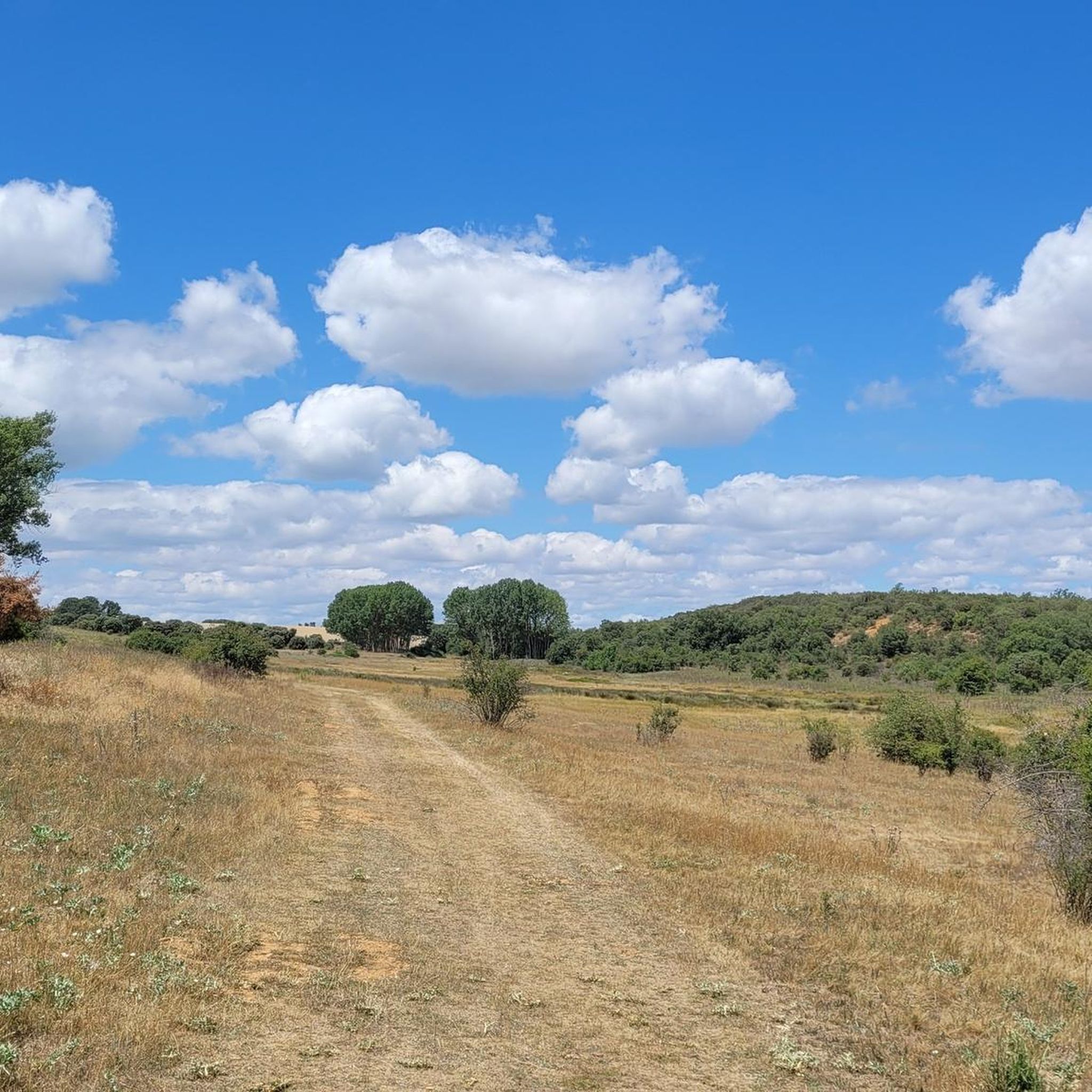
Lonely route and good alternative to the route next to the country road. However, it offers little shade.
3
0

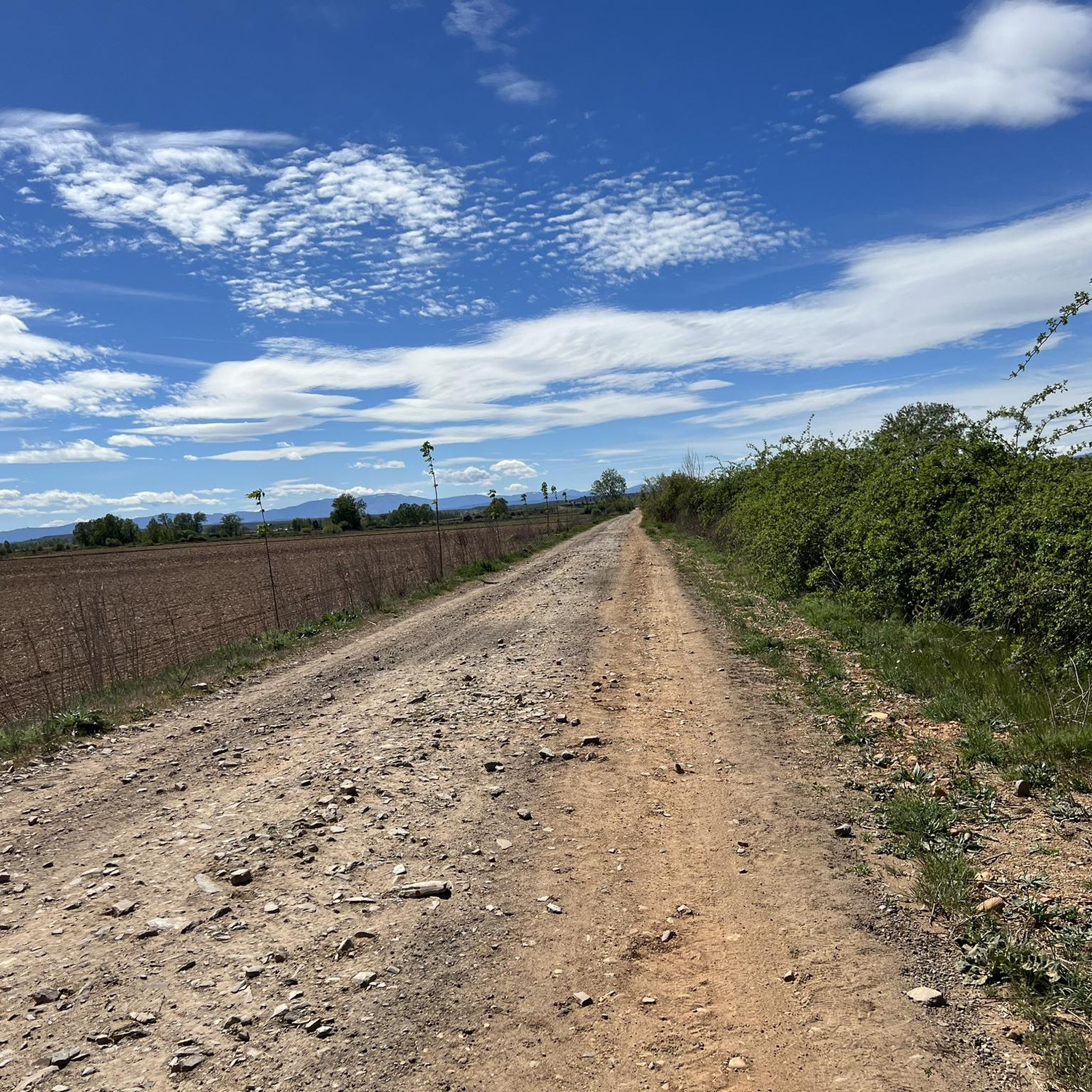
Nice views of the agricultural fields in this section of the Camino Frances between Oncina de la Valdoncina and Chozas de Abajo.
4
0

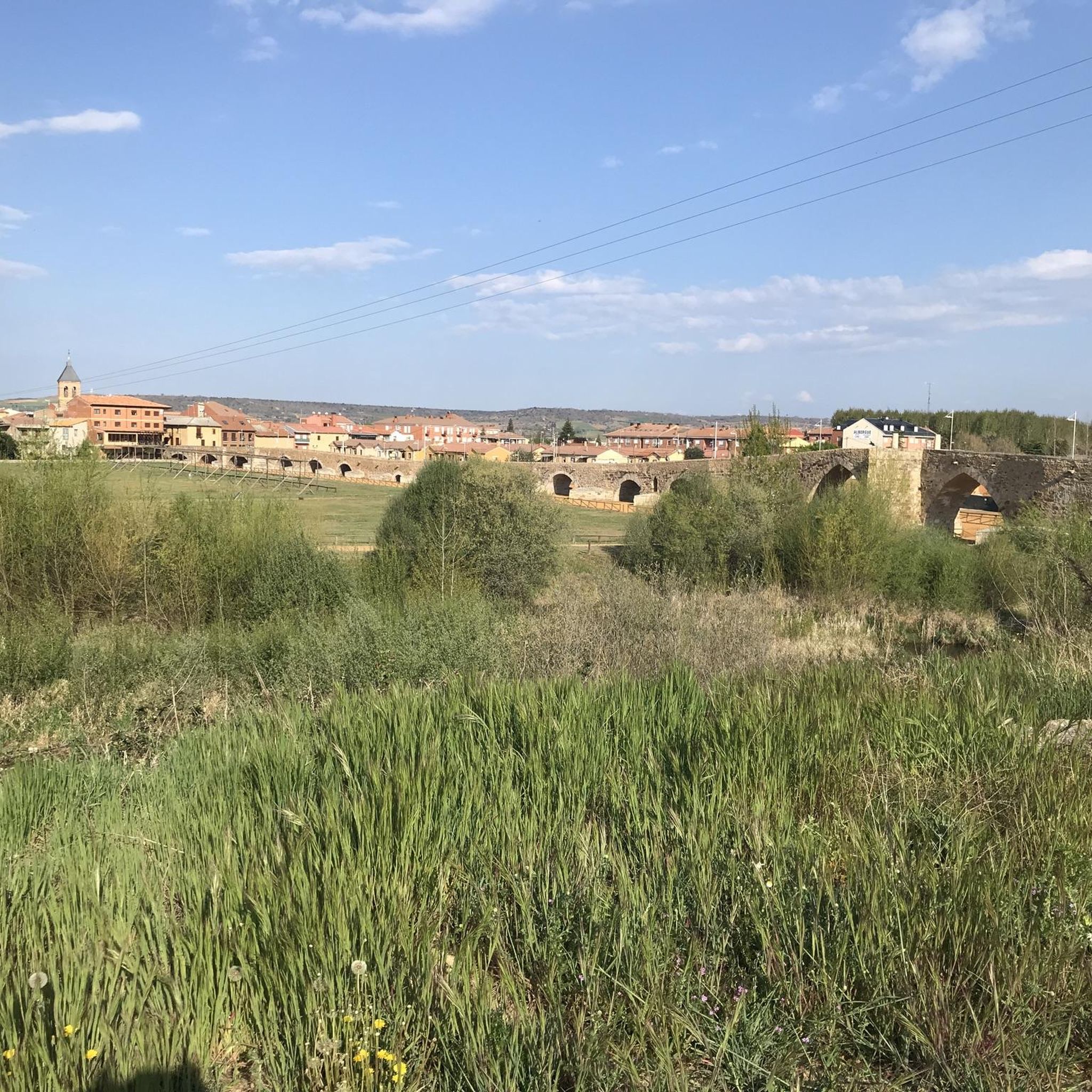
Located in the Plaza Mayor, the parish church has some Romanesque carvings, religious and 15th century artifacts and a Gothic transept, but its main feature is the tower. A good place to stop for food and drinks.
1
0

The "páramo" may sound inhospitable, but this area has its particular beauty of cultivated fields, canals and churches dotted here and there. Santa María del Páramo brings together a large part of economic and social life, with a bustling market and numerous options to regain strength.
2
0
Frequently Asked Questions
What are the main cultural and historical attractions in Valdevimbre?
Valdevimbre is rich in cultural and historical sites. You can explore the region's viticultural heritage at the Valdevimbre Wine Museum, housed in a 300-year-old cave-bodega. The town also features significant religious architecture like the Parish Church of Valdevimbre and the Hermitage of San Antonio, both showcasing Renaissance style. Additionally, the nearby settlement of Villar de Mazarife boasts an impressive church dedicated to Saint James with a notable altarpiece.
Can I experience the local wine culture in Valdevimbre?
Absolutely. Valdevimbre is renowned for its deep-rooted wine culture, particularly its Prieto Picudo grape. You can visit the Valdevimbre Wine Museum for an immersive experience into traditional winemaking. Many historic cave-bodegas, once used for wine production, have been transformed into restaurants, offering a unique dining experience alongside local wines. The region is also part of the Tierra de León Designation of Origin, with numerous vineyards and wine routes to explore.
What natural landscapes can I explore around Valdevimbre?
The area around Valdevimbre, part of the Páramo Leonés region, offers a unique flat landscape characterized by extensive agricultural fields and vineyards. You can enjoy views of these fields, especially along sections of the Camino Francés, such as the View of the agricultural fields along the Camino Francés between Oncina de la Valdoncina and Chozas de Abajo. The region also features patches of natural vegetation, including oak and poplar groves, and seasonal lagoons and springs like Fuente Virtudes.
Are there opportunities for hiking or cycling near Valdevimbre?
Yes, the flat landscapes and agricultural roads around Valdevimbre are ideal for outdoor activities. For running, you can find various routes, including a Santa María del Páramo loop. Cyclists have many options, from moderate touring bicycle routes like the El Páramo Leonés circular from Santa María del Páramo to road cycling routes such as the Valdevimbre – Grain Silo in Palanquinos loop.
Are there family-friendly attractions or activities in Valdevimbre?
Many attractions in the Valdevimbre area are suitable for families. Exploring the historic cave-bodegas and the Valdevimbre Wine Museum can be an educational experience. The Church of Chozas de Abajo, with its modern design, is an interesting local landmark. Gentle walks through the vineyards and agricultural fields, such as those offering views along the Camino Francés, are also pleasant for families.
What kind of wildlife can be observed in the Valdevimbre area?
Nearly half of the Valdevimbre municipality is part of the Natura 2000 network (ZEPA Páramo Leonés), making it an important area for birdwatching. You might spot various steppe bird species, including the little bustard, Montagu's harrier, pallid harrier, great bustard, and pin-tailed sandgrouse, especially in the protected agricultural and natural areas.
When is the best time to visit Valdevimbre for outdoor activities?
The best time to visit Valdevimbre for outdoor activities is generally during spring (April to June) and autumn (September to October). During these seasons, the weather is typically mild and pleasant, ideal for exploring vineyards, hiking, and cycling. Summers can be hot, while winters are cooler and may have occasional frost.
Are there any unique dining experiences in Valdevimbre?
Yes, Valdevimbre is famous for its historic cave-bodegas, many of which have been converted into restaurants. These subterranean structures, excavated from clay earth, offer a unique and intimate dining atmosphere with vaulted ceilings and natural ventilation. They are perfect for enjoying traditional Leonese cuisine and local wines.
What is the significance of the Camino de Santiago in the Valdevimbre region?
The Camino de Santiago, specifically the Camino Francés, passes through the Valdevimbre region. You'll find markers like the Camino de Santiago Marker 301.1 km, guiding pilgrims. The presence of the Camino means you can experience sections of this historic pilgrimage route, offering both cultural insights and scenic walks through agricultural landscapes.
What are some notable nearby towns or settlements to visit?
Beyond Valdevimbre itself, the municipality includes charming smaller settlements like Fontecha, Palacios de Fontecha, Pobladura de Fontecha, Vallejo, Villabañe, and Villagallegos, each contributing to the rural character. Santa María del Páramo is another significant village in the region, known for its cultural and sporting activities, and its parish church with Romanesque carvings.
Are there any wheelchair-accessible attractions in the Valdevimbre area?
While specific accessibility details for all attractions vary, the settlement of Santa María del Páramo is noted as being wheelchair accessible. When planning your visit, it's always recommended to check with individual venues or sites for their specific accessibility provisions.

Get inspired with the komoot mobile app


Explore more
Still not found the Highlight you’re looking for? See guides of the top attractions in other regions:
