Top 9 Castles around Barberà Del Vallès
Best castles around Barberà Del Vallès are found in a region with a significant historical past, strategically located along ancient routes. The area features historical defensive structures that have undergone centuries of evolution. Visitors can explore a landscape where medieval fortresses and later architectural transformations reflect the region's heritage.
Best castles around Barberà Del Vallès
- The most popular castles is Sentmenat Castle, a castle that is a large Gothic building rebuilt on older foundations, featuring walls 3 meters thick…
Last updated: June 29, 2026
Sentmenat Castle
Highlight • Castle
The castle is in a strategic place. The façade, oriented to the …
Translated by Google •
Tip by

Torre Baró Castle
Highlight • Castle
Translated by Google •
Tip by
Sign up now to discover places like this
Get recommendations on the best single tracks, peaks, & plenty of other exciting outdoor places.
Sign up for free
La Torre Negra
Highlight • Castle
Translated by Google •
Tip by

Mogoda neighborhood and Mogoda Castle
Highlight • Historical Site
Translated by Google •
Tip by
Can Taió Castle
Highlight • Castle
Translated by Google •
Tip by
Sign up for free to discover even more castles around Barberà Del Vallès.
Sign up for free
Already have an account?
Start today with a free account
Your next adventure awaits.
Login or Signup
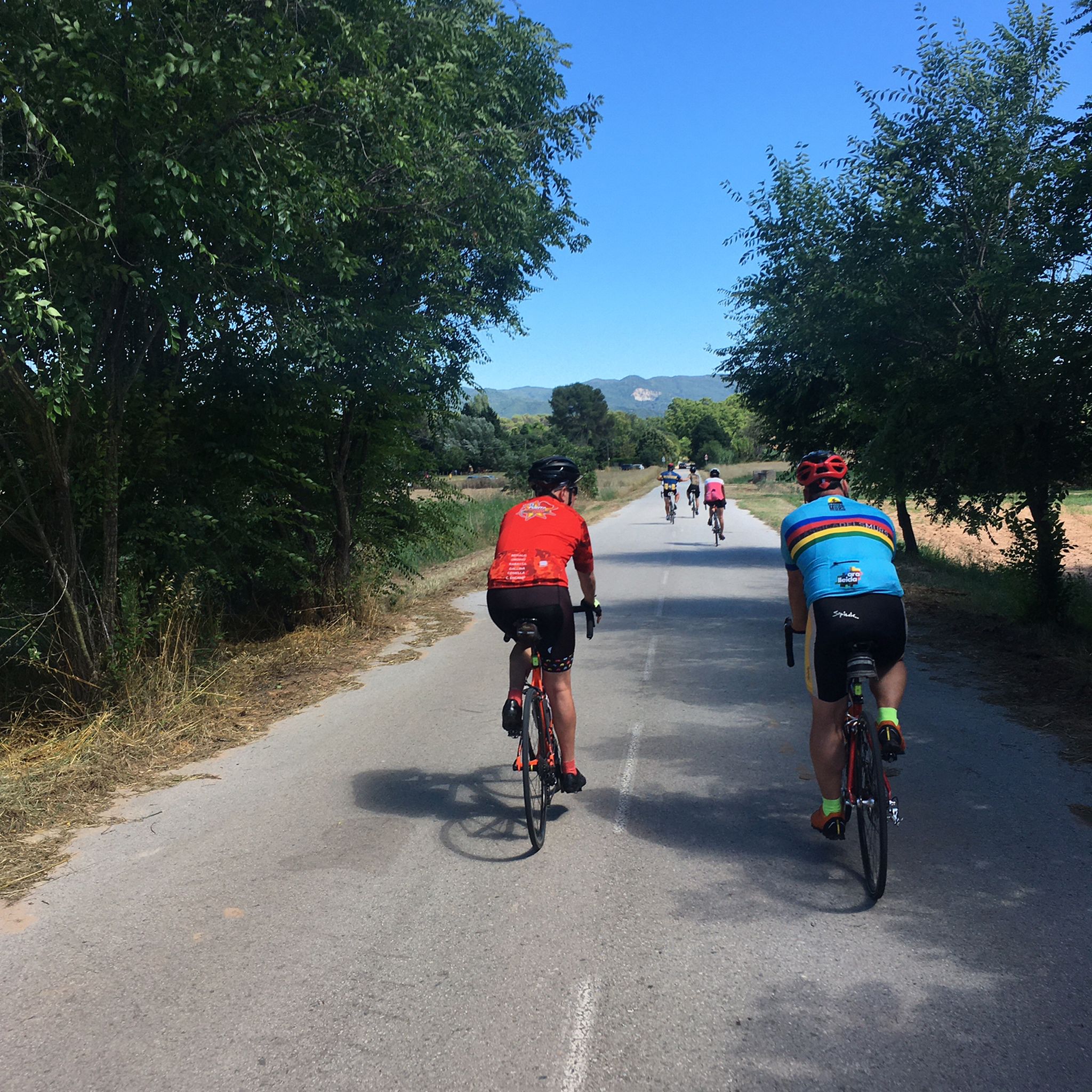
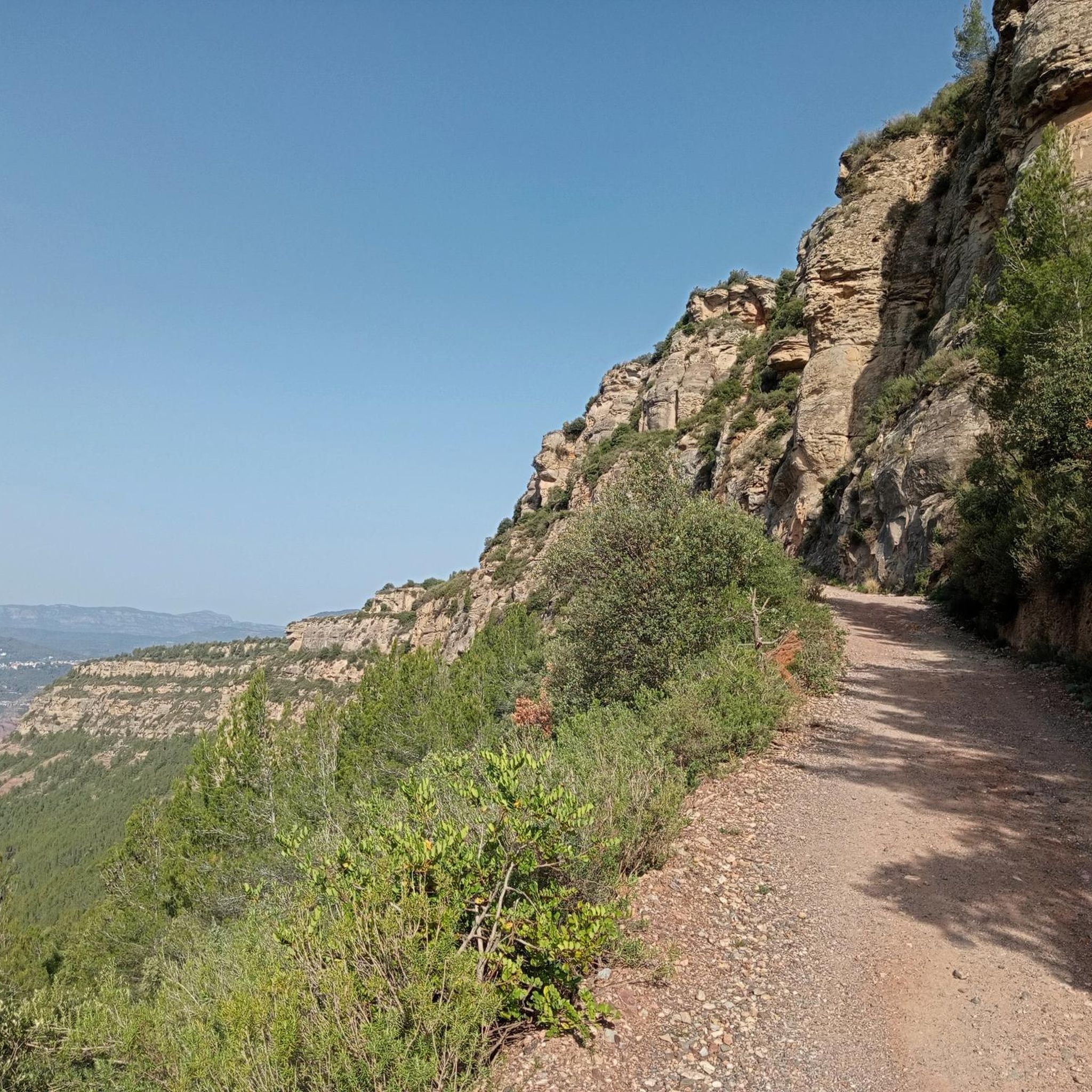
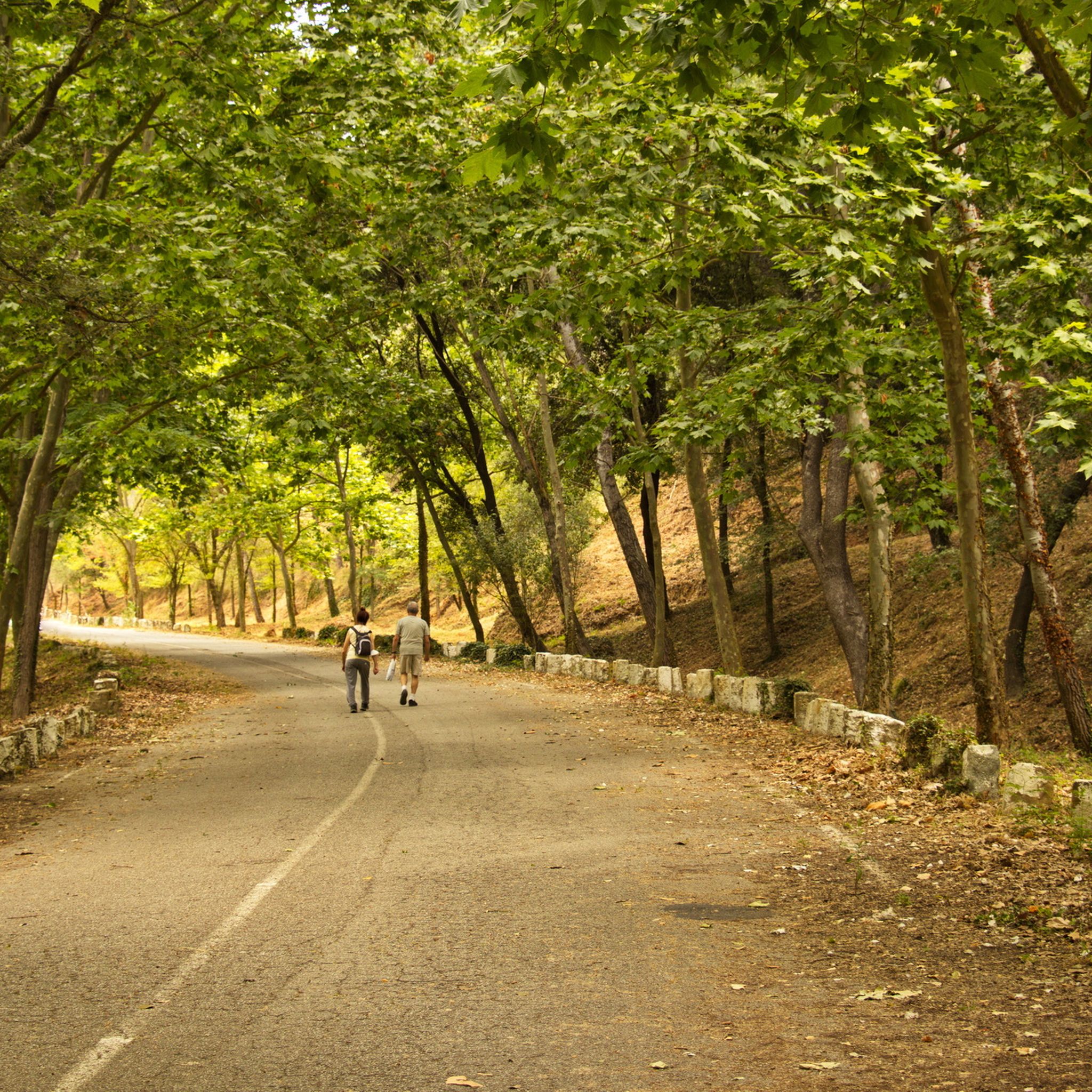
Tips from the Community


An oasis in the middle of so much urbanization and bustle
2
0

Despite its medieval appearance, the Castell de Torre Baró, which dominates the neighbourhood, is a construction from the beginning of the 20th century. It was built as a project to create a hotel that would be the center of an urbanization in the area, but in the end the urban plan did not work and it ended up abandoned without having finished the works. Finally, in 1989 it was restored and declared historical heritage by the Barcelona City Council, and a magnificent viewpoint was built around it. It is currently an information and environmental education point in the Collserola park. Among other activities, guided tours of the castle, itineraries to discover the surroundings and educational workshops for all audiences are offered. It is one of the best viewpoints in Barcelona, from which you can see Nou Barris, Horta, Sant Andreu, Sant Martí and, beyond, the Besòs river and the Collserola buttresses, with the towns of Santa Coloma, Sant Adrià and Badalona .
8
0
Become one of the most emblematic symbols of Nou Barris, the Castell de Torre Baró is located between the neighborhoods of Roquetes and Torre Baró. The name of Torre Baró actually comes from another tower, currently missing, which was located where the metro station is today, and which was the residence of the Baron de Pinós until in 1714, as a result of the War of Succession, it was destroyed.
8
0

The Black Tower is a Romanesque military construction in the municipality of San Cugat del Vallés, very well preserved, with a quadrangular plan and three stories high with a square tower attached to one corner of the building. Since 1842 until today it is in private hands and belongs to the Rabadà family. Some windows on the façade are geminated and the entrance door is formed by a semicircular arch. Located in a natural setting between two streams, at the entrance to the Gausac valley on the border between the Collserola mountain range and the southern fields of the Vallés plain, with views over the entire horizon to the north. Its origin dates back to the 12th century, in a castle named Ricanli or Ricard, built in the time of Abbot Ermengol and it seems that it was rebuilt between the 14th and 15th centuries. The Black Tower owes its current name to its dark-colored stone walls. Its first known inhabitants were the Vilanova in the 12th century. Later it passed to the Palou family. Throughout the Middle Ages it was the subject of disputes between the owners and the Sant Cugat monastery, which opposed its construction.
0
0
The 50 houses on this L-shaped street make up the Mogoda neighborhood, belonging to the municipality of Santa Perpètua de Mogoda. They are constructions from the end of the 19th century. The neighborhood revolves around the 12th century fortified farmhouse, residence of the Mogoda lords and seat of the Mogoda barony, owned by the Montealegre Charterhouse between the 15th and 19th centuries. Access to the current estate is through a modernist-style arch-shaped portal that leads to the parade ground. The complex is made up of several buildings: the fortified farmhouse, the chapel, the residential building and the stables. They all surround the old parade ground. The Mogoda neighborhood gives its name to the town and is the deepest root of the town of Santa Perpètua de Mogoda. It is located in the southeast of the urban nucleus, bordering between the Caldes stream, the Caldes highway and the Renfe Mollet-Papiol line.
27
0
Sentmenat Castle is a castle in the municipality of Sentmenat (Barcelona) declared a cultural asset of national interest. The castle is in a strategic place. The façade, oriented to the west, is on the margin of the ravine that forms the Sentmenat stream. Built on a flat ridge of the ridge, 1,300 m northwest of the parish church of the village of Sentmenat. It is a large Gothic building rebuilt on older foundations. In the fortress, it is reached through a stone bridge that protrudes from the castle and that seems to replace the old drawbridge. The grandeur of its fortress is manifested with walls three meters thick. The castle is made up of two rectangular bodies, arranged octagonally, with the ends joined by another body, the plan of which describes an arc of a quarter circle, more or less regular. These three bodies surround a patio in the shape of a trapezoid.
15
0
Sentmenat Castle is a castle in the municipality of Sentmenat (Barcelona) declared a cultural asset of national interest. The castle is located in a strategic place. The facade, facing west, is on the edge of the ravine formed by the Sentmenat stream. Built on a flat ridge, at 1,300 m in the northwest of the parish church of the town of Sentmenat. It is a large Gothic building rebuilt on older foundations. At the fortress, it is reached via a stone bridge that protrudes from the castle and seems to replace the old drawbridge. The grandeur of its fortress is manifested with walls three meters thick. The castle is made up of two rectangular bodies, arranged octagonally, with the ends joined by another body, whose ground plan describes an arc of a quarter of a circle, more or less regular. These three bodies surround a patio in the shape of a trapezoid. The main facade, made up of uneven ashlars joined to mortar, is above the stream bank, while the rear part has a semicircle shape and faces the plain.
7
0
Frequently Asked Questions
What historical castles can I explore in the Barberà del Vallès region?
The region is rich in history. While the prominent Castillo de Barberà del Vallès is currently closed to the public, you can still appreciate its historical significance and architectural remnants from the exterior, including its moat and inclined walls. Other notable historical sites include Sentmenat Castle, a large Gothic building with foundations dating back centuries, and La Torre Negra, a well-preserved Romanesque military construction from the 12th century.
Are there any castles with great viewpoints in the area?
Yes, several castles offer excellent views. Torre Baró Castle, despite its 20th-century construction, provides panoramic views of Nou Barris, Horta, Sant Andreu, Sant Martí, and beyond. La Torre Negra is also situated in a natural setting with views over the northern horizon.
Which castles are suitable for a family outing?
For a family-friendly experience, consider visiting Mogoda neighborhood and Mogoda Castle, which features a 12th-century fortified farmhouse and a charming surrounding area. Another great option is Can Taió Castle, a late 17th-century house converted into a castle, offering a beautiful excursion suitable for all ages.
What kind of outdoor activities can I do near these castles?
The region around Barberà del Vallès offers various outdoor activities. You can explore numerous cycling routes, including gravel biking and road cycling. For example, there are challenging gravel routes like the 'Ripoll River – Molí d'en Fontanet Footbridge loop' or road cycling routes such as the 'Castellar del Vallès and Sabadell Loop'. Mountain biking enthusiasts can find trails like the 'Ribatallada Lime Kiln – Pi de les Tres Branques loop'. You can find more details on these and other routes in the Gravel biking around Barberà Del Vallès, Road Cycling Routes around Barberà Del Vallès, and MTB Trails around Barberà Del Vallès guides.
Is public transport available to reach castles in the Barberà del Vallès area?
While specific public transport routes to individual castles can vary, the region is generally accessible. For instance, Torre Baró Castle is located within Barcelona's urban area, making it relatively accessible by public transport. For other castles, it's advisable to check local bus or train schedules to the nearest towns and plan for a walk or short taxi ride to the castle itself.
Are there any castles that are particularly well-preserved or have unique architectural features?
Absolutely. Sentmenat Castle is a large Gothic building known for its impressive three-meter-thick walls and a stone bridge that replaced an old drawbridge. La Torre Negra is a remarkably well-preserved Romanesque military construction with a quadrangular plan and a square tower. Even the exterior of the Castillo de Barberà del Vallès showcases ancient elements like a moat and an inclined wall, reflecting its long history.
What is the best time of year to visit the castles around Barberà del Vallès?
The Barberà del Vallès region enjoys a Mediterranean climate, making castle visits pleasant for much of the year. Spring (April-June) and autumn (September-October) offer mild temperatures and beautiful scenery, ideal for exploring on foot. Winter can also be a good time for walks, especially if you prefer fewer crowds, though some facilities might have reduced hours. Summers can be hot, so plan visits for early mornings or late afternoons.
Can I find any 'hidden gems' or less-known historical sites in the region?
Beyond the more prominent castles, the region holds several historical points of interest. The Torre de Ca n'Altimira is a medieval defensive tower that contributes to the historical landscape and can be explored as part of a heritage route in Barberà del Vallès. While less information is publicly available about its interior, its exterior is a testament to the area's rich past.
Are there any castles that are accessible for visitors with limited mobility?
Accessibility can vary significantly between historical sites. Many older castles, due to their original defensive design, may have uneven terrain, stairs, or limited access. For places like the Castillo de Barberà del Vallès, while the interior is not accessible, the exterior grounds around the moat and walls can be observed. For specific accessibility needs, it's recommended to check directly with the site or local tourism information before your visit, especially for sites like Torre Baró Castle which serves as an information point.
What do visitors enjoy most about the castles in the Barberà del Vallès region?
Visitors frequently appreciate the blend of historical significance and natural beauty. The opportunity to explore ancient fortresses, imagine their past, and enjoy panoramic views from sites like Torre Baró Castle is a major draw. The well-preserved architecture of places like La Torre Negra and the unique transformations of castles like Can Taió Castle also receive high praise from the komoot community.
Are there walking or hiking opportunities around the castles?
Yes, many castles are situated in areas conducive to walking and hiking. For example, La Torre Negra is located in a natural setting between two streams, offering pleasant walks. The area around Can Taió Castle is also described as a beautiful excursion spot. You can find various hiking and walking routes in the region, often passing by or near these historical sites, providing a great way to combine history with outdoor activity.
Most popular routes around Barberà Del Vallès
Most popular attractions around Barberà Del Vallès

Get inspired with the komoot mobile app


Explore more
Looking for the best castles somewhere else? Discover other guides around Barberà Del Vallès:
