Attractions and Places To See around Cedrillas - Top 20
Best attractions and places to see around Cedrillas include a rich blend of historical landmarks, natural beauty, and cultural sites. This municipality in the province of Teruel, Aragón, is nestled alongside the Mijares River and situated between mountain ranges. It offers diverse landscapes, from mountain reliefs to cultivated fields, making it a destination for outdoor enthusiasts and those interested in cultural heritage.
Best attractions and places to see around Cedrillas
- The most popular attractions is Alcalá de la Selva Castle, a castle that is part of the beautiful Turolense town of Alcalà de la Selva. This castle is of Muslim and medieval origin, and the town is located at an altitude of 1,400 m in the Sierra de Gúdar mountain range.
- Another must-see spot is Puerto de Cabigordo top of the col sign., a mountain pass. This long port features 3 ascent areas interspersed with flatter sections, offering a challenging experience for cyclists.
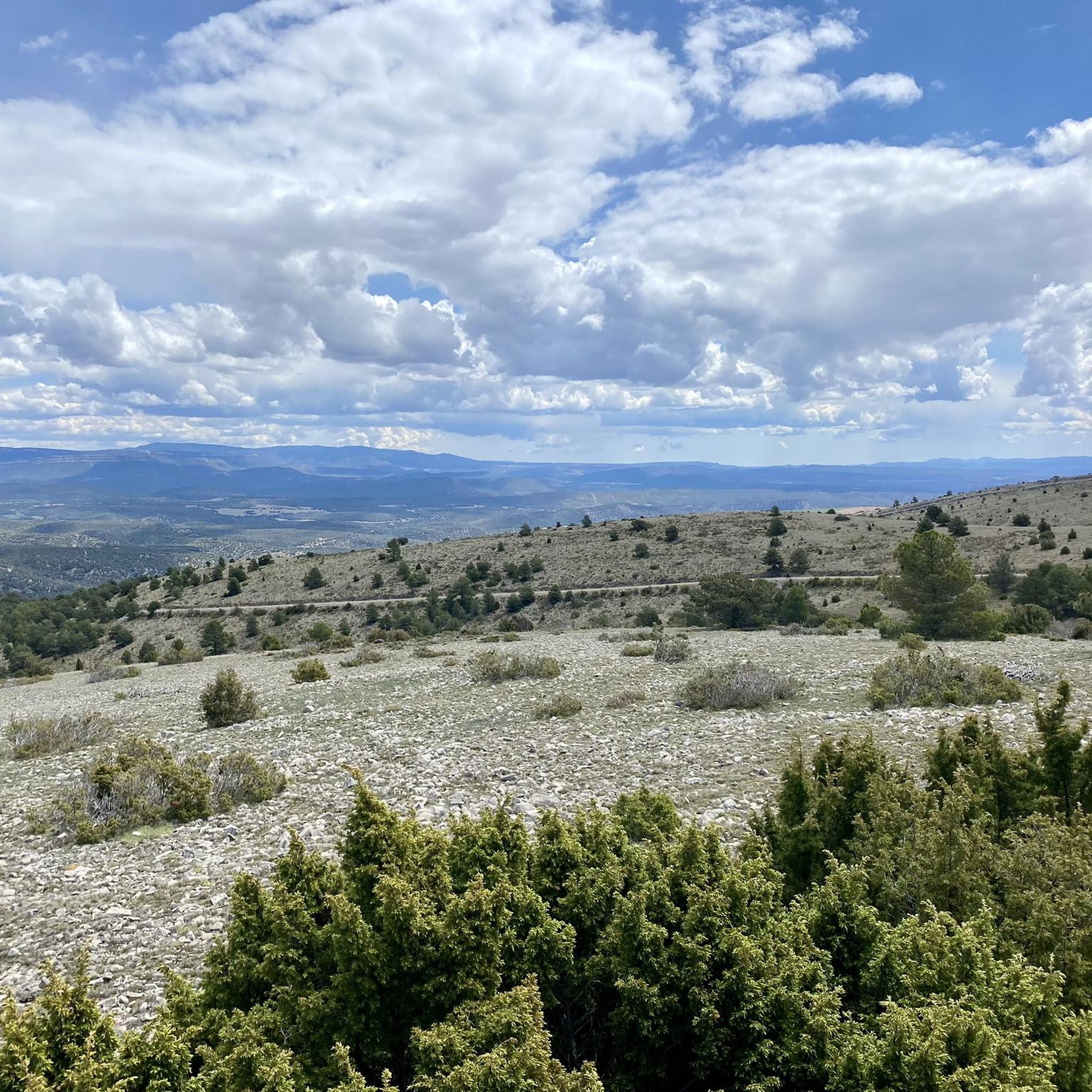
- Visitors also love Peñarroya Summit and Observation Tower, a summit and viewpoint. This panoramic point offers 360-degree views of the entire valley and the interior of Teruel from an observation turret at over 2028 meters above sea level.
- Cedrillas is known for its castles, historical sites, and natural viewpoints. Visitors can explore a variety of attractions, from ancient settlements to challenging mountain passes and scenic summits.
- The attractions around Cedrillas are appreciated by the komoot community, with 18 upvotes and 4 photos shared.
Last updated: August 30, 2026
Alcalá de la Selva Castle
Highlight • Castle
Translated by Google •
Tip by

Peñarroya Summit and Observation Tower
Highlight • Summit
Translated by Google •
Tip by

Sign up now to discover places like this
Get recommendations on the best single tracks, peaks, & plenty of other exciting outdoor places.
Sign up for free
Alcalá de la Selva
Highlight • Settlement
Translated by Google •
Tip by

Puerto de Cabigordo top of the col sign.
Highlight • Mountain Pass
puertos-en-bici.com/2013/07/puerto-de-cabigordo_5658.html
Translated by Google •
Tip by

Virgen de la Vega
Highlight • Settlement
Tip by

Sign up for free to discover even more attractions around Cedrillas.
Sign up for free
Already have an account?
Start today with a free account
Your next adventure awaits.
Login or Signup

Tips from the Community

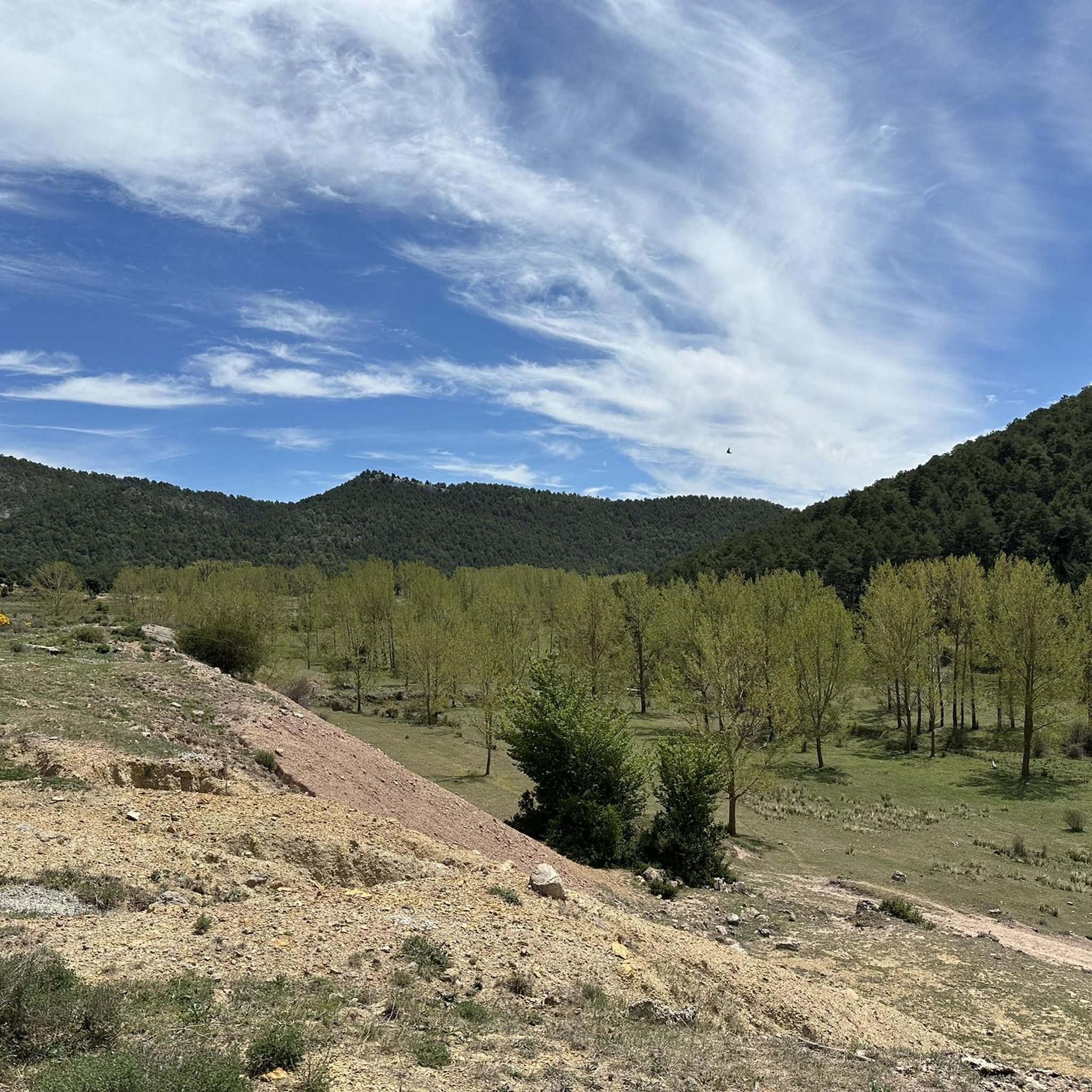
Alcalá de la Selva is a charming municipality in the province of Teruel, Aragon. Of Arab origin, it offers a stunning view of the town.
4
0

Alcalá de la Selva is located at an altitude of 1,400 m in the Sierra de Gúdar mountain range. The Alcalá River flows at its feet, feeding an abundance of small vegetable gardens. Today, Alcalá de la Selva, with around 500 inhabitants, is the main winter resort in the province of Teruel.
1
0

It is located in the southern area of Aragon, specifically, in the Gudar/Javalambre region, at an altitude of 1,400 m. and its dry climate is temperate-cold with an average annual temperature of 8ºC. It snows and rains frequently, keeping the forests green. The natural sources and streams in the area prove it.
1
0
The geodesic vertex called Peñarroya points 2028.228 m with respect to the base of the observation pillar, but it sits on two bodies of stone masonry. Altitude of the bodies of the order of 10 or 11 meters in total. LIDAR data confirm a ground level elevation of 2017 m. Peñarroya is a chromotoponym that refers to the color of the rocks that make up the mountain. The spelling in the Spanish language is Peñarroya and in the Aragonese language Penyarroya or Peñarroya depending on the spelling chosen for the palatal nasal. The origin of the toponym is quite clear. It combines the common noun peña, from the Latin PĭNNAM, 'battlement', with the adjective RŭBEŭS, -A, -UM 'blond'. The toponym reflects the reddish hue of the terrain. The spelling Penya (in addition to others such as Penna or Peña) is included in many medieval texts in Aragon. For example, in 1448 to designate the summit of the mountain range (of Peña) that rises above Sos del Rey Católico on the border, then, with the kingdom of Navarra.
1
0

Place to recover strength after going down the Valdelinares ski slope. Town that has services and bars to eat. There are bars that can prepare simple vegetarian options. Place to recover strength after going down the Valdelinares ski slope. It is a town that has shops and bars to eat. There are bars that can prepare simple vegetarian options.
1
0

The beautiful Turolense town of Alcalà de la Selva is located in the Gúdar-Javalambre region and is under the watchful eye of the Heredia castle of Muslim and medieval origin. We can also visit the Hermitages of Nuestra Señora de Loreto and San Roque or the Church of San Simón and San Judas.
1
0

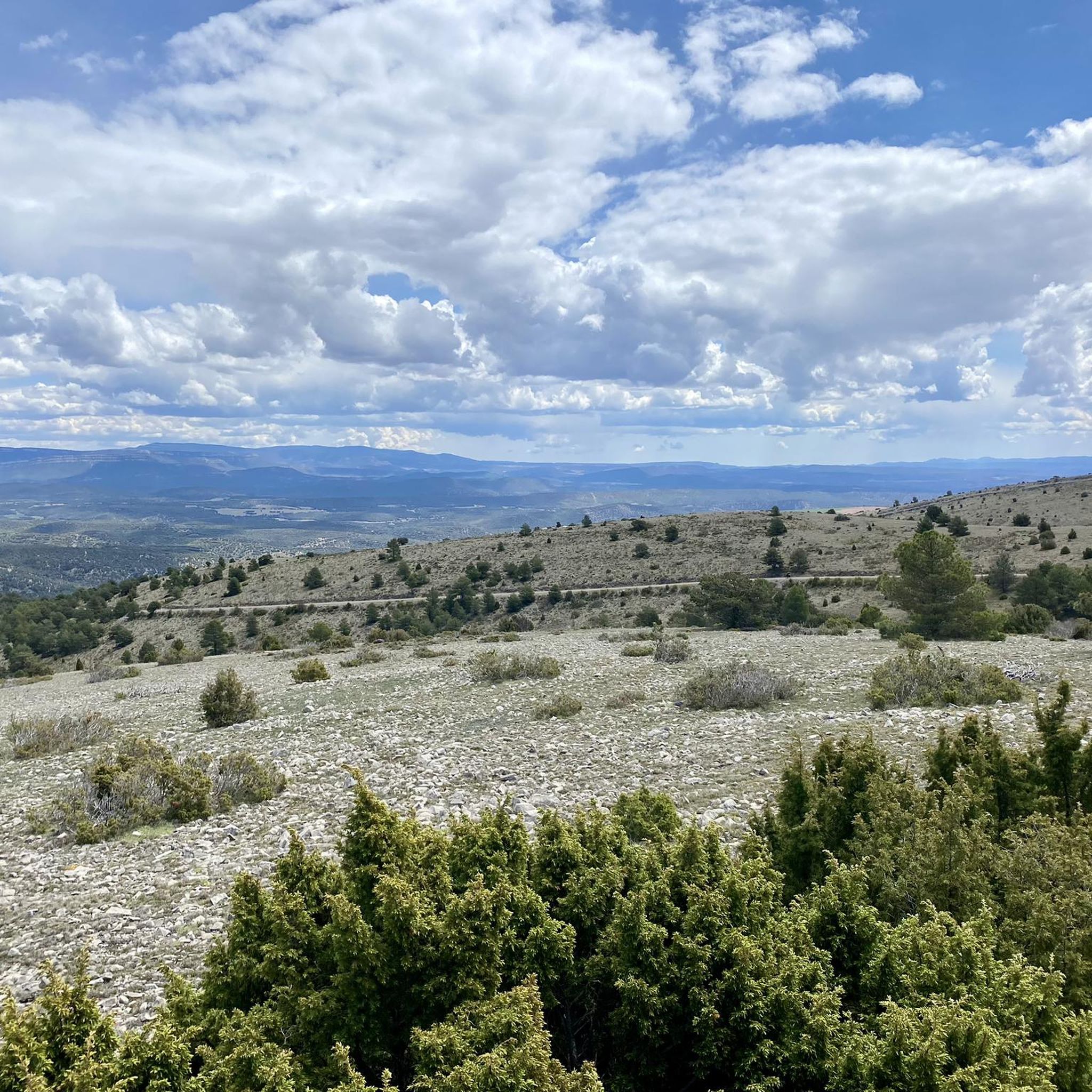
A few kilometers from the Valdelinares ski resort is this panoramic point with very beautiful views of the entire valley and the interior of Teruel. The built turret allows you to climb above the 2028 masl of the top and to be able to have 360 degree panoramic views without obstacles ahead.
1
0
Beautiful and quiet town in the interior of Teruel popularly known for the Castle of Alcalá de la Selva that was donated by Alfonso I around the year 1118. Here you will find all the necessary services, it is a town with movement throughout the year given its proximity to the Station Valdelinares ski resort and in the warm months you can enjoy several hiking trails in the area.
3
1
Frequently Asked Questions
What historical landmarks can I explore in Cedrillas?
Cedrillas offers a rich history with several notable landmarks. You can visit the ancient Cedrillas Castle, which dates back to the 12th century and offers a glimpse into the town's past. Other significant sites include the 16th-century Church of El Salvador with its unique Neo-Mudéjar tower, and the Hermitage of Santa Quiteria, the oldest hermitage dedicated to the town's patron saint. Don't miss the 15th-century old Cedrillas Town Hall and the 16th-century Cedrillas Fountain in the main square.
Are there any castles or historical sites outside the main town of Cedrillas?
Yes, beyond Cedrillas itself, you can explore the impressive Alcalá de la Selva Castle. This castle is of Muslim and medieval origin and is part of the beautiful Turolense town of Alcalá de la Selva, located at an altitude of 1,400 m in the Sierra de Gúdar mountain range.
Where can I find panoramic views of the Cedrillas region?
For breathtaking panoramic views, head to the Peñarroya Summit and Observation Tower. Located a few kilometers from the Valdelinares ski resort, this point offers stunning 360-degree views of the entire valley and the interior of Teruel from an observation turret at over 2028 meters above sea level.
What natural attractions are there to visit in Cedrillas?
Cedrillas is rich in natural beauty. You can visit the Source of the Mijares River, an area known for its biodiversity and scenic quality, complete with a recreational picnic area. The natural areas of El Rebollar and El Chaparral also showcase the diverse flora and fauna of the region, including wild boar, mountain goats, rabbits, and hares.
Are there family-friendly activities or places to visit in Cedrillas?
Yes, Cedrillas offers options for families. The Hermitage of Santa Quiteria has a recreational area with tables and barbecues, perfect for a family outing. The settlement of Virgen de la Vega is also considered family-friendly, offering a pretty mountain town setting. The main town of Cedrillas itself provides services like accommodation, bars, and restaurants suitable for families.
What kind of hiking trails are available around Cedrillas?
Cedrillas is a great base for hiking, offering various trails with different difficulty levels. Popular routes include the relatively easy Route of the Source of the Mijares River, the medium-difficulty Route of the Camino Real (Jorcas-Cedrillas), and the scenic Route of the Viewpoints. You can find more detailed information and routes, including the PR TE 45 Ruta del río Seco, on the Running Trails around Cedrillas guide.
Can I go cycling near Cedrillas attractions?
Absolutely! The region around Cedrillas is popular for cycling. You can find challenging routes like the one passing through Puerto de Cabigordo top of the col sign., which features multiple ascent areas. For more road cycling options, check out the Road Cycling Routes around Cedrillas guide. If you prefer mountain biking, there are also dedicated MTB Trails around Cedrillas.
What is the best time of year to visit Cedrillas?
Cedrillas experiences a temperate-cold, dry climate with an average annual temperature of 8ºC. While it snows and rains frequently, keeping the forests green, the area is popular in both summer and winter. Summer is ideal for hiking and exploring natural sites, while winter offers opportunities for snow activities, especially near the Valdelinares ski resort.
Is there a museum in Cedrillas?
Yes, the Cedrillas Museum, located in the 'Casa de la Cultural Fermín Alegre,' offers two main sections. The 'Museo de Cedrillas' focuses on the natural, cultural, and landscape heritage of the municipality, while 'Castillos, templos y masías' is a permanent exhibition on the architectural heritage of the Alto Alfambra Poplar Cultural Park.
What do visitors enjoy most about the attractions around Cedrillas?
Visitors particularly appreciate the diverse landscapes and the blend of historical and natural sites. The panoramic views from spots like Peñarroya Summit and Observation Tower are highly rated. Cyclists enjoy the challenging mountain passes, and many find the charming towns and historical castles, such as Alcalá de la Selva Castle, to be captivating.
Are there any specific tips for visiting the Peñarroya Summit?
When visiting the Peñarroya Summit and Observation Tower, be sure to keep your eyes wide open to take in the extensive landscape. The built turret allows you to climb above 2028 meters above sea level, providing unobstructed 360-degree panoramic views.
What should I know if I plan to cycle the Puerto de Cabigordo?
The Puerto de Cabigordo is a long pass with three distinct ascent areas interspersed with flatter sections. The most challenging part is typically at the end, with about 4 kilometers averaging an 8% gradient. The road is generally in good condition, but be aware that it can be very hot in summer and cold in winter, with a chance of snow at the top. There are no fountains for long stretches, so stock up on water before you go.
Most popular routes around Cedrillas
Most popular attractions around Cedrillas

Get inspired with the komoot mobile app


Explore more
Still not found the Highlight you’re looking for? See guides of the top attractions in other regions:
