Attractions and Places To See around Palacios Del Pan - Top 20
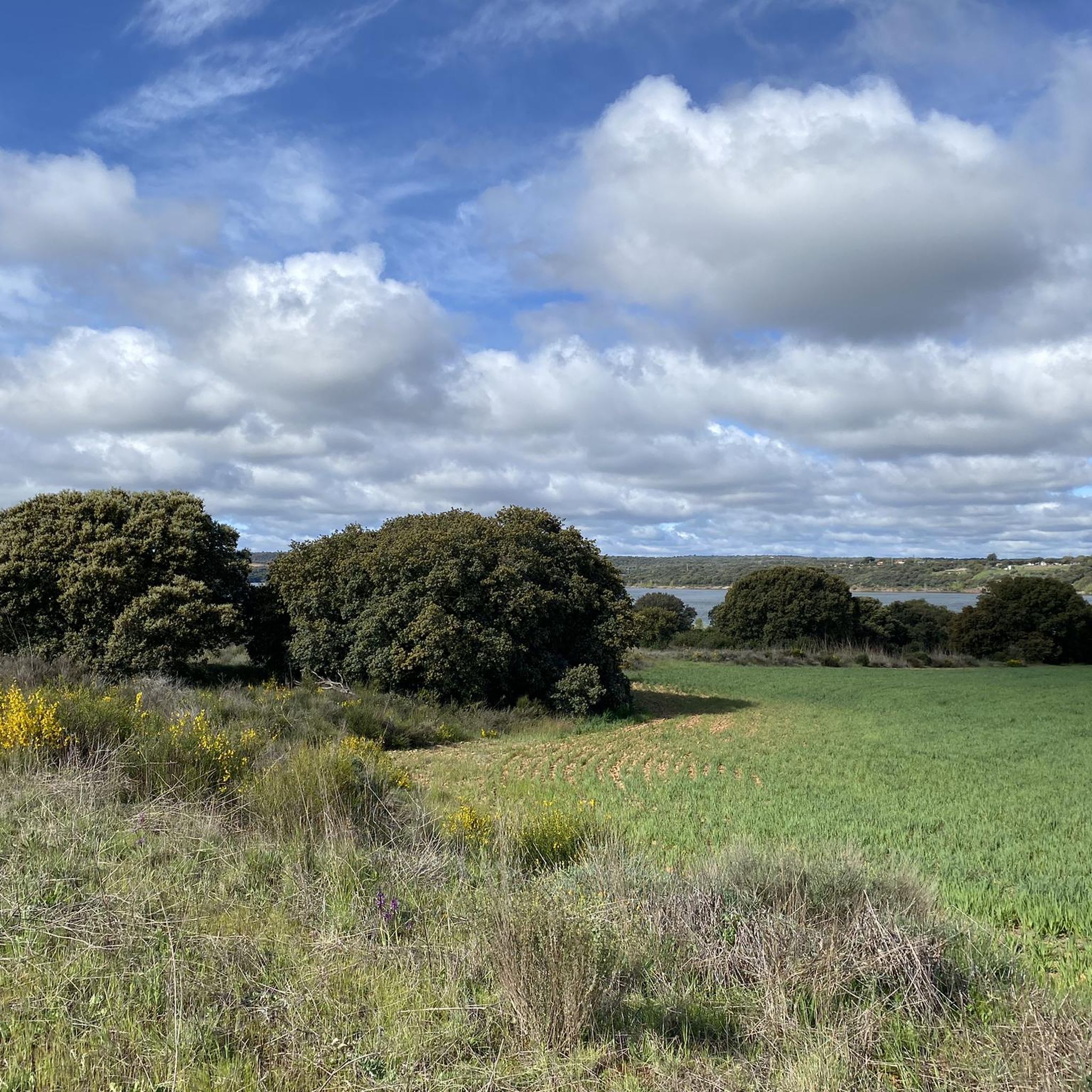
Best attractions and places to see around Palacios Del Pan, located in the province of Zamora, offer a mix of natural beauty, historical landmarks, and cultural sites. The region is characterized by the Esla River and the Ricobayo Reservoir, which shape its landscape and provide opportunities for outdoor activities. Visitors can explore engineering marvels, ancient ruins, and religious buildings, reflecting the area's rich history. The terrain features varied landscapes, from river gorges to oak groves, providing diverse points of interest.
…Last updated: July 2, 2026
Church of Santa María la Real de La Hiniesta
Highlight • Religious Site
Translated by Google •
Tip by

Hermitage of the Virgin of the Castle
Highlight • Religious Site
Translated by Google •
Tip by

Sign up now to discover places like this
Get recommendations on the best single tracks, peaks, & plenty of other exciting outdoor places.
Sign up for free
Ricobayo Dam
Highlight (Segment) • Monument
Completed in 1934, it was …
Translated by Google •
Tip by
Church of San Pedro de la Nave
Highlight • Religious Site
Translated by Google •
Tip by
Ricobayo Reservoir
Highlight • Lake
Translated by Google •
Tip by

Sign up for free to discover even more attractions around Palacios Del Pan.
Sign up for free
Already have an account?
Start today with a free account
Your next adventure awaits.
Login or Signup

Tips from the Community

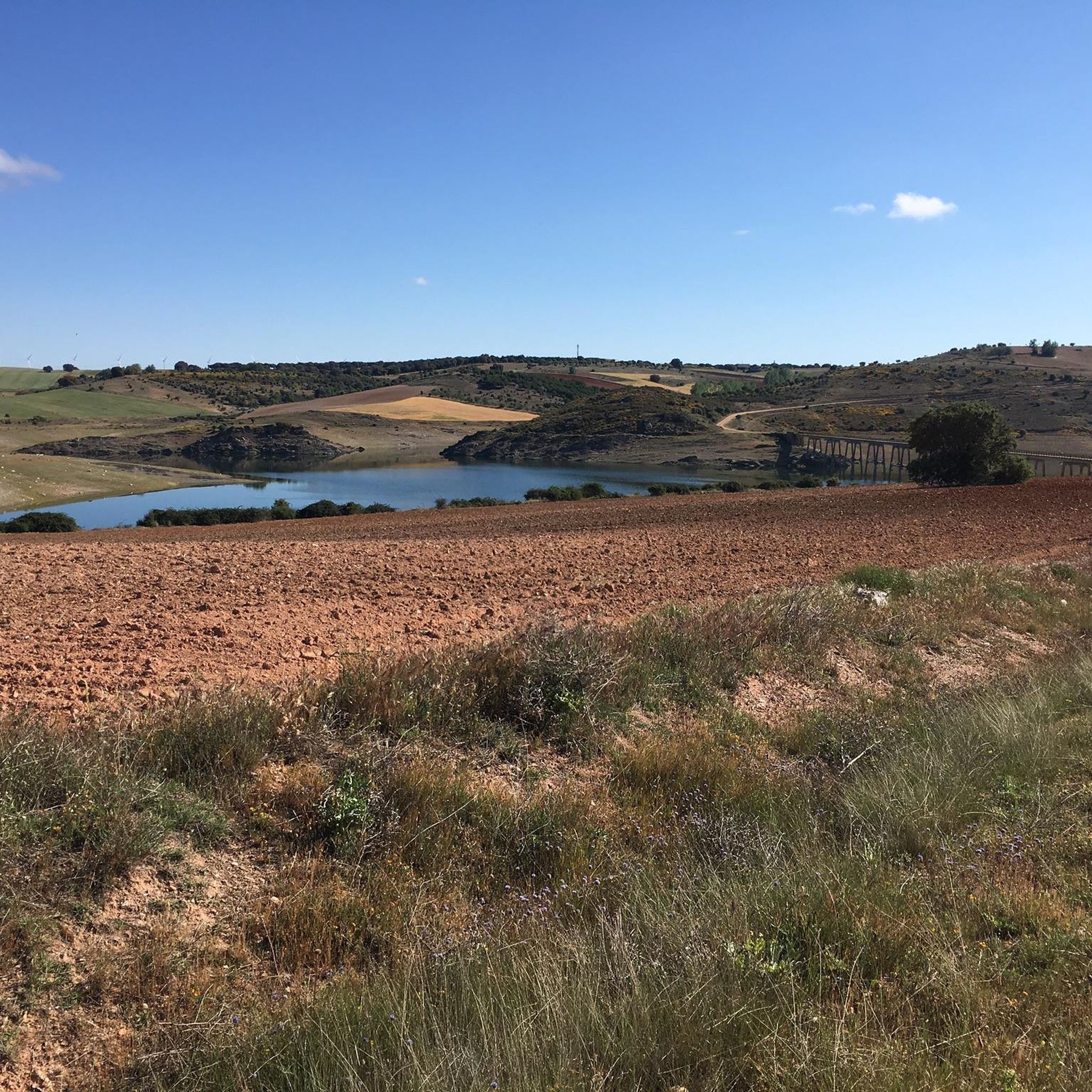
What to see and do Viewpoints: There are scenic viewpoints along the road and in the surrounding area offering views of the dam and reservoir. Ricobayo Reservoir: Ideal for water sports, fishing, and hiking. Natural surroundings: Very close to the Arribes del Duero Natural Park, with its spectacular landscapes.
2
0
The Ricobayo Dam is located on the Esla River, in the province of Zamora (Castilla y León), and is part of the Iberdrola hydroelectric system. Completed in 1934, it was one of the major hydraulic engineering projects of the 20th century in Spain.
2
0
The Ricobayo Reservoir, also known as Salto de Ricobayo or Embalse del Esla, is an impressive hydroelectric engineering project located on the Esla River, less than 1 km from Ricobayo de Alba, in the municipality of Muelas del Pan. The reservoir is located in the area known as the Arribes del Esla, a deep geographic depression with spectacular landscapes.
1
0

Visigothic church (7th century) of San Pedro de la Nave. It originally stood on the banks of the Esla River, but the construction of the Ricobayo reservoir threatened to flood it. Historian Manuel Gómez Moreno managed to have it dismantled from its original location and moved stone by stone between 1930 and 1932 to the nearest town: El Campillo, where it can be seen today.
0
0
It's striking to find a church of this size in a small town, but its origin lies in a tradition that dates back to the late 13th century. Tradition tells us that while King Sancho IV was in Zamora recovering from a fever and wanting to escape his boredom, he organized a hunting trip. During the hunt, one of his falcons shot down a partridge and, upon hunting, found it sheltered among some broom bushes, protected by a small statue of the Virgin. The king ordered the statue of the Virgin to be immediately moved to the Church of San Antolín in the city of Zamora and ordered a church dedicated to Santa María la Real to be erected in her honor on the spot where the statue was found.
1
0
The Church of San Pedro de la Nave is a 7th century Visigoth temple located in the town of El Campillo, municipality of San Pedro de la Nave-Almendra, in the province of Zamora, Spain. It was declared a National Monument on April 22, 1912. The construction of the temple dates back to the end of the 7th century and the beginning of the 8th century, possibly between the years 680 and 711, which makes it one of the last works of Visigothic art. Originally, it was located on the banks of the Esla River, but when the Ricobayo reservoir was built, it was moved stone by stone to the current location.
3
0

In one of the meanders of the Ricobayo Reservoir we find this small town which is accompanied by the Iglesia de San Pedro de la Nave. Old and remote town of Campillo.
0
0

La Hiniesta was originally founded in the 12th century but later became famous for the construction of Santa María la Real, declared a historical-artistic monument.
2
0
Frequently Asked Questions
What historical sites can I explore around Palacios Del Pan?
The region is rich in history. You can visit the impressive Church of Santa María la Real de La Hiniesta, a historical religious building founded in the 12th century. Another significant site is the Church of San Pedro de la Nave, a 7th-century Visigothic temple that was famously relocated stone by stone. Additionally, explore the intriguing ruins of El Casetón de los Moros, believed to be a large semi-subterranean Roman cistern, and see a Roman milestone at the Miliario Romano in Parque del Frontón.
Are there any impressive engineering marvels to see in the area?
Yes, the region features notable engineering achievements. The Ricobayo Dam, completed in 1934, is a significant hydroelectric project on the Esla River, offering spectacular views of its huge concrete structure. You can also admire the Viaducto de Martín Gil, an impressive railway bridge that was once the largest reinforced concrete arch in the world, providing striking views over the Esla River.
What natural features and viewpoints are worth visiting near Palacios Del Pan?
The area boasts beautiful natural landscapes. The Ricobayo Reservoir is a significant natural attraction, ideal for water sports and offering scenic viewpoints. You can also visit the Dehesa de Mázares for varied landscapes, Peñas Rojas for its beauty, and El Sierro, known for its beautiful sunsets. The Hermitage of the Virgin of the Castle also serves as a viewpoint with panoramic vistas.
What outdoor activities can I do around Palacios Del Pan?
The surroundings of the Ricobayo Reservoir and the Esla River are perfect for outdoor activities. You can enjoy walks, water sports, and fishing. For more structured activities, there are numerous routes for hiking, cycling, and mountain biking. Popular hiking routes include the 'Route of the Perones and Cadozos waterfall' and the 'Ricobayo Reservoir and Virgen del Castillo Loop'.
Are there any family-friendly attractions or activities in the region?
Families can enjoy the natural beauty of the Ricobayo Reservoir, which offers a beach and opportunities for water sports. The Church of San Pedro de la Nave, with its unique history of being relocated stone by stone, can be an interesting educational visit for all ages. Gentle walks along the Esla River also provide pleasant family outings.
What cultural traditions or festivities are celebrated in Palacios Del Pan?
Palacios del Pan maintains several vibrant traditional celebrations. These include Los Cencerreros y la Vaquilla, a winter masquerade performed on Carnival Sunday afternoon, and La Cordera, a religious theatrical representation held on Christmas Eve. The town also observes local festivities like Fiestas de Cristo in April, Fiesta del Rosario in October, and Fiestas del "Turista" in August, which often include a pilgrimage of the Virgen del Carmen.
Where can I find picturesque sunsets in the area?
For beautiful sunsets, head to El Sierro. The surroundings of the Ricobayo Reservoir and the course of the Esla River also offer many points with picturesque views, especially at dusk.
What is the significance of El Pueblo Viejo?
El Pueblo Viejo refers to the original site of Palacios del Pan. This old town was submerged by the Ricobayo Reservoir when it was constructed, offering a poignant glimpse into the town's past and serving as a unique natural feature that occasionally reveals itself during periods of drought.
Are there any specific hiking trails recommended for different difficulty levels?
Yes, the area offers a variety of hiking trails. For an easy walk, consider 'La Palia Waterfall - round trip from Valdoradas bridge'. Moderate options include the 'Route of the Perones and Cadozos waterfall'. If you're looking for a more challenging hike, the 'Ricobayo Reservoir and Virgen del Castillo Loop' or 'Puente de Valdelasmozas from El Campillo' are available. You can find more details on these and other routes in the hiking guide for Palacios Del Pan.
What makes the Church of Santa María la Real de La Hiniesta unique?
The Church of Santa María la Real de La Hiniesta is striking due to its considerable size for a small town and its rich historical-artistic significance. Originally founded in the 12th century, its origin is tied to a local tradition involving King Sancho IV and a miraculous statue of the Virgin found among broom bushes.
What is the best time to visit Palacios Del Pan for outdoor activities?
The region is generally pleasant for outdoor activities during spring and autumn when temperatures are milder. Summer can be warm, ideal for water sports at the Ricobayo Reservoir, while winter offers a different charm, especially during traditional festivities like Los Cencerreros.
Most popular attractions around Palacios Del Pan

Get inspired with the komoot mobile app


Explore more
Still not found the Highlight you’re looking for? See guides of the top attractions in other regions:
