Attractions and Places To See around Vall D'Alba - Top 20
Best attractions and places to see around Vall D'Alba include a variety of religious landmarks, cultural sites, and natural features. This municipality in the province of Castellón offers a Mediterranean landscape with generally flat terrain, providing a setting for diverse outdoor activities. Visitors can explore historical sites, enjoy scenic viewpoints, and discover areas dedicated to the region's agrarian heritage. The area is suitable for those interested in both cultural exploration and nature.
Best attractions and places to see around Vall…
Last updated: August 16, 2026
Hermitage of San Miguel on Pico Bartolo
Highlight • Religious Site
Showing Translation
Tip by

Bartolo Summit
Highlight • Summit
Translated by Google •
Tip by

Sign up now to discover places like this
Get recommendations on the best single tracks, peaks, & plenty of other exciting outdoor places.
Sign up for free
Arch of Cabanes
Highlight • Historical Site
Translated by Google •
Tip by

Bandereta Pass
Highlight • Mountain Pass
Showing Translation
Tip by

Puerto de la Serratella
Highlight (Segment) • Mountain Pass
Showing Translation
Tip by
Sign up for free to discover even more attractions around Vall D'Alba.
Sign up for free
Already have an account?
Start today with a free account
Your next adventure awaits.
Login or Signup
Popular around Vall D'Alba
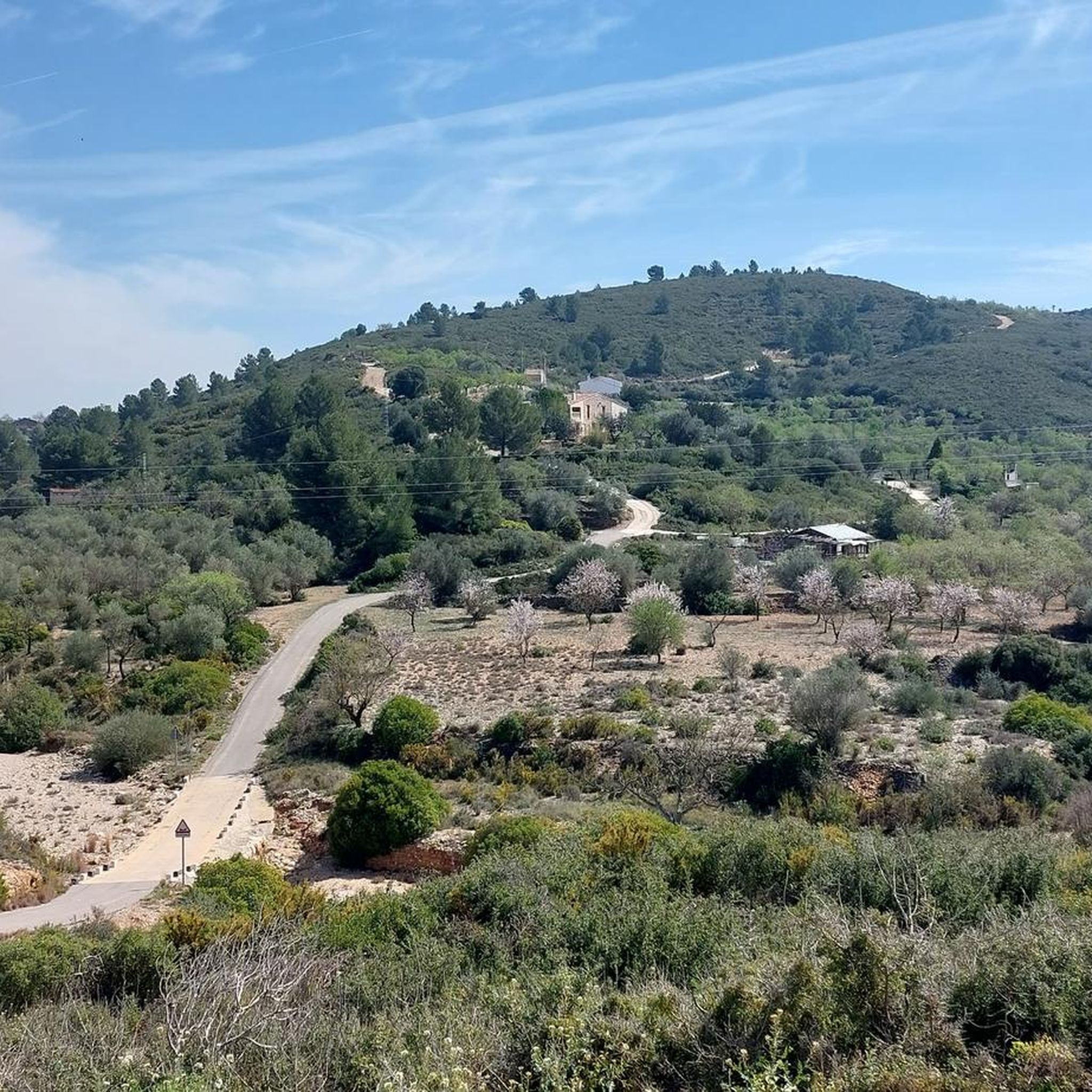
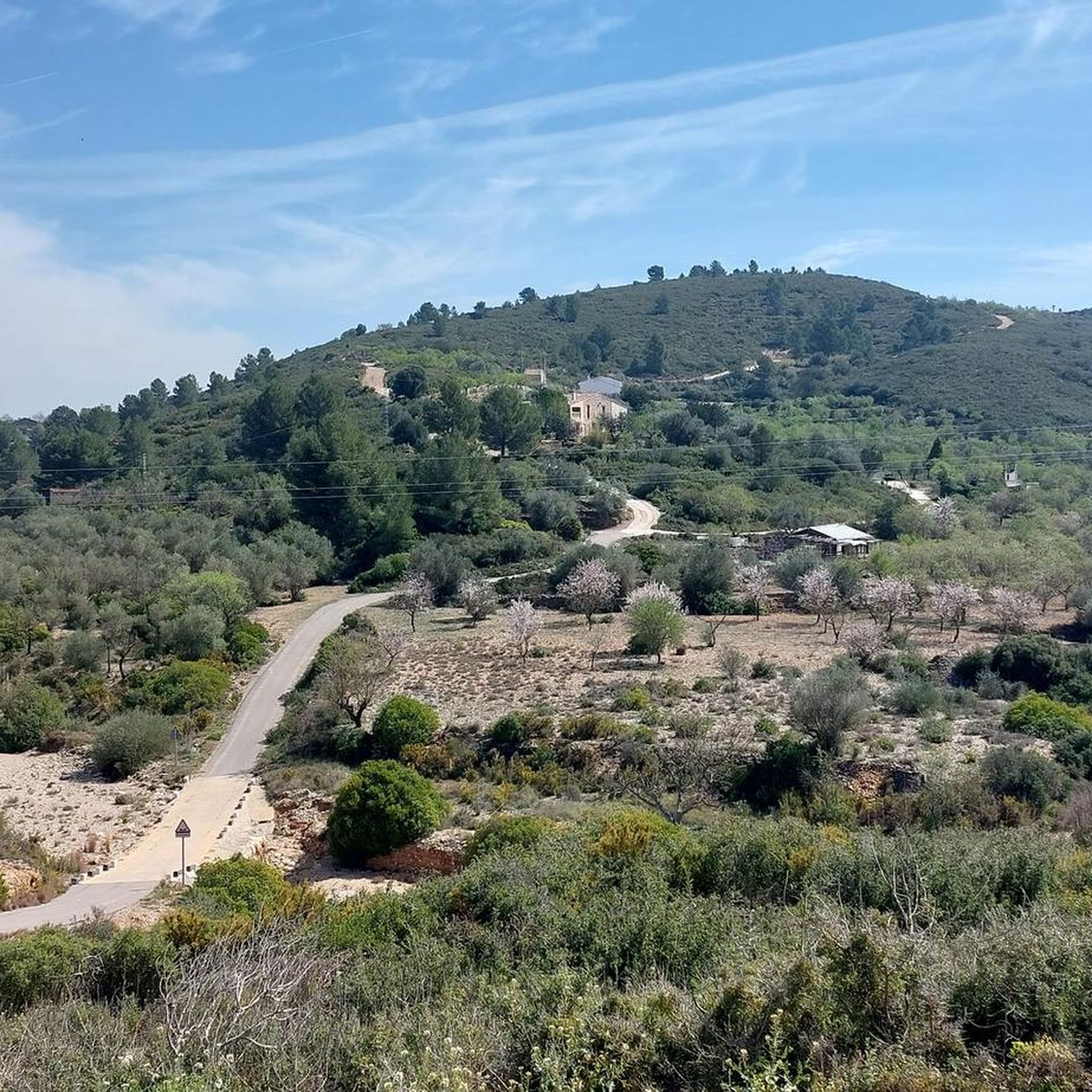

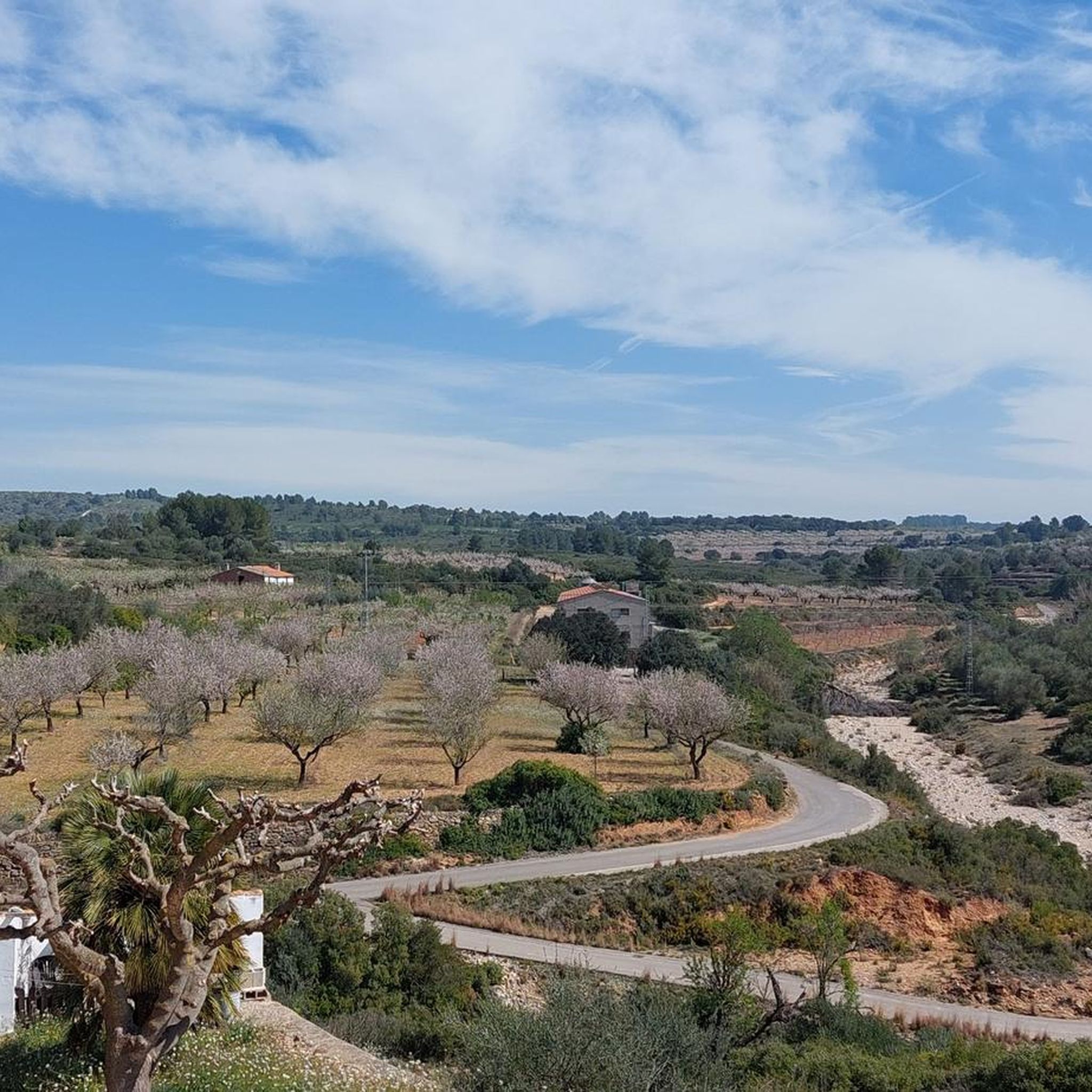


Tips from the Community

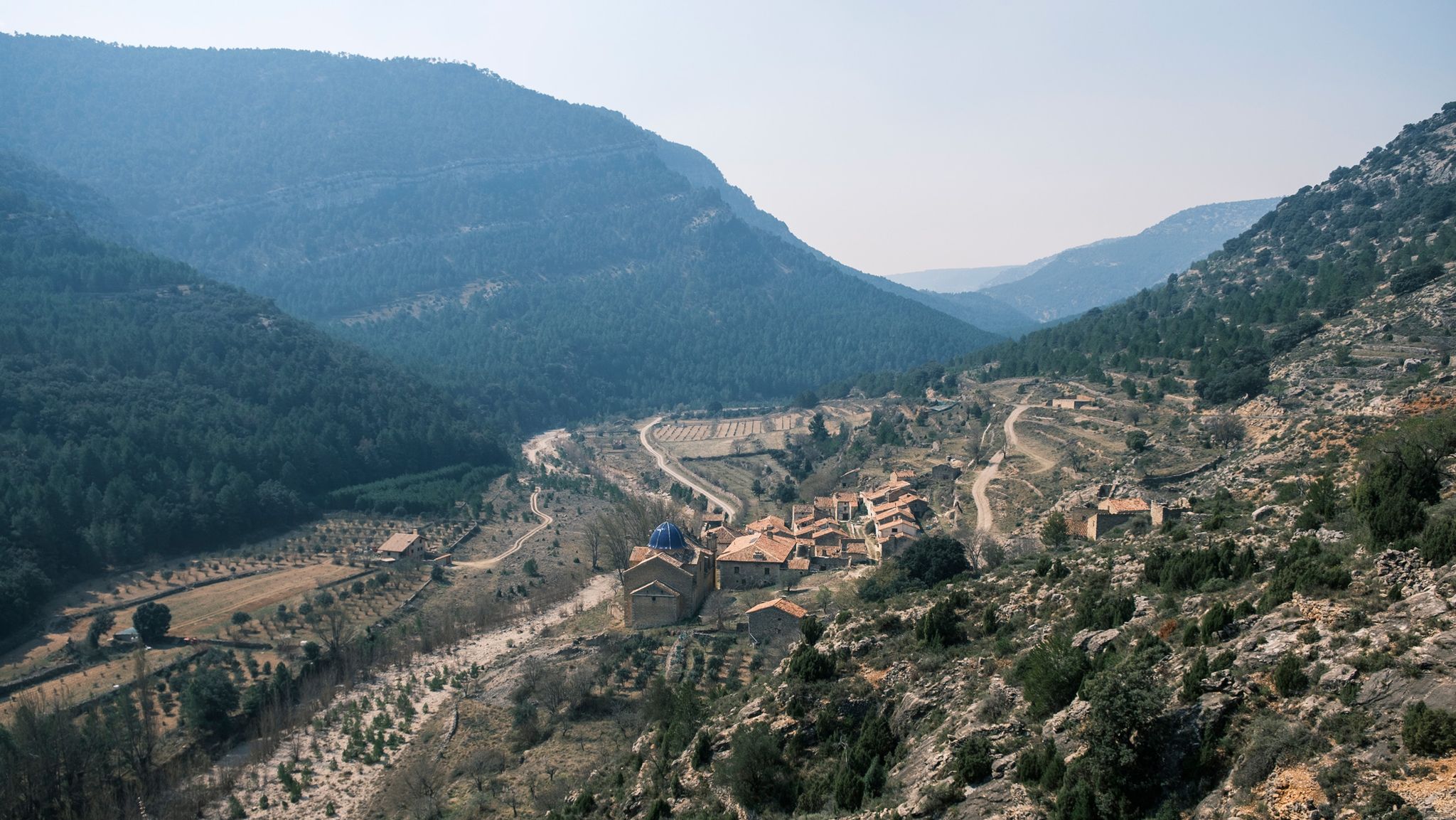
The current state of the hermitage and the geodetic point is one of palpable deterioration to the naked eye. What a shame! The views to the east are spectacular.
0
1


Old Hermitage interesting to see
1
1

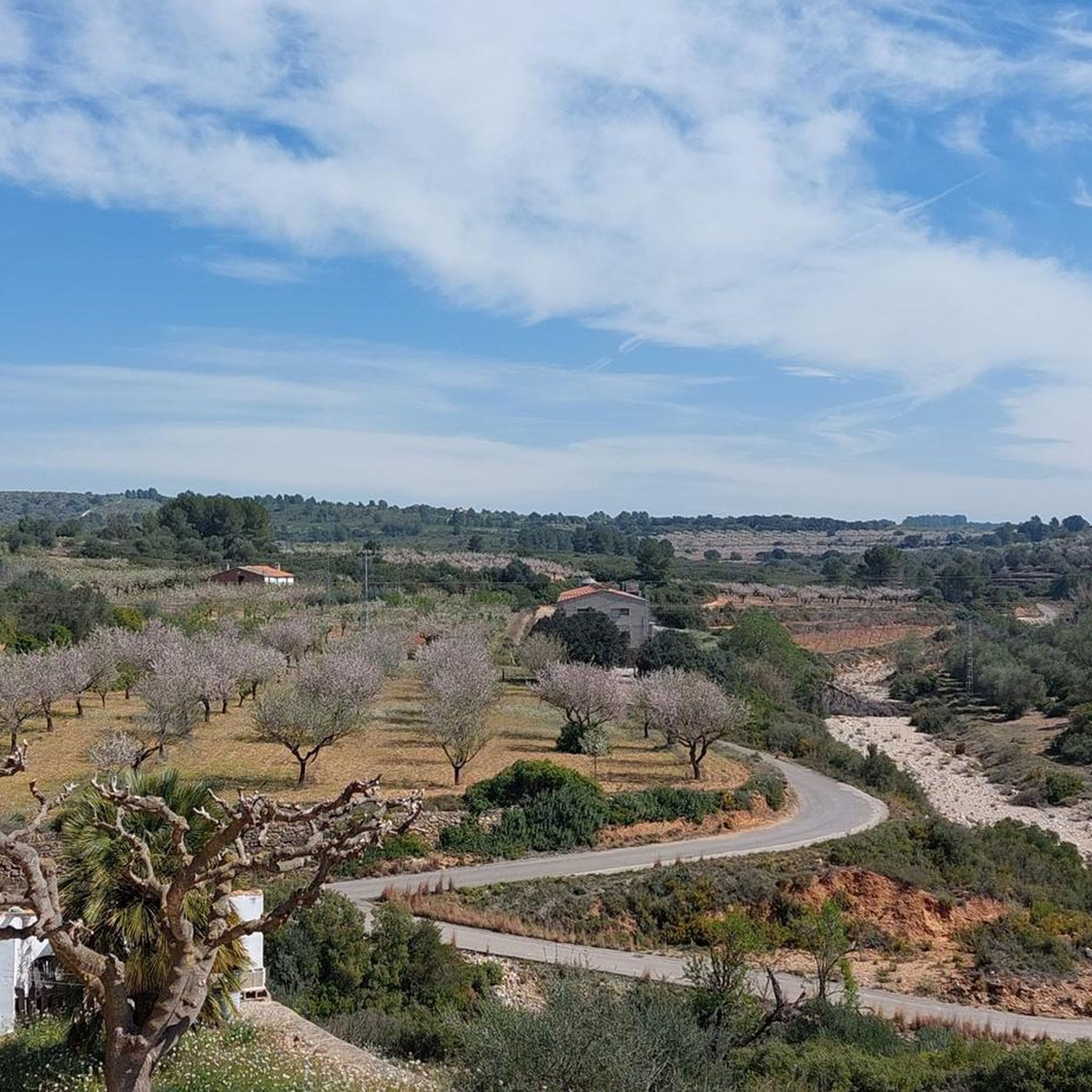
Great view! Especially beautiful in late spring (May, for example), when everything is already blooming and all the plants are lush green.
0
1


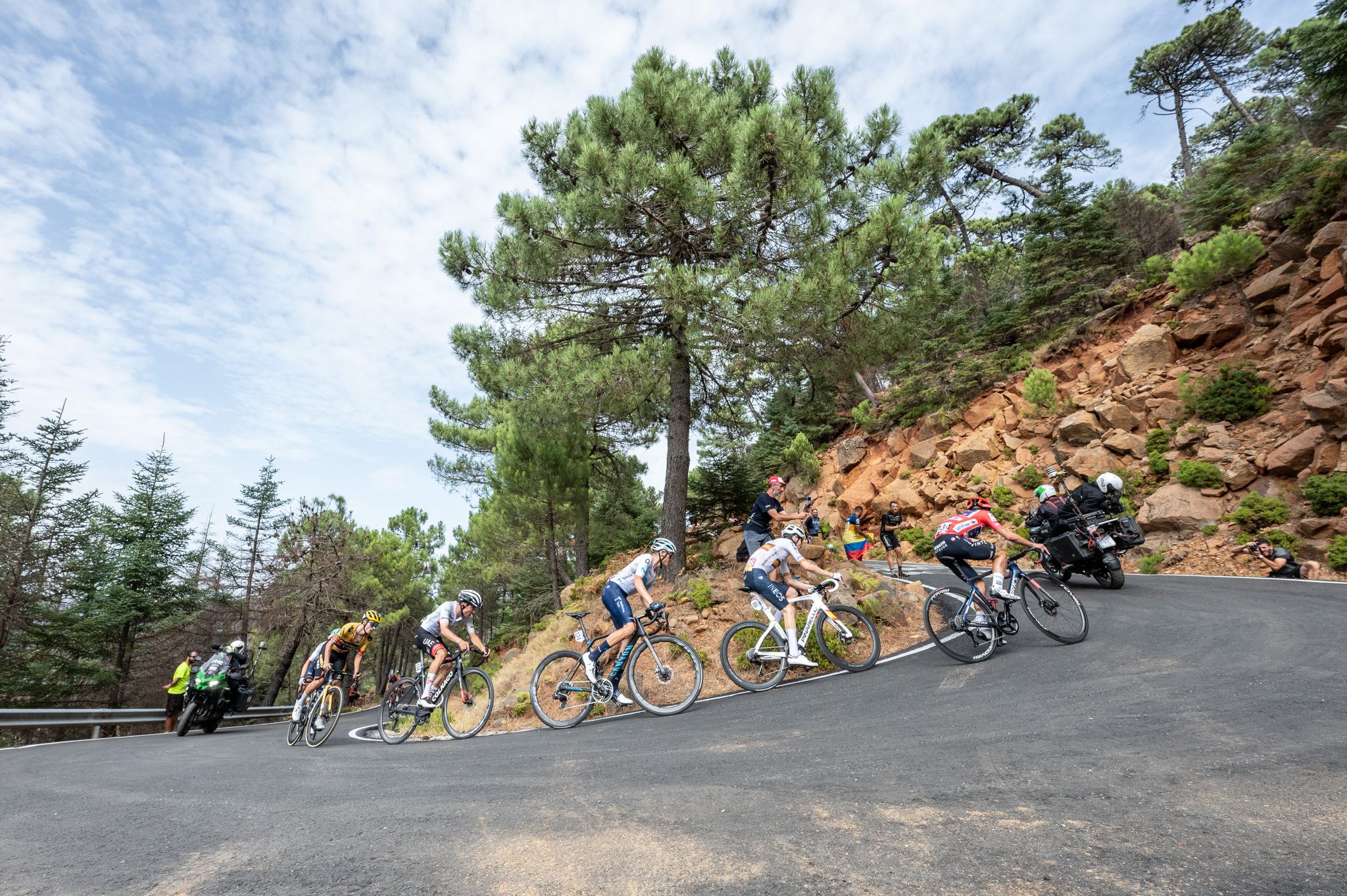
Scenic, partly steep stretches of route that lead through a mountain region worth seeing. The effort rewards the ambitious cyclist with fantastic views of the coast of Benicàssim. Great region with many possibilities.
1
1

Very beautiful mountain and sea views!
0
0

It is a beautiful and entertaining climb, without major complications and with magnificent views. In the first part, we start with gentle slopes, which will be very useful for "warming up" the legs, as from km. 4 things get a bit more serious. The gradient will start to increase, with some ramps close to 10%, and hairpin bends will appear, until we reach a first pass at km. 12. Afterwards, we will have a short rest with a descent included to the village of Serratella, and we will only have the final stretch, quite gentle, until we reach the summit at 844 m. altitude. At that point, we can decide between descending towards Albocàsser, or giving ourselves a little "warm-up" by climbing to the hermitage of S. Juan Nepomuceno via a paved track that goes off to our left, about 500 m. long and with ramps of 20%, until we reach an altitude of 920 m.
1
0
Frequently Asked Questions
What historical and cultural sites can I explore in Vall d'Alba?
Vall d'Alba offers a rich history with several notable sites. You can visit the San Juan Bautista Parish Church, built in 1902, or the Nuestra Señora de los Ángeles Parish Church in La Barona, which houses an 18th-century painting. Don't miss the Arch of Cabanes, a Roman arch dating between the 2nd and 3rd centuries. The Vall d'Alba Ethnological Museum provides insight into the region's traditional agrarian society, and you can also see the Sculpture of Jaume I in Plaça de la Constitución.
Are there any natural viewpoints or scenic spots around Vall d'Alba?
Absolutely. The Hermitage of Saint Michael on Pico Bartolo offers spectacular views over the entire area of the Desert of Las Palmas. For even more expansive vistas, ascend to Bartolo Summit, where you can see the beach section of Benicàssim and the rugged mountains towards Castelló de la Plana. Additionally, Coll de la Bandereta and Puerto de la Serratella are mountain passes known for their picturesque landscapes and rewarding views.
What outdoor activities, like hiking or cycling, are available near Vall d'Alba?
Vall d'Alba is an excellent base for outdoor enthusiasts. You'll find numerous trails for hiking and cycling. For hiking, consider routes like Les Sènies Route, Els Aljubs Route (Cistern Trail), or Les Muntanyes Route. You can find more detailed hiking routes in the Hiking around Vall D'Alba guide. For cycling, there are challenging MTB trails and road cycling routes, including those passing through the scenic mountain passes. Explore options in the MTB Trails around Vall D'Alba and Road Cycling Routes around Vall D'Alba guides.
Are there any family-friendly attractions or recreational areas in Vall d'Alba?
Yes, the San Cristóbal Chapel area is ideal for a family day out, featuring a swimming pool, a playpark, and facilities for making paella. Another great spot is Pou Ample, a recreational area with barbecue facilities and a large picnic area, perfect for spending time outdoors with family.
What is the best time of year to visit Vall d'Alba for attractions and outdoor activities?
Vall d'Alba enjoys a Mediterranean climate. The traditional pilgrimage to the San Cristóbal Chapel is held in May, suggesting pleasant weather during spring. The region also hosts patron saint festivities in late August. Generally, spring and autumn offer comfortable temperatures for exploring both cultural sites and engaging in outdoor activities like hiking and cycling, avoiding the peak heat of summer.
What unique religious sites can I visit in the area?
Beyond the parish churches, Vall d'Alba is home to the Sakya Tashi Ling Buddhist Monastery, which houses the first and only stupa in the Valencian Community. This monastery offers various activities, including meditation programs and Buddhist philosophical studies, providing a unique spiritual experience.
Are there any easy walking trails suitable for beginners or families?
While specific easy trails are not detailed in the guide, the region's generally flat and smooth terrain suggests that many of the natural areas, such as Juncosa (Pla de l'Arc), which is an idyllic natural area with picnic tables, would be suitable for leisurely walks. For more specific easy hiking routes, consult the Hiking around Vall D'Alba guide, which lists routes with varying difficulty grades, including 'easy' options like the 'Vilafamés Castle – La Roca Grossa loop from Vilafamés'.
What are some of the natural features or points of interest in Vall d'Alba?
Vall d'Alba boasts a Mediterranean landscape with generally flat terrain. Key natural points of interest include Juncosa (Pla de l'Arc), an idyllic natural area with picnic tables and a historically significant cistern. Pou Ample is another recreational area with barbecue facilities. The region's hiking trails, such as Les Sènies Route and Els Aljubs Route, highlight natural features like old structures for water extraction and cisterns.
What do visitors particularly enjoy about the attractions around Vall d'Alba?
Visitors frequently praise the spectacular views from locations like the Hermitage of Saint Michael on Pico Bartolo and Bartolo Summit. The scenic beauty of mountain passes like Coll de la Bandereta is also highly appreciated, especially by cyclists. The blend of historical sites, cultural landmarks, and natural beauty, all set within a Mediterranean landscape, makes the area appealing for diverse interests.
Are there any unique sculptures or monuments to see in Vall d'Alba?
Yes, in addition to the historical Arch of Cabanes, you can find the Sculpture of Jaume I in Plaça de la Constitución, welcoming visitors to the historic town center. Another distinctive piece is the Bronze Bull of Vall d'Alba, an avant-garde sculpture by artist Joan Ripollés, located on Avinguda Vilafranca, serving as a symbol of the town.
Can I find places to relax and have a picnic in Vall d'Alba?
Yes, there are several spots perfect for relaxation and picnics. Juncosa (Pla de l'Arc) is an idyllic natural area equipped with picnic tables. Pou Ample is another excellent recreational area that offers barbecue facilities and a large picnic space, making it ideal for a leisurely outdoor meal.
Most popular routes around Vall D'Alba
Most popular attractions around Vall D'Alba

Get inspired with the komoot mobile app


Explore more
Still not found the Highlight you’re looking for? See guides of the top attractions in other regions:
