Attractions and Places To See around Cariñena - Top 20
Best attractions and places to see around Cariñena are found in a region renowned for its winemaking tradition and diverse landscape. Located in the Ebro Valley, the area features vineyards stretching across a plateau at altitudes between 400 and 800 meters, contributing to its distinct character. Visitors can explore historical landmarks, cultural sites, and natural features that reflect the area's rich heritage and viticulture. The region offers a blend of historical significance and natural beauty.
Best attractions and places to…
Last updated: June 23, 2026
Sanctuary of the Virgin of the Lagoons
Highlight • Religious Site
Translated by Google •
Tip by

Hermitage of the Virgin of the Eagle
Highlight • Religious Site
Translated by Google •
Tip by
Sign up now to discover places like this
Get recommendations on the best single tracks, peaks, & plenty of other exciting outdoor places.
Sign up for free
Collado de la Luz
Highlight • Mountain Pass
Translated by Google •
Tip by
Plaza de la Iglesia of Almonacid de la Sierra
Highlight • Settlement
Translated by Google •
Tip by

Longares Mudejar Tower
Highlight • Religious Site
Declared a Historic-Artistic Monument in 1967, it was built on the site of a …
Translated by Google •
Tip by

Sign up for free to discover even more attractions around Cariñena.
Sign up for free
Already have an account?
Start today with a free account
Your next adventure awaits.
Login or Signup

Tips from the Community

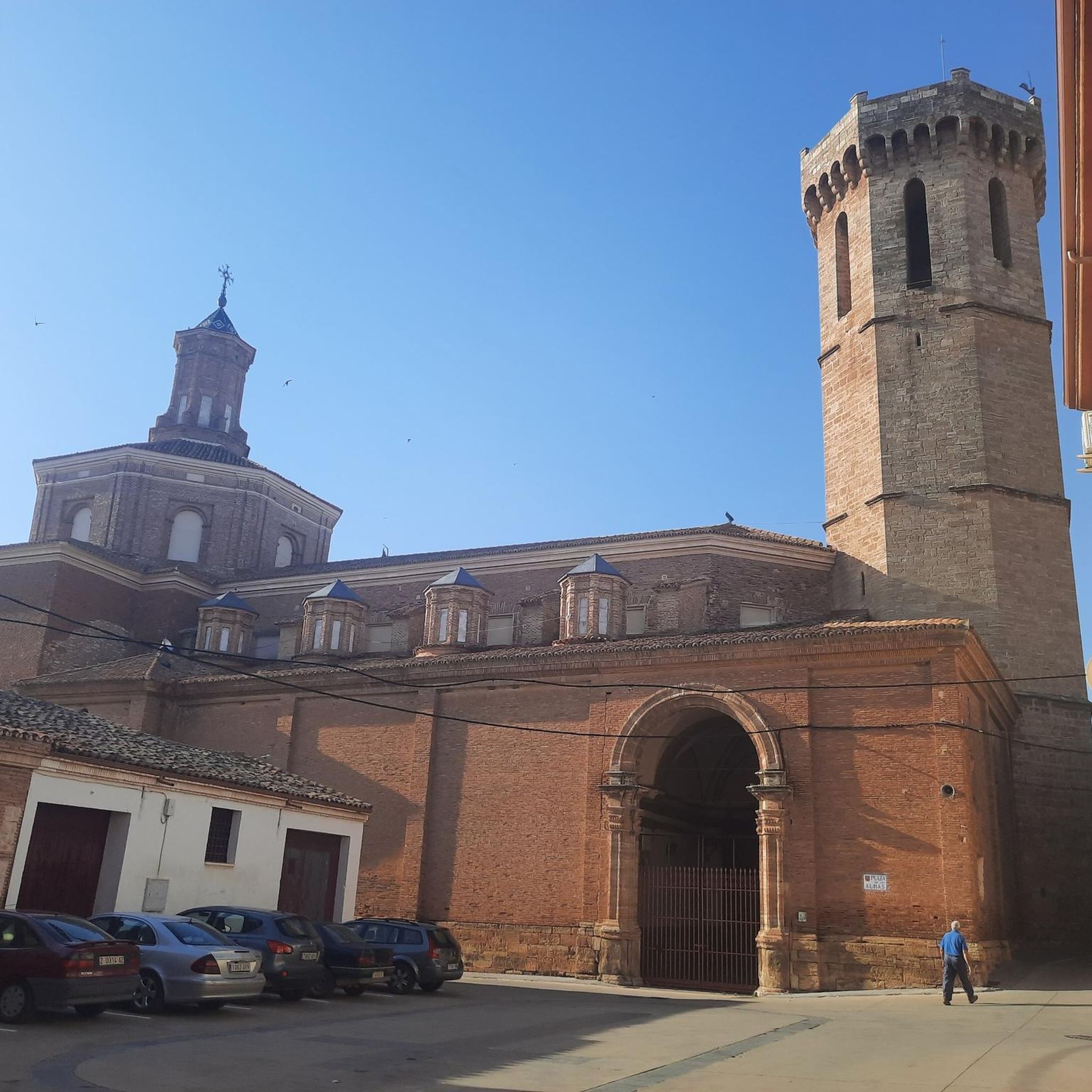
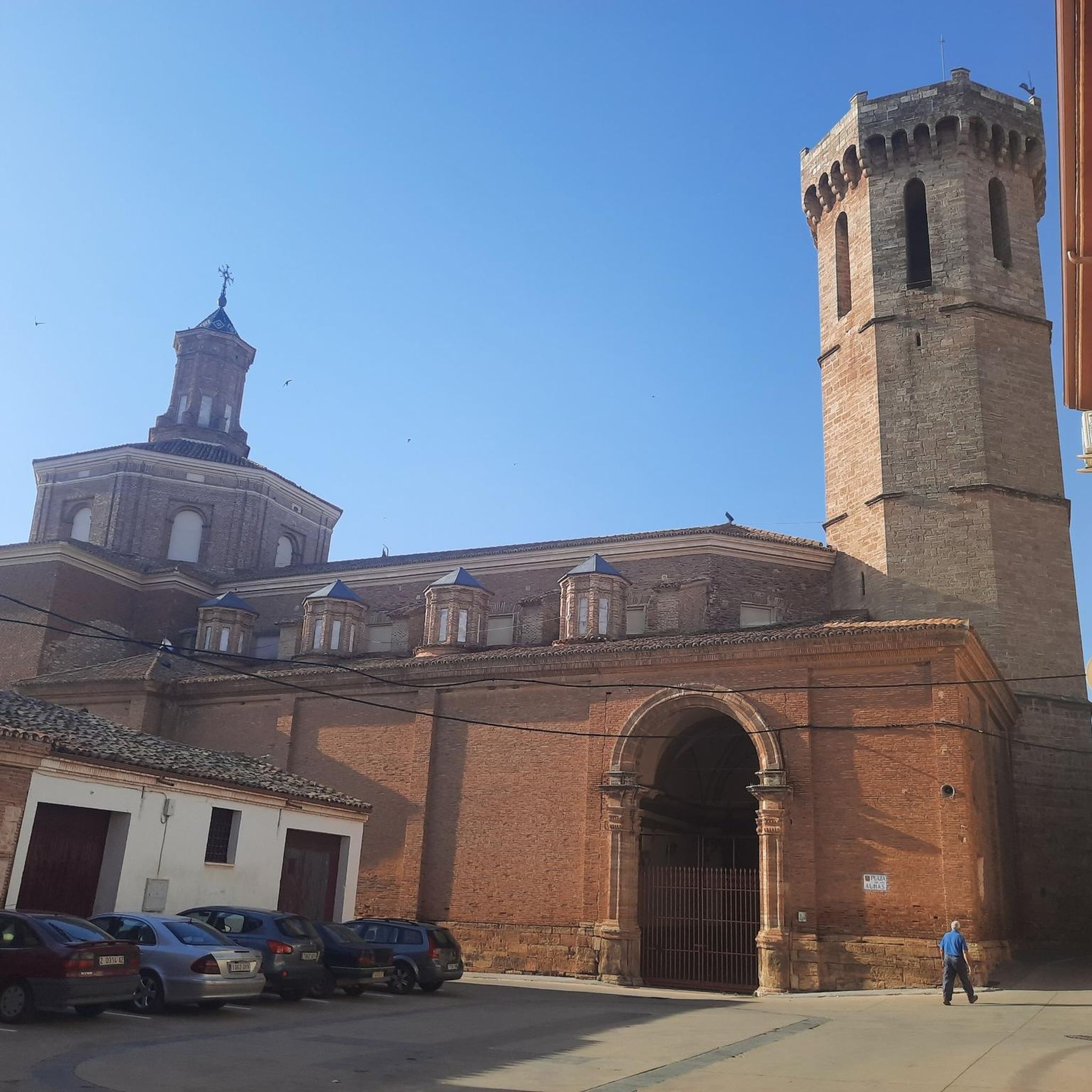
Since December 14, 2001, the Mudejar tower of Longares has been a UNESCO World Heritage Site. Declared a Historic-Artistic Monument in 1967, it was built on the site of a 12th-century Romanesque building. It is one of the most beautiful towers constructed in Aragon in the 16th century and also one of the few to have received artistic study and recognition. Facing east, the exterior features a square Mudejar tower that could date back to around 1390. It consists of three sections with six levels. The lower section, like the second, is unadorned, but with the difference that it housed the clock, whose machinery is kept in the Chapel of San Pedro. The upper section is framed with four octagonal arches combined with cartouches and porcelain and glass inlays. To the right and left of the tower are the only two entrance doors: one simple with a semicircular arch, and sheltered by a small atrium with a Baroque doorway at the rear, the other larger. The latter has a grille installed in the 18th century to prevent animals and other livestock from entering. The façade features Aragonese arcades. The church is elegant and very similar to the Lonja de Zaragoza and the Cathedral of La Seo. It belongs to the "Hallenckirchen" typology, which is the same as saying a hall-style church. It is built on ringed columns and decorated with a Renaissance theme. The columns supporting the arches are made of stone, with elongated shafts and Ionic capitals. The vaults are adorned with ribbed vaulting and studded with rosettes at the crosses, the altar ones being gilded. The church's construction was completed in three phases: first the central nave, and then the Epistle and Gospel aisles. The church always welcomed Christians and was never used for Muslim rites or masses.
0
0

Stroll and enjoy the scenery
0
0

The Hermitage of the Virgin of the Eagle in Cerveruela, Zaragoza, is a small sanctuary located in a picturesque natural setting, ideal for activities such as hiking and road cycling. It is located in the Campo de Daroca region, within the Zaragoza Iberian System Natural Park, which gives it remarkable scenic and ecological value.
2
0

A mountain pass with beautiful views of the Aljairén mountain range. It can be accessed via a well-maintained forest trail that ends at the pass, and then there are several trails to continue. The pass can also be accessed via a very long trail.
0
0
A beautiful village at the foot of the Aljairén mountain range with a very interesting church to visit.
0
0

Almonacid de la Sierra is the gateway to the Sierra de Algairén from Valdejalón, the town has a castle that cannot be visited, the oldest center of the town has several doors that are vestiges of it being a fortified place, the surroundings of the Church square is worth a visit. From the upper area of the town there are several tracks towards the mountains.
0
0

Good routes.. good meals
0
0
a.nice town
0
0
Frequently Asked Questions
What historical sites can I explore in Cariñena?
Cariñena boasts a rich history reflected in its landmarks. You can visit the medieval Plaza de la Iglesia of Almonacid de la Sierra, which retains vestiges of its fortified past. Other notable historical sites include the remnants of the old town wall, such as the Torreón de las Monjas, and the Baroque Parish Church of La Asunción de Nuestra Señora, built on the site of a former mosque. Don't miss the Longares Mudejar Tower, a UNESCO World Heritage site known for its intricate 16th-century Mudejar architecture.
What cultural experiences related to wine can I find in Cariñena?
As the heart of one of Spain's prestigious wine regions, Cariñena offers numerous wine-related cultural experiences. You can delve into the region's viticulture at the Cariñena Wine Museum, housed in a modernist industrial building. Many of the over 30 wineries in the D.O. Cariñena offer guided tours, vineyard visits, and tasting courses. The annual Grape Harvest Festival is also a significant event, where wine flows from the Fuente de la Mora.
Are there any unique religious sites in the Cariñena region?
Yes, the region features several beautiful religious sites. The Sanctuary of the Virgin of the Lagoons is a serene 17th-century hermitage in the countryside, known for its Baroque and Mudejar elements. Perched atop Pico del Águila, the Hermitage of the Virgin of the Eagle offers magnificent panoramic views of the Sierra de Algairén and the Moncayo mountain range.
Where can I find scenic viewpoints around Cariñena?
For breathtaking vistas, head to Collado de la Luz, a mountain pass at 1,058 meters in the Sierra de Algairén, offering panoramic views. The Hermitage of the Virgin of the Eagle also provides magnificent views of the Sierra de Algairén and the Moncayo mountain range from its elevated position.
What natural features define the Cariñena region?
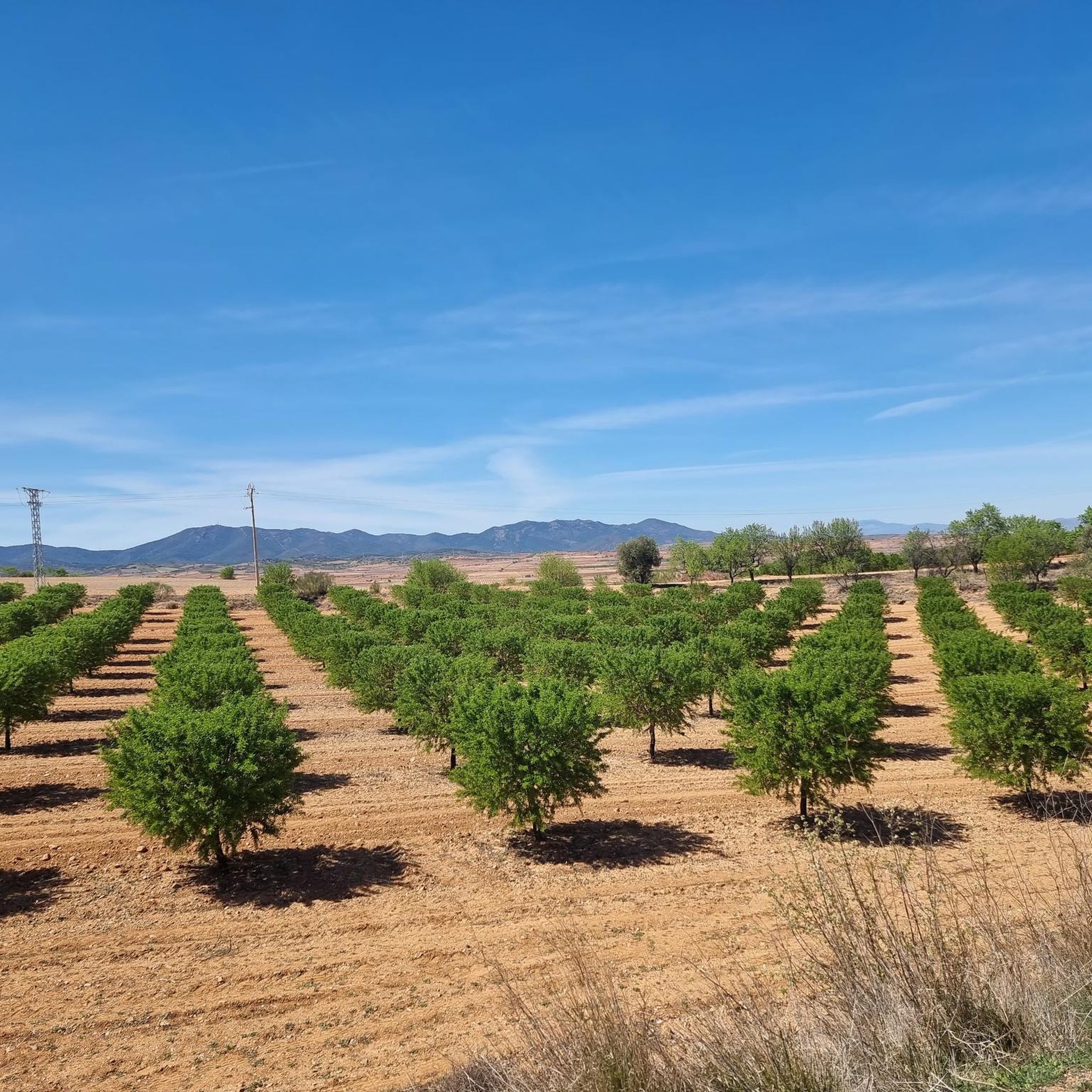
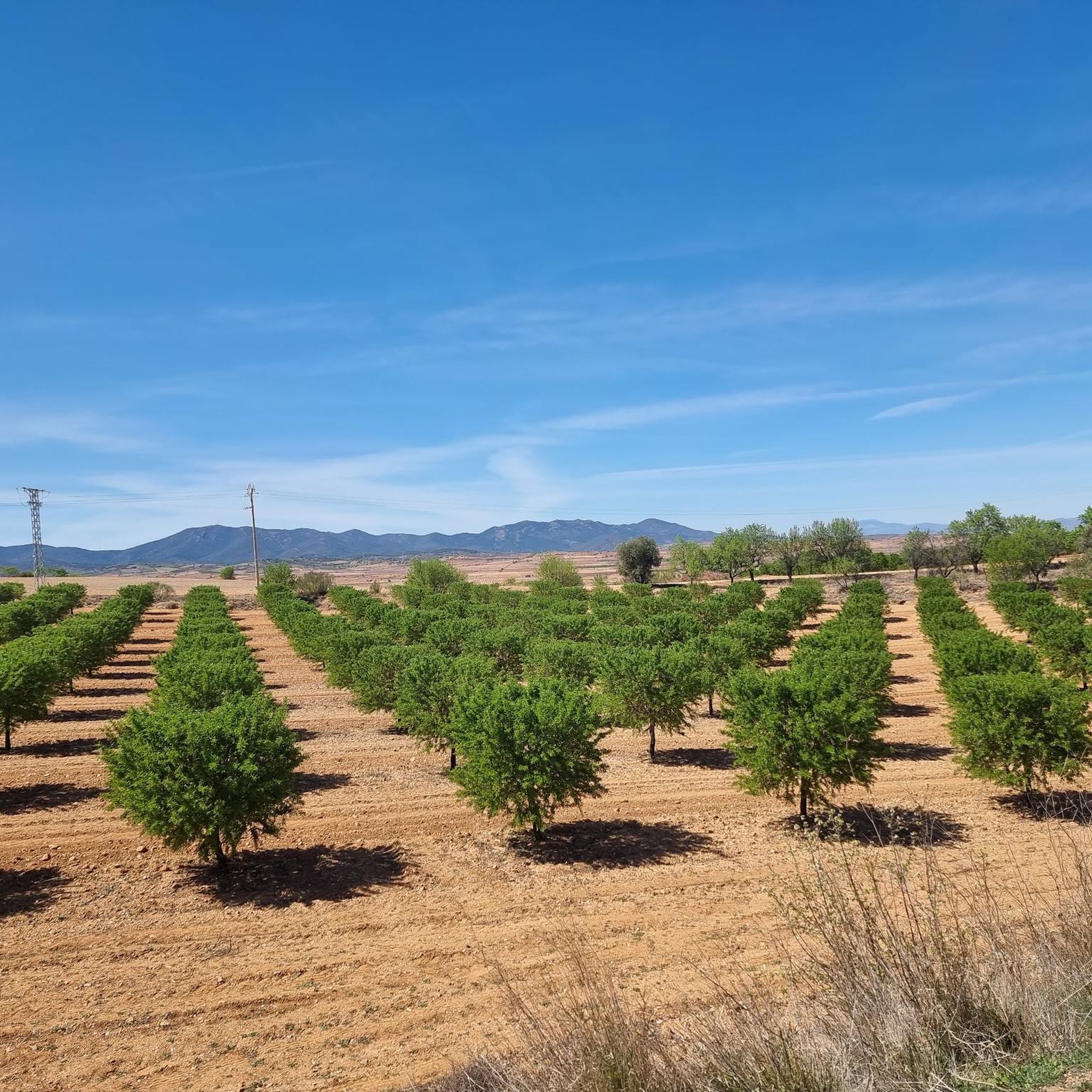
The Cariñena region is primarily defined by its expansive vineyards, which stretch across a plateau at altitudes between 400 and 800 meters. These vineyards, with their unique rocky soil, are often referred to as 'el vino de las piedras' (the wine of stones). The area is situated within the Ebro Valley, with vineyards extending towards the foothills of the Pyrenees and the Sierra de Algairén mountain range, offering a distinct natural landscape.
What outdoor activities are available near Cariñena's attractions?
The area around Cariñena is excellent for outdoor enthusiasts. You can explore various routes for road cycling, mountain biking, and hiking. For example, there are challenging road cycling routes like the 'Alto de Codos Loop from Cariñena' and moderate MTB trails such as the 'Virgen del Aguila Sanctuary Loop from Paniza'. Hiking options range from easy to difficult, including the 'La Regüelta el Trago – Hermitage of the Virgin of the Eagle loop from Paniza'. You can find more details on these activities in the dedicated guides for Road Cycling Routes around Cariñena, MTB Trails around Cariñena, and Hiking around Cariñena.
Are there family-friendly attractions in Cariñena?
Yes, several attractions in the Cariñena region are suitable for families. The Sanctuary of the Virgin of the Lagoons offers a quiet and beautiful place to visit, and guided tours can be arranged. The Plaza de la Iglesia of Almonacid de la Sierra is also a pleasant spot to explore with its historic center.
When is the best time to visit Cariñena, especially for wine-related activities?
The best time to visit Cariñena for wine-related activities is often during the annual Grape Harvest Festival (Fiesta de la Vendimia), which typically takes place in late summer or early autumn. This is when you can experience the traditional grape stomping and see wine flowing from the Fuente de la Mora. Generally, spring and autumn offer pleasant weather for exploring vineyards and historical sites.
What is the 'wine of stones' and where can I learn more about it?
The term 'el vino de las piedras' (the wine of stones) refers to Cariñena's wines, named for the region's unique rocky soil. This distinctive terroir, combined with the continental climate, contributes to the special character of the local wines. You can learn more about this and the region's viticulture at the Cariñena Wine Museum, which offers insights into traditional winemaking crafts and grape varieties. For more information on wine tourism, you can also visit winetourism.com.
What is the Railway Interpretation Center about?
The Centro de Interpretación del Ferrocarril de la Comarca Campo de Cariñena (Railway Interpretation Center) is dedicated to preserving and showcasing the history of the railway in the Campo de Cariñena region. It highlights the railway's crucial role in the export of local wine, providing a unique perspective on the area's economic and industrial past.
Can I visit local wineries in Cariñena?
Absolutely. Wine tourism is a major draw in Cariñena, with over 30 wineries integrated into the Denominación de Origen (D.O.) and the Campo de Cariñena Wine Route. Many of these wineries welcome visitors, offering guided tours of their facilities, vineyard walks, and opportunities to participate in wine tasting courses. It's a fantastic way to experience the region's renowned winemaking tradition firsthand.

Get inspired with the komoot mobile app


Explore more
Still not found the Highlight you’re looking for? See guides of the top attractions in other regions:
