The best cycling routes around Rocafort De Queralt
4.7
(9)
351
riders
32
rides
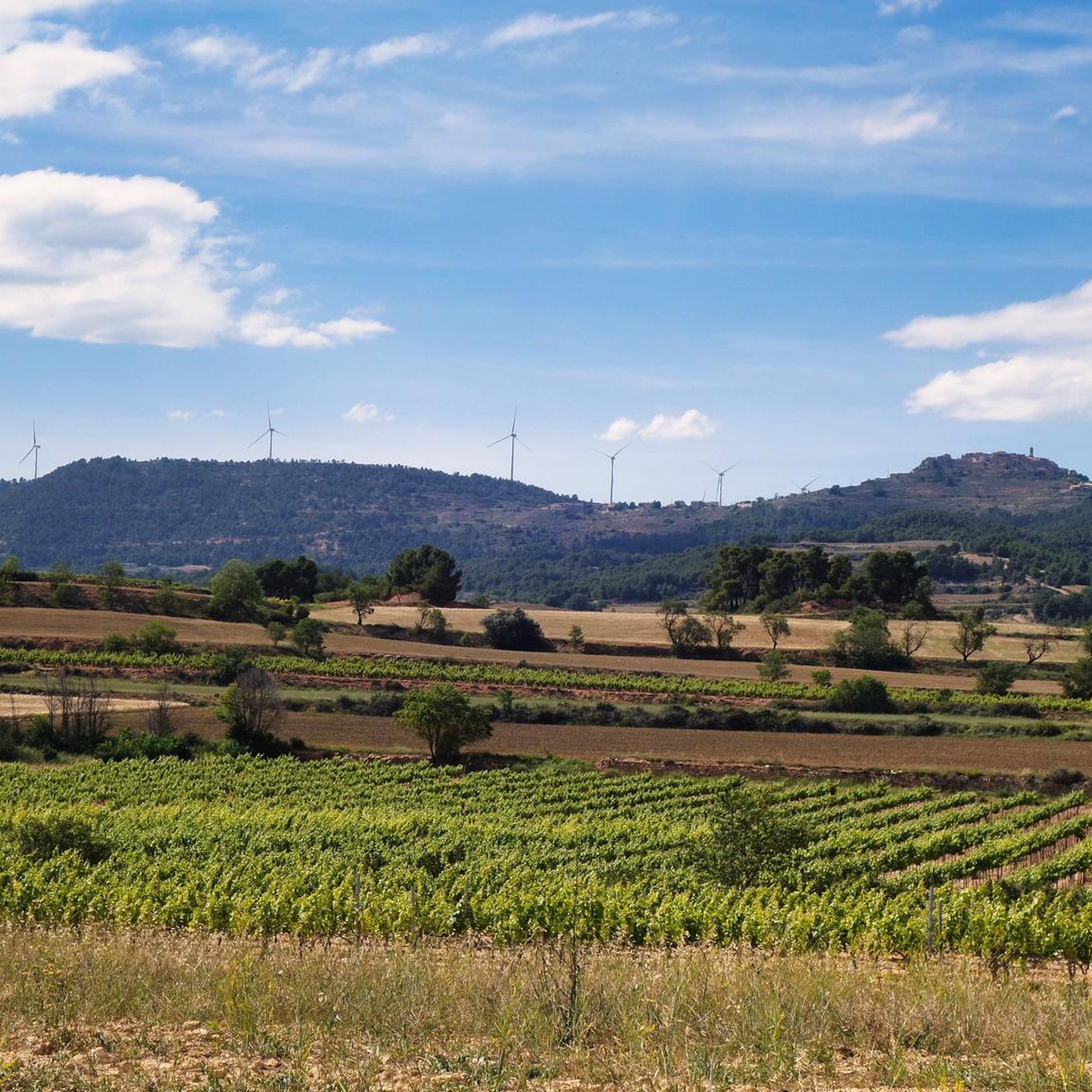
Touring cycling around Rocafort de Queralt features routes through agricultural lands, extensive vineyards, and rolling hills. The region is characterized by varied terrain, including river valleys and proximity to the Prades Mountains, offering diverse cycling experiences. Rocafort de Queralt itself is situated at an elevation of approximately 562 meters, contributing to routes with gentle slopes and some more challenging climbs. Historical sites and traditional Catalan architecture are often integrated into the cycling paths.
Best touring cycling routes around Rocafort De…
Last updated: July 1, 2026
29
riders
47.3km
04:52
1,310m
1,310m
Hard bike ride. Very good fitness required. Mostly paved surfaces. Suitable for all skill levels.
29
riders
39.1km
04:03
960m
960m
Hard bike ride. Very good fitness required. Mostly paved surfaces. Suitable for all skill levels.

Sign up for free
25
riders
85.8km
07:36
1,610m
1,610m
Hard bike ride. Very good fitness required. Mostly paved surfaces. Suitable for all skill levels.
11
riders
42.6km
04:09
1,030m
1,030m
Hard bike ride. Very good fitness required. Mostly paved surfaces. Suitable for all skill levels.
9
riders
27.1km
02:26
610m
610m
Hard bike ride. Very good fitness required. Mostly paved surfaces. Suitable for all skill levels.
Get access to more routes and recommendations from other explorers.
Sign up for free
Already have an account?
Our route recommendations are based on thousands of hikes, rides, and runs completed by other people on komoot.
Start today with a free account
Your next adventure awaits.
Login or Signup
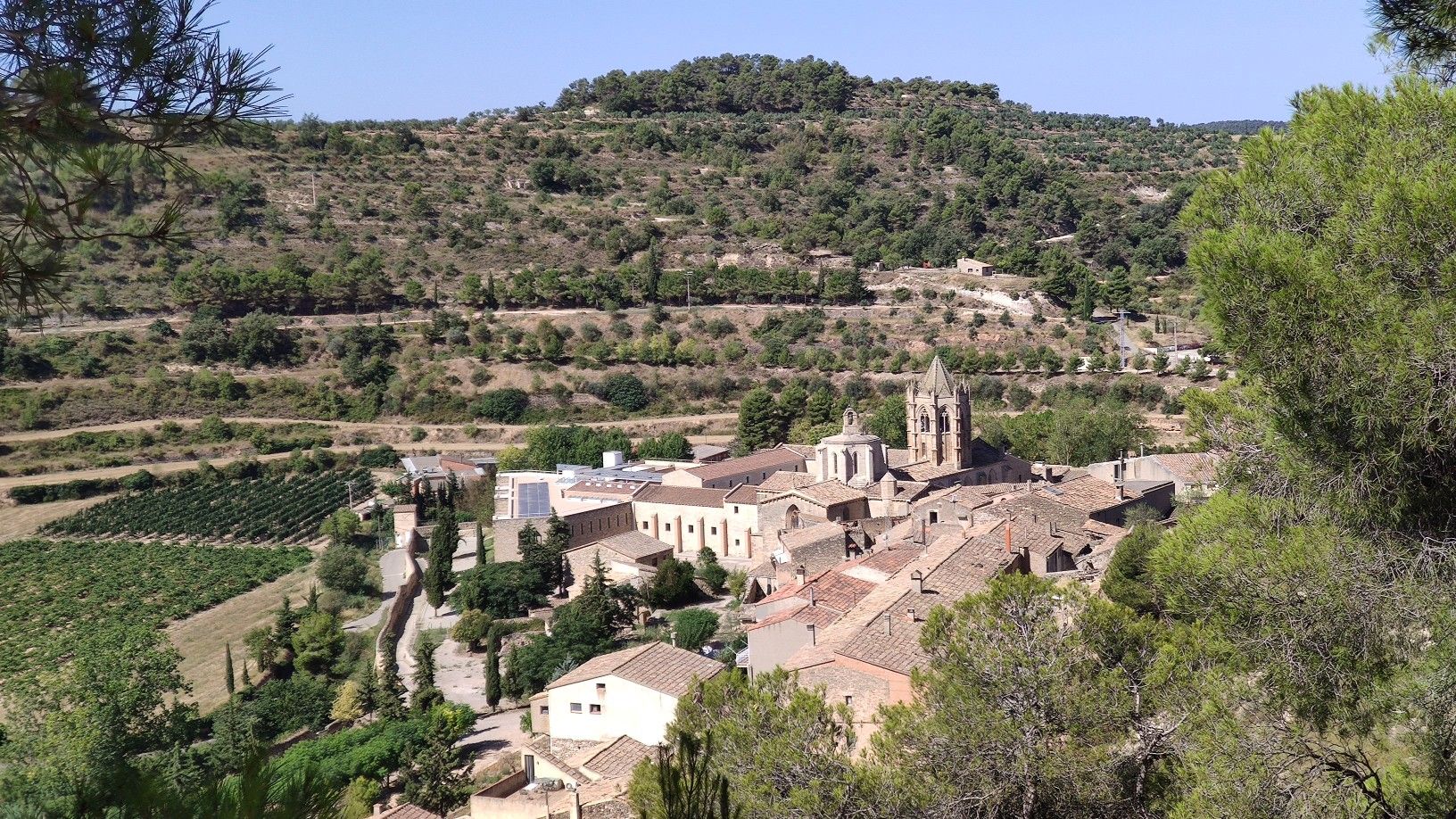
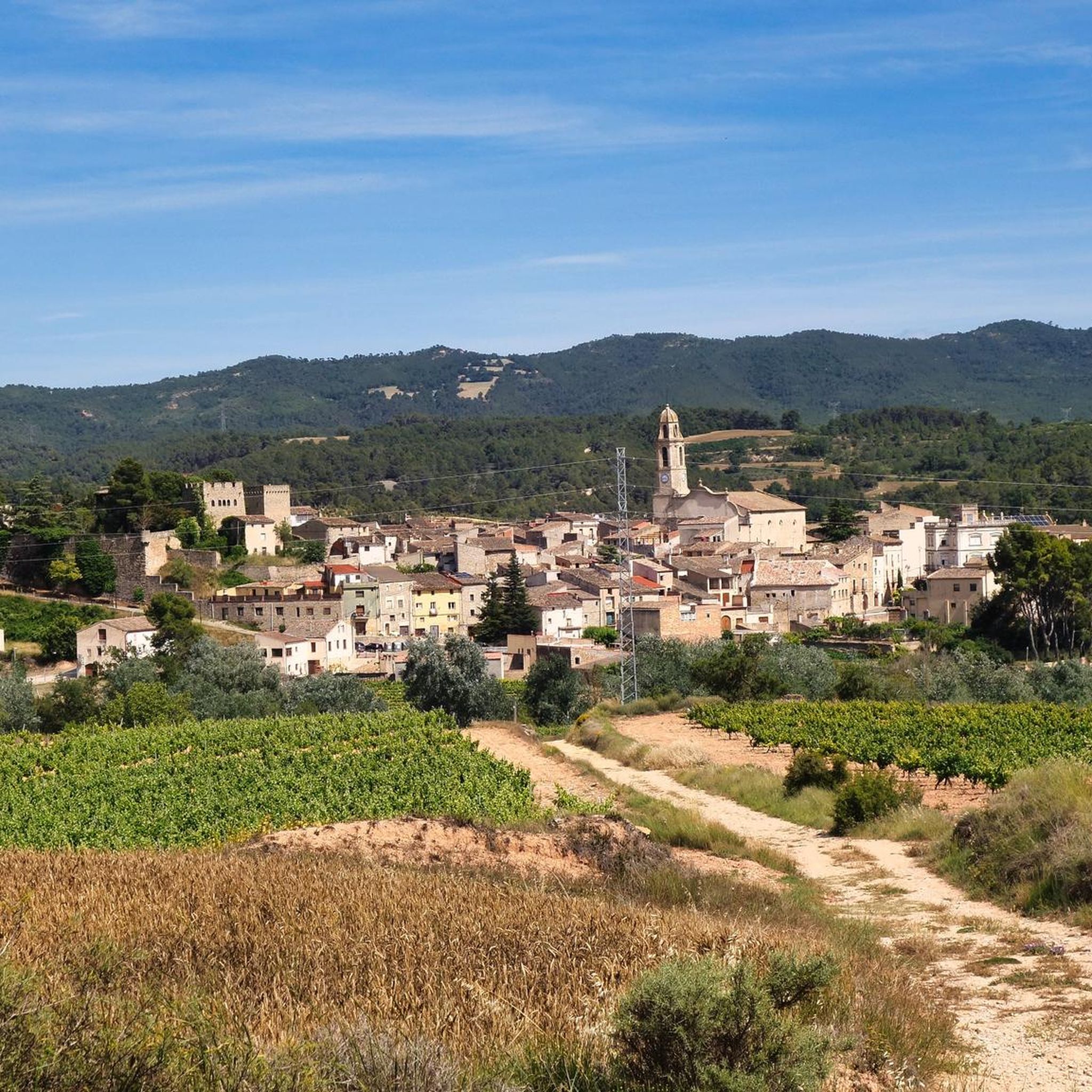
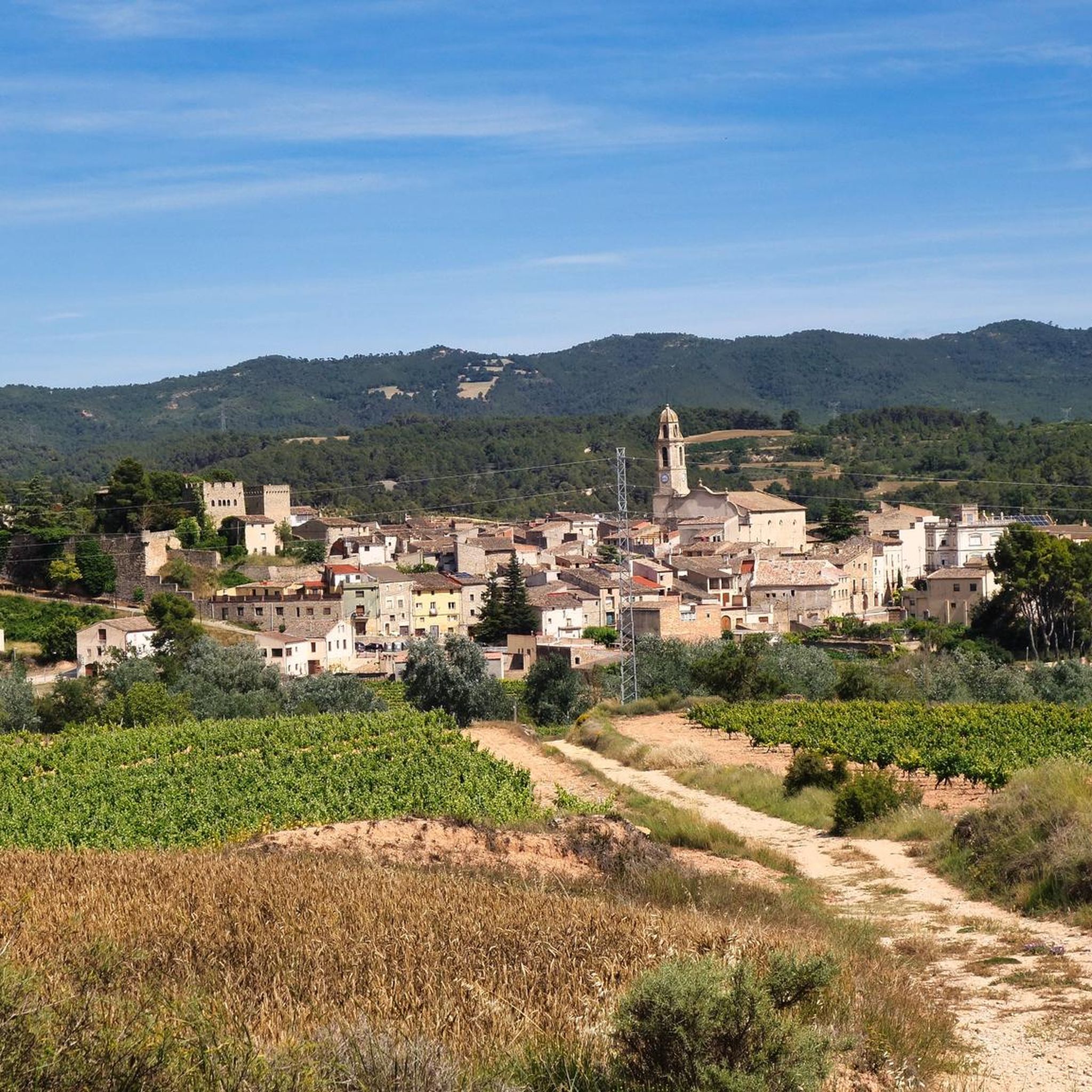
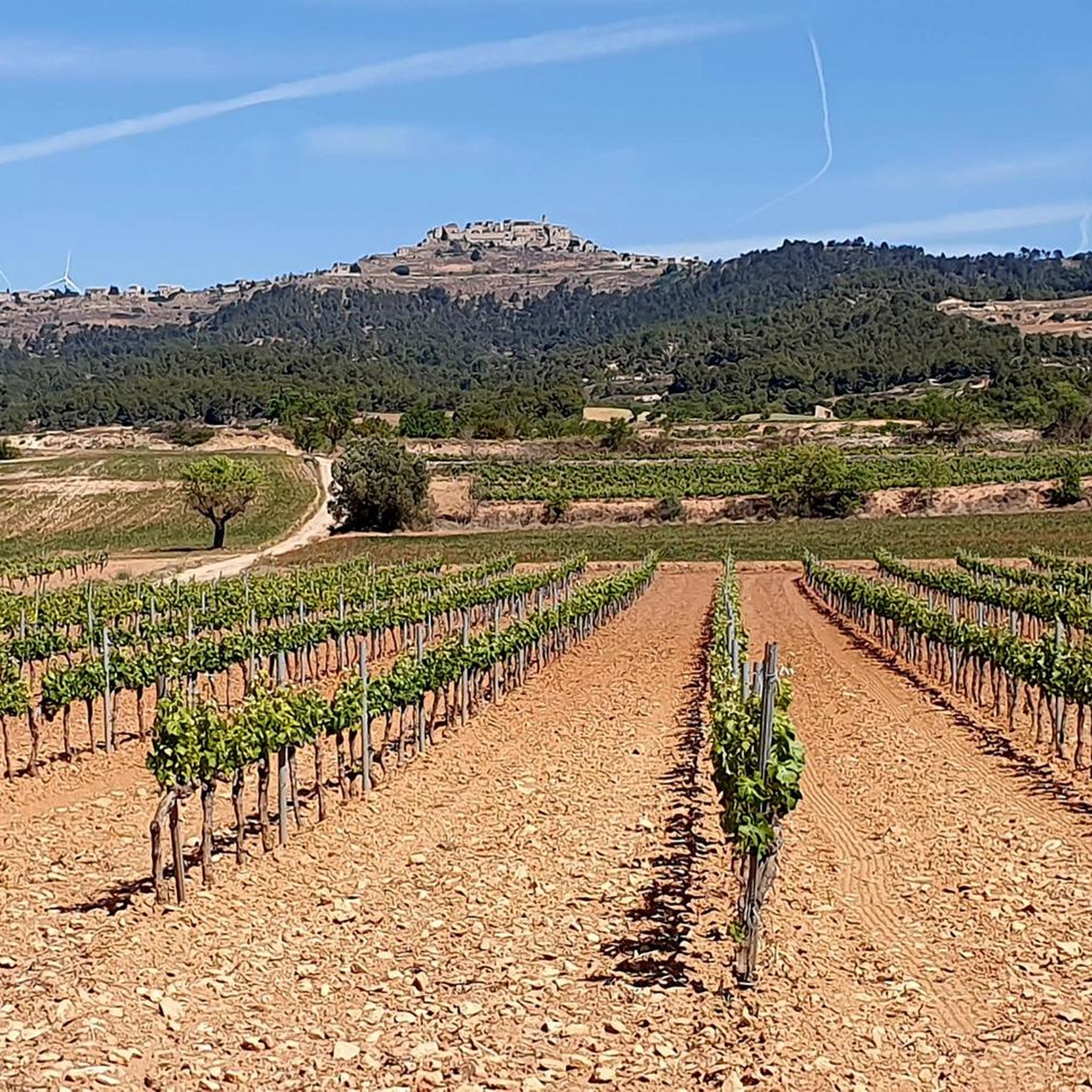

Other adventures around Rocafort De Queralt

Tips from the Community

It's worth it, it's a Cistercian monastery
0
0

It's always a pleasure to cross this bridge that leads us to the Viñes Pastry Shop along the main street. The Borratxo is incredible, one of the best.
0
0

Magnificent port. Good condition, good terrain and incredible views.
0
0

Tough loose cli.b, Best done in cool conditions. Can be very 🔥. Loose descent on the west side, but great track
0
0

The Vallfogona de Riucorb spa was built in 1901 to take advantage of the thermal waters that spring up in the area. It is one of several spas that are spread throughout this region.
0
0


The Monastery of Santa María de Santes Creus is a Cistercian abbey built in the 12th century. The grandeur of the monastery is due to the donations received from the nobility who wanted to be buried here.
1
0
The Vallespinosa castle is located in the upper part of the town, dominating the forty houses that make it up. It is possible that the fortification dates from the 11th century, although today it is in a state of ruin.
0
0
Frequently Asked Questions
How many touring cycling routes are available around Rocafort de Queralt?
There are over 30 touring cycling routes around Rocafort de Queralt, offering a diverse range of experiences. These routes are highly rated by the komoot community, with an average score of 4.7 stars from over 9 reviews.
What is the best time of year for touring cycling in the Conca de Barberà region?
The Conca de Barberà region, including Rocafort de Queralt, experiences a Mediterranean climate with warm, dry summers and mild, wetter winters. This makes it generally favorable for outdoor activities for much of the year. Spring and autumn are particularly pleasant for cycling, offering comfortable temperatures and beautiful scenery.
What kind of terrain can I expect on the touring cycling routes?
You can expect a varied terrain, characterized by extensive vineyards and agricultural lands, rolling hills, and river valleys. Rocafort de Queralt itself sits at an elevation of approximately 562 meters, leading to routes with gentle slopes and some more challenging climbs. The nearby Prades Mountains also offer more demanding sections with breathtaking panoramic views.
Are there any circular touring bike routes available?
Yes, many of the touring cycling routes around Rocafort de Queralt are designed as loops, allowing you to start and finish in the same location. For example, the Conesa Medieval Walled Village – Conesa Village loop from Conesa is a popular circular option that takes you through historic sites.
What historical sites can I explore while cycling in the area?
The region is rich in history. You can cycle past ancient castles, medieval walled villages, and traditional Catalan architecture. Notable historical points of interest include the Rocafort de Queralt castle, the Prenafeta Castle, and the Conesa Medieval Walled Village. Routes like the Old Bridge of Montblanc – Santa Maria Church (Montblanc) loop from Barberà de la Conca connect historical towns and landmarks.
Are there routes suitable for families or beginners?
While many routes in the area are rated as moderate to difficult, the region's agricultural lands and river valleys offer gentler, undulating terrain that can be suitable for families or those seeking an easier ride. These routes often wind through vineyards, providing picturesque views without significant elevation gains. It's always recommended to check the route details for specific difficulty levels.
Can I find places to eat or drink along the cycling routes?
Yes, the prevalence of vineyards means that many wineries in the area offer guided tours and wine tastings, providing a cultural and gastronomic experience. Additionally, villages like Rocafort de Queralt and Barberà de la Conca offer local restaurants and cafes where you can refuel and enjoy regional products.
Are there any scenic viewpoints along the touring cycling routes?
Absolutely. The rolling hills and proximity to the Prades Mountains provide numerous opportunities for stunning vistas. You can find viewpoints offering panoramic views of the countryside, vineyards, and distant peaks. The Views of Albió and the Coll de Coloma Pass are specific highlights that offer memorable scenic stops.
Is parking available for cyclists in Rocafort de Queralt?
Yes, parking is generally available in and around Rocafort de Queralt village, as well as in other nearby towns like Conesa and Barberà de la Conca, which serve as common starting points for many routes. Look for designated parking areas in town centers or near trailheads.
What are some other interesting attractions near the cycling routes?
Beyond historical sites, you can visit the Santuario del Tallat, a significant religious building. The region is also known for its connection to the Ruta del Cister, a cultural route linking Cistercian monasteries, which you might encounter or integrate into your rides.
Are there any routes that pass through the Prades Mountains?
While Rocafort de Queralt is characterized by rolling hills and vineyards, some more challenging routes extend towards the nearby Prades Mountains. These offer significant elevation gains and reward cyclists with breathtaking panoramic views, making them ideal for experienced riders seeking a more demanding experience.
Can I incorporate parts of the Ruta del Cister into my cycling tour?
Yes, the area around Rocafort de Queralt is located halfway between two of the Cistercian monasteries that form the Ruta del Cister (Santa Maria de Vallbona and Santes Creus). This suggests potential for touring cyclists to incorporate parts of this historical and cultural trail into their rides, exploring the rich heritage of the region.
Most popular routes around Rocafort De Queralt
Most popular attractions around Rocafort De Queralt

Get inspired with the komoot mobile app


Explore more
Browse the best Cycling routes in other regions.
