The best cycling routes around Turcia
4.1
(51)
530
riders
18
rides
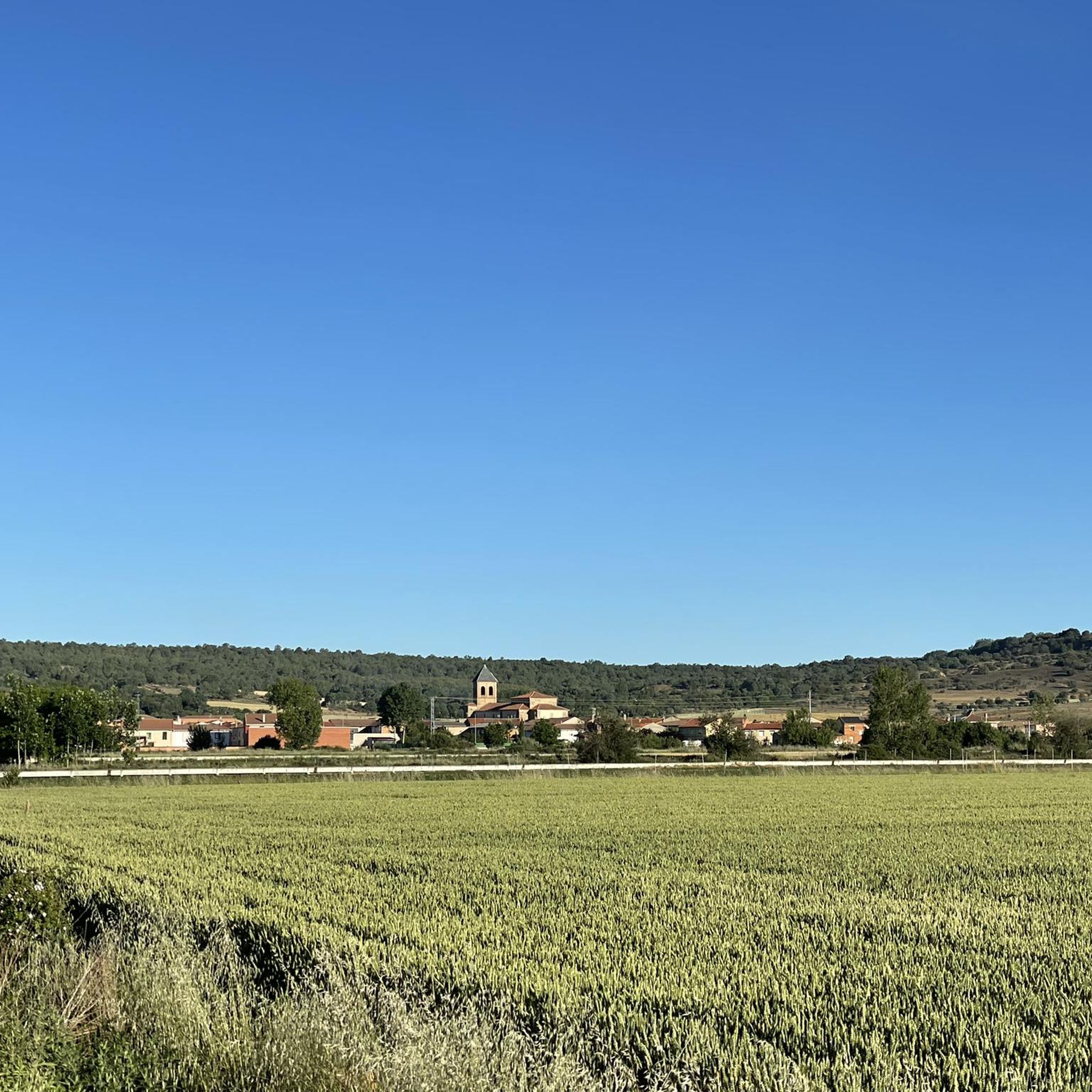
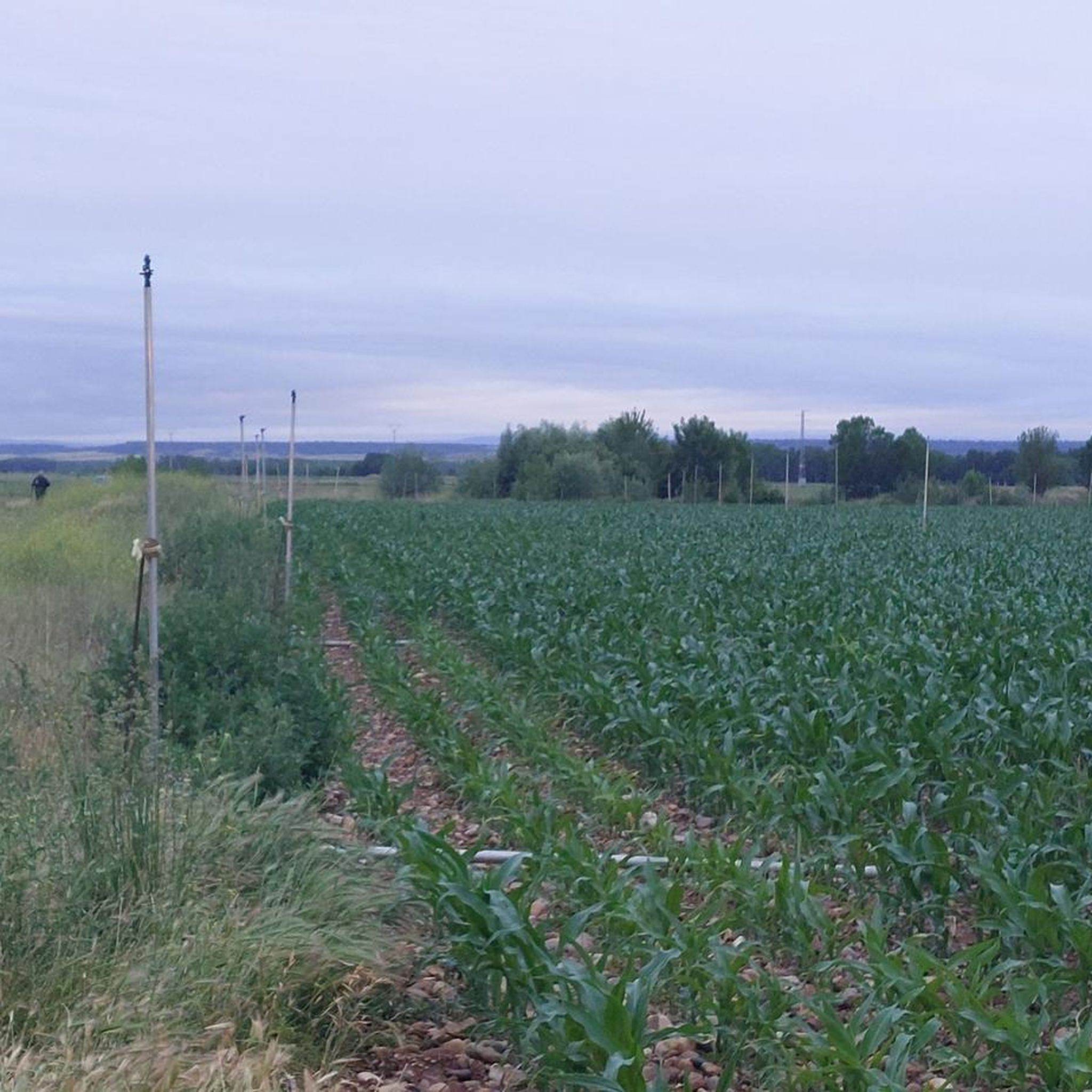
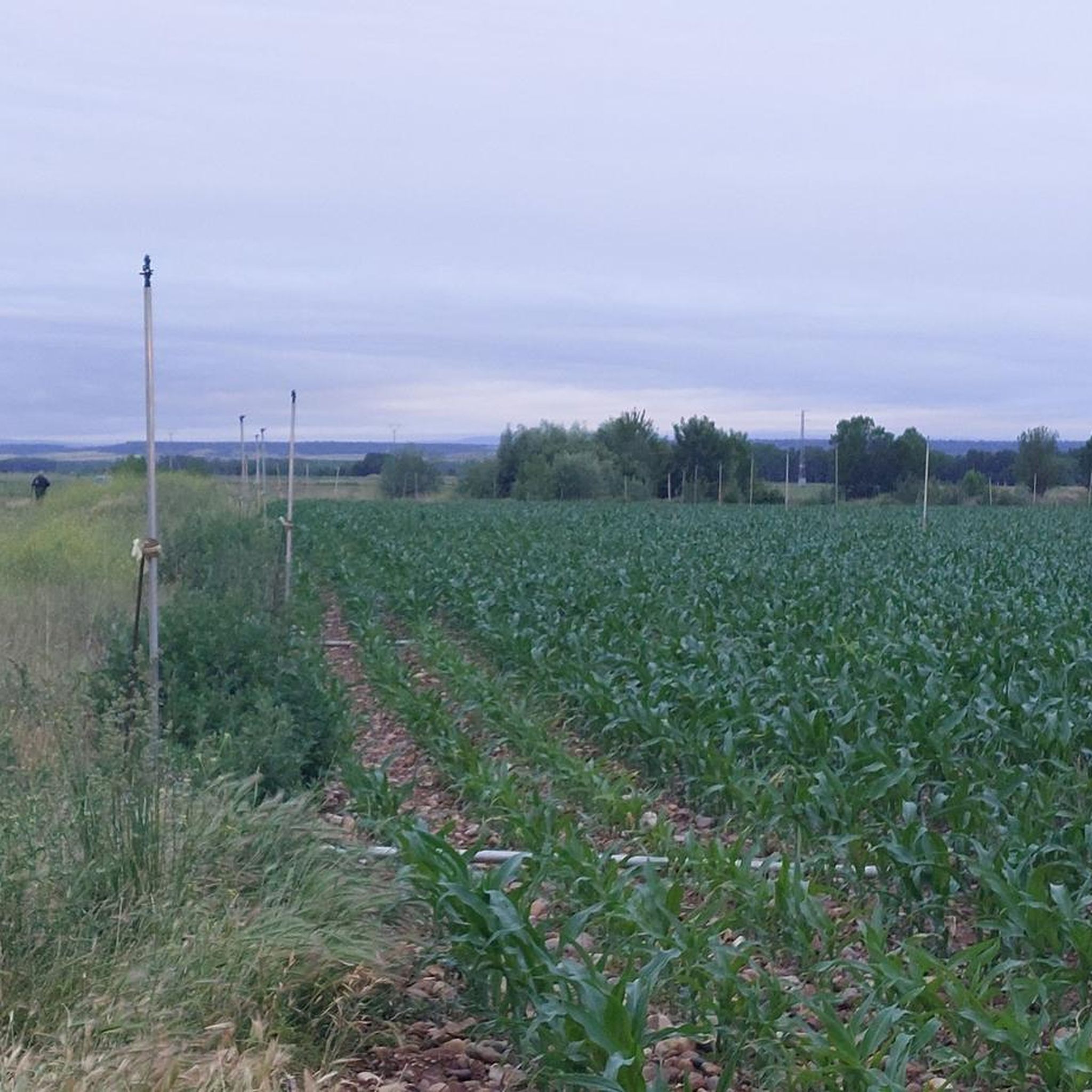
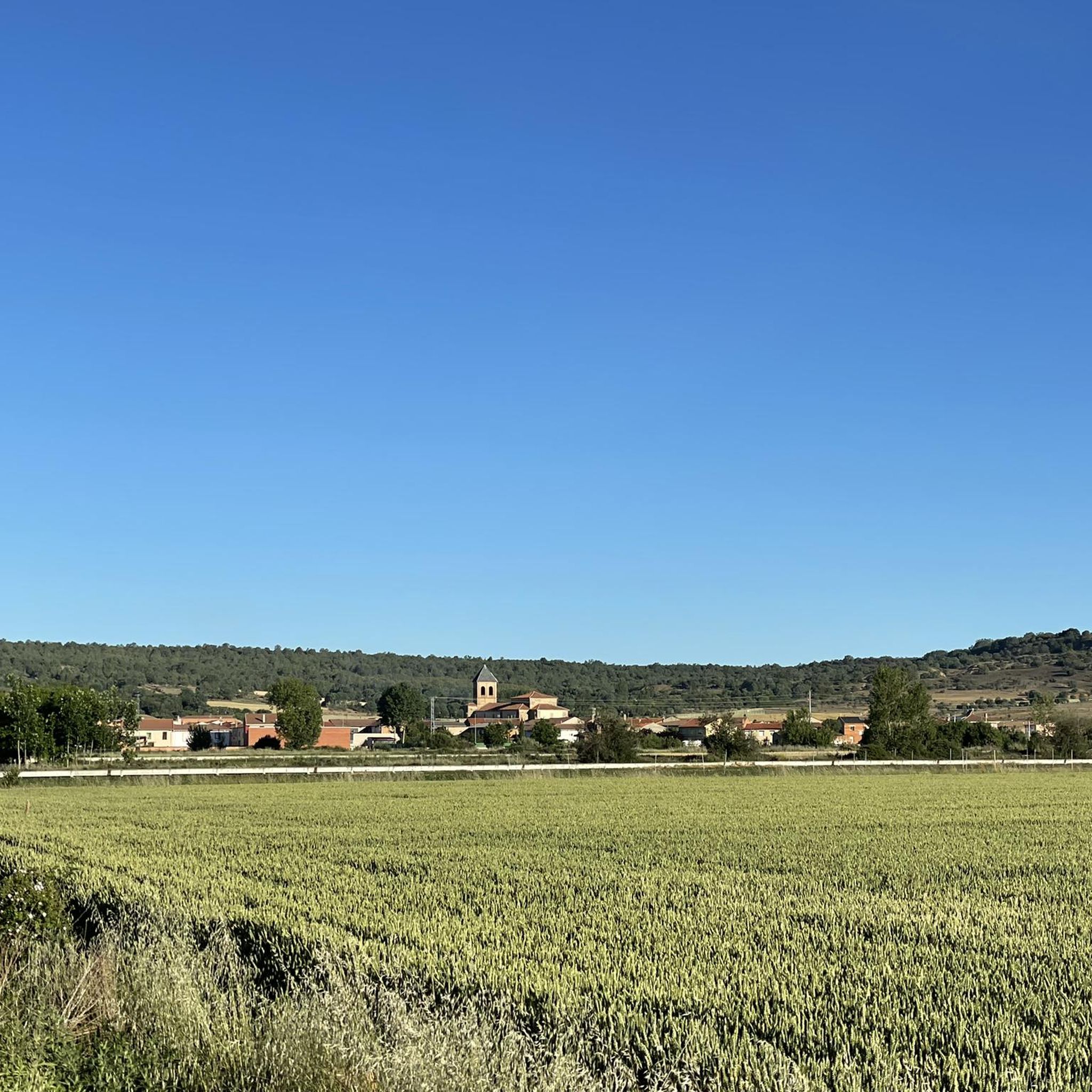
Touring cycling routes around Turcia are characterized by varied terrain, including river valleys and agricultural landscapes. The region offers a network of paths that traverse both flat sections and areas with moderate elevation gain. Cyclists can expect routes that connect small towns and historical sites, providing a blend of natural scenery and cultural points of interest. The area's topography supports a range of cycling experiences, from leisurely rides to more challenging long-distance routes.
Best touring cycling routes around Turcia
- The…
Last updated: May 20, 2026
4.6
(41)
336
riders
85.7km
06:36
560m
560m
Hard bike ride. Very good fitness required. Mostly paved surfaces. Suitable for all skill levels.
4.0
(4)
43
riders
72.4km
05:18
410m
410m
Hard bike ride. Very good fitness required. Mostly paved surfaces. Suitable for all skill levels.

Sign up for free
31
riders
40.5km
03:57
480m
480m
Hard bike ride. Very good fitness required. Mostly paved surfaces. Suitable for all skill levels.
5.0
(3)
25
riders
109km
07:20
550m
550m
Hard bike ride. Very good fitness required. Mostly paved surfaces. Suitable for all skill levels.
4.0
(2)
21
riders
Moderate bike ride. Good fitness required. Mostly paved surfaces. Suitable for all skill levels.
Get access to more routes and recommendations from other explorers.
Sign up for free
Already have an account?
Our route recommendations are based on thousands of hikes, rides, and runs completed by other people on komoot.
Start today with a free account
Your next adventure awaits.
Login or Signup
Tips from the Community

The Camino goes right through the city, the Camino Museum in the Gaudy Palace is recommended
0
0

After a steep climb you meet a pilgrim here.
1
0
A beautiful, lively square right at the entrance to the old town of Leon.
4
0

The Muralla tardo romana in León, Spain, is an impressive remnant of the Roman presence in the city. These walls were originally built in the 1st century AD by the Legio VI Victrix and later reinforced by the Legio VII Gemina. The walls enclose the old city centre and are a mix of Roman, medieval and Baroque architectural styles1. The Roman sections are recognisable by their thick walls, which are up to 8 metres high and reinforced with towers, known as "cubos". One of the most striking sections of the wall can be found at the Avenida de los Cubos, where the towers are still well preserved.
2
0
The Puente de San Marcos in León, Spain, is a historic bridge that spans the Bernesga River. The bridge is located next to the famous San Marcos Monastery, which is now a Parador hotel. The origins of the bridge date back to the 12th century, with the first mentions in documents dating back to 1171. However, the current structure dates back to the 16th century and was designed by Leonardo de la Cagiga. The bridge has eight arches and is an important architectural and historical monument in the city.
2
0
EL LEÓN DE SALEAL: We go back to Roman times to understand part of the theme of this sculpture. Cloacina, in Roman mythology, was the goddess who ruled over the Cloaca Máxima, the sewer system of Rome. The sewer name comes from the name of this goddess, because thanks to the origin of sewer systems, a quality of life was achieved in terms of sanitation of urban environments and public health from the beginning to the present day. It should be remembered that the origin of the name of this city and province of León comes from the word legio ("legion"). Legio VII Gemina was the Roman camp that settled here and with it the origin of the city of León. A lion with strength and claws as a symbol of the sanitation system (the modern version of Cloacina Máxima) in constant renewal and maintenance. The goal was achieved: to do something symbolic and reflect the efforts and human work of so many years, to give solidity to our public health and the health of the environment.
6
0
Here you can still clearly see the old Roman city wall of Leon. Still very impressive.
2
0
Frequently Asked Questions
How many touring cycling routes are available in Turcia?
Turcia offers a diverse selection of touring cycling routes. You can explore over 15 routes, ranging from easy day trips to more challenging long-distance rides, all designed to showcase the region's unique landscapes and cultural points of interest.
What kind of terrain can I expect on touring cycling routes in Turcia?
Touring cycling routes in Turcia are characterized by varied terrain, including picturesque river valleys and expansive agricultural landscapes. While some sections are flat, many routes feature moderate to significant elevation gain, offering a blend of easy pedaling and more challenging climbs across open countryside.
Are there touring cycling routes suitable for beginners in Turcia?
Yes, Turcia has options for cyclists of all experience levels. There are at least 2 easy touring cycling routes available, perfect for those new to touring or looking for a more relaxed ride. These routes typically feature gentler gradients and shorter distances.
What are some of the more challenging touring cycling routes in Turcia?
For experienced touring cyclists seeking a challenge, Turcia offers several difficult routes. For instance, the León – Passo Honroso Bridge loop from Villadangos is a demanding 67.4-mile (108.5 km) trail with significant elevation gain. Another challenging option is the Passo Honroso Bridge – Astorga loop from Villadangos, covering 53.2 miles (85.6 km) across varied terrain.
How long do touring cycling routes in Turcia typically take to complete?
The duration of touring cycling routes in Turcia varies significantly based on distance and difficulty. Shorter, moderate routes like the Passo Honroso Bridge – Santo Toribio Cross Viewpoint loop from Villarejo de Órbigo can be completed in under 3 hours, while longer, difficult routes such as the León – Passo Honroso Bridge loop from Villadangos may take over 7 hours.
What do other touring cyclists enjoy most about cycling in Turcia?
The touring cycling routes in Turcia are highly rated by the komoot community, with an average score of 4.1 stars from over 50 reviews. Cyclists often praise the blend of natural scenery with cultural points of interest, the varied terrain, and the opportunity to explore small towns and historical sites.
Are there any circular touring cycling routes in Turcia?
Yes, many of the touring cycling routes in Turcia are designed as loops, allowing you to start and end your journey in the same location. Examples include the Passo Honroso Bridge – Astorga loop from Villadangos and the Passo Honroso Bridge – Santo Toribio Cross Viewpoint loop from Villarejo de Órbigo, providing convenient options for exploration.
What interesting landmarks or attractions can I see along the touring cycling routes in Turcia?
Along the touring cycling routes in Turcia, you can discover several interesting landmarks and historical sites. Notable attractions include the historic Passo Honroso Bridge, the serene Garden of the Soul, and the significant Church of St John the Baptist in Hospital de Órbigo. You may also encounter various pilgrim monuments like the Pelegrins of Villares de Orbigo and the Pilgrim Sculpture and Memorial Cross.
Is there parking available near the touring cycling routes in Turcia?
Many touring cycling routes in Turcia start from towns or villages like Villadangos or Villarejo de Órbigo, where public parking facilities are generally available. It's advisable to check local parking options in your chosen starting point before your ride.
Can I access touring cycling routes in Turcia using public transport?
While specific public transport links directly to every trailhead may vary, many routes in Turcia connect small towns and historical sites that are often accessible by regional bus services. For routes starting near larger towns like León or Astorga, train connections might also be an option, allowing you to reach your starting point and begin your cycling adventure.
Are there any family-friendly touring cycling routes in Turcia?
Yes, Turcia offers routes suitable for families, particularly the easier and moderate trails that feature gentler gradients and shorter distances. These routes often pass through agricultural fields and river plains, providing a pleasant and manageable experience for cyclists of varying ages and abilities.
What is the best time of year for touring cycling in Turcia?
The most pleasant times for touring cycling in Turcia are typically spring (April to June) and autumn (September to October). During these seasons, the weather is generally mild, with comfortable temperatures and less extreme heat or cold, making for ideal cycling conditions. Summer can be hot, and winter may bring colder temperatures and potentially adverse weather.
Most popular attractions around Turcia

Get inspired with the komoot mobile app


Explore more
Browse the best Cycling routes in other regions.
