Attractions and Places To See around Guijo De Coria - Top 14
Best attractions and places to see around Guijo De Coria, a municipality in the province of Cáceres, Extremadura, offer a mix of historical and natural points of interest. The area is situated on a vast plain south of the Sierra de Gata and north of the Alagón River, with the town itself at an altitude of 445 meters. The landscape features flat and gentle forms, characteristic of a sedimentary basin, and includes streams and oak forests. Guijo De Coria is…
Last updated: May 17, 2026
Iron Bridge of Coria
Highlight • Bridge
Translated by Google •
Tip by

Medieval Bridge of Coria
Highlight • Bridge
Translated by Google •
Tip by
Sign up now to discover places like this
Get recommendations on the best single tracks, peaks, & plenty of other exciting outdoor places.
Sign up for free
Borbollón Dam
Highlight • Monument
Translated by Google •
Tip by

La Moheda de Gata Town Square and Church
Highlight • Settlement
Translated by Google •
Tip by
Church of San Salvador de Calzadilla
Highlight • Religious Site
Translated by Google •
Tip by

Sign up for free to discover even more attractions around Guijo De Coria.
Sign up for free
Already have an account?
Start today with a free account
Your next adventure awaits.
Login or Signup
Tips from the Community

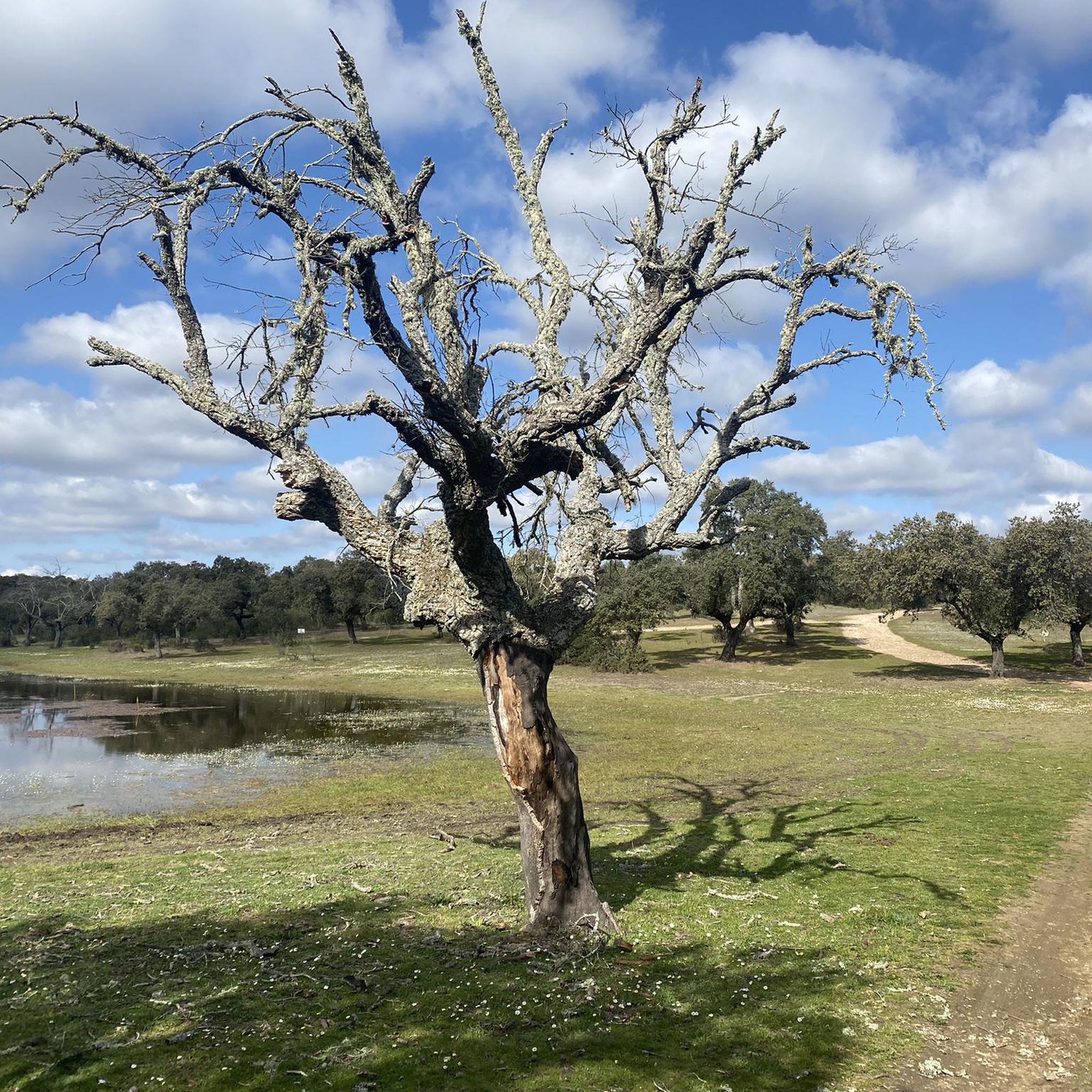
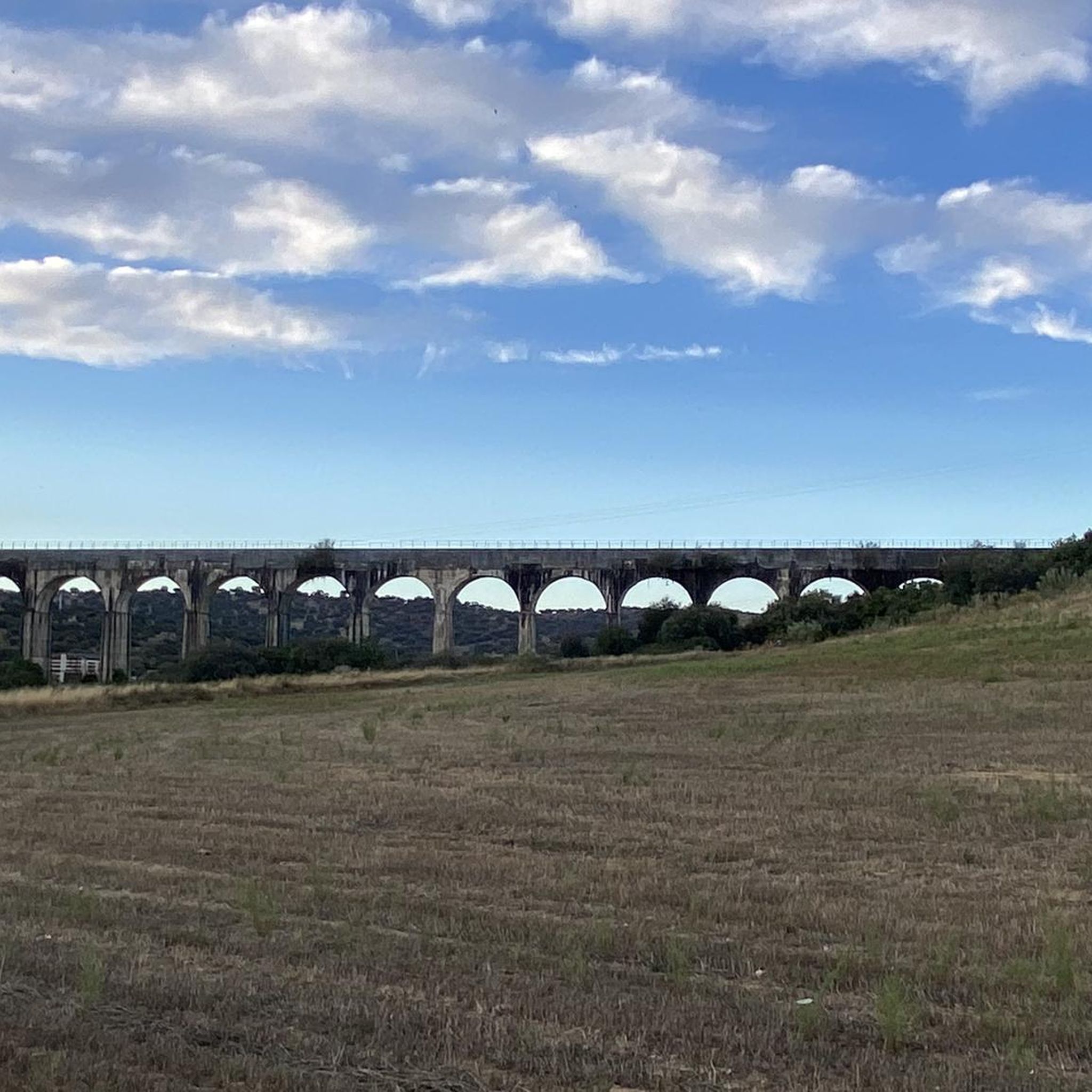
The Borbollón Reservoir dam is located on the Árrago River, within the municipality of Santibáñez el Alto (Cáceres), forming part of the Tagus River Basin. The Borbollón Reservoir is a protected area within the Natura 2000 network, designated as a Special Protection Area (SPA) "Borbollón Reservoir." The surrounding area features holm oak and cork oak woodlands, a key habitat for Mediterranean fauna.
3
0
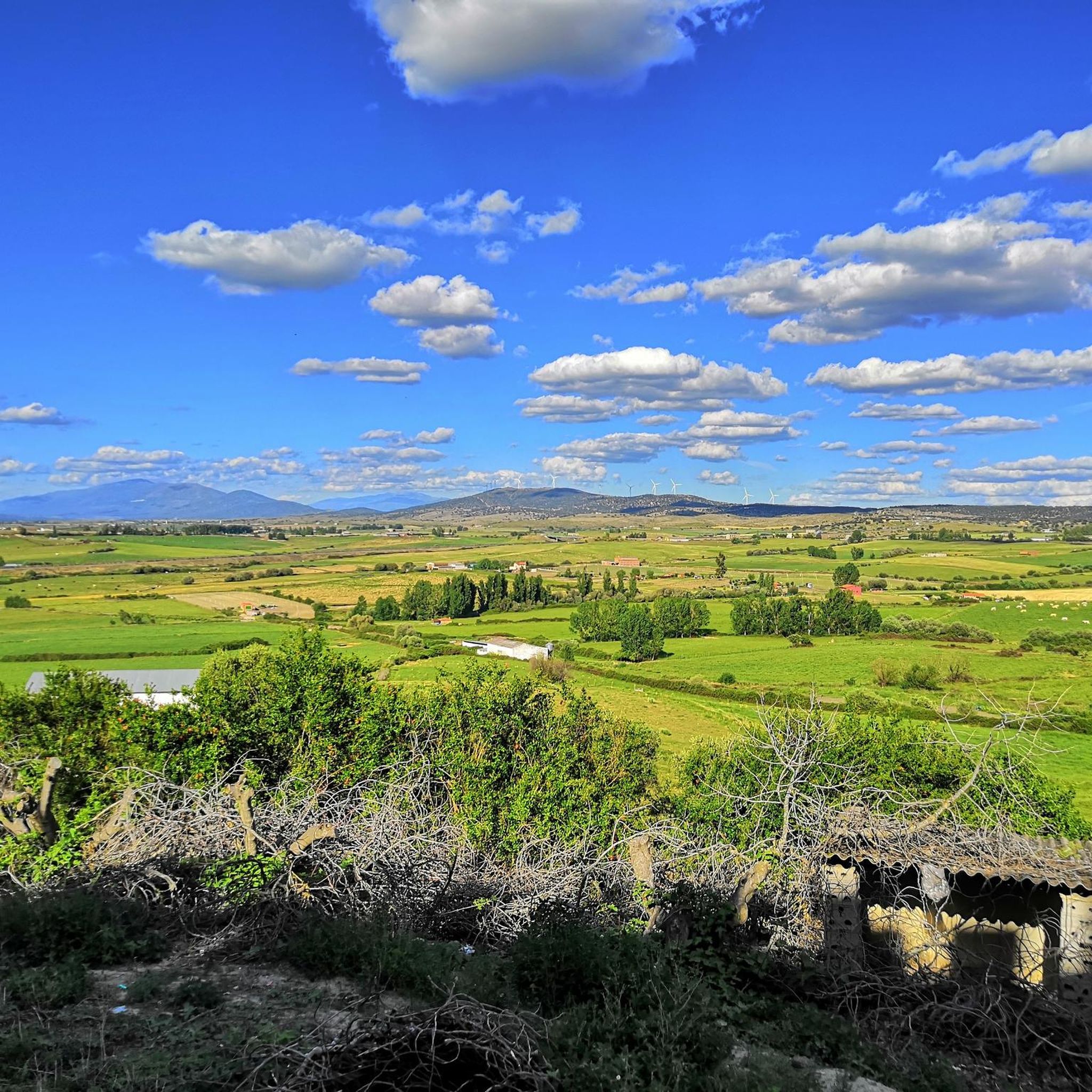
Although the town is small, its urban center revolves around the Plaza de España, where the main institutional buildings, such as the Town Hall, are located. The Town Hall of La Moheda de Gata is located at Plaza de España, 1 (10849), confirming that this square serves as the center of the town's social and administrative life. The Parish Church of San Isidro Labrador is the main religious building in La Moheda de Gata. It is dedicated to San Isidro Labrador, the patron saint of farmers, reflecting the town's agricultural history.
3
0
The Iron Bridge in Coria is a beautiful civil work of metal architecture and nineteenth-century modernist design. It was built by the Asturian engineers D. Salvador and D. Próspero Ardura. The bridge stands over the Alagón River, connecting both banks in the City of Coria. Its total length is 178.30 meters, and its deck has a width of 7.78 meters, with a two-way road flanked by two sidewalks.
9
0
The Medieval Bridge of Coria is a historical structure that is located next to the main façade of the Monastery of San Juan Bautista or Corias. Its construction had the objective of connecting the monastery with the town of Corias. Although its foundations are believed to be of Roman origin, the bridge was rebuilt in 1571, as indicated by an inscription preserved on one of the stones of its parapet.
8
0

The old bridge (Puente renaissance) over the Alagón valley has no water running under it. It seems that the river waters were diverted to the south. The view from the bridge over the old city is very dramatic.
1
0

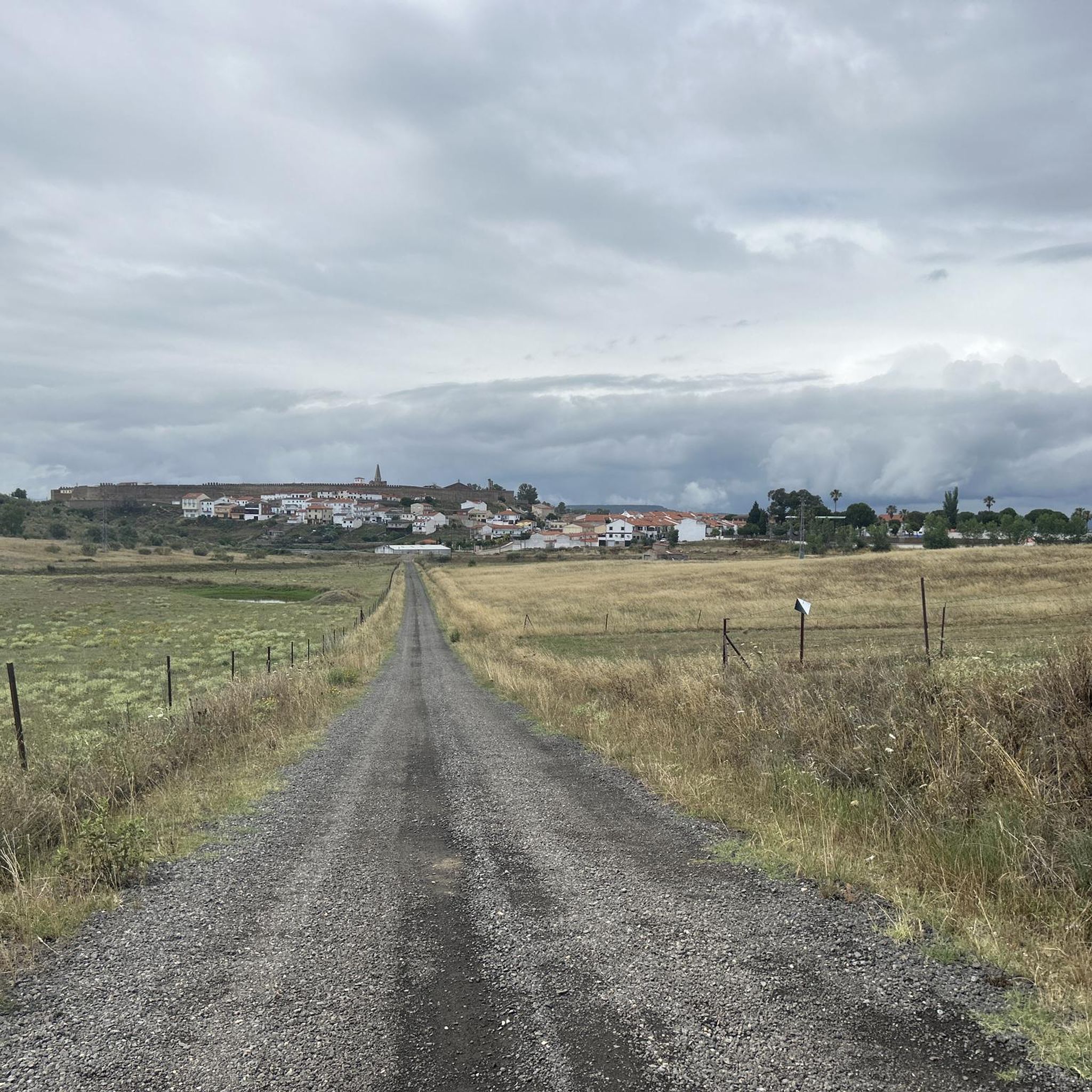
No one really knows much about the history of this quaint little town, but it is believed to be very old. There are historical vestiges and sites that link the town with the Visigothic or medieval times. Currently, there are less than 500 inhabitants in Calzadilla, but there are some interesting things to see and it is not a bad place to stop while cycling.
0
0
The Iron Bridge features impressive cast-iron architecture with a 19th-century modernist design. It was built between 1901 and 1909. It has three huge arches and the bridge is almost 180 meters long. The bridge is a good alternative to walking or biking to the newer bridge nearby.
2
0
This bridge is from the 16th century and before it passed over the Alagón river. It is now an amazing remnant of the time and well worth visiting.
2
0
Frequently Asked Questions
What historical and cultural sites can I explore in Guijo de Coria?
Guijo de Coria and its surroundings offer several historical and cultural points of interest. You can visit the 16th-17th century Iglesia Parroquial católica de San Esteban, the Ermita del Cristo, and the Ermita de Nuestra Señora de la Consolación. The town is also known as the "Cradle of Blessed María de Jesús," with a dedicated Casa-Convento and a Monumento a la Beata de María de Jesús in the town square. Additionally, the Medieval Bridge of Coria, with its Roman origins and 1571 reconstruction, is a significant historical structure nearby.
Are there any natural attractions or features to see around Guijo de Coria?
Yes, the area around Guijo de Coria boasts natural beauty. The municipality is crossed by streams like Arroyos Patanas, Grande, and Regueros. You'll find characteristic vegetation including oak forests and scrubland with species like rockrose and rosemary. A notable natural feature is the Borbollón Dam, a reservoir on the Árrago River, which is a protected area within the Natura 2000 network and surrounded by holm oak and cork oak woodlands.
What kind of outdoor activities can I do near Guijo de Coria?
The region around Guijo de Coria is excellent for various outdoor activities, especially cycling. You can find numerous routes for road cycling, mountain biking, and touring. Explore options like the "Coria, Galisteo, and Torrejoncillo Loop" for road cycling, or the "Coria and Torrejoncillo Loop" for mountain biking. For more detailed routes and options, check out the dedicated guides for Road Cycling Routes around Guijo De Coria, MTB Trails around Guijo De Coria, and Cycling around Guijo De Coria.
Are there family-friendly attractions in the Guijo de Coria area?
Absolutely! Several attractions are suitable for families. The Borbollón Dam is a great spot for a break and enjoying the natural surroundings. The Iron Bridge of Coria, with its impressive 19th-century design, offers an interesting walk. Additionally, the La Moheda de Gata Town Square and Church provides a charming small-town experience, often with storks nesting, which can be delightful for children.
What is the best time of year to visit Guijo de Coria for outdoor activities?
Guijo de Coria experiences a Mediterranean climate. The spring (April-May) and autumn (September-October) months are generally ideal for outdoor activities like cycling and exploring, as temperatures are milder and the landscape is vibrant. Summers can be quite hot, which might be less comfortable for strenuous activities, while winters are generally mild.
Can I find any unique architectural landmarks in the vicinity?
Yes, the Iron Bridge of Coria is a unique civil work of metal architecture with a distinct 19th-century modernist design. Built between 1901 and 1909, it spans almost 180 meters over the Alagón River and features three huge arches, making it a remarkable sight.
What is the significance of the Borbollón Dam?
The Borbollón Dam is a significant man-made monument on the Árrago River. It's not just a reservoir but also a protected area within the Natura 2000 network, specifically designated as a Special Protection Area (SPA) for its ecological value. The surrounding holm oak and cork oak woodlands provide a crucial habitat for Mediterranean fauna.
Are there any viewpoints or scenic spots around Guijo de Coria?
While Guijo de Coria itself sits on a hill offering some elevation, the Medieval Bridge of Coria provides a dramatic view over the old city, even though the river no longer flows directly beneath it. The general landscape of flat and gentle forms, characteristic of a sedimentary basin, also offers serene vistas, especially around the Borbollón Dam area with its woodlands.
What is the <a href="https://www.komoot.com/highlight/3333532" target="_blank" rel="noopener">La Moheda de Gata Town Square and Church</a> like?
The La Moheda de Gata Town Square and Church forms the heart of this small town. The Plaza de España is where the Town Hall and the main religious building, the Parish Church of San Isidro Labrador, are located. Visitors often note the presence of storks breeding here, adding a charming natural element to the urban center.
What can I learn about the history of Calzadilla?
The Church of San Salvador de Calzadilla is a key historical site in this quaint town. While much of its early history is unknown, there are historical vestiges suggesting links to Visigothic or medieval times. Despite its small population, Calzadilla offers interesting historical insights and is a pleasant stop, particularly for those exploring the area by bike.
Are there opportunities for dog-friendly walks or activities?
Many of the natural areas and trails around Guijo de Coria are suitable for walks with dogs, especially the paths through the oak forests and scrubland. When exploring, always ensure your dog is under control and respect local regulations regarding pets in protected areas like the Borbollón Dam surroundings. Always carry water for your pet, especially during warmer months.
What are the general characteristics of the landscape around Guijo de Coria?
The landscape around Guijo de Coria is characterized by flat and gentle forms, typical of a sedimentary basin. The town itself is situated on a hill, interrupting this uniformity. The area is located on a vast plain south of the Sierra de Gata and north of the Alagón River, featuring streams, oak forests, and scrubland vegetation.

Get inspired with the komoot mobile app


Explore more
Still not found the Highlight you’re looking for? See guides of the top attractions in other regions:
