The best MTB trails around Font-Rubí
4.5
(324)
3,927
riders
318
rides
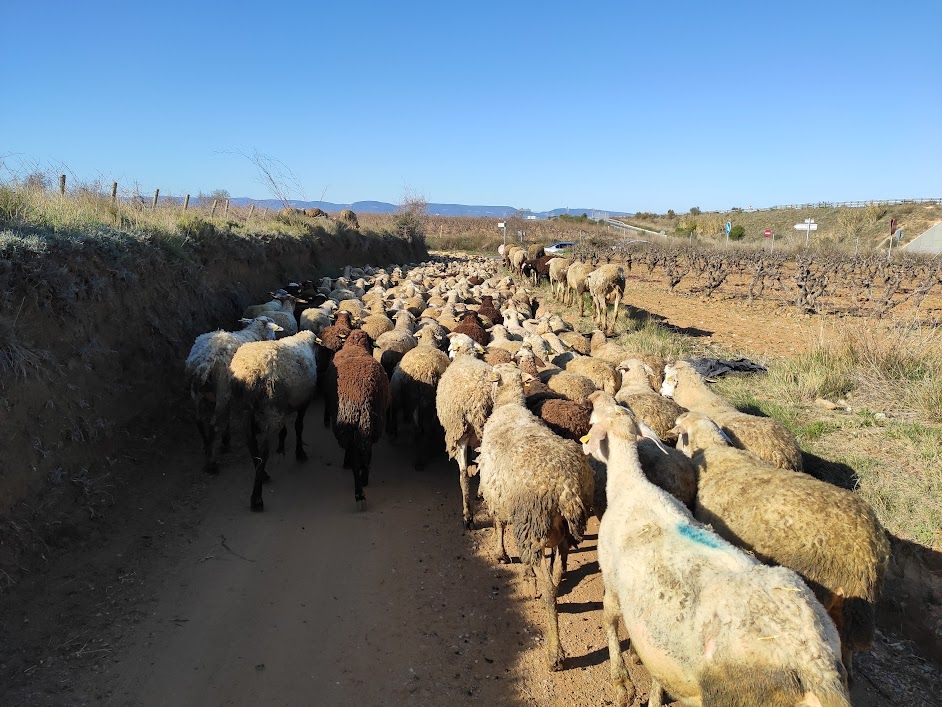
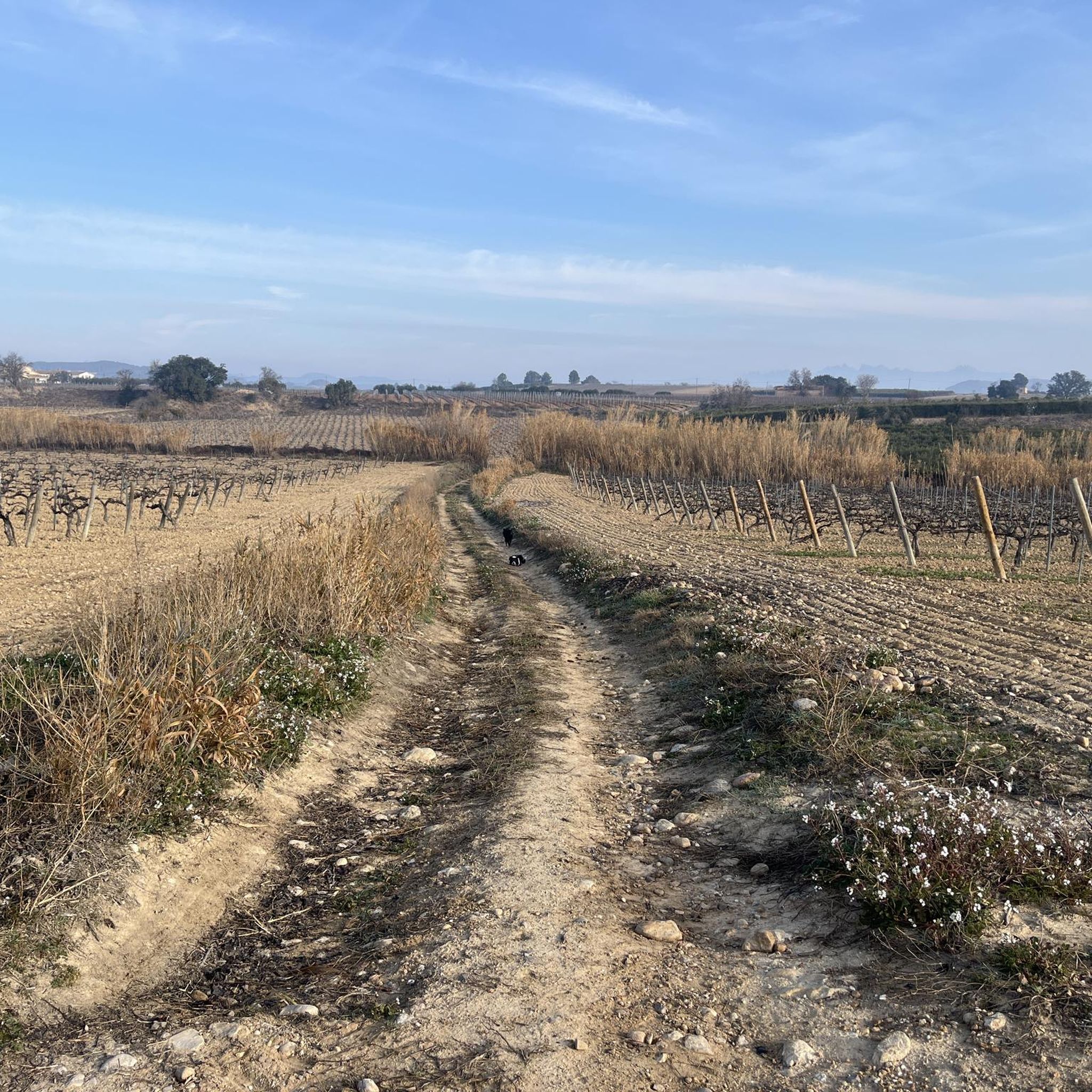
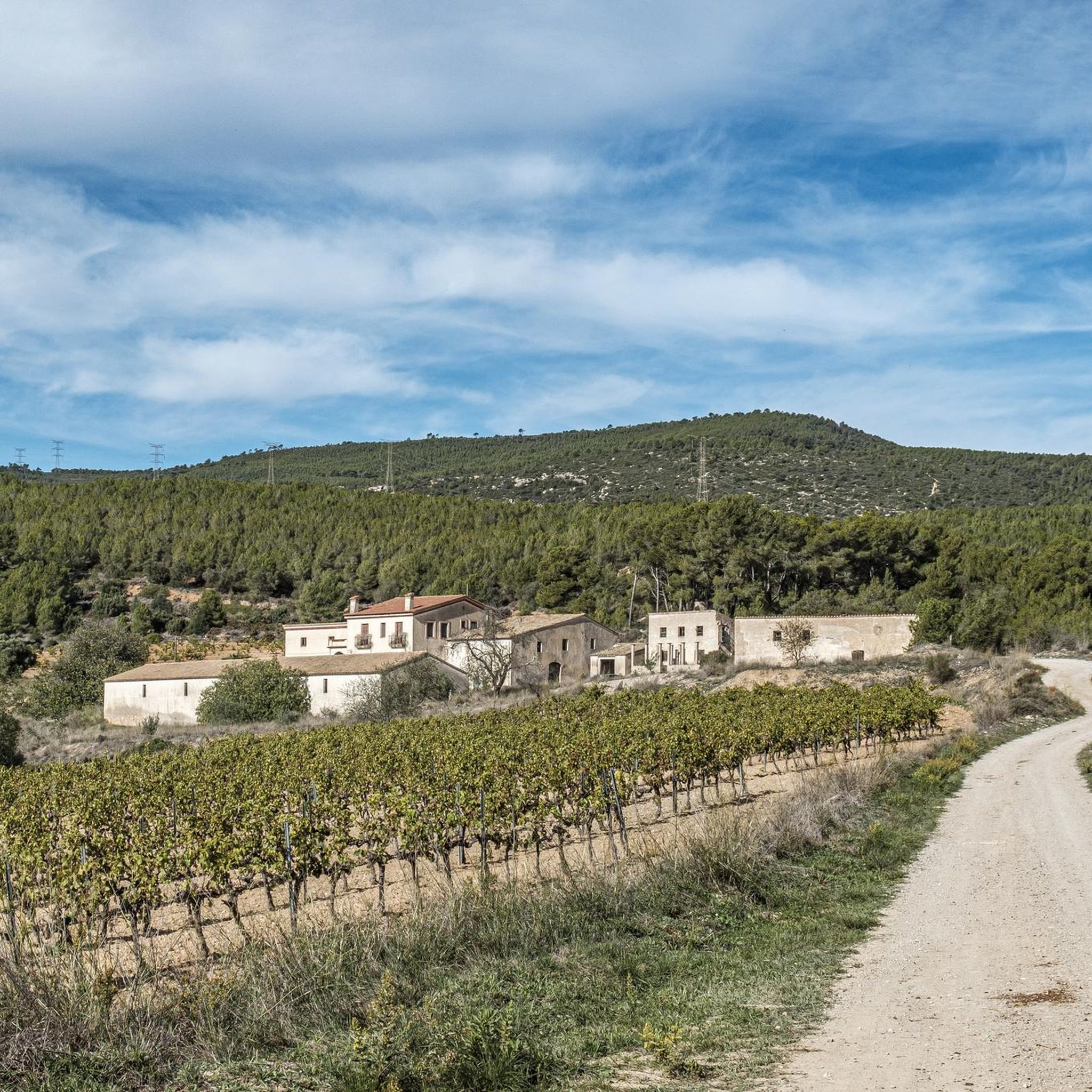
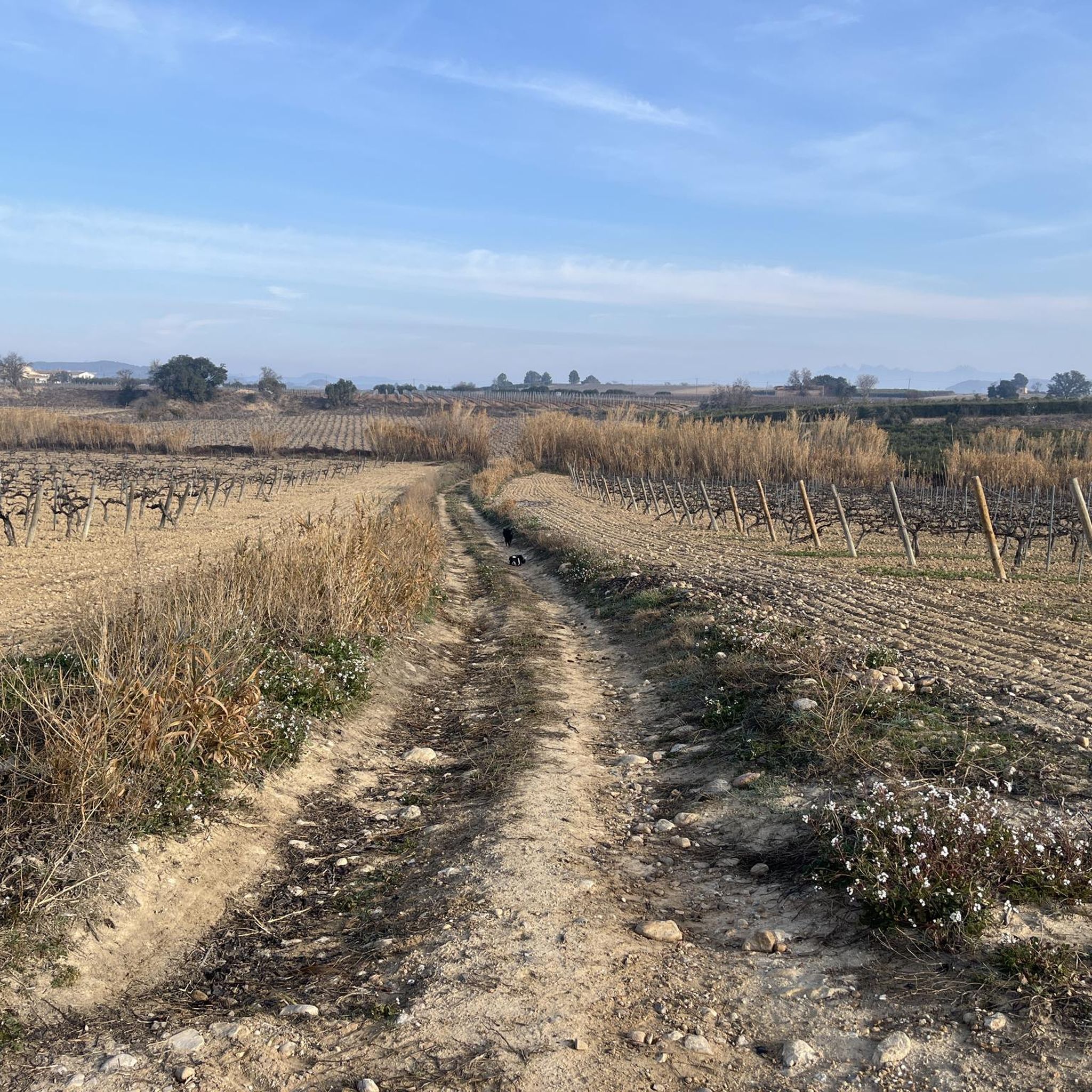
Mountain biking around Font-Rubí offers diverse landscapes characterized by vineyards, extensive forests, and mountains. The terrain includes rural tracks and varied elevation, providing a range of routes for mountain bikers. Located in the Alt Penedès region, the area features a blend of agricultural fields, olive groves, and Mediterranean forests. This setting provides scenic backdrops and varied surfaces for exploration.
Best mountain bike trails around Font-Rubí
- The most popular mountain bike trail is Turó de Coll d'Orpí – Can Feixes loop…
Last updated: October 27, 2026
92
riders
46.4km
05:02
1,280m
1,280m
Hard mountain bike ride. Very good fitness required. Advanced riding skills necessary. Some portions of the route may require you to push your bike.
51
riders
29.8km
02:57
630m
630m
Hard mountain bike ride. Good fitness required. Advanced riding skills necessary. Some portions of the route may require you to push your bike.

39
riders
43.7km
04:01
740m
740m
Hard mountain bike ride. Good fitness required. Advanced riding skills necessary. Some portions of the route may require you to push your bike.
5.0
(3)
32
riders
32.9km
03:12
720m
720m
Hard mountain bike ride. Good fitness required. Advanced riding skills necessary. Some portions of the route may require you to push your bike.
3.0
(1)
23
riders
44.8km
03:07
610m
610m
Moderate mountain bike ride. Good fitness required.
Get access to more routes and recommendations from other explorers.
Already have an account?
Our route recommendations are based on thousands of hikes, rides, and runs completed by other people on komoot.
Start today with a free account
Your next adventure awaits.

Other adventures around Font-Rubí

Tips from the Community

From the Canyellas road it is a two kilometer climb to the castle.
0
0

Documented for the first time in 962, it was listed as a monastic house dependent on the Ripoll monastery and since the 12th century it had housed a community of Benedictines. Practically nothing remains of the primitive Romanesque church, since in 1541 a mob of Frenchmen burned down the town, leaving the monastic house and the church collapsed. The church was rebuilt in 1567, becoming the property of the Barcelona Cathedral. In the following years he carried out various renovations, including the addition of an altarpiece by the Milanese painter Joan Baptista Toscano and various images by the Catalan baroque artist Agustí Pujol. In successive centuries the church was expanded and in the 1950s, after the damage suffered during the civil war, the sgraffito exterior that can be seen today was painted.
1
0

Castle at the top of Olèrdola Park. This is one of the 12 natural spaces that try to be protected and at the same time that people can pass through giving life to the area. The old castle is an example, and passing by and seeing its walls is always beautiful!
0
0
River that joins the Torrent del Manou and the Torrent d'Oriol and forms the Riu d'Agost that descends in the direction of Anoia and towards the Mediterranean Sea.
0
0
In the middle of the town of Vilanova d'Espoia we find the church of San Salvador, which together with its surroundings makes it a beautiful place to pass by and enjoy the area as a whole.
1
0

Necropolis located on the elongated hill located in front of the Olerdolana wall. It is known as Pla dels Albats (relatively modern place name). This name comes from the numerous small and medium-sized tombs corresponding to infants and alabtas (babies who died before receiving the sacraments or having the use of reason) found in the necropolis of anthropomorphic tombs. More than a hundred tombs have been located. The graves are excavated in the rock, they are rectangular in plan, with the head separated from the rest of the body and narrower at the feet. Most feature a socket in the rock itself for the cap. The graves follow the east-west orientation. In the middle of the necropolis are the ruins of a building that has been identified as the remains of the chapel of Santa Maria. Part of the north wall is preserved, with a height close to 3 meters and the west wall, modernly altered. The chapel of Santa Maria and the necropolis must be associated with the population, more or less dispersed, located outside the walls in medieval times. They were already in operation at the beginning of the 10th century. Observations: Archaeological research is very incipient in this sector, its evolution will confirm the exact functionality of the building described, its chronology and the relationship with the remains of another building that can be guessed in the middle of the necropolis.
3
0
The history of the place tells of the settlement of several tribes during the Bronze Age (2000-1800 BC), the construction of a primitive wall during the Iron Age (8th-7th centuries BC) and the arrival of the Cossetans (5th-4th centuries BC), an Iberian tribe that built an entire town there, later replaced by a Roman military camp that controlled the Via Augusta. At the time of the Christian conquest (929), Count Sunyer I built the first castle on the ruins of a Roman watchtower, as well as the church of Sant Miquel. The Muslim incursions of the 10th century seriously damaged the place, which had to be rebuilt during the following two centuries, after it belonged to Mir Geribert, self-proclaimed prince of Olèrdola. The visit to the complex is worth taking it easy and dedicating at least an hour to it. Before you go, you should consult their website: http://www.macolerdola.cat/Visita-ns/Informacio-per-a-la-visita
1
0
It consists of a whole series of vestiges and constructions that allow you to follow the history of Penedes from the Bronze Age to the High Middle Ages. The spectacular Sant Miquel church and the Pla dels Albats necropolis (both from the Middle Ages) stand out. Within the protected natural environment of the Regional Park of Olèrdola, and with a privileged view over the surroundings of Vilafranca and Garraf, there is a whole series of vestiges and constructions that allow you to follow the history of Penedes since the Bronze Age (about 4,000 years ago) until the High Middle Ages. It is located in an installation of the Museum of Archeology of Catalonia (MAC), which includes an interpretation center, and the visit to the complex is organized in an itinerary that starts at the interpretation center and links the various points of interest The vestiges of the Roman era are some of the most interesting, such as the wall (2nd-1st centuries BC), which defended the only point on the mountain that is not surrounded by cliffs and consists of a single central gate and four towers, and the cistern (also from the 2nd-1st centuries BC), dug into the rock and used to store rainwater, unique in the country for its capacity of 350,000 litres. From the Middle Ages, the spectacular church of Sant Miquel stands out, perched on top of the hill of the same name and destroyed and rebuilt several times since the beginning of the 10th century. It consists of two parts, one pre-Romanesque (built in 929) , which still preserves the apse and stands out for its horseshoe arch, and another from later (10th-12th centuries), which was in use until 1885. It is also necessary to mention the necropolis of Pla dels Albats (10th- XI), with a hundred anthropomorphic tombs excavated in the rock next to the ruins of the chapel of Santa Maria, the various structures of Iberian and medieval streets, houses and silos, the castle, also medieval, and the Roman watchtower.
1
0
Frequently Asked Questions
How many mountain bike trails are available in Font-Rubí?
There are over 300 mountain bike trails around Font-Rubí. These include a diverse range of routes: approximately 35 easy trails, 176 moderate trails, and 91 difficult trails, catering to various skill levels.
What kind of terrain can I expect on mountain bike trails in Font-Rubí?
Mountain biking in Font-Rubí offers a varied landscape characterized by vineyards, extensive forests, and mountains. You'll encounter rural tracks, agricultural fields, olive groves, and Mediterranean forests, providing both scenic backdrops and diverse surfaces for exploration.
Are there any family-friendly mountain bike trails in Font-Rubí?
Yes, the region offers routes of moderate difficulty and bicycle itineraries along rural tracks that are suitable for active tourism, including family-friendly cycling. While specific family-designated routes aren't listed, the presence of many moderate trails suggests options for families.
What are some notable natural features or viewpoints to see while mountain biking in Font-Rubí?
Font-Rubí, often called the 'Balcony of Penedès,' provides breathtaking panoramic views over the Penedès plain from higher altitudes. You can also discover numerous natural springs and extensive forests. For specific viewpoints, consider routes that pass by Miravinya La Bardera.
What do other mountain bikers enjoy most about the trails in Font-Rubí?
The mountain bike routes in Font-Rubí are highly rated by the komoot community, with an average score of 4.4 stars from over 260 reviews. Riders often praise the diverse landscapes, including vineyards and forests, and the range of options from moderate paths to challenging routes with significant climbs.
Are there any circular mountain bike routes in Font-Rubí?
Yes, many of the trails in Font-Rubí are designed as loops. For example, the Forest Path in Penedès – Trail to the Cross loop from Sant Quintí de Mediona is a moderate 20.6-mile path that takes you through forests and vineyards.
What historical sites or landmarks can I explore near the mountain bike trails?
The region is rich in history. You can find historical sites like the Castle of Font-rubí and the Romanesque church of Sant Pere and Sant Feliu. Other notable sites include Olèrdola Castle and Archaeological Site, Pla dels Albats Necropolis and Chapel Ruins, and Sant Martí Sarroca Castle and Church Complex.
What is the best time of year to go mountain biking in Font-Rubí?
The diverse landscapes of Font-Rubí, with its vineyards and forests, make it appealing across multiple seasons. Spring and autumn generally offer pleasant temperatures for cycling. The presence of extensive forests can also provide shade during warmer months.
Are there any challenging mountain bike routes for experienced riders?
Absolutely. Font-Rubí offers 91 difficult trails for experienced riders. An example is the Trail to Mediona Castle – Parish Church of Sant Quintí loop from Mediona, a 34 km route with significant elevation gain, often completed in about 3 hours 17 minutes.
Can I find routes that pass by water features or natural springs?
Yes, the municipality boasts numerous natural springs, which contribute to its privileged natural environment. You might find routes that pass by the Font-rubí Spring or the Gran Pèlag of Vilobí del Penedès, a natural lake.
Are there any moderate mountain bike trails that showcase the region's vineyards?
Yes, many routes traverse the vineyard-laden landscapes. The Forn del Monàs – Pi de la Serreta loop from la Granada is a moderate 44.8 km trail that takes you through the characteristic agricultural fields and vineyards of the Penedès region.
Most popular routes around Font-Rubí
Most popular attractions around Font-Rubí

Get inspired with the komoot mobile app


Explore more
Browse the best MTB trails in other regions.
