Attractions and Places To See around Maranchón - Top 20
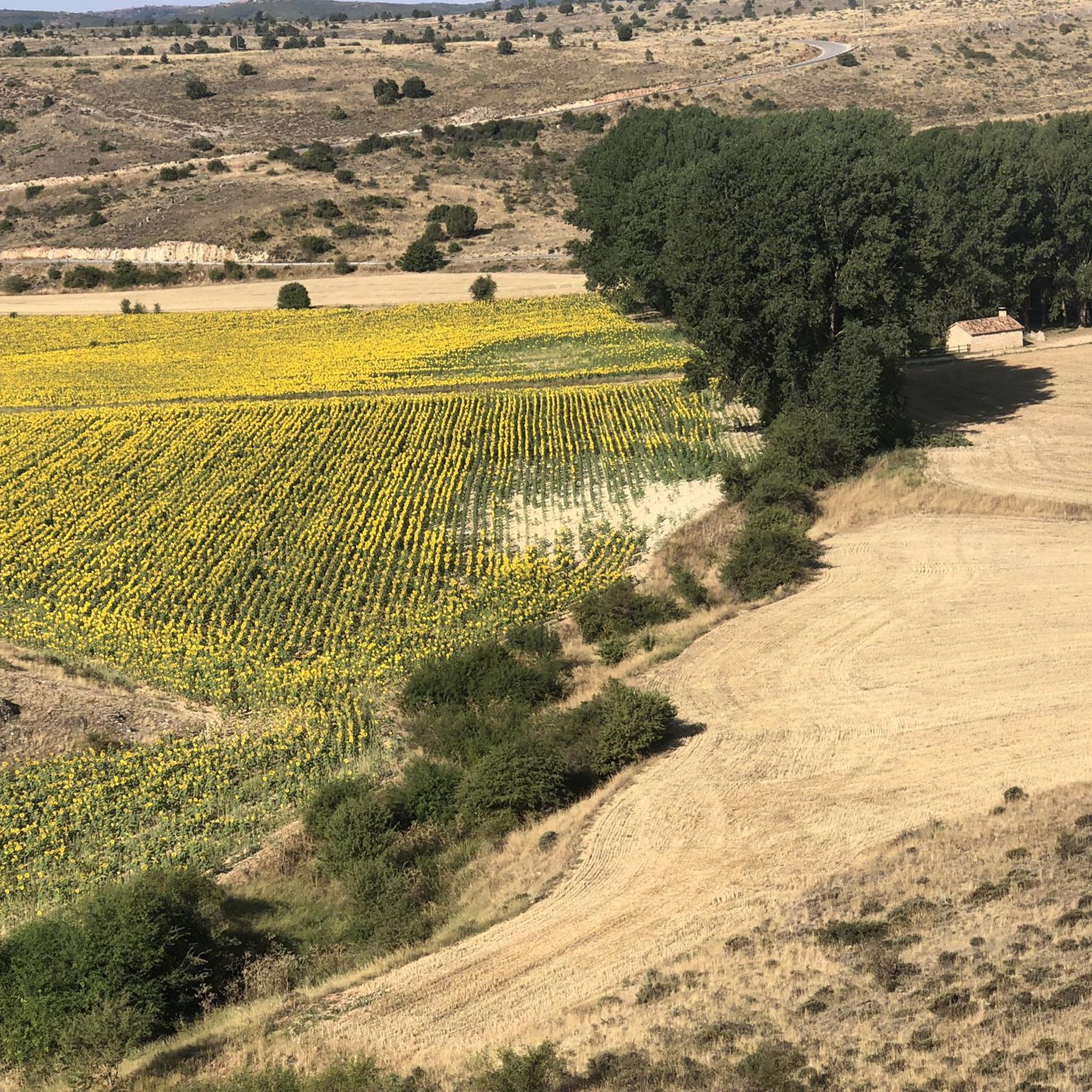
Best attractions and places to see around Maranchón, a village in Guadalajara, Spain, offers a mix of historical sites and natural landscapes. Situated at over 1,200 meters above sea level in the Señorío de Molina-Alto Tajo region, it provides access to high plateaus, juniper forests, and river gorges. The area is characterized by its tranquil atmosphere and diverse terrain, making it a point of interest for those exploring the region.
Best attractions and places to see around Maranchón
- The most popular attractions is Church of San Pedro de Luzón, a religious building located in a town on the banks of the Tajuña River. This church is a notable example of the local heritage in Luzón, a village also known for its museum and rock sculptures.
- Another must-see spot is Laguna de Judes, a lake and natural monument. This karst wetland, unique in the province, typically holds water in late winter and spring, and in wet years, its overflow forms waterfalls known as "Chorroneras."
- Visitors also love Tajuña River Gorges, a canyon with natural caves. Along approximately 11 kilometers between Anguita and Luzón, the river has carved curious cracks and formations into the rock, providing a landscape where vultures can be observed.
- Maranchón is known for its historical buildings, natural monuments, and traditional settlements. The area offers a variety of attractions to see and explore, from ancient churches to unique geological formations.
- The attractions around Maranchón are appreciated by the komoot community. With 11 upvotes and 22 photos, these spots are popular among komoot users.
Last updated: May 9, 2026
Church of San Pedro de Luzón
Highlight • Religious Site
Translated by Google •
Tip by

Laguna de Judes
Highlight • Lake
Translated by Google •
Tip by

Sign up now to discover places like this
Get recommendations on the best single tracks, peaks, & plenty of other exciting outdoor places.
Sign up for free
Maranchón
Highlight • Settlement
Translated by Google •
Tip by

Tajuña River Gorges
Highlight (Segment) • Canyon
Translated by Google •
Tip by
Layna
Highlight • Settlement
Translated by Google •
Tip by

Sign up for free to discover even more attractions around Maranchón.
Sign up for free
Already have an account?
Start today with a free account
Your next adventure awaits.
Login or Signup
Popular around Maranchón
18th-century gravel – Camino Real de Aragón from Madrid
Canyons and countryside – Spain’s Tajuña River gravel
Tierras de Frontera on a gravel bike – El Camino del Cid
El Camino del Cid – The Borderlands on MTB
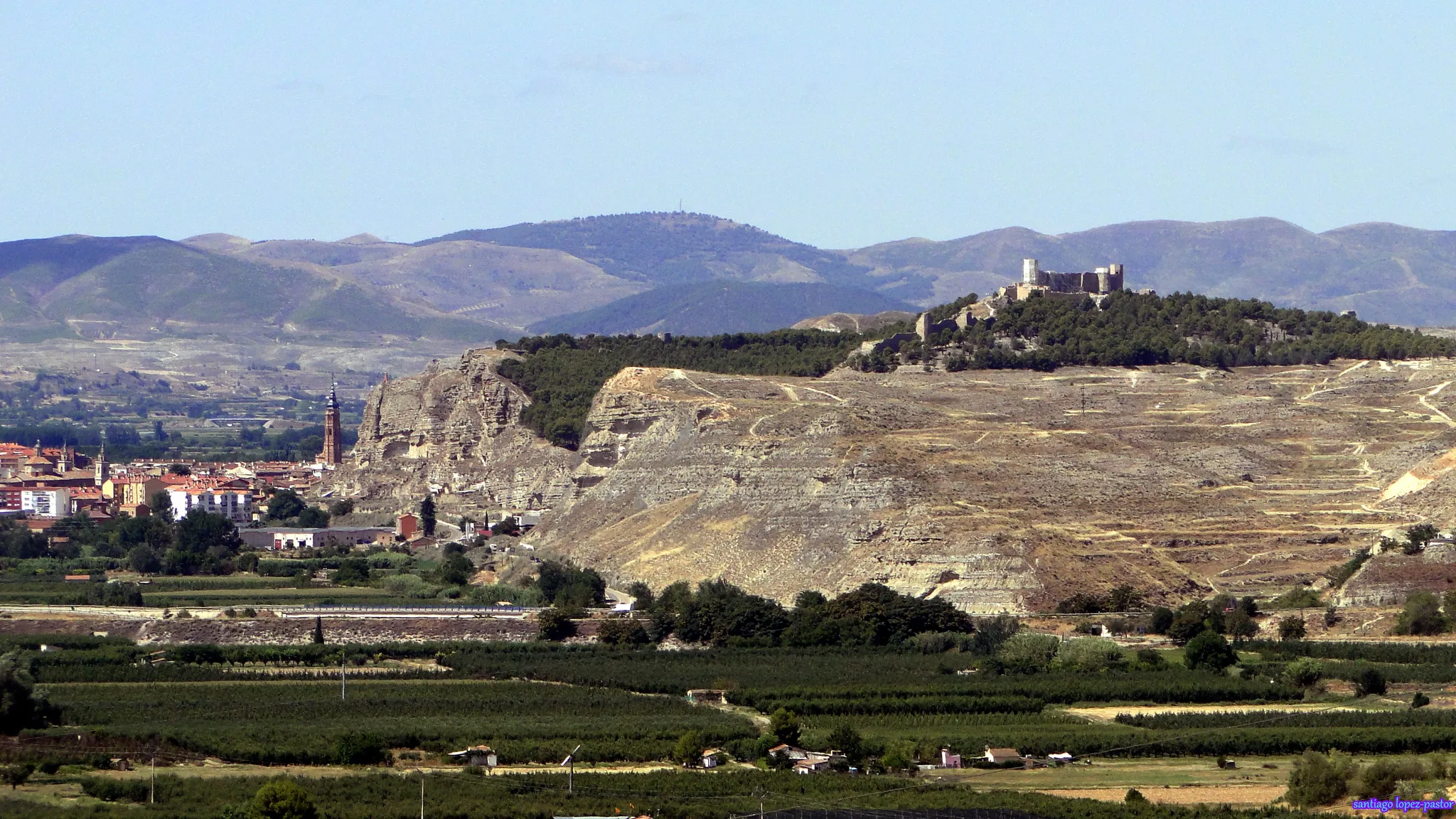
Camino del Cid by bicycle — frontier lands in Spain
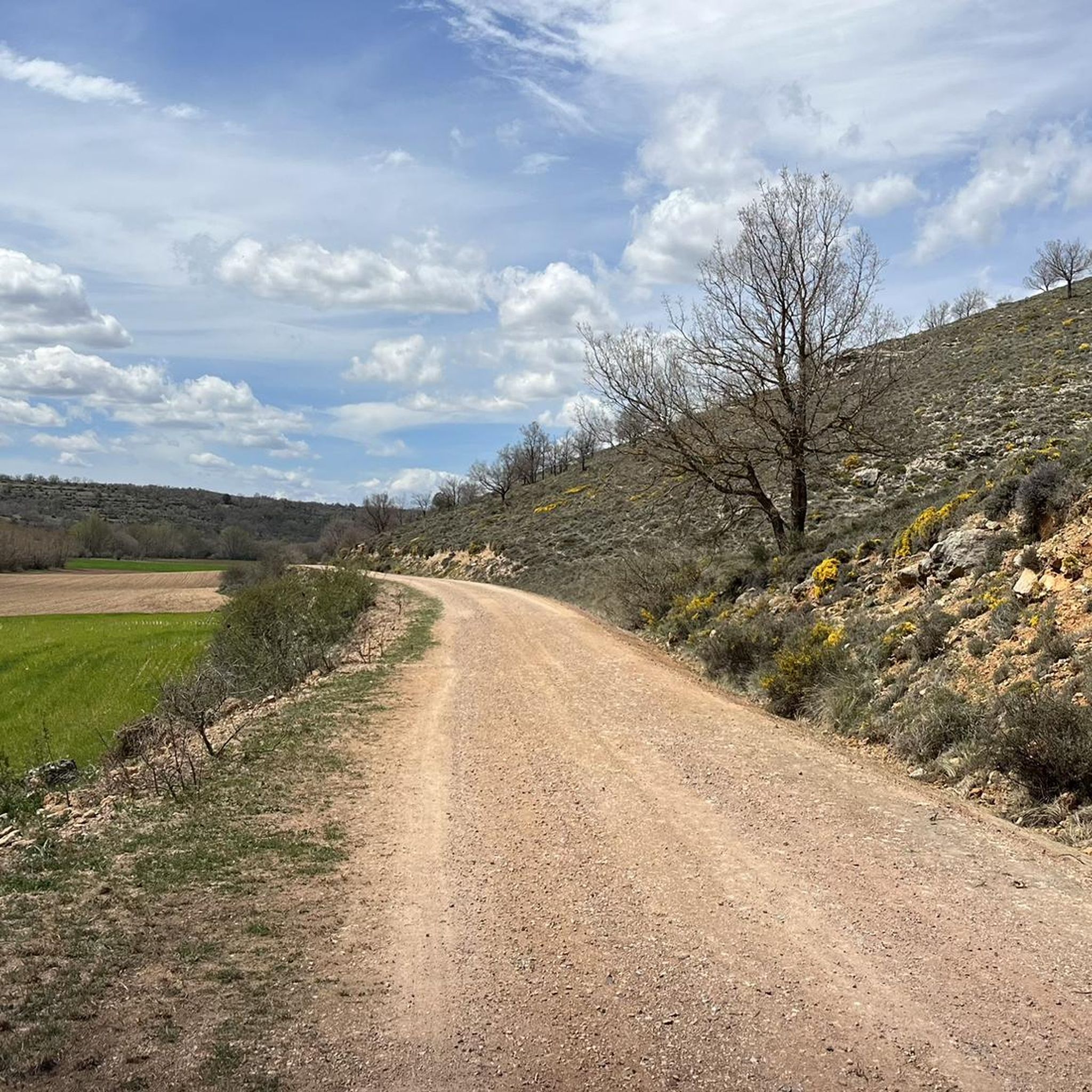
Hiking around Maranchón
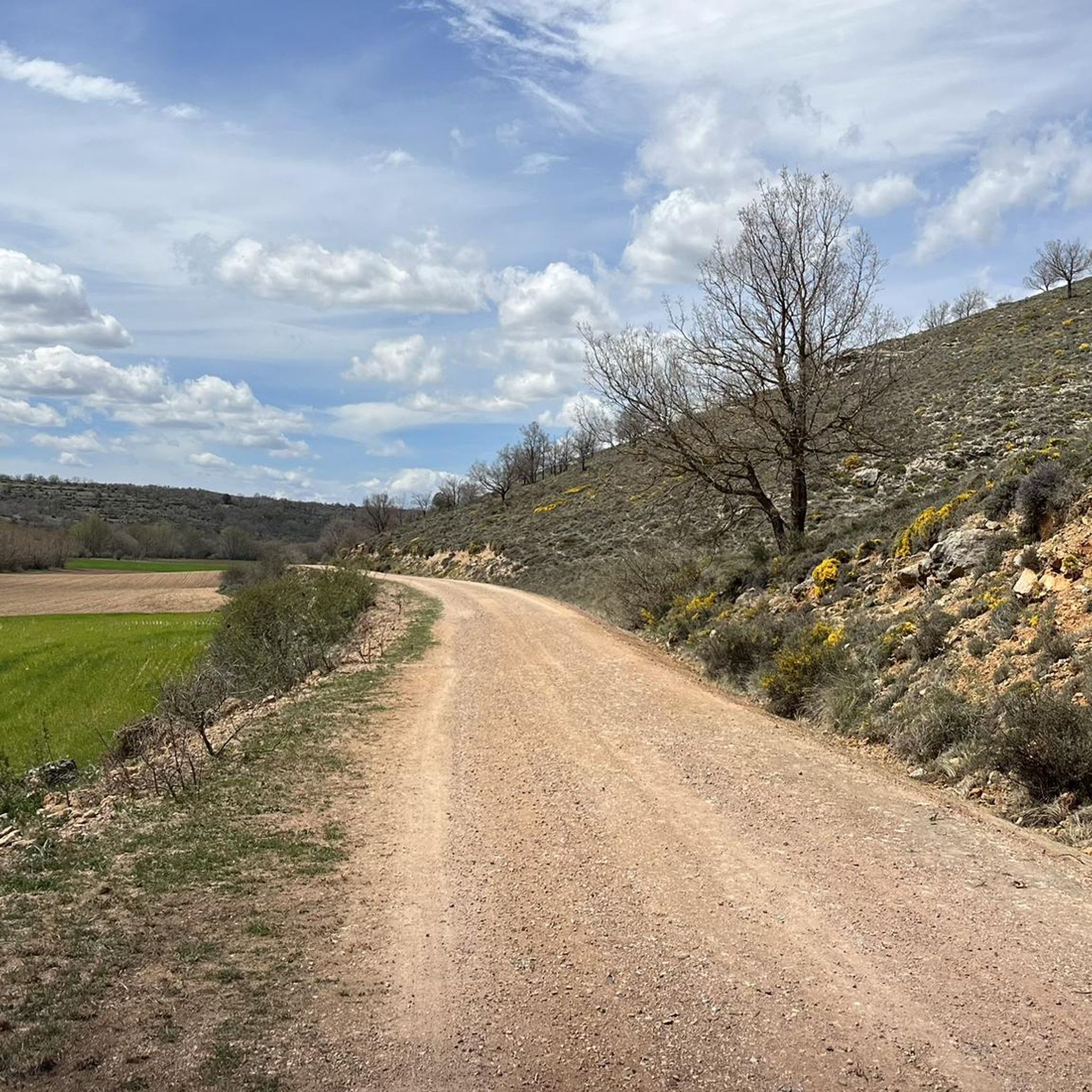
Road Cycling Routes around Maranchón
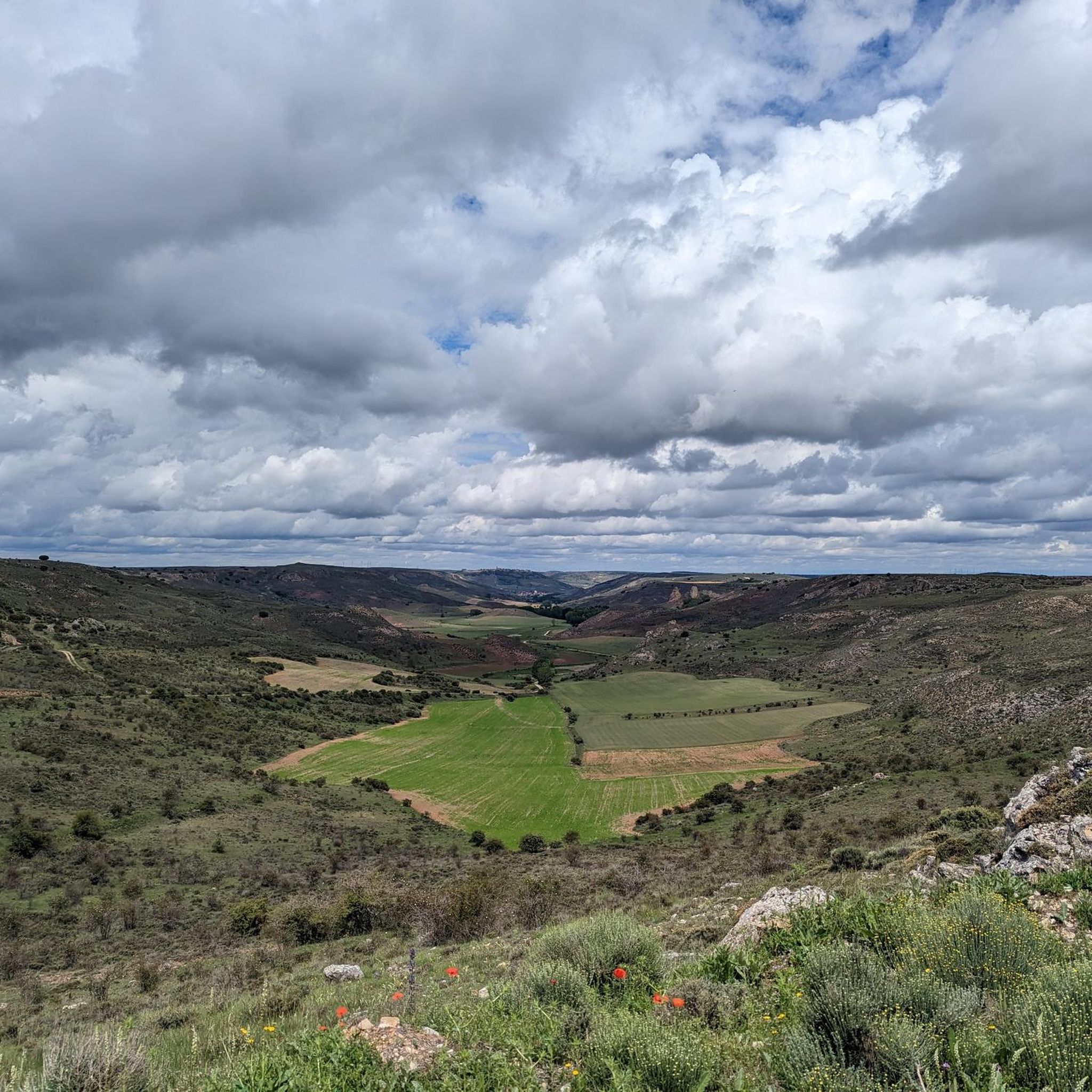
MTB Trails around Maranchón
Cycling around Maranchón
Other adventures around Maranchón


Tips from the Community


The Judes Lagoon is a karst wetland located in the town of Judes, within the municipality of Arcos de Jalón, in the province of Soria, Castile and León. It is the only lagoon of its kind in the province, as most are of glacial origin.
4
0

A church with a curious roof stands out at the western exit.
0
0
We have a source
0
0
In Layna we have a good fountain where we can refresh ourselves and bring the bottle.
0
0

In Luzon the carnival is celebrated in a very unique way and stopping in the square to have a drink we were able to learn what the "Los Diablos y Mascaritas de Luzón" are. It is worth returning in February or seeing them at the Guadalajara bottargas concentration.
0
0

Nice place, like the rest of the landscape upstream and downstream of La Hoz del Rio Tajuña.
1
0
Judes Lagoon only has water in wet years, in winter and spring. It is curious to see the corner of rocks where the Water of the Gorgoncil Stream reaches
0
1
Frequently Asked Questions
What natural attractions can I explore around Maranchón?
The region offers diverse natural beauty. You can visit Laguna de Judes, a unique karst wetland that forms waterfalls in wet years. The Tajuña River Gorges provide a stunning landscape with curious rock formations and caves, ideal for observing vultures. Additionally, the Las Parameras de Maranchón offer vast juniper forests and opportunities for birdwatching, while El Recuévano is an oak grove with picnic areas.
Are there historical or cultural sites to visit in Maranchón and its surroundings?
Yes, Maranchón is rich in history. The village itself features the Gothic-style Iglesia Parroquial de Nuestra Señora de la Asunción and the Renaissance-style Casa de los Picos. You can also see the 1915 Plaza de Toros with its Neo-Mudéjar architecture. Nearby, the village of Luzón, home to the Church of San Pedro de Luzón, offers the Museo de las Escuelas, showcasing local history and traditions.
What kind of outdoor activities can I do near Maranchón?
Maranchón is an excellent base for outdoor enthusiasts. You can find various hiking routes, including moderate trails like the 'Trail of the Cid: Layna to Urex de Medinaceli Loop' and 'Sagides — circular around Laguna de Judes'. For cycling, there are numerous road cycling and MTB trails available. Explore options like 'Maranchón, Cobeta, and Alto Tajo Geopark Loop' for road cycling or 'Luzón - Alcolea del Pinar – circular por el río Tajuña y Camino del Cid' for MTB. More details on routes can be found in the Hiking around Maranchón, Road Cycling Routes around Maranchón, and MTB Trails around Maranchón guides.
Are there family-friendly attractions or activities in the Maranchón area?
Absolutely. The village of Maranchón itself is considered family-friendly, with its quiet streets and the landscaped park La Alameda. The Church of San Pedro de Luzón is also listed as family-friendly. The oak grove El Recuévano offers picnic areas, perfect for a family outing. Many of the easier hiking routes are also suitable for families with children.
What is the best time of year to visit Maranchón for outdoor activities?
The best time to visit Maranchón for outdoor activities is generally in late winter and spring, especially if you wish to see Laguna de Judes with water and its potential waterfalls. The high plateaus and natural parks are enjoyable during spring and autumn when temperatures are milder for hiking and cycling. Summers can be warm, and winters can be cold with temperatures reaching below zero in the higher areas.
Can I bring my dog on trails or to attractions near Maranchón?
While specific rules for every trail or attraction vary, many natural areas and hiking trails in the region are generally dog-friendly. For example, the Parque Natural del Alto Tajo, which is near Maranchón, often allows dogs on trails, though they should be kept on a leash. It's always recommended to check local regulations for specific sites or protected areas.
Where does the Tajuña River originate, and what can I see along its course?
The Tajuña River originates in the mountain pass within Maranchón's municipal area. As it flows, it carves out the impressive Tajuña River Gorges between Anguita and Luzón. Along approximately 11 kilometers, you can witness unique rock formations and caves, and it's a known spot for observing vultures.
Are there any unique architectural features in Maranchón?
Yes, Maranchón boasts several unique architectural features. The Casa de los Picos is a Renaissance-style mansion with a distinctive facade adorned with diamond-pointed patterns. The Plaza de Toros, built in 1915, stands out with its significant Neo-Mudéjar architectural style, considered one of the most important in Guadalajara.
What are the Las Parameras de Maranchón, and what makes them special?
The Las Parameras de Maranchón are high plateaus located northeast of Guadalajara, characterized by a unique blend of Mediterranean high mountain scenery and extensive geological history. They are notable for vast juniper and thorn scrub forests, forming one of the largest juniper forests in Castilla-La Mancha. This area is ideal for birdwatching, hiking, and nature photography, offering spectacular open skies and intense sunsets.
What is the significance of the village of Layna?
Layna is a small village of stone houses situated on the vast Campo Taranz or Layna moor. Historically, it was an important transition path between Molina de Aragón and Medinaceli. It is mentioned multiple times in the Cantar de Mio Cid, highlighting its historical importance and the harshness of transit through this uninhabited area in winter. It also lies along the Camino del Cid.
Are there any ancient historical routes or roads near Maranchón?
Yes, Maranchón is situated along an ancient Roman road that once connected Caesaraugusta with Emerita Augusta, underscoring its historical role as a communication hub. The territory is also crisscrossed by old drovers' roads, which are linked to transhumance and form an important part of the region's cultural and landscape heritage.
Most popular attractions around Maranchón

Get inspired with the komoot mobile app


Explore more
Still not found the Highlight you’re looking for? See guides of the top attractions in other regions:
