Top 6 Caves around Borobia
Caves around Borobia offer a range of underground explorations within the natural landscape of the region. Borobia is situated in an area characterized by geological formations that host various cave systems. These natural landmarks provide opportunities to observe unique rock structures and historical elements. The surrounding terrain includes mountainous areas and valleys, contributing to the diverse environments where these caves are found.
Best caves around Borobia
- The most popular cave is Cueva de los Pilares, a cave and natural…
Last updated: June 29, 2026
Cueva de los Pilares
Highlight • Cave
Translated by Google •
Tip by

Cueva de Ágreda
Highlight • Cave
Translated by Google •
Tip by

Sign up now to discover places like this
Get recommendations on the best single tracks, peaks, & plenty of other exciting outdoor places.
Sign up for free
Peñas del Cabo Caves
Highlight • Cave
Translated by Google •
Tip by

Start today with a free account
Your next adventure awaits.
Login or Signup

Tips from the Community

It is difficult to visit, but in the town there is a Cave Interpretation Center.
0
0

The Peñas del Cabo Caves are located on the western cliffs of the Peñas del Cabo, near Calcena, in the province of Zaragoza, Aragon. These caves are known for their impressive geological structure and speleothems, such as stalactites, stalagmites and flowstones. One of the most popular caves is the Cueva Honda, which has been used as a shelter for livestock and has housed archaeological remains from the Neolithic period. In addition, the cave is an important refuge for bat colonies during the summer. The caves offer a unique experience for caving and nature lovers.😊
4
0
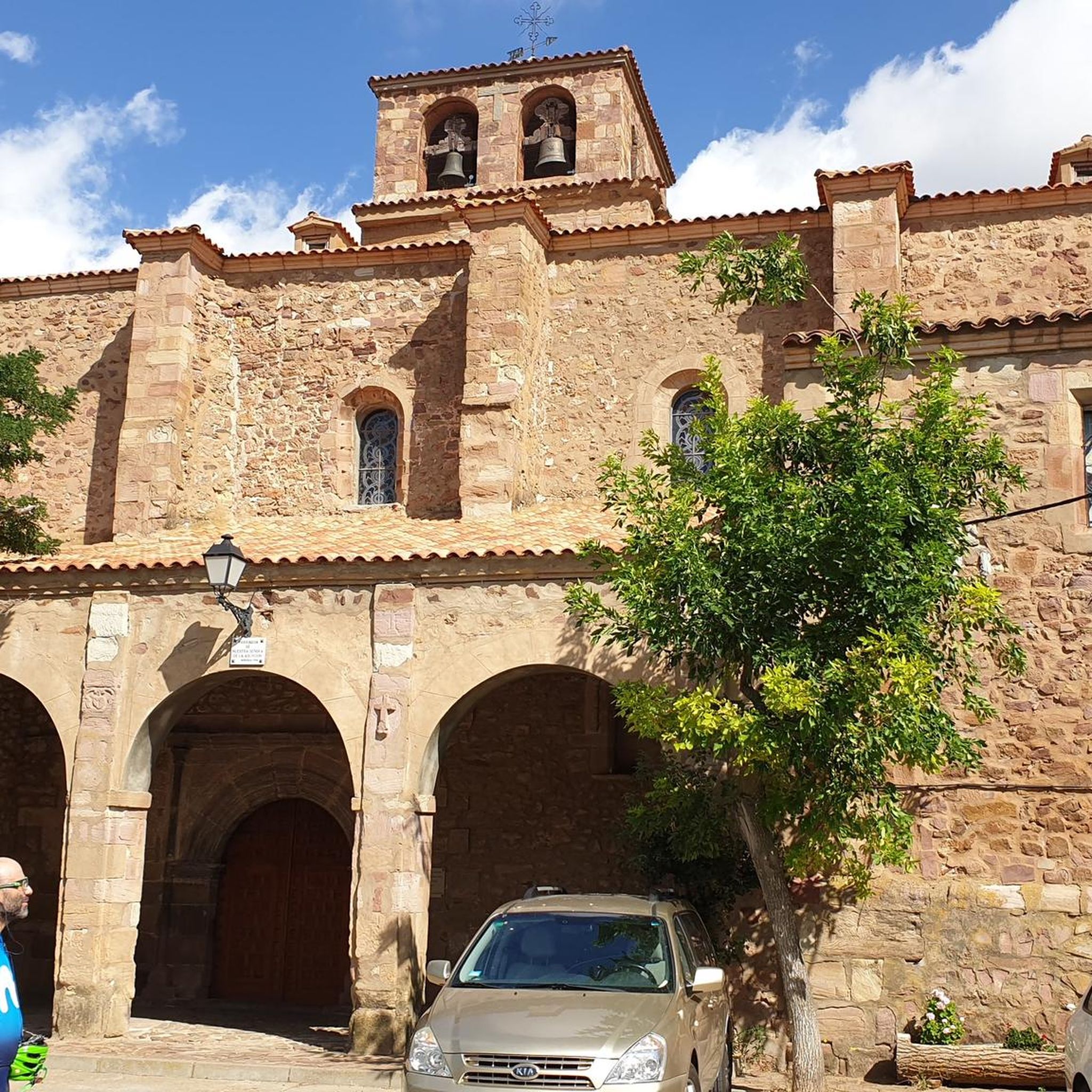
Beautiful town of Soria at the foot of Moncayo. Its name is due to its Cave that appears in the photo. Good bar and good torreznos.
1
0

At the Collado de la Atalaya you have to head northeast along the slope of the mountain range following a level path marked with stone markers. The path crosses the Las Hoyas de los Portillos valley and climbs halfway through the pine forest towards the wall of the Muela del Cerro Morrón. In the pine forest you have to keep climbing towards the east and at the base of the walls connect with the path coming from the north face of the mountain. The landmarks are clear between the pine trees and the mole wall, they jump a couple of small slopes near other cavities and lead to the spectacular Cueva de los Pilares, a fantastic natural rock sanctuary with arches, vaults and giant columns. The climb to the summit of the mole leaves from the cave through the canal located to the west, it is a clear and obvious climb, it has stone markers and although it seems that there is no exit with good visibility, it is a simple section along some aerial ledges without too many complications, unless the rock is wet, it cannot even be classified as a climbing step, rather technical mountain hiking. The milestones enter the large inclined molar plain and take the direction of the summit through the center of the mountain.
0
1

Spectacular setting in the Moncayo Natural Park with these formations at the entrance to the Cueva de los Pilares, at the foot of the Muela del Col
1
1
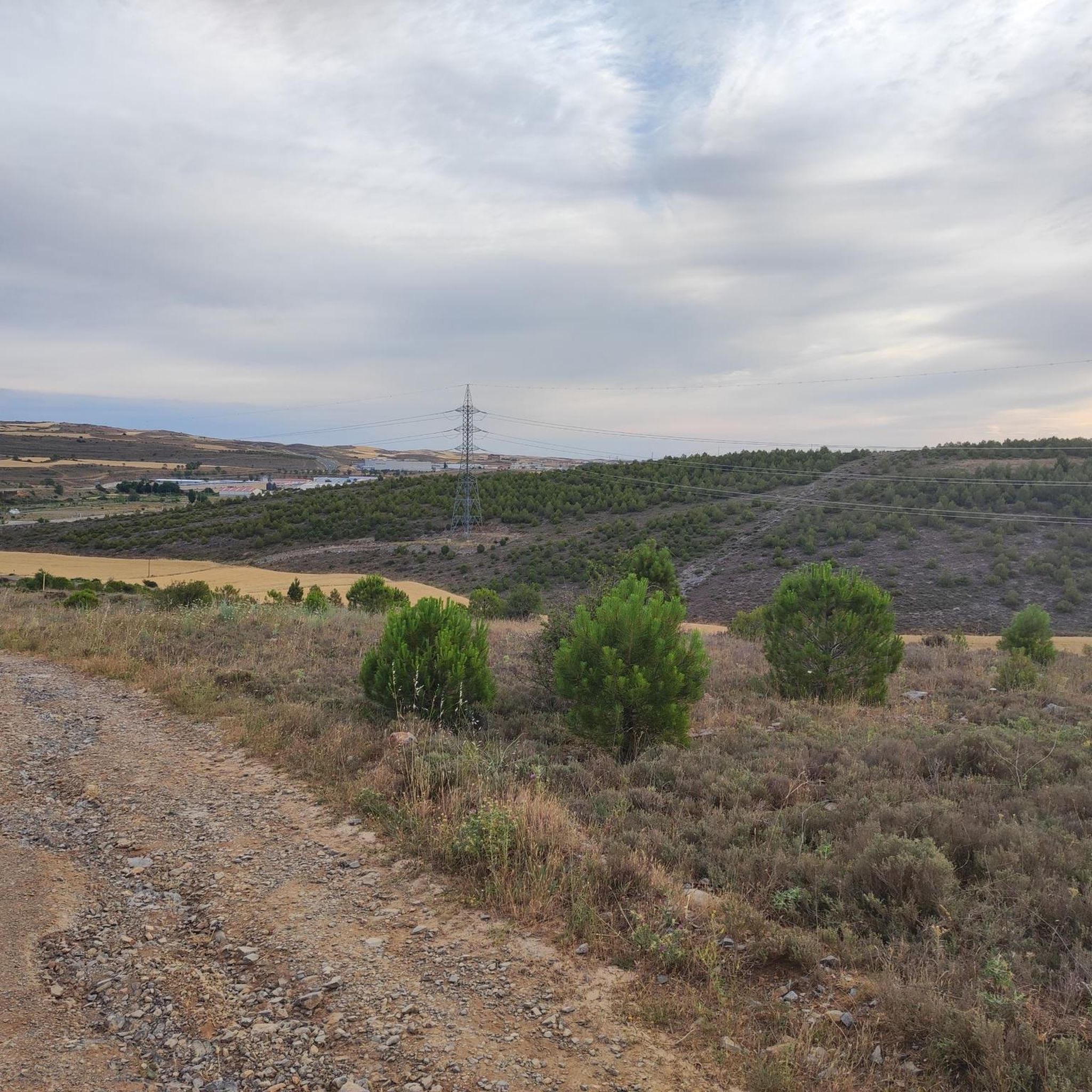
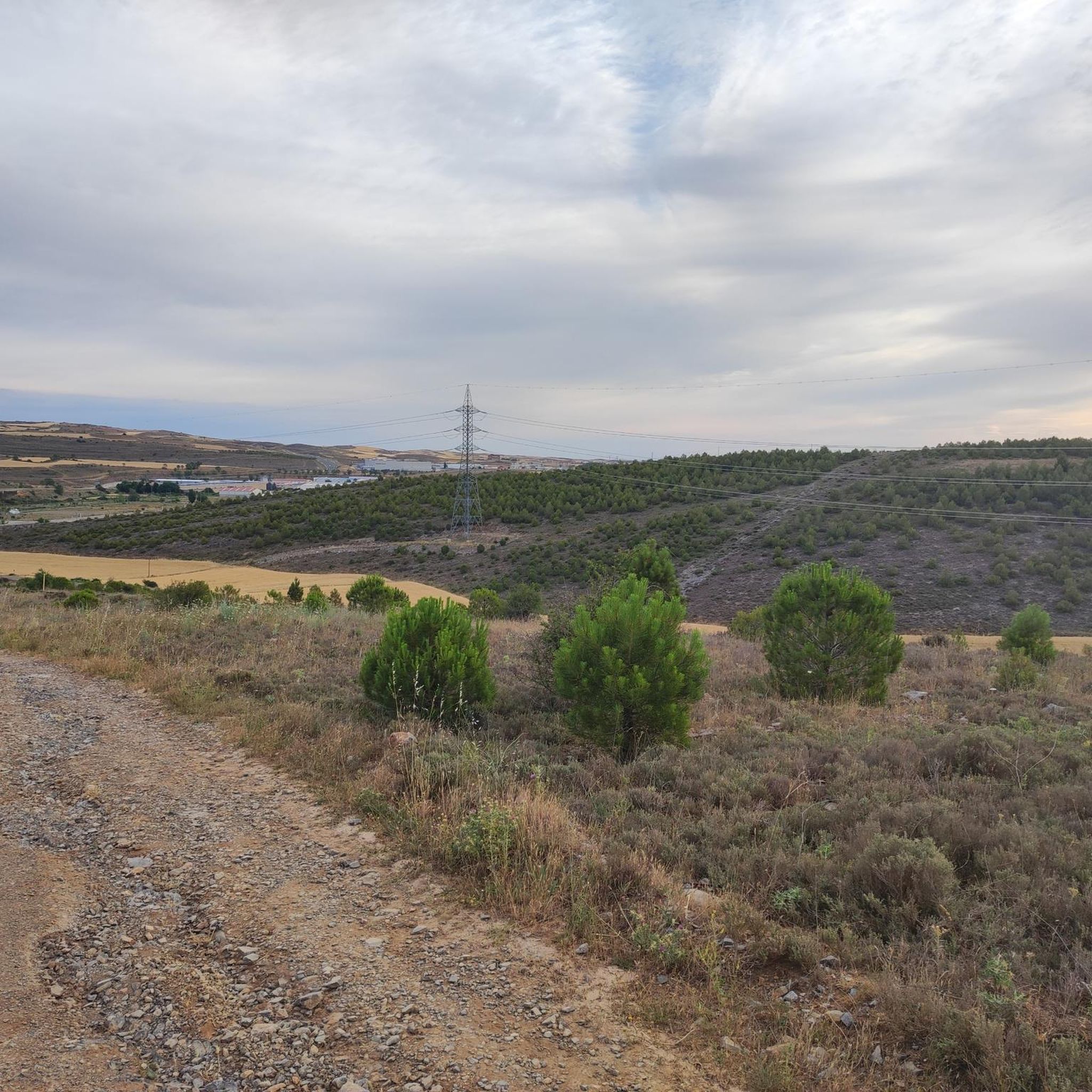
At this point we will find the detour that will take us to the various caves of Peñas del Cabo, the Honda cave being the most popular of all of them.
1
0

This is the gateway to the Moncayo mountain range on its Soria side. It has a fountain and numerous bars where you can replenish your energy and fluids.
2
0
Frequently Asked Questions
What kind of caves can I explore around Borobia?
The Borobia region features natural caves with diverse geological formations, including stalactites, stalagmites, arches, and vaults. Some caves have also served as historical shelters or are important ecological sites, such as bat refuges. Examples include Cueva de los Pilares and Peñas del Cabo Caves.
Are there any historical caves in the Borobia area?
Yes, Cueva de Ágreda is a notable historical site. While direct visits to the cave itself can be challenging, an Interpretation Center in the town of Ágreda provides valuable information about its significance. Additionally, the Cueva Honda within the Peñas del Cabo Caves system has housed archaeological remains from the Neolithic period.
What are the most impressive geological features to see in the caves around Borobia?
The caves around Borobia offer various striking geological formations. Cueva de los Pilares is known for its spectacular natural rock sanctuary with arches, vaults, and giant columns. The Peñas del Cabo Caves are also recognized for their impressive geological structure and speleothems, including stalactites, stalagmites, and flowstones.
Are the caves around Borobia suitable for families with children?
Information on specific family-friendly access for all caves is limited. Some caves, like Cueva de Ágreda, are difficult to visit directly, but its Interpretation Center could be suitable for families. For other natural caves, it's advisable to check local conditions and accessibility before planning a visit with children, as some may involve technical mountain hiking or aerial ledges.
What is the best time of year to visit the caves near Borobia?
The guide data does not specify a 'best time' for cave visits. However, given that some caves are in mountainous areas like the Moncayo Natural Park, spring and autumn generally offer milder weather conditions for outdoor activities and approaches to the caves. Always check local weather forecasts before your visit.
Do I need any special permits or equipment to explore caves in the Borobia region?
For caves like Cueva de los Pilares, the approach involves technical mountain hiking, suggesting that appropriate hiking gear and experience are necessary. For more advanced caving, specialized equipment and potentially permits might be required. It is recommended to inquire with local authorities or caving clubs for specific requirements for individual caves, especially for less accessible ones.
What outdoor activities can I combine with a visit to the caves around Borobia?
The region around Borobia offers various cycling opportunities. You can find road cycling routes such as the 'Borobia, Ciria and Malanquilla Loop' or the 'Cueva de Ágreda – Borobia loop from Malanquilla' in the Road Cycling Routes around Borobia guide. For mountain biking, consider routes like 'Cerro Gordo MTB Route' or 'Moncayo Natural Park Loop from Beratón' detailed in the MTB Trails around Borobia guide. There are also touring bicycle routes available in the Cycling around Borobia guide.
Are there any accessible caves for visitors with limited mobility near Borobia?
Based on the available information, the caves mentioned, such as Cueva de los Pilares and Peñas del Cabo Caves, involve approaches that include slopes, paths with stone markers, and potentially aerial ledges, suggesting they may not be suitable for visitors with limited mobility. The Interpretation Center for Cueva de Ágreda might offer better accessibility.
Can I bring my dog to the caves around Borobia?
The guide data does not provide specific information regarding dog-friendliness for the caves. Given that some caves are natural monuments or important bat refuges, restrictions may apply. It is best to check with local park authorities or specific cave management for their pet policies before planning a visit with your dog.
What should I wear for cave exploration in the Borobia region?
For exploring caves in the Borobia region, especially those requiring technical mountain hiking like Cueva de los Pilares, sturdy hiking boots with good grip are essential. Layered clothing is advisable as cave temperatures can be cooler than outside, and conditions on approaches can vary. A headlamp or flashlight is also recommended for visibility inside the caves.
Are there cafes or restaurants near the caves in Borobia?
The town of Ágreda, near Cueva de Ágreda, is noted for having numerous bars where you can replenish energy and fluids, and enjoy local specialties like 'torreznos'. For other caves, especially those in more remote natural park settings, it's advisable to bring your own provisions or check for facilities in nearby villages.
What do visitors enjoy most about the caves around Borobia?
Visitors appreciate the spectacular natural settings and unique geological formations found within the caves. The Cueva de los Pilares, for instance, is highlighted for its impressive arches, vaults, and giant columns. The overall experience of exploring these natural rock sanctuaries and their surrounding landscapes is highly valued by the komoot community.
Most popular attractions around Borobia

Get inspired with the komoot mobile app


Explore more
Extend your search for the best caves by checking out these guides of the top ones around Borobia:
