Attractions and Places To See around Pravia - Top 20
Best attractions and places to see around Pravia. Pravia is a town in Asturias, Spain, characterized by its history and diverse natural landscapes. The region features gentle mountains, the Nalón and Narcea rivers, and a variety of historical landmarks. Visitors can explore ancient churches, grand palaces, and distinctive "indiano architecture."
Best attractions and places to see around Pravia
- The most popular attractions is Castillo de San Martín, a castle located on a promontory overlooking the mouth of the Nalón…
Last updated: July 6, 2026
Castillo de San Martín
Highlight • Castle
Translated by Google •
Tip by

Selgas Palace and the Jesús Nazareno Church‑Pantheon
Highlight • Historical Site
Translated by Google •
Tip by

Sign up now to discover places like this
Get recommendations on the best single tracks, peaks, & plenty of other exciting outdoor places.
Sign up for free
Cudillero
Highlight • Viewpoint
Translated by Google •
Tip by

Collegiate Church of St. Mary Major in Salas
Highlight • Religious Site
Translated by Google •
Tip by
Cudillero Tunnel
Highlight • Structure
Translated by Google •
Tip by
Sign up for free to discover even more attractions around Pravia.
Sign up for free
Already have an account?
Start today with a free account
Your next adventure awaits.
Login or Signup

Tips from the Community

The Cudillero Tunnel (Túnel de Cudillero or Río Piñera Tunnel) is a fascinating, historic pedestrian tunnel from the late 19th century. It runs for about 300 meters through the mountain and connects the picturesque fishing harbor directly with the upper part of the village.
0
0
The small fishing village of Cudillero on the coast of Asturias, west of Avilés, is one of the most beautiful coastal towns on the Spanish north coast. Colorful houses climb the green hills, while fishing boats bob in the blue sea below. Sights in Cudillero include the picturesque old town, the harbor district, and the many viewpoints.
0
0


Nicely done, unfortunately it was closed due to heavy rain
2
0

The Iglesia colegiata de Santa María la Mayor is a magnificent collegiate church located in the heart of a historic town. Its grandeur and architectural beauty reflect its significance as a religious and cultural landmark.
3
0

The temple was not born with the mission of being parish, but with the purpose of being a family pantheon. It was in 1894, with the Dukes of Alba being the owners, that the temple was transferred, preserving only the name of Collegiate Church by tradition. It was ordered to be built by the archbishop Don Fernando de Valdés. In the middle of the 16th century the works came to an end, and the two side chapels and the tower were later added. The work carried out at this first moment is Gothic, with Renaissance elements. Among the works of art that the Collegiate Church treasures, the following stand out: the mausoleum of Archbishop Valdés, the main altarpiece and that of the Malleza chapel.
8
0

Problem. You can not visit.
1
0

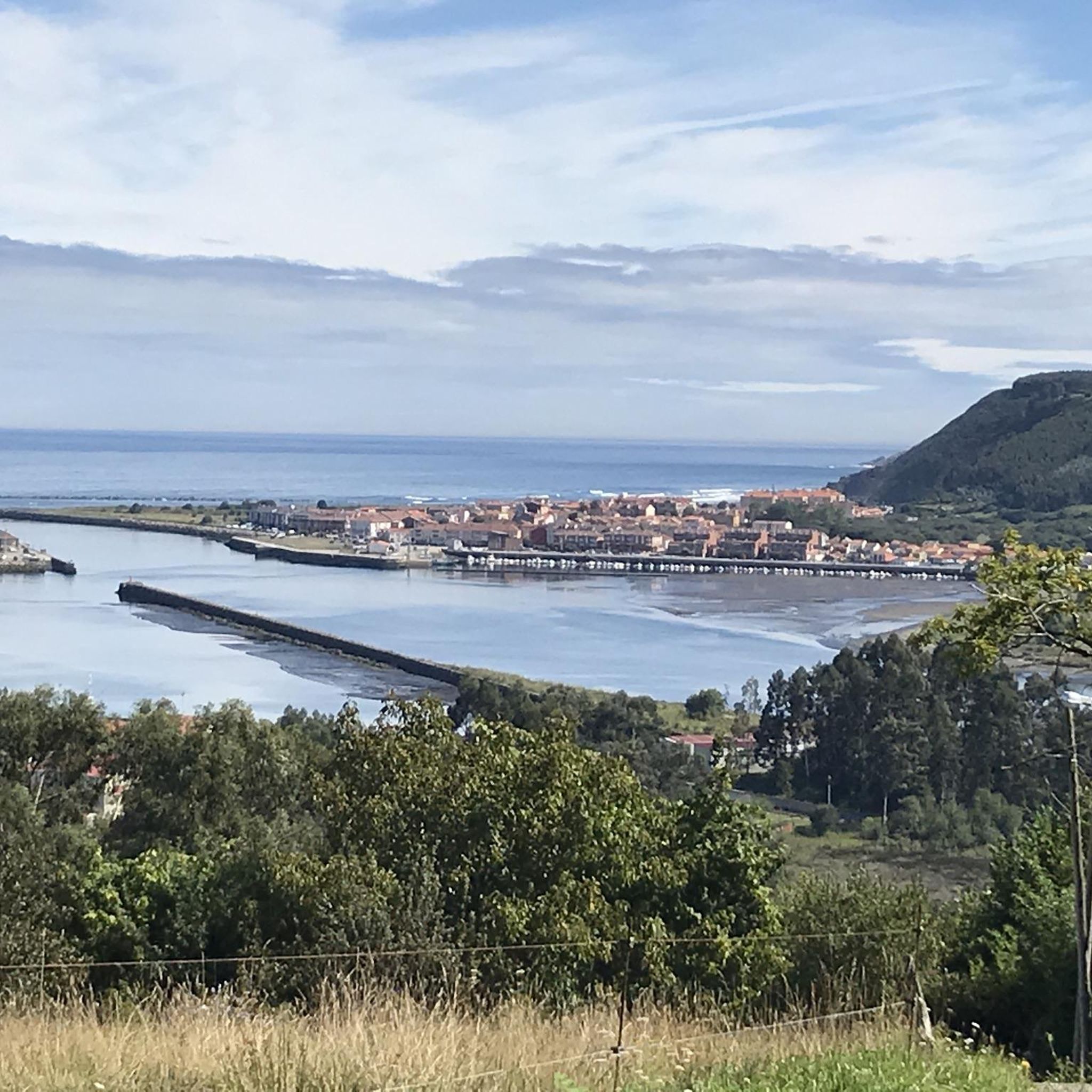
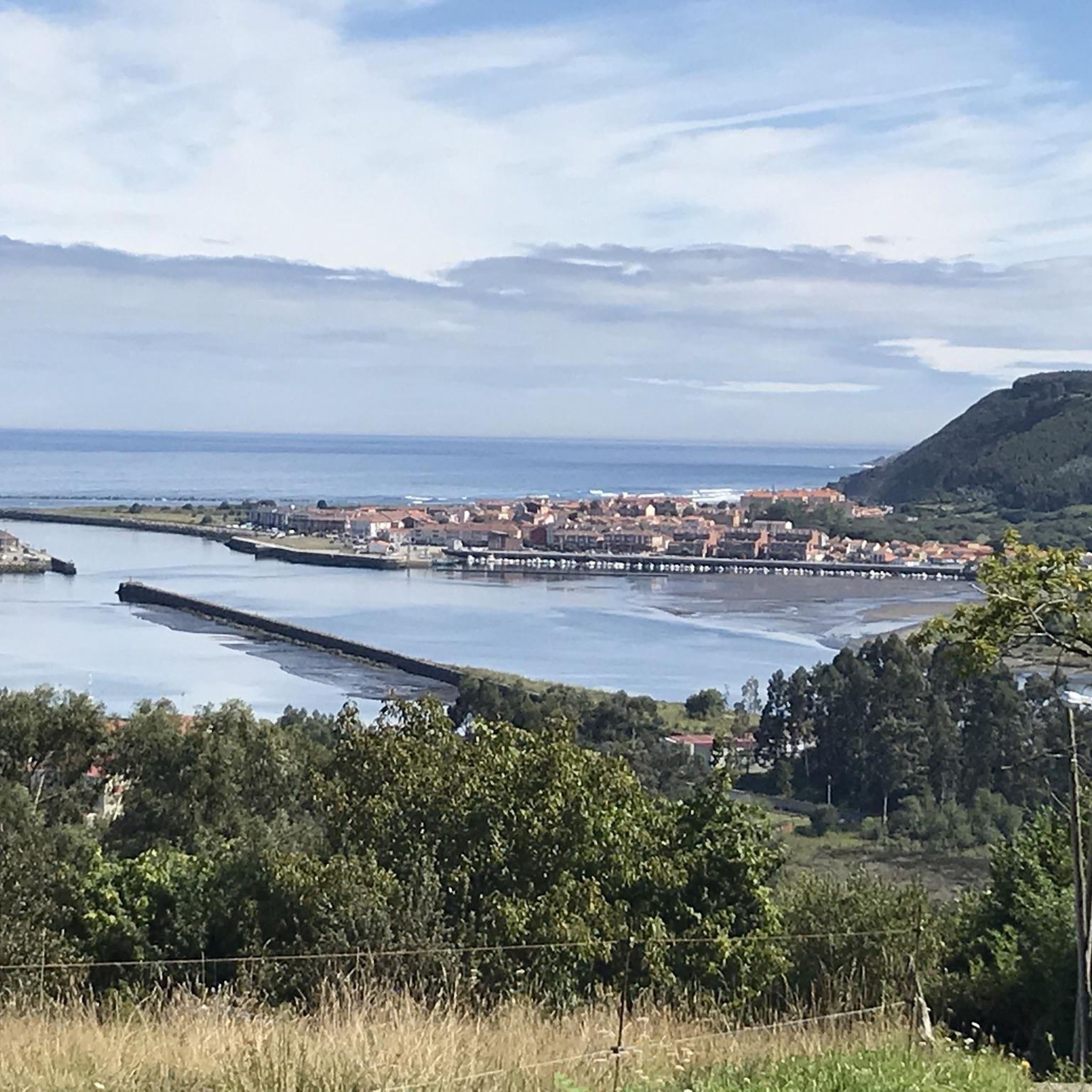
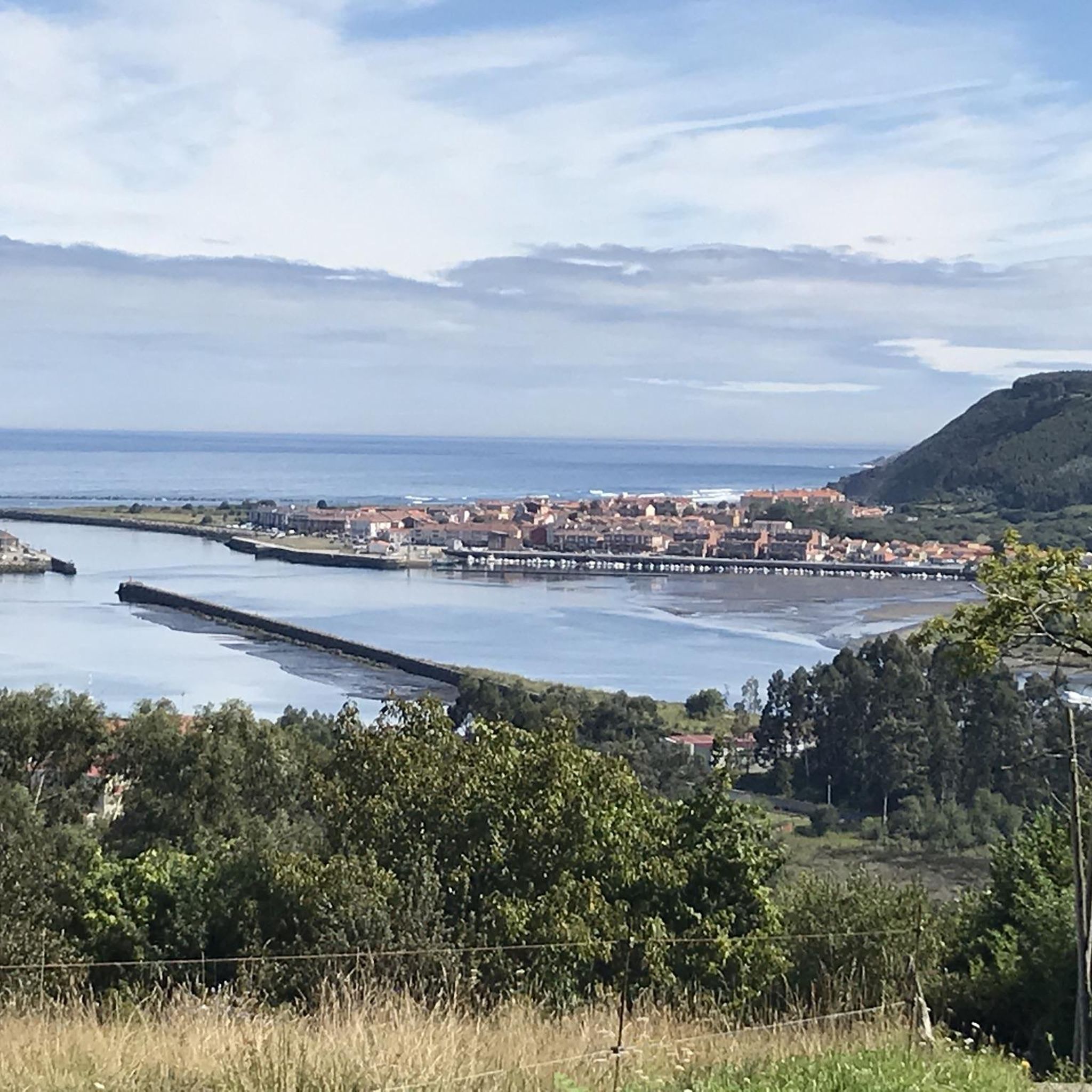
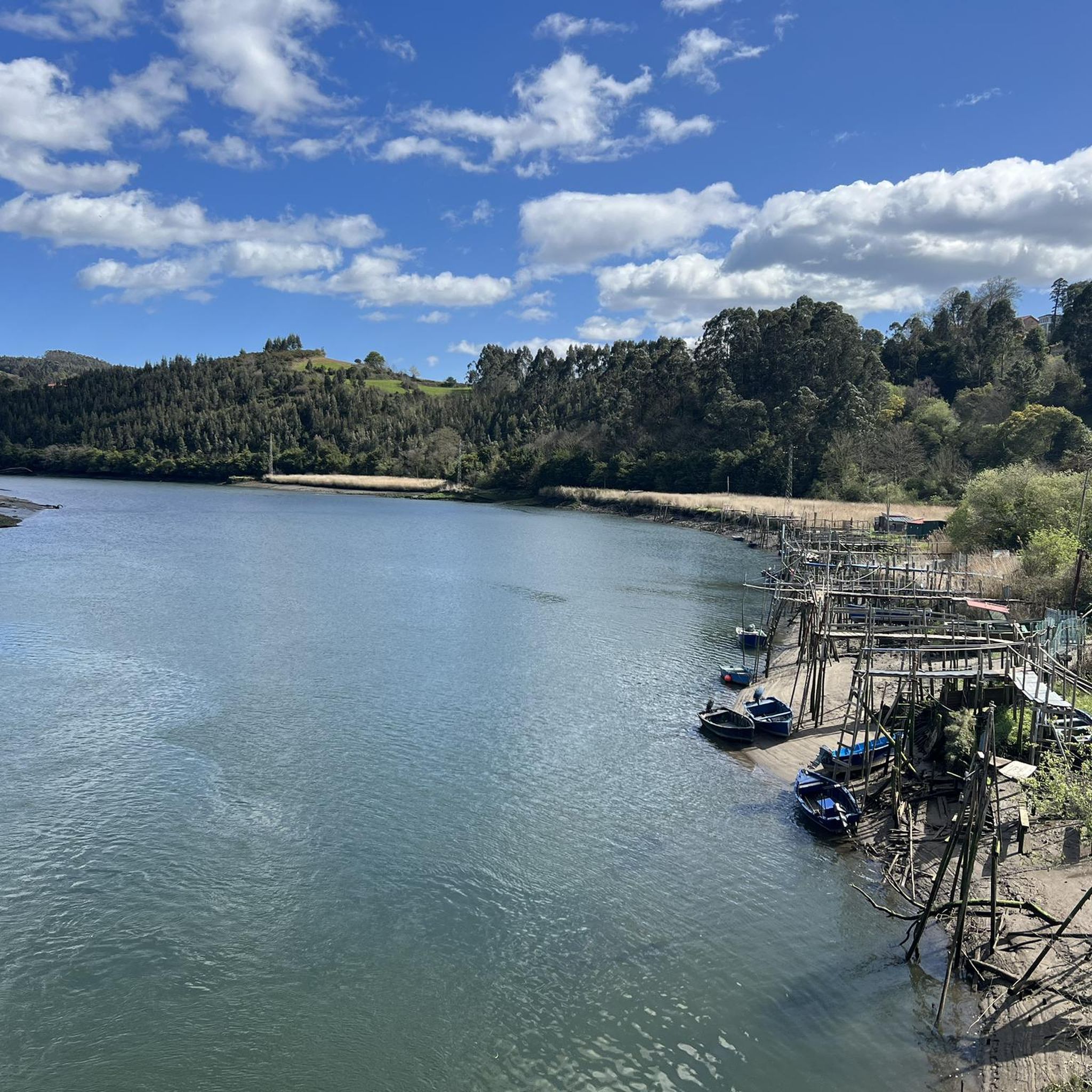
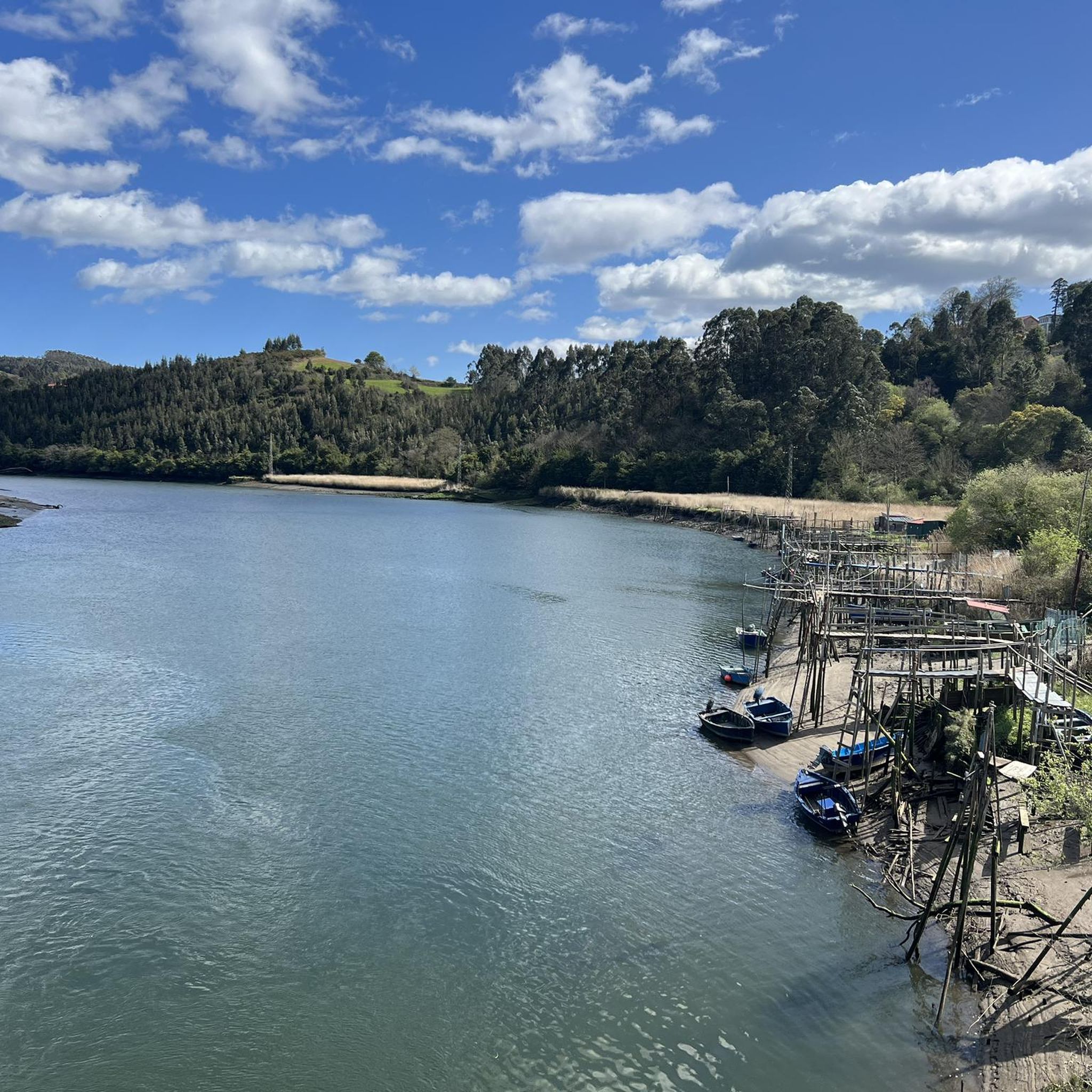
Rolling along the Nalón River we find beautiful views of the most important river mouth in the region. The castle was built by Alfonso III to have good control of the coast and the estuary.
1
0
Frequently Asked Questions
What historical sites can I explore in and around Pravia?
Pravia is rich in history. You can visit the impressive 18th-century Selgas Palace and the Jesús Nazareno Church‑Pantheon, which houses a significant art collection and beautiful gardens. Don't miss the Collegiate Church of St. Mary Major in Salas, a 17th-century religious building with a notable altarpiece. The Castillo de San Martín offers historical insights into the region's defense against Norman incursions. Additionally, the Basilica of San Juan in Santianes de Pravia is considered the oldest pre-Romanesque church in Spain.
Are there any unique architectural styles to see in the Pravia area?
Yes, the town of Somao, near Pravia, is famous for its distinctive "indiano architecture." These are ornate houses with large gardens and palm trees, built by wealthy Asturian emigrants who returned from America in the late 19th and early 20th centuries. Somao was recognized as an "Exemplary Town of Asturias" in 2020 for its preservation of this heritage.
What natural attractions and viewpoints are there around Pravia?
The region boasts gentle mountains and the fast-flowing Nalón and Narcea Rivers. For breathtaking landscapes, visit natural viewpoints like Monteagudo, La Peñona, or Cueto, which offer panoramic views of the Asturian valleys and the Nalón River. The Castillo de San Martín also provides an excellent view over the mouth of the Nalón River.
What outdoor activities, like hiking or running, can I do near Pravia's attractions?
Pravia offers various routes for exploring its natural surroundings. You can find numerous options for hiking and running. For detailed routes and difficulty levels, check out the Hiking around Pravia and Running Trails around Pravia guides. These include routes like the "Camino del Norte y Paseo de los Miradores" and various loops from Pravia itself.
Are there any family-friendly attractions or activities in Pravia?
Many of Pravia's historical sites, such as the Castillo de San Martín and the Collegiate Church of St. Mary Major in Salas, are considered family-friendly. Exploring the historic town center of Pravia or visiting the unique "indiano architecture" in Somao can also be engaging for families. The nearby beaches like Aguilar and Los Quebrantos offer opportunities for seaside relaxation.
What is the best time of year to visit Pravia for sightseeing and outdoor activities?
The summer season, generally from June to September, is ideal for visiting attractions like the Quinta de Selgas, which has limited opening hours during this period. This time also offers pleasant weather for outdoor activities like hiking, running, and enjoying the beaches.
Where can I experience local culture and traditions in Pravia?
Pravia's historic town center is a cultural interest in itself, allowing visitors to imagine 18th-century life. The town hosts various festivals, including Corpus Christi with its vibrant floral carpets, and the Santísimo Cristo and Nuestra Señora del Valle festival. The weekly market held every Thursday is an excellent place to discover local products like cheeses, cured meats, and handicrafts.
Are there any significant religious buildings or churches to visit?
Absolutely. The Collegiate Church of St. Mary Major in Salas is a notable 17th-century church. The Basilica of San Juan in Santianes de Pravia is a crucial pre-Romanesque church, dating back to the 8th century according to some sources. Also, the Chapel of the Virgin of the Valley houses a significant Renaissance altarpiece and an image of the Virgin and Child by Italian sculptor Juan Bautista Portigiani.
What kind of cycling routes are available around Pravia?
Pravia and its surroundings offer various cycling routes, including road cycling. You can find detailed routes with different difficulty grades in the Road Cycling Routes around Pravia guide. Options range from moderate to difficult, such as the "Alto del Praviano loop from Pravia" or longer routes like "Peñaflor Bridge – Nalón River loop from Pravia."
What unique historical artifacts or art collections can be found in Pravia?
The Quinta de Selgas (part of the Selgas Palace complex) is home to an impressive collection of 19th-century art and furniture, including pieces by masters like Goya and El Greco, along with tapestries, porcelain, and glassware. The Chapel of the Virgin of the Valley also features the finest sculptural work of the Renaissance in Asturias.
Can I find any archaeological sites in the Pravia area?
Yes, the region has archaeological significance. You can visit the Castro de Doña Palla, an archaeological site dating back to the Paleolithic Era, offering a glimpse into the ancient history of the area.
What are the main rivers in Pravia and what are they known for?
Pravia is characterized by the Nalón and Narcea Rivers. These fast-flowing rivers are well-known for salmon fishing and play a vital role in the cultivation of excellent "Asturian Fabes" (beans), a local culinary specialty.
Most popular attractions around Pravia

Get inspired with the komoot mobile app


Explore more
Still not found the Highlight you’re looking for? See guides of the top attractions in other regions:
