The best MTB trails around Magán
4.3
(112)
936
riders
134
rides
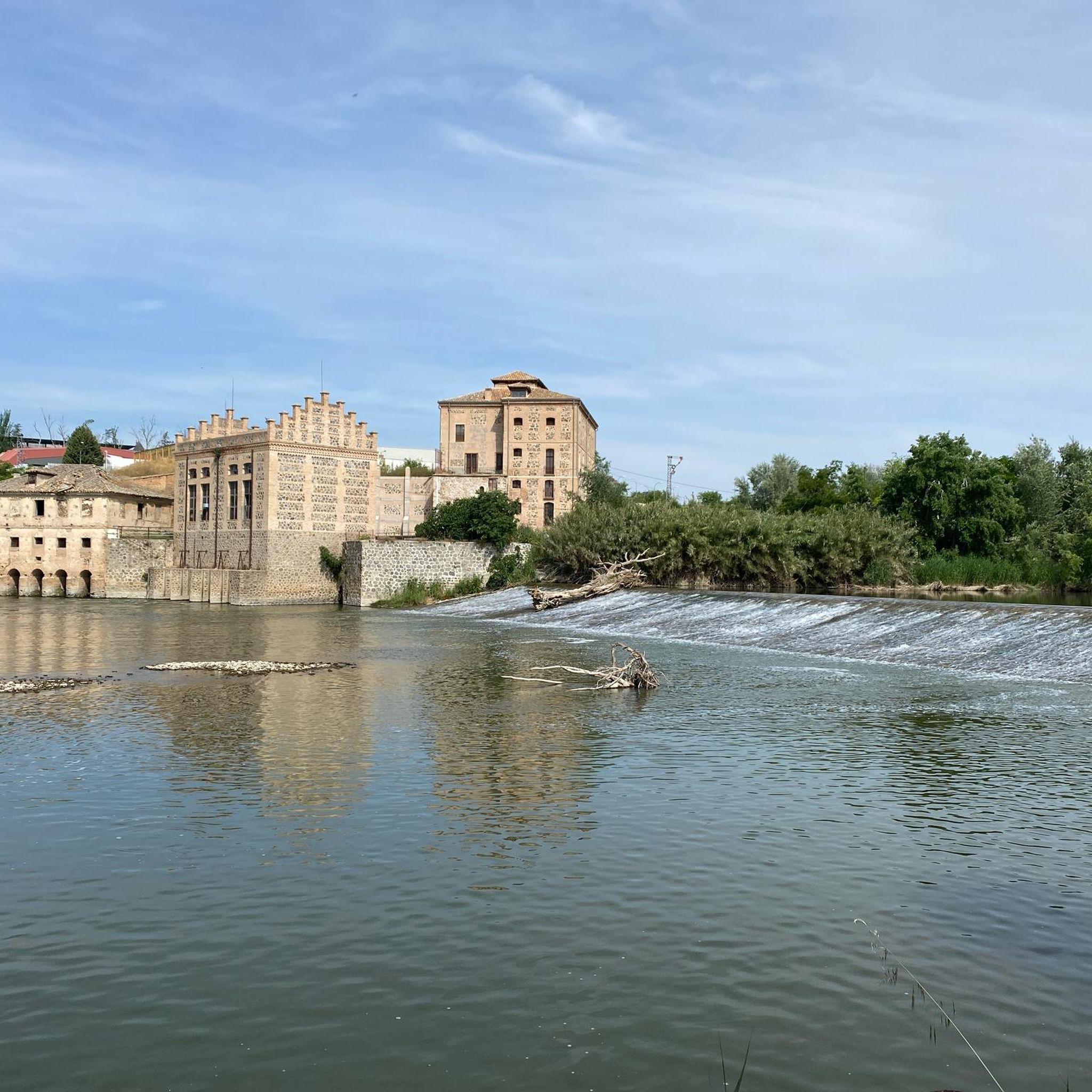
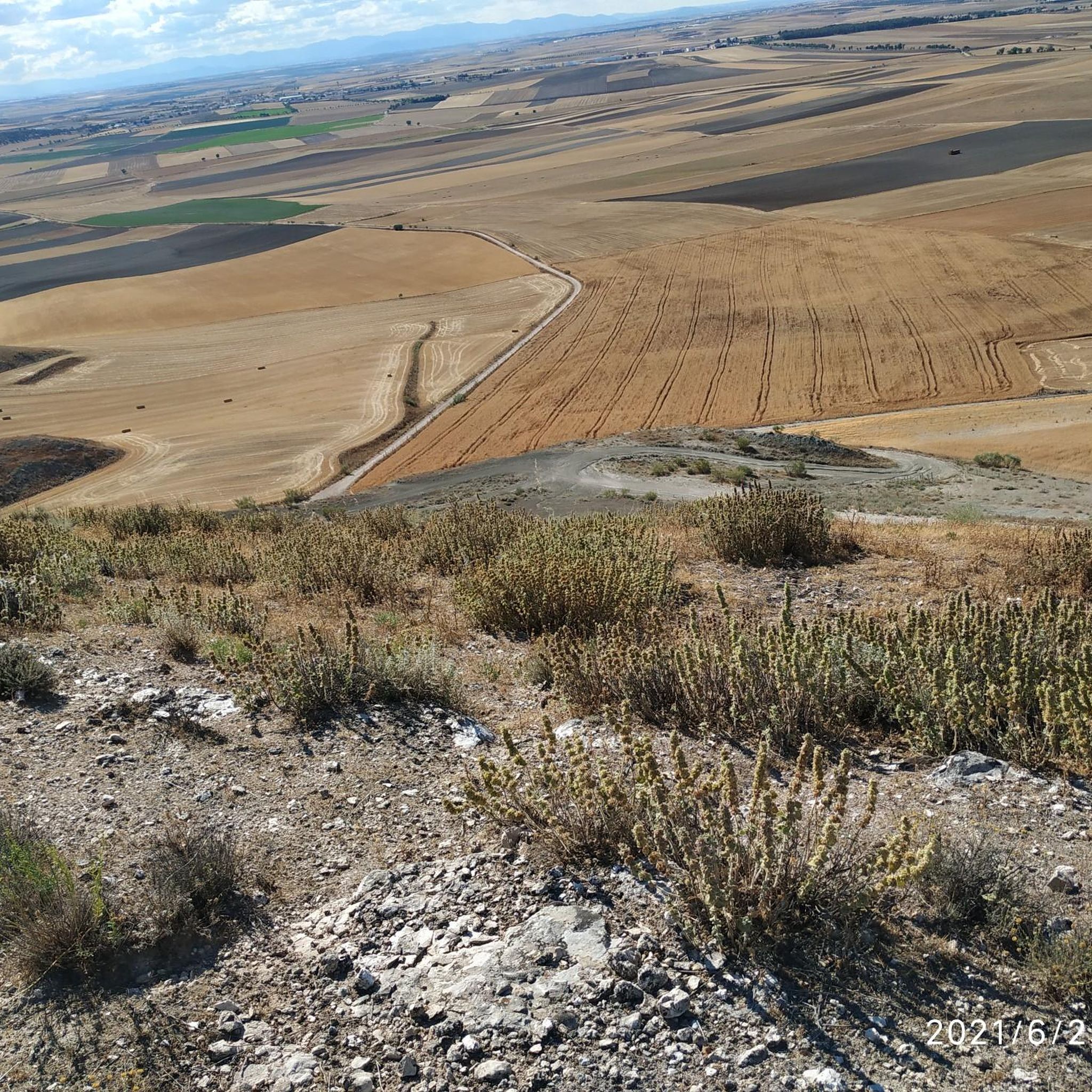
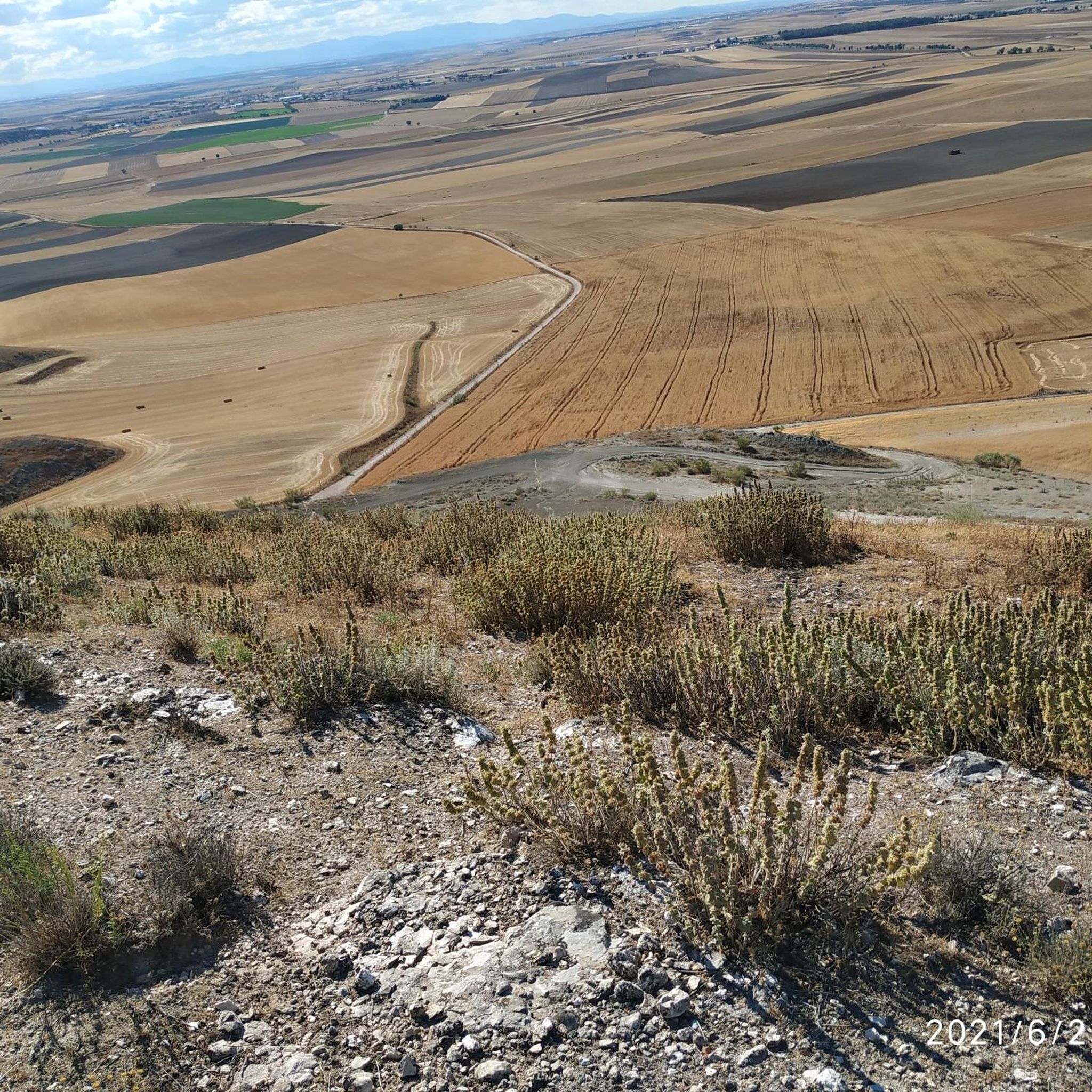
Mountain biking around Magán offers a diverse landscape characterized by open countryside, river paths, and local hills. The region features a network of trails that traverse agricultural areas and natural river corridors, such as the Camino Natural del Tajo. Riders can expect varied terrain, including flat sections along rivers and gentle ascents over local montes. This area provides opportunities for extended rides through the rural surroundings of Toledo.
Best mountain bike trails around Magán
- The most popular mountain bike trail…
Last updated: June 25, 2026
5
riders
53.2km
04:15
450m
450m
Moderate mountain bike ride. Good fitness required. Advanced riding skills necessary.
5.0
(1)
9
riders
46.5km
03:29
300m
300m
Moderate mountain bike ride. Good fitness required. Suitable for all skill levels.

Sign up for free
10
riders
43.9km
03:25
300m
300m
Moderate mountain bike ride. Good fitness required. Suitable for all skill levels.
9
riders
67.6km
05:25
850m
850m
Hard mountain bike ride. Very good fitness required. Advanced riding skills necessary.
5.0
(2)
5
riders
Moderate mountain bike ride. Good fitness required. Advanced riding skills necessary.
Get access to more routes and recommendations from other explorers.
Sign up for free
Already have an account?
Our route recommendations are based on thousands of hikes, rides, and runs completed by other people on komoot.
Start today with a free account
Your next adventure awaits.
Login or Signup
Tips from the Community

If you survive the first corner, the rest is done.
0
0

The view of Toledo from the Mirador del Valle road is considered one of the most iconic panoramas in Spain and, for many, the best way to admire the city. From this vantage point, you can appreciate the historic center surrounded by the Tagus River, which forms a meander that embraces the city. The Alcázar of Toledo dominates the upper part of the city. The Primate Cathedral, with its prominent Gothic tower, is also visible. Historic bridges such as the Alcántara Bridge and the San Martín Bridge are also prominent.
7
0
The Castle of San Servando is an impressive medieval fortress located in Toledo, next to the Tagus River and very close to the Alcántara Bridge. It is one of the city's most notable monuments due to its history, architecture, and strategic location. Built in 1024 as a monastery during the reign of Alfonso VI.
11
0
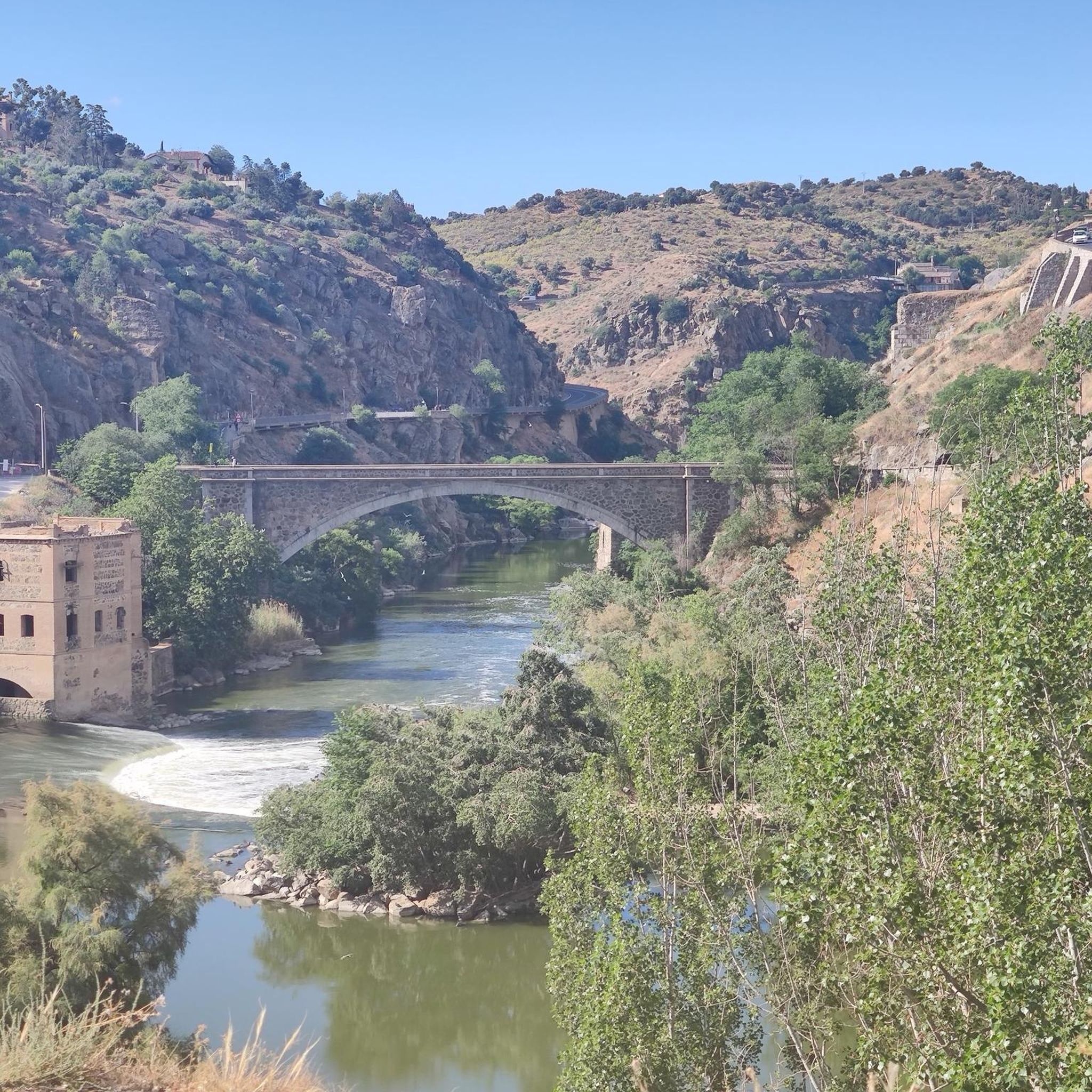
The Alcántara Bridge is one of Toledo's most iconic monuments, with a history dating back to Roman times and an architecture that has evolved over the centuries. Originally built by the Romans in the 3rd century AD, as part of the network of roads that connected the Empire. Its name comes from the Arabic "al-qanṭarah," meaning "the bridge," given by the Muslims after its reconstruction in the 10th century.
10
0
The statue of Federico Martín Bahamontes, also known as The Eagle of Toledo, is located on Paseo del Miradero, in the historic center of Toledo. This monument pays tribute to the first Spanish cyclist to win the Tour de France, in 1959. Unveiling: May 6, 2018, with the presence of Bahamontes himself and other cycling greats such as Miguel Indurain and Pedro Delgado.
27
1


Monument to a cycling legend in a place with beautiful views of the lower part of Toledo.
2
0
Frequently Asked Questions
What are the typical difficulty levels of mountain bike trails around Magán?
The mountain bike trails around Magán offer a range of difficulty levels. You'll find options for easy, moderate, and difficult routes. Specifically, there are over 20 easy routes, more than 120 moderate routes, and around 15 difficult routes, catering to various skill levels.
What are the common distances for mountain bike trails in Magán?
Mountain bike trails in Magán vary in length, with many routes offering extended rides. For example, the Monte de Magán and Camino Natural del Tajo Loop is about 33 miles (53 km), and the View of the Palacio de Galiana – Alcántara Bridge loop from Antigua Estación de Higares extends to nearly 39 miles (62 km).
Are there family-friendly mountain bike trails suitable for all ages in Magán?
Yes, Magán offers easy mountain bike routes that are suitable for families or those looking for a more relaxed ride. These trails often traverse open countryside and river paths, providing gentle terrain. There are over 20 easy routes available.
Where are the main starting points for mountain bike trails in Magán?
Many popular mountain bike trails in the Magán area start from locations like Antigua Estación de Higares, Mocejón, or Villaseca de la Sagra. These points often provide convenient access to the network of trails that explore the surrounding rural landscapes.
What kind of terrain can I expect on mountain bike trails around Magán?
The terrain around Magán is diverse, characterized by open countryside, river paths, and local hills. You can expect varied surfaces, including flat sections along natural river corridors like the Camino Natural del Tajo, and gentle ascents over local montes. The routes often traverse agricultural areas and rural surroundings.
What do other mountain bikers enjoy most about mountain biking in Magán?
The mountain bike trails in Magán are highly rated by the komoot community, with an average score of 4.3 stars from over 100 reviews. Riders often praise the varied scenery, the sense of open space, and the combination of river paths with local hills.
Are there any circular mountain bike routes in Magán?
Yes, many mountain bike trails in Magán are designed as loops, offering convenient circular routes. Examples include the Monte de Magán and Camino Natural del Tajo Loop and the Toledo Countryside Trail loop from Antigua Estación de Higares.
What can I see along the mountain bike trails or nearby in Magán?
Along the trails, you can experience the rural landscapes and river corridors. Nearby attractions include historical sites like the Palacio de Galiana and San Servando Castle. You might also pass through charming settlements like the Plaza Mayor of Alameda de la Sagra or see the Parish Church of Saint Stephen the Protomartyr of Mocejón.
When is the best time of year to go mountain biking in Magán?
The region's climate generally makes spring and autumn ideal for mountain biking in Magán, offering pleasant temperatures. Summers can be hot, and while winters are generally mild, checking local weather conditions is always advisable.
Are there challenging mountain bike trails for experienced riders in Magán?
Yes, for experienced riders seeking a challenge, Magán offers around 15 difficult mountain bike routes. These trails often feature more significant elevation changes and technical sections, providing a demanding ride through the varied landscape.
Are there any trails that pass by interesting natural features like stork nests?
Yes, some routes offer glimpses of local wildlife and natural features. For instance, the Entrance to Magán – Stork Nests Near Algodor loop from Mocejón specifically mentions passing by stork nests, adding a unique natural element to the ride.
Most popular attractions around Magán

Get inspired with the komoot mobile app


Explore more
Browse the best MTB trails in other regions.
