The best road cycling routes around Layos
4.1
(7)
791
riders
22
rides
Road cycling around Layos, a village in Castille-La Mancha, Spain, offers varied terrain for cyclists. The region features rolling hills and expansive plains, providing diverse landscapes for road cycling routes. Proximity to the Montes de Toledo allows for routes with significant elevation changes, while the nearby Tagus River depression adds scenic elements. This area provides a network of well-maintained paths suitable for different fitness levels.
Best road cycling routes around Layos
- The most popular road cycling route is Argés Circular…
Last updated: August 21, 2026
9
riders
46.4km
02:06
430m
430m
This 28.8-mile moderate route around Embalse de Guajaraz from Argés is better suited for gravel or mountain bikes due to unpaved sections.
5
riders
Moderate road ride. Good fitness required. Mostly well-paved surfaces and easy to ride.

Sign up for free
2
riders
110km
04:49
1,010m
1,010m
Hard road ride. Very good fitness required. Mostly well-paved surfaces and easy to ride.
55
riders
Moderate road ride. Good fitness required. Mostly well-paved surfaces and easy to ride.
3.0
(1)
25
riders
51.6km
02:16
480m
480m
Moderate road ride. Good fitness required. Mostly well-paved surfaces and easy to ride.
Get access to more routes and recommendations from other explorers.
Sign up for free
Already have an account?
Our route recommendations are based on thousands of hikes, rides, and runs completed by other people on komoot.
Start today with a free account
Your next adventure awaits.
Login or Signup

Tips from the Community

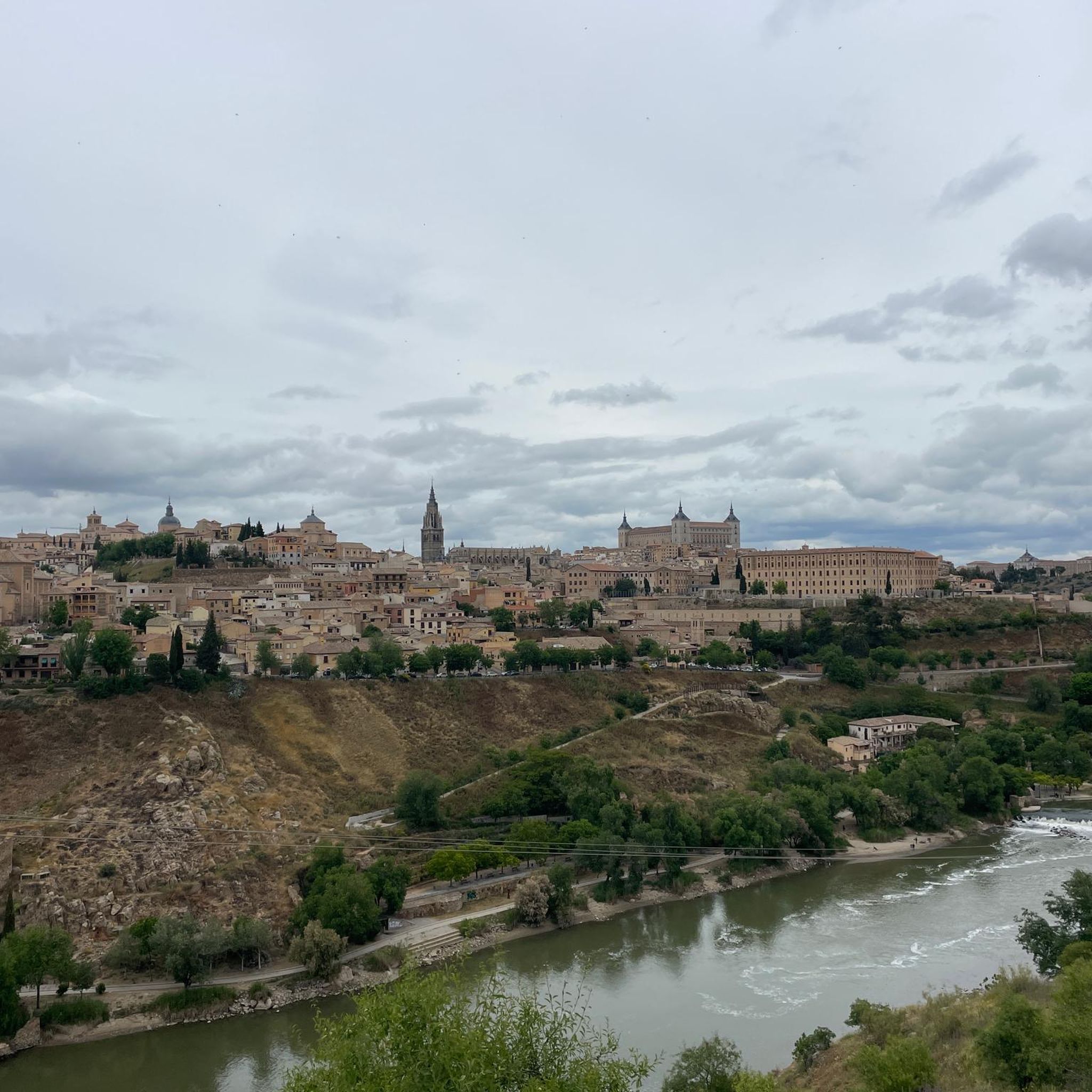
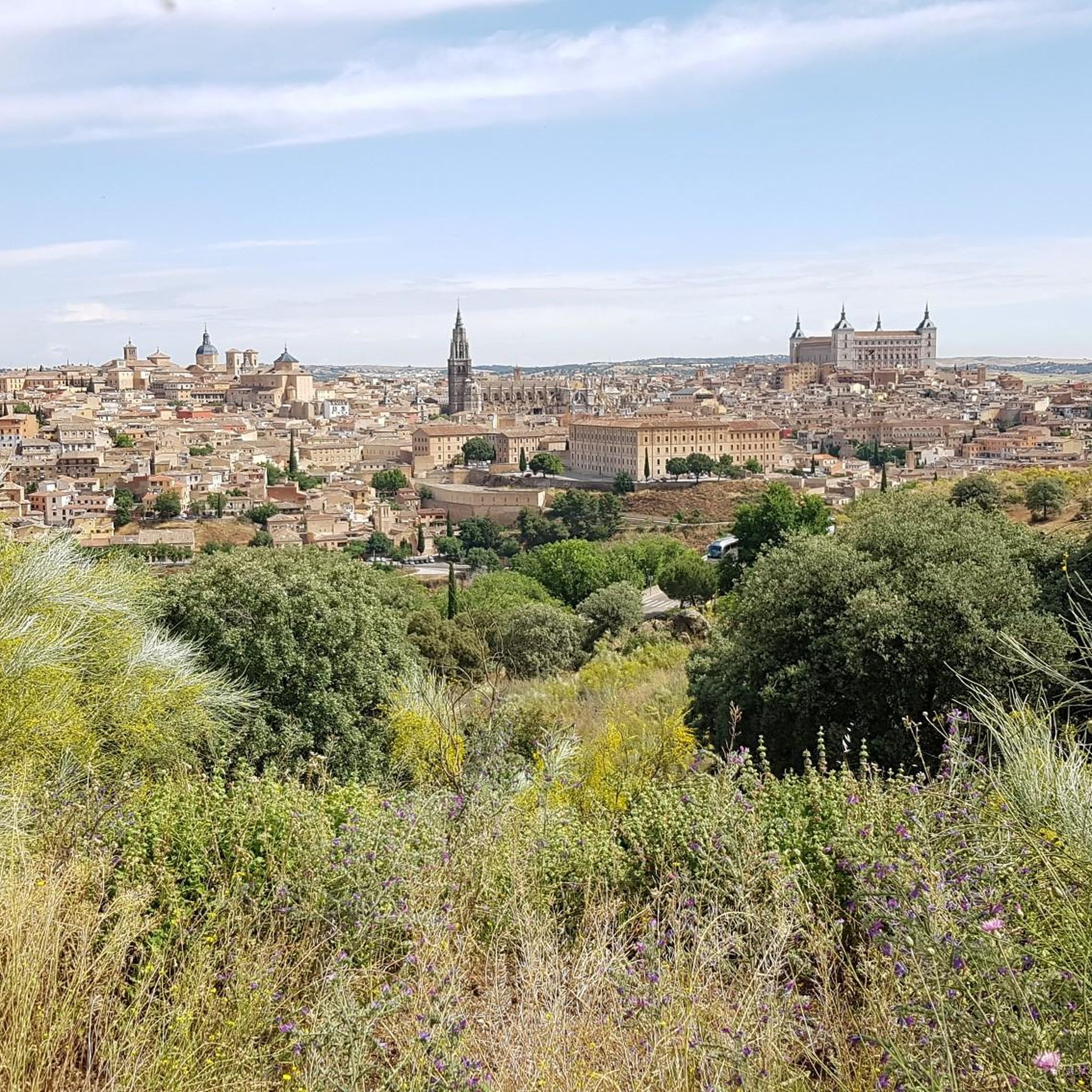
One of the best panoramic views of the city of Toledo.
0
0

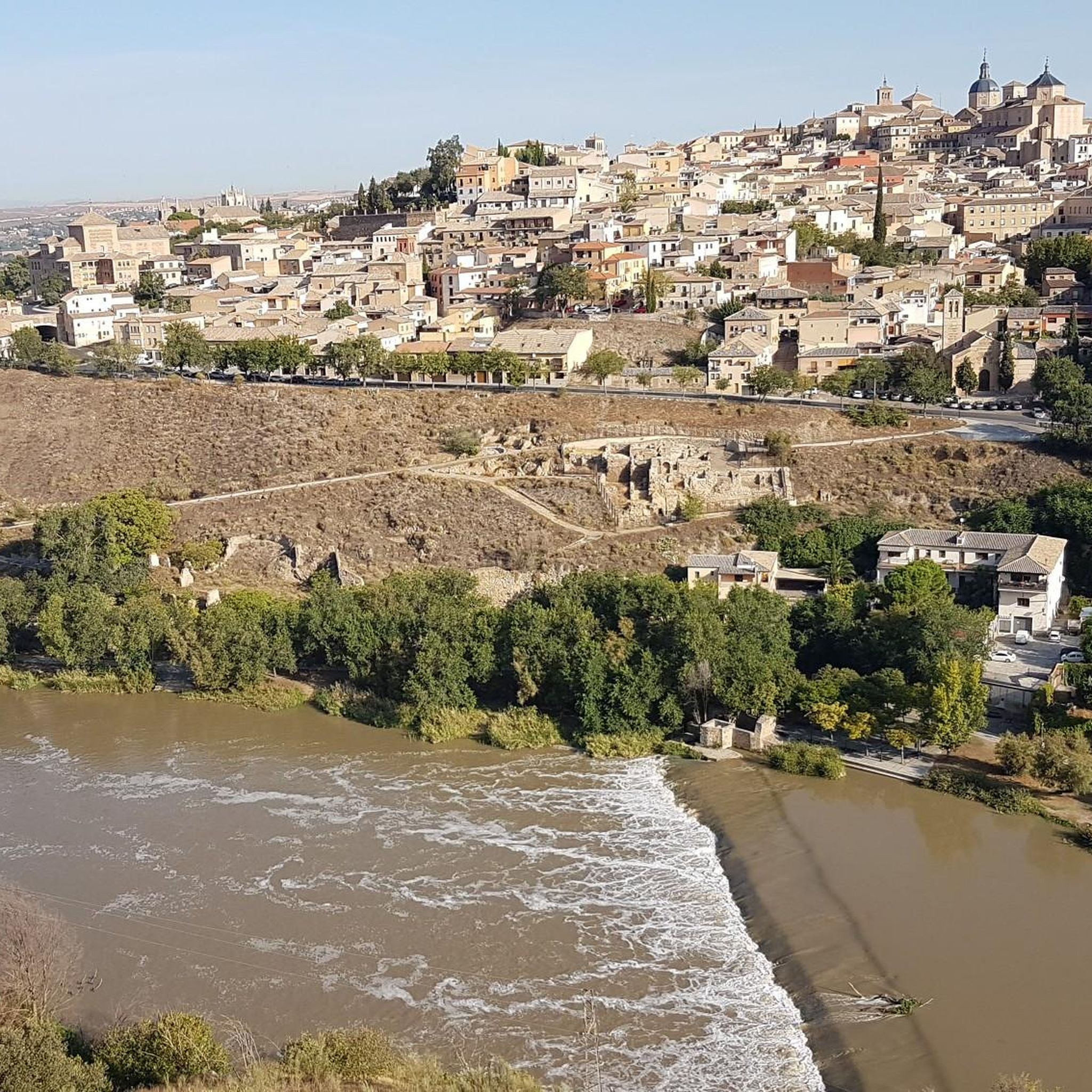
Toledo is a historic city in central Spain, the capital of the autonomous community of Castile-La Mancha. Located about 70 kilometers south of Madrid, it stands on a rocky promontory surrounded by the Tagus River and is entirely declared a UNESCO World Heritage Site. It is universally known as the "City of Three Cultures" for the centuries-long and peaceful coexistence of Christians, Muslims, and Jews.
0
0
The Alcázar of Toledo is an imposing quadrangular fortress located on the highest point of the city of Toledo, in Spain. This historic building dominates the entire urban panorama and currently houses the Army Museum (Museo del Ejército) and the Regional Library of Castilla-La Mancha.
0
0

The Church of Santa María Magdalena in Ajofrín (Toledo) Construction: Late 15th and early 16th centuries, built on the site of an earlier 12th-century church. Style: Transitional between Mudéjar Gothic and Renaissance. Floor Plan: Single nave in the shape of a Latin cross, with a square transept and deep transepts. Interior Details: Ribbed vaulting supported by corbels decorated with figures (birds with human heads). Choir loft above a segmental arch decorated with spheres. Recent discovery of an Isabelline coffered ceiling (1480), polychrome with vegetal motifs.
6
0
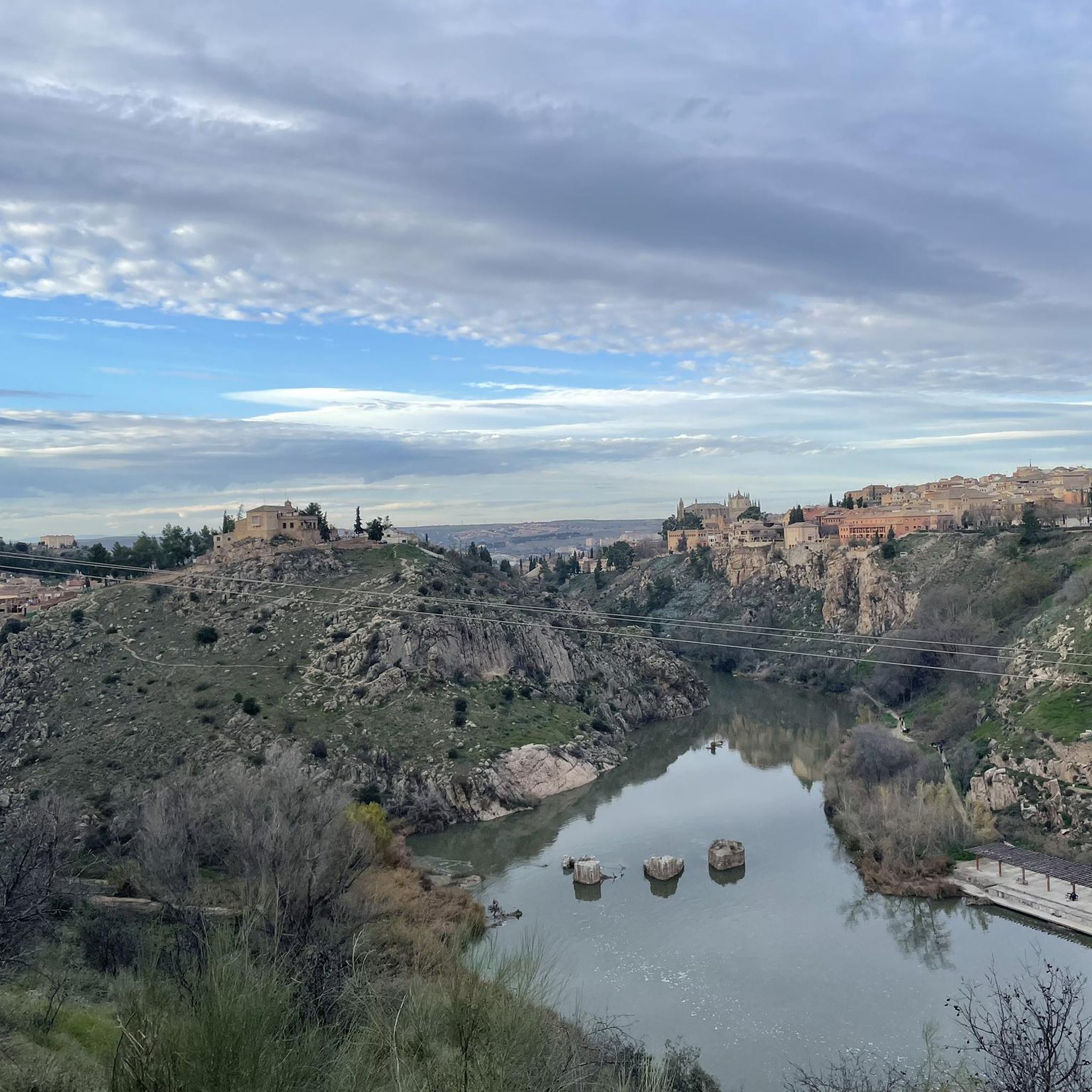
The view of the Alcázar of Toledo from the Alcántara Bridge is one of the most iconic and photogenic in the city.
12
0
Polán Castle is a medieval fortification located in the municipality of Polán, about 15 km southwest of Toledo, in the Montes de Toledo region. It is situated within the town itself, nestled among houses and courtyards, giving it a unique character. Built between the 11th and 12th centuries, it was likely used as a defensive tower after the Reconquista of Toledo (1085).
4
0
The view of Toledo from the Mirador del Valle road is considered one of the most iconic panoramas in Spain and, for many, the best way to admire the city. From this vantage point, you can appreciate the historic center surrounded by the Tagus River, which forms a meander that embraces the city. The Alcázar of Toledo dominates the upper part of the city. The Primate Cathedral, with its prominent Gothic tower, is also visible. Historic bridges such as the Alcántara Bridge and the San Martín Bridge are also prominent.
7
0
From this privileged vantage point, you can see: The Alcázar of Toledo. The Primate Cathedral. The Alcántara Bridge and the San Martín Bridge. The Monastery of San Juan de los Reyes. The medieval walls and the urban layout of the old town.
10
0
Frequently Asked Questions
How many road cycling routes are available around Layos?
Komoot features over 18 road cycling routes around Layos, offering a diverse range of experiences for cyclists. These routes cater to various preferences, from moderate rides to more challenging options.
What kind of terrain can I expect when road cycling near Layos?
The Layos region offers varied terrain, characterized by rolling hills, expansive plains, and routes that can lead into mountainous areas like the Montes de Toledo. This allows for both long, flat rides and routes with significant ascents and descents, providing a picturesque backdrop of lush landscapes.
Are there road cycling routes suitable for families or beginners in Layos?
Yes, Layos offers routes suitable for different fitness levels. While many routes are moderate, there are also easier options available. For example, routes exploring the plains between the Montes de Toledo and Toledo can be less demanding, providing a good starting point for families or beginners.
What are some notable landmarks or attractions I can see along road cycling routes near Layos?
Many routes in the Layos area offer access to historical and natural attractions. You might encounter impressive structures like the San Servando Castle or the Guadamur Castle. Routes towards Toledo can also bring you close to iconic sites such as the Toledo Cathedral, the San Martín Bridge, or the Alcántara Bridge.
What do other road cyclists enjoy most about cycling in Layos?
The road cycling routes around Layos are highly rated by the komoot community, with an average score of 4.3 stars. Cyclists often praise the varied terrain, which includes rolling hills and vast plains, and the well-maintained paths that cater to different ability levels.
Are there any circular road cycling routes starting from or near Layos?
Yes, several circular routes are popular in the area. For instance, the Argés Circular via Polán and Guajar is a well-liked option, navigating through rural landscapes. Another is the Villages of the plain between the Montes de Toledo and Toledo — circular from Polán, which explores the plains.
What is the best time of year for road cycling in Layos?
The Castille-La Mancha region generally offers good cycling conditions for much of the year. Spring and autumn typically provide pleasant temperatures for road cycling. While specific weather data isn't provided, avoiding the peak heat of summer or colder winter months might be advisable for optimal comfort.
Are there routes that offer scenic viewpoints of Toledo or the Tagus River?
Absolutely. Routes like the Toledo and Tajo River Depression — circular from Argés lead through the Tajo River depression and towards Toledo, offering scenic views. The region's proximity to Toledo means many routes provide glimpses of the historic city and its surrounding natural beauty, including the Tagus River.
Is public transport available to Layos for cyclists, and can bikes be taken on board?
Layos is located just 10 km from Toledo, which is a major city. While specific public transport details for Layos are not provided, it's common for regional buses in Spain to have limited space for bicycles, often requiring them to be disassembled or bagged. Checking with local bus operators in Toledo for routes to Layos and their bike policies is recommended.
Where can I find parking for road cycling in Layos?
As a tranquil village, Layos typically offers accessible parking options. While specific designated cyclist parking areas are not detailed, you can generally find street parking within the village or at the start points of various routes. It's advisable to check local signage upon arrival.
Are there any challenging road cycling routes for experienced riders in the Layos area?
Yes, the region provides routes with significant elevation changes, especially those venturing towards the Montes de Toledo. For example, the Toledo and Tajo River Depression — circular from Argés is classified as difficult, covering over 100 km with more than 1000 meters of ascent, making it suitable for experienced road cyclists.
Can I find cafes or places to stop for refreshments along the road cycling routes?
While Layos itself is a charming village with local amenities, many routes pass through or near other villages and towns in the region. These often have cafes, pubs, or restaurants where cyclists can stop for refreshments. Planning your route with potential stops in mind is a good idea.
Most popular attractions around Layos

Get inspired with the komoot mobile app


Explore more
Browse the best Road cycling routes in other regions.
