Attractions and Places To See around Illán De Vacas - Top 6
Best attractions and places to see around Illán De Vacas offer a unique experience centered on tranquility and rural charm. This region, known as one of Spain's least populated municipalities, provides a glimpse into a serene way of life. The landscape features traditional houses, fields of olive trees and cereals, and the nearby fluvial environment of the Tagus riverbed. It is an area characterized by its quiet atmosphere and historical context.
Best attractions and places to see around Illán De Vacas
- The most popular attractions is Monument to the Victims of COVID-19 and the Spanish Civil War, Montearagón, a man_made_monument that is located in a farming village between olive groves and vineyards. This site is part of a classic rural enclave on the banks of the Tagus, offering a quiet atmosphere.
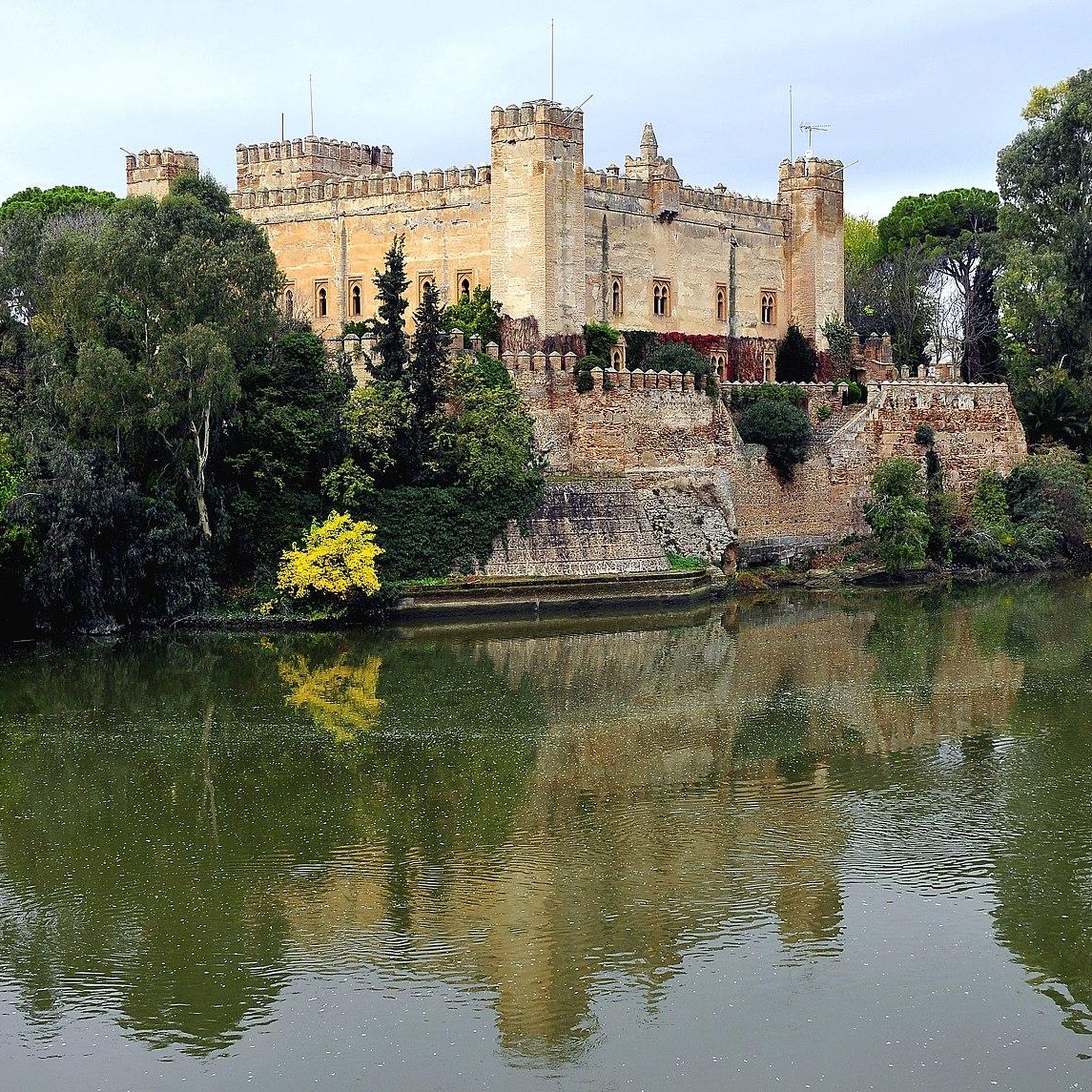
- Another must-see spot is Malpica Castle, a castle. This impressive fortification of Arab origin, built in the 14th century, stands out for its solidity and strength, surrounded by moats and the waters of the Tagus.
- Visitors also love Cebolla Castle Ruins, a castle. The parish church of San Cipriano stands on top of the hill where the town lies, surrounded by olive and cereal fields irrigated by the Tagus riverbed.
- Illán De Vacas is known for historical sites, religious buildings, and man-made monuments. The area offers a variety of attractions to see and explore, reflecting its unique history and rural character.
- The attractions around Illán De Vacas are appreciated by the komoot community, with 6 upvotes and 6 photos shared by visitors.
Last updated: August 23, 2026
Malpica Castle
Highlight • Castle
Translated by Google •
Tip by

Cebolla Castle Ruins
Highlight • Castle
Translated by Google •
Tip by

Sign up now to discover places like this
Get recommendations on the best single tracks, peaks, & plenty of other exciting outdoor places.
Sign up for free
Monument to the Victims of COVID-19 and the Spanish Civil War, Montearagón
Highlight • Monument
Translated by Google •
Tip by
Church of the Virgin of Peace of Illán de Vacas
Highlight • Religious Site
Translated by Google •
Tip by
Parish Church of the Immaculate Conception, Domingo Pérez
Highlight • Religious Site
Translated by Google •
Tip by

Start today with a free account
Your next adventure awaits.
Login or Signup
Popular around Illán De Vacas
Tips from the Community

Malpica Castle is the most emblematic construction of the Toledo town of Malpica de Tajo. It is an impressive fortification of Arab origin built in the 14th century. Made of brick and surrounded by several moats and the waters of the Tagus, it stands out for the solidity and strength of its structure.
1
0

With three inhabitants according to the 2021 census, it is the municipality with the smallest number of inhabitants in Spain.
1
0

This castle, privately owned by the Duchy of Arion, is not open to the public and cannot be visited inside, although it is probably worth it since it has the peculiarity of having been continuously inhabited for centuries. The most we can do is surround it or observe it from the opposite bank of the river, which gives it an unusual atmosphere in the medieval architecture of the Iberian Peninsula.
2
0

Built by the Arabs in the 10th century as part of a set of defensive fortifications and later converted into a residential palace, the Malpica castle is one of the few in Spain that is located on the banks of a river, and in this case nothing less than the Tagus. Unfortunately it is private property and you cannot enter it, but it is nonetheless an attractive building that stands out when you cross the bridge to enter the town from where you will have the best views of it.
1
1
Domingo Pérez's crops are those of the Mediterranean trilogy: cereals, vines and olive trees. Among the places of interest in the municipality are the Town Hall, an example of popular civil architecture; the hermitage of La Soledad which, located on a small hillock between two paths, was built in 1770; and the parish church of the Immaculate Conception, in a "rural Mudejar" style.
1
0
With 3 registered people, Illán de Vacas is the municipality with the fewest inhabitants in Spain. There are other towns with the same or even less number of neighbors but they belong to other municipalities that together have more inhabitants.
2
0

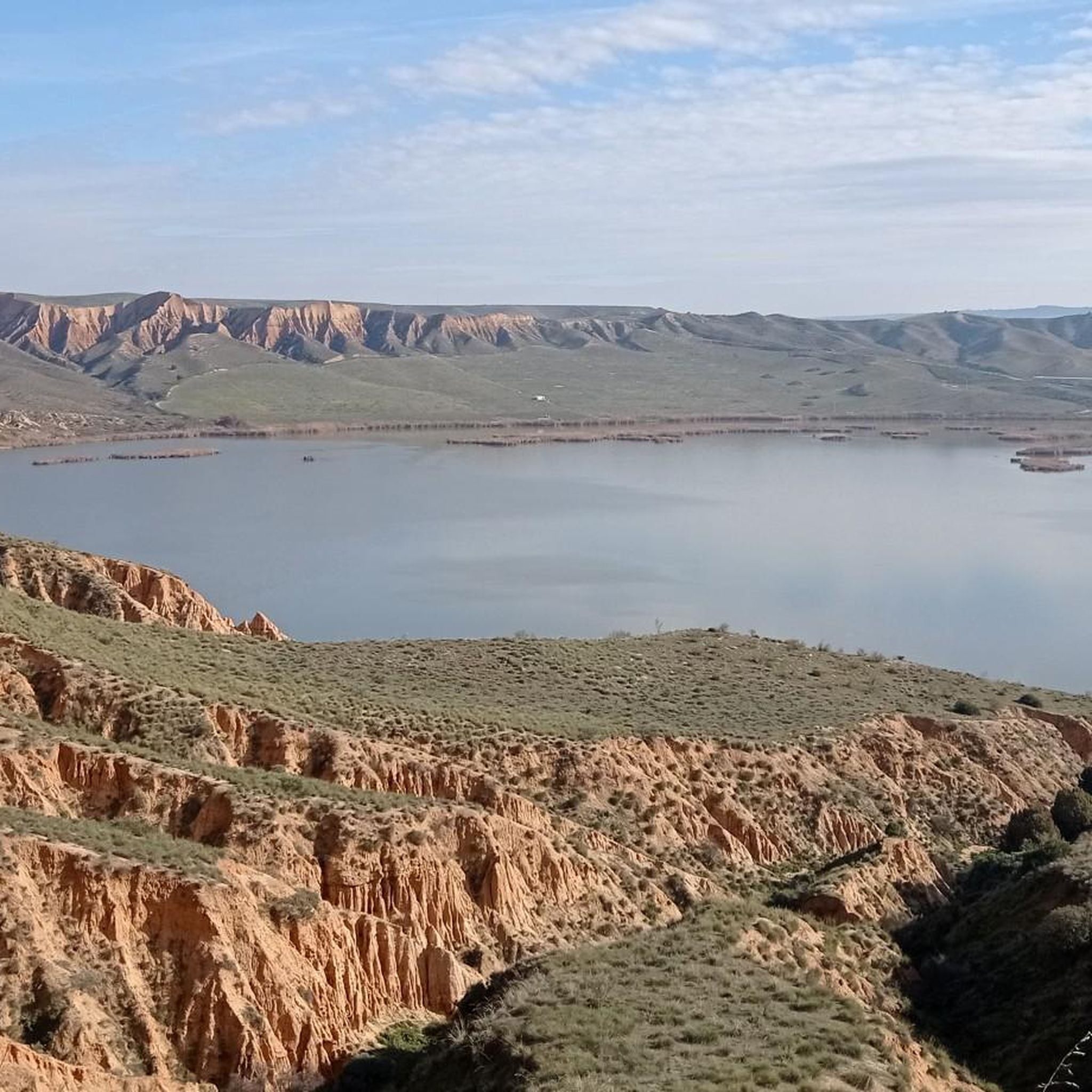
Farming village between olive groves and vineyards that celebrates a wine festival in summer. It is a classic rural enclave on the banks of the Tagus with low houses and a quiet atmosphere.
1
1
The parish church of San Cipriano stands on top of the hill where the town lies, standing out among olive and cereal fields irrigated with the waters of the nearby Tagus riverbed. Cebolla is part of the region of Talavera de la Reina and, among its narrow and twisting streets, you can find a variety of services for the intern.
1
0
Frequently Asked Questions
What historical sites can I visit near Illán De Vacas?
The area around Illán De Vacas is rich in history. You can explore the impressive Malpica Castle, an Arab-origin fortification from the 14th century, or the Cebolla Castle Ruins, situated on a hill overlooking olive and cereal fields. Additionally, the Monument to the Victims of COVID-19 and the Spanish Civil War, Montearagón, offers a quiet, reflective experience in a rural setting.
What makes Illán De Vacas a unique place to visit?
Illán De Vacas is notable for being one of Spain's least populated municipalities, offering an exceptionally tranquil and serene atmosphere. Its primary appeal lies in its rural charm, almost absolute silence, and a glimpse into a disappearing way of life. The village itself, with its traditional houses and surrounding fields, provides a peaceful escape.
Are there any religious buildings or churches to see in the area?
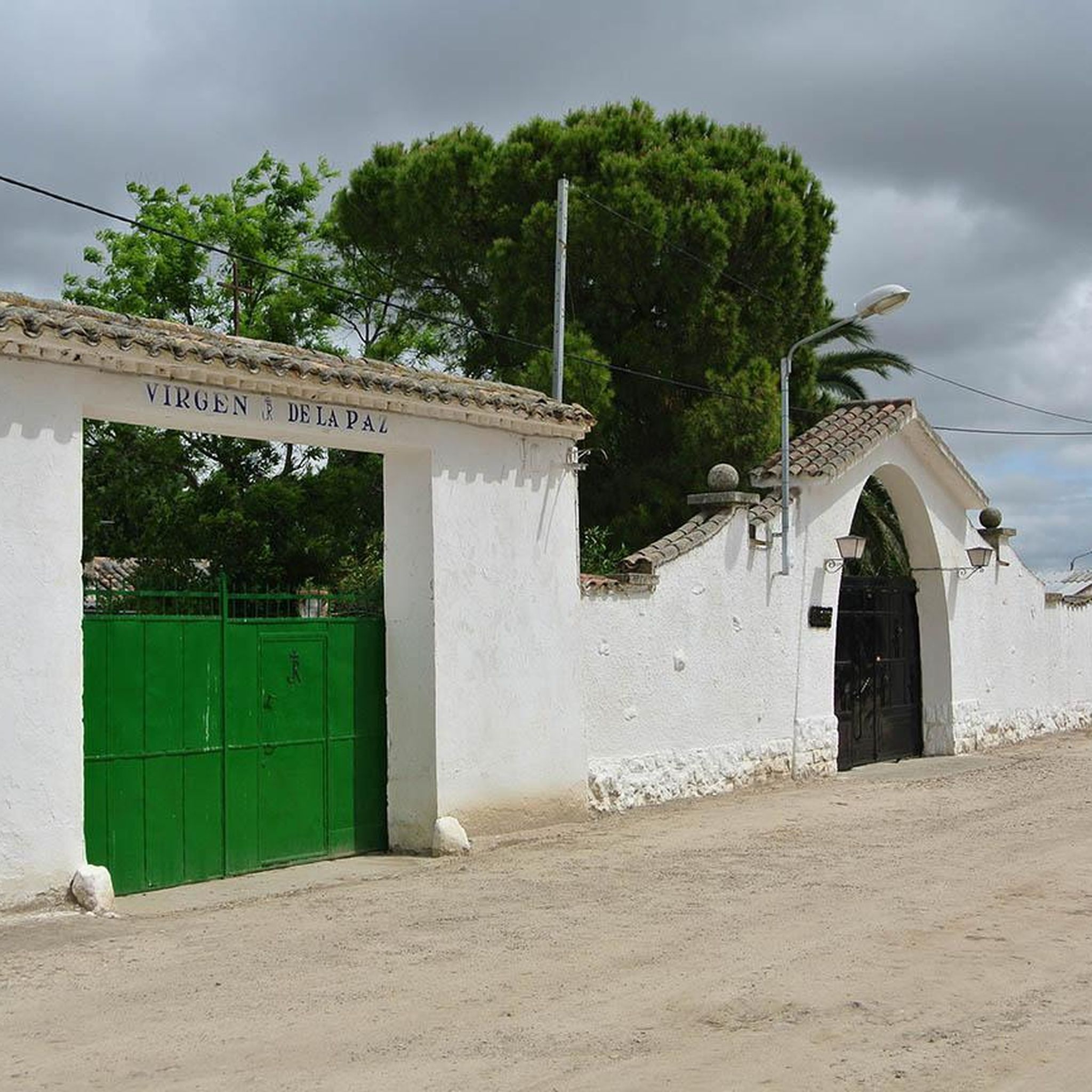
Yes, the main religious site in the village is the Church of the Virgin of Peace of Illán de Vacas, a modest brick structure that serves as a central reference point for the community. Nearby, you can also find the Parish Church of the Immaculate Conception, Domingo Pérez, which showcases a 'rural Mudejar' style.
What outdoor activities can I do near Illán De Vacas?
The rural landscape around Illán De Vacas, particularly near the Tagus riverbed, is ideal for outdoor activities. You can enjoy hiking and cycling along rural paths through plains of Toledo. For more detailed routes, explore the Cycling around Illán De Vacas guide, which includes routes like the 'Route of Cebolla, Illán de Vacas'.
Are there cycling routes available around Illán De Vacas?
Absolutely. The region offers various cycling opportunities. You can find several routes for different skill levels, including road cycling and touring bicycle options. Check out the Cycling around Illán De Vacas guide and the Road Cycling Routes around Illán De Vacas guide for detailed tours.
Can I find mountain biking trails in the vicinity?
Yes, mountain biking enthusiasts can find trails around Illán De Vacas. The MTB Trails around Illán De Vacas guide lists several routes, such as 'Castillo de Malpica de Tajo – circular desde Erustes', offering various distances and difficulty grades.
Are there family-friendly attractions around Illán De Vacas?
While Illán De Vacas itself is very quiet, the general rural environment and the unique status of the village can be an interesting educational experience for families. The Church of the Virgin of Peace of Illán de Vacas is noted as family-friendly, offering a glimpse into local history and culture.
Are there any wheelchair accessible attractions?
The Monument to the Victims of COVID-19 and the Spanish Civil War, Montearagón, is listed as wheelchair accessible, providing an opportunity for all visitors to experience this historical site.
What is the best time of year to visit Illán De Vacas?
The region experiences a Mediterranean climate. Spring and autumn generally offer pleasant temperatures for exploring the rural landscape and historical sites. Summers can be hot, while winters are mild. For outdoor activities like hiking and cycling, spring and autumn are ideal.
What kind of landscape can I expect to see around Illán De Vacas?
The landscape is characterized by authentic rural charm, with vast fields of olive trees and cereals. The nearby fluvial environment of the Tagus riverbed adds to the natural beauty, offering serene views and opportunities for walks along its banks.
What do visitors enjoy most about the attractions near Illán De Vacas?
Visitors appreciate the tranquility and the historical context of the area. Highlights like Malpica Castle are admired for their impressive architecture and unique riverside location, even if viewed from the outside. The quiet atmosphere of the farming villages and the sense of disconnection from urban noise are also highly valued.
Most popular routes around Illán De Vacas

Get inspired with the komoot mobile app


Explore more
Still not found the Highlight you’re looking for? See guides of the top attractions in other regions:
