The best running trails around Fulleda
353
runners
35
runs
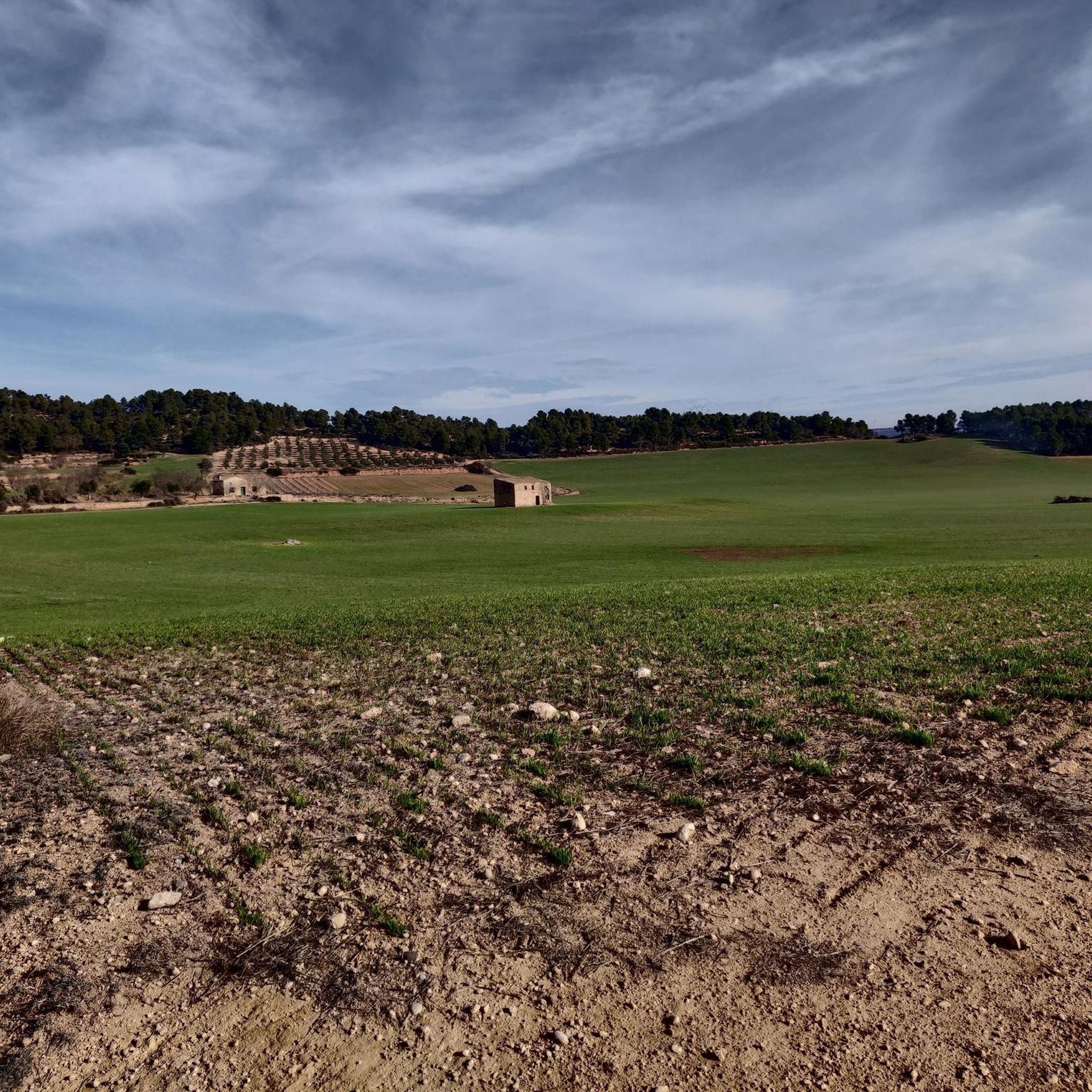
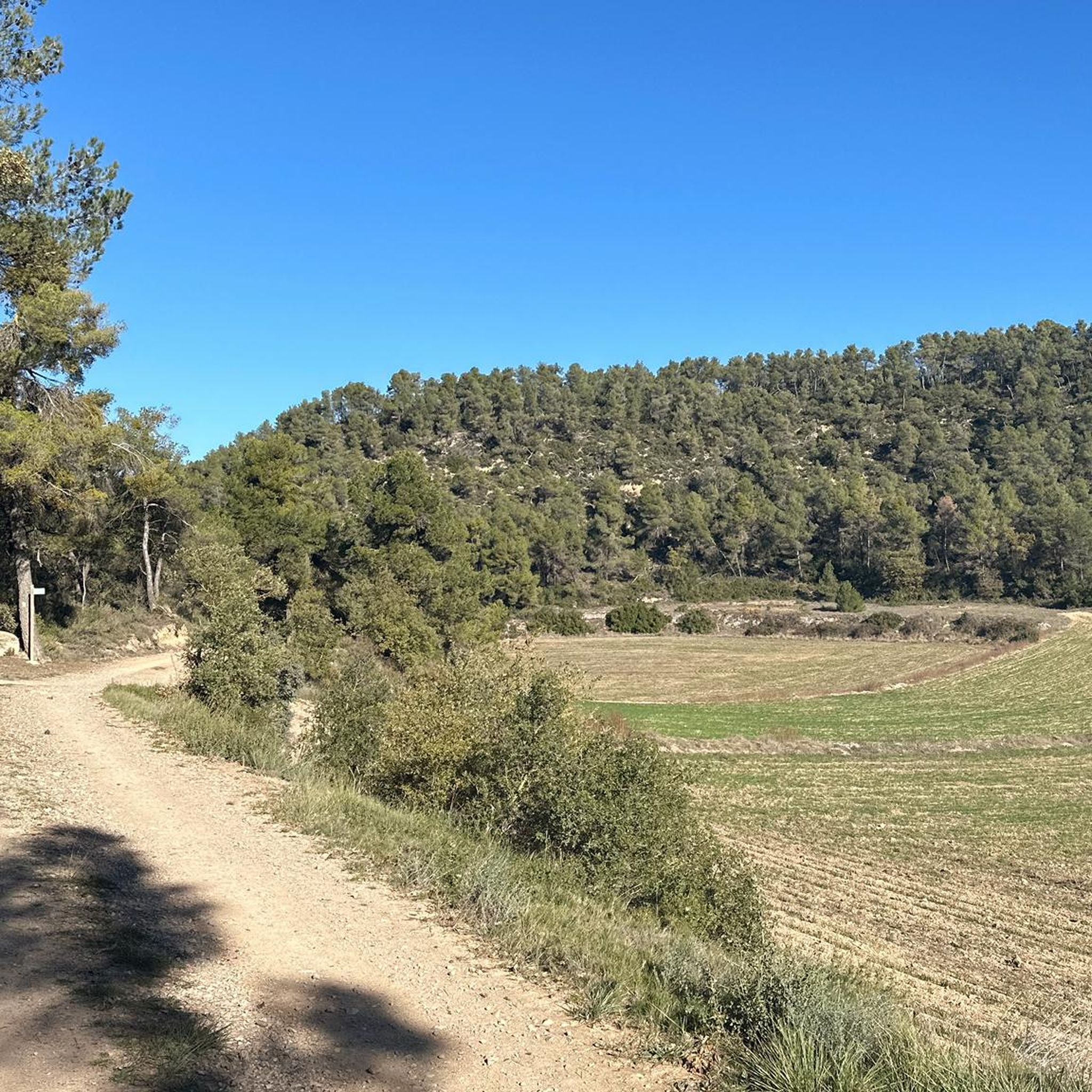
Jogging routes around Fulleda traverse a landscape characterized by rugged, wooded terrain and varied inclines. The region, situated on the eastern edge of Les Garrigues, features numerous hills and forests. Runners can explore paths winding through vineyards, olive groves, and almond trees, offering diverse scenery. The area provides a tranquil setting for outdoor activities, with well-marked trails suitable for running.
Best jogging routes around Fulleda
- The most popular jogging route is Deport Spring – Font Baixa loop from l'Espluga de…
Last updated: May 16, 2026
35
runners
19.8km
02:28
580m
580m
Hard run. Very good fitness required. Mostly paved surfaces. Suitable for all skill levels.
12
runners
23.8km
03:01
750m
750m
Hard run. Very good fitness required. Mostly paved surfaces. Suitable for all skill levels.

Sign up for free
7
runners
8.66km
00:58
70m
70m
Moderate run. Good fitness required. Mostly paved surfaces. Suitable for all skill levels.
5
runners
8.87km
01:02
140m
140m
Moderate run. Good fitness required. Mostly paved surfaces. Suitable for all skill levels.
4
runners
9.57km
01:02
130m
130m
Moderate run. Good fitness required. Mostly paved surfaces. Suitable for all skill levels.
Get access to more routes and recommendations from other explorers.
Sign up for free
Already have an account?
Our route recommendations are based on thousands of hikes, rides, and runs completed by other people on komoot.
Start today with a free account
Your next adventure awaits.
Login or Signup
Tips from the Community


The caves of l'Espluga de Francolí are a set of natural cavities formed in the conglomerate rock. Speleological explorations began in 1956, and so far 3,600 meters of galleries have been explored, making them one of the longest caves in the world. The archaeological findings inside show that they have been occupied since the Paleolithic: the last discovery, in 2019, was a Paleolithic sanctuary made up of more than 300 engravings, some of them more than 36,000 years old. The visits are guided and can be booked from https://covesdelespluga.info/
0
0
Municipality of the province of Tarragona, in the region of Conca de Barberà. The origin of the town is in the castle that Ponç de Cervera built on top of a nearby mountain in the 11th century. In the middle of the 13th century, the castle became dependent on the monastery of Poblet and the Templars, and in the lower part the encomienda of the Espluga de Francolí was established, under the jurisdiction of the hospital order. In the year 1312, the year of the extinction of the Order of the Temple, the Espluga de Francolí acquires the full señorío. Among the cultural heritage stands out the old hospital of the Order of San Juan, which currently houses the Mosén Ramón Muntanyola library, the Museo de la Vida Rural, the modernist cooperative winery Celler Cooperatiu, the work of Pere Domènech i Roura, or the Fassina Balanyà, former alcohol factory, today converted into one of the twenty-five industrial museums of the System of the National Museum of Science and Technology of Catalonia.
0
0
There is news of this fountain as early as 1151, but in its current form it dates from 1852, although the original project was never completed. The stone used in its construction came from an old obelisk that was on the wall of the old road from Poblet to Vimbodí. The number of pipes was also increased from the original 11 to the current 17 (one pipe for each letter of the town where it is located). Originally the pipes were made of bronze, but they were stolen in 1954 and replaced by iron ones.
0
0

A classic that is worth visiting before starting the port of Coll de l'Arena - Prades at 1034 m
0
0

This monument is located next to the Poblet Monastery. Milmanda's name means small castle. Milmanda Castle, an artistic and historical fortification where Emperors Carlos V and Felipe II hunted, can be visited from Monday to Sunday by booking in advance through its website. The tour includes a visit to the vineyard, in the Milmanda Castle, tasting of two wines, and an expert guide or sommelier throughout the tour.
1
0
There is news of this fountain as early as 1151, but in its current form it dates from 1852, although the original project was never completed. The stone used in its construction came from an old obelisk that was in the wall of the old road from Poblet to Vimbodí. The number of pipes was also increased from the current 11 to 17 (one pipe for each letter of the town where it is located). Originally the pipes were made of bronze, but they were stolen in 1954 and replaced by iron ones.
0
0
Monastery founded in 1150, when the church, the monks' refectory, the Sant Esteve chapel, the infirmary and part of the cloister were built. During the 13th century, the rest of the buildings in the complex were completed, with everything the monks needed for their lives here: chapter house, bedroom, cloister, kitchen, the scriptorium, the hospital for the poor and pilgrims, and the chapel of Santa Caterina. In later centuries the dome and the walls, the pantheon and the other royal constructions were added.
2
0
Frequently Asked Questions
What kind of terrain can I expect on the running trails around Fulleda?
The running trails around Fulleda are characterized by a rugged, wooded landscape with varied inclines. You'll find yourself navigating through hills and forests, interspersed with picturesque vineyards, olive groves, and almond trees. This diverse terrain offers both challenging ascents and scenic stretches, providing a dynamic experience for runners.
How many jogging routes are available in the Fulleda area?
There are over 35 dedicated jogging routes around Fulleda, catering to various preferences. The komoot community has mapped 38 routes in total, ensuring a wide selection for your running adventures.
Are there running routes suitable for beginners or those looking for an easier run?
Yes, while many routes in Fulleda feature challenging inclines, there are options for all skill levels. The area offers 1 easy route and 17 moderate routes, providing less strenuous options for those new to running or seeking a more relaxed pace. For example, the Font Baixa – Milmanda Castle loop from l'Espluga de Francolí is a moderate option with less elevation gain.
What are the typical distances and durations for running trails in Fulleda?
The running trails in Fulleda vary significantly in length and duration. You can find routes ranging from moderate paths of around 5.5 miles (8.8 km) that take about an hour, to more challenging runs like the Font Baixa – Deport Spring loop from l'Espluga de Francolí, which is 14.8 miles (23.8 km) and can take over 3 hours to complete. This variety allows runners to choose a route that fits their desired distance and time commitment.
Are there any circular running routes in Fulleda?
Yes, many of the running routes in Fulleda are designed as loops, allowing you to start and finish at the same point. Examples include the challenging Deport Spring – Font Baixa loop from l'Espluga de Francolí and the moderate L'Espluga de Francolí – Milmanda Castle loop from l'Espluga de Francolí. These circular paths are great for exploring the diverse landscape without needing to retrace your steps.
What kind of natural features or landmarks can I see while running in Fulleda?
Fulleda's trails offer a blend of natural beauty and historical elements. You can encounter unique dry-stone constructions like old vaulted huts and cisterns, which are integrated into the landscape. Natural highlights include the Deport Spring and The Hundred Springs. The agricultural landscape with its olive groves, almond trees, and vineyards also provides picturesque backdrops.
Are there any historical or cultural sights near the running trails?
Beyond the natural beauty, Fulleda offers glimpses into its rich heritage. While running, you might discover singular dry-stone constructions. Within the village itself, you can find the parish church of Santa María, dating back to the early 14th century, and a monument dedicated to Agustina of Aragón. An old, restored olive mill also provides insight into local traditions.
What is the best time of year for running in Fulleda?
Fulleda experiences a 'dryland and marinada' climate, characterized by gentle breezes. This makes spring and autumn particularly pleasant for running, with milder temperatures and vibrant natural scenery. Even in summer, the wooded areas offer natural shade, though it's advisable to run early in the morning or late in the afternoon to avoid the midday heat.
Are the running trails in Fulleda well-marked?
Yes, Fulleda boasts numerous well-marked routes and trails. This extensive network ensures that joggers can explore the natural environment easily and safely, allowing you to focus on your run without worrying about getting lost.
What makes running in Fulleda a unique experience?
Running in Fulleda offers a unique blend of rugged natural beauty, tranquility, and cultural charm. Unlike flatter regions, its hilly and forested terrain provides dynamic runs with varied inclines and natural shade. The serene village atmosphere, combined with well-marked trails winding through vineyards, olive groves, and historical stone constructions, creates a peaceful and engaging outdoor experience.
Are there any viewpoints along the running routes in Fulleda?
Yes, the elevated nature of Fulleda's terrain means many routes offer scenic vistas. You can find viewpoints such as the Hermitage and Viewpoint of Sant Joan de la Muntanya and La Pena Viewpoint, providing stunning panoramas of the surrounding landscape, including the agricultural fields and distant hills.
Most popular attractions around Fulleda

Get inspired with the komoot mobile app


Explore more
Browse the best Running Trails & Routes in other regions.
