The best road cycling routes around Nava De Francia
4.8
(9)
1,061
riders
31
rides
Road cycling routes around Nava De Francia traverse a landscape characterized by mountainous terrain, extensive oak and chestnut forests, and varied elevation within the Sierra de Francia region of Salamanca, Spain. The area is dominated by the Peña de Francia, a prominent peak offering challenging climbs and panoramic views. Situated within the Las Batuecas-Sierra de Francia Natural Park and a UNESCO Biosphere Reserve, the region provides a pristine environment with diverse flora and fauna. The terrain includes both steep ascents…
Last updated: July 2, 2026
59
riders
46.1km
02:36
1,010m
1,010m
Hard road ride. Very good fitness required. Some segments of this route may be unpaved and difficult to ride.
18
riders
89.8km
04:14
1,180m
1,180m
Hard road ride. Very good fitness required. Mostly well-paved surfaces and easy to ride.

Sign up for free
17
riders
87.6km
04:46
1,810m
1,810m
Hard road ride. Very good fitness required. Mostly well-paved surfaces and easy to ride.
19
riders
39.3km
02:23
1,030m
1,030m
Hard road ride. Very good fitness required. Some segments of this route may be unpaved and difficult to ride.
13
riders
52.8km
02:51
1,030m
1,040m
Hard road ride. Very good fitness required. Some segments of this route may be unpaved and difficult to ride.
Get access to more routes and recommendations from other explorers.
Sign up for free
Already have an account?
Our route recommendations are based on thousands of hikes, rides, and runs completed by other people on komoot.
Start today with a free account
Your next adventure awaits.
Login or Signup
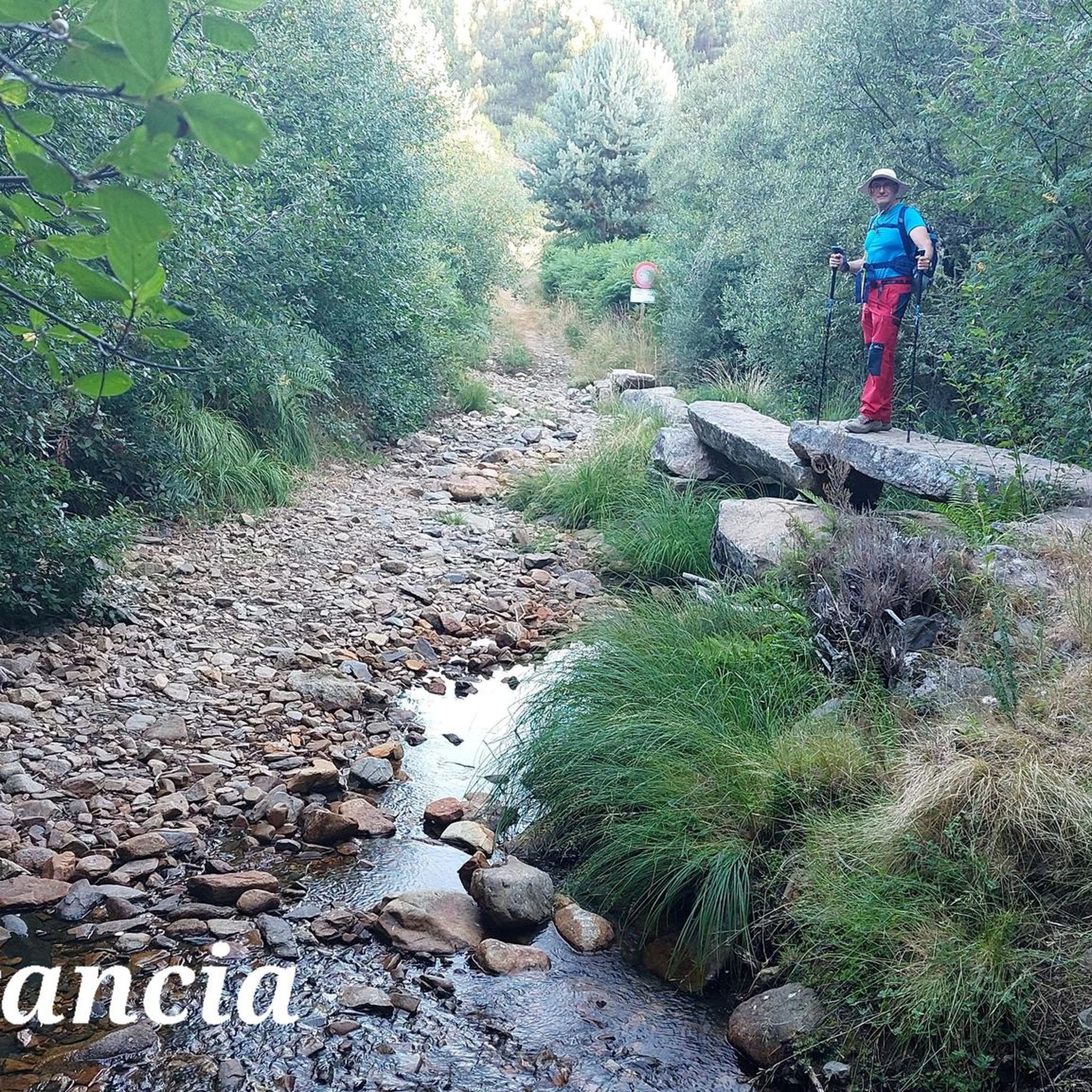

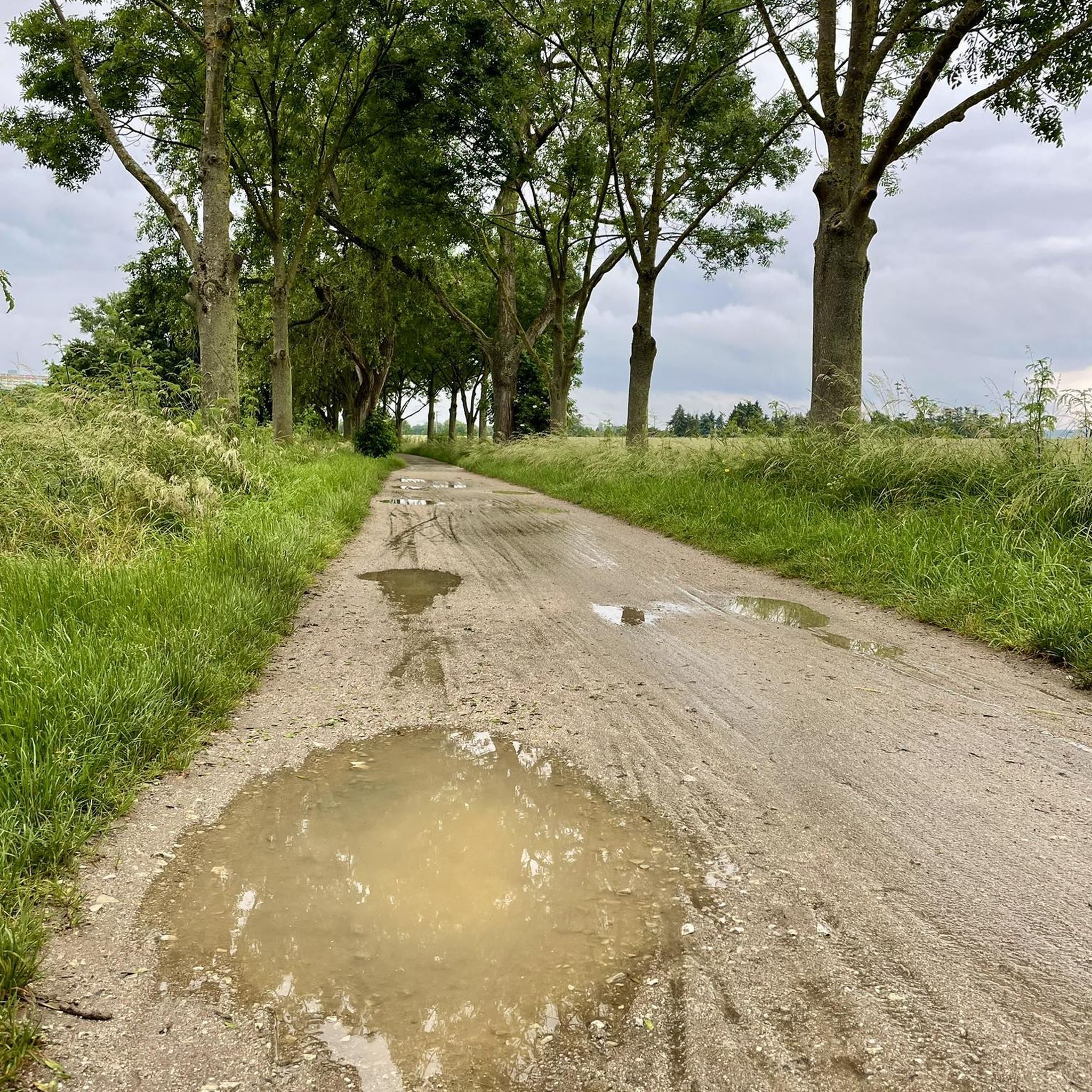
Tips from the Community

At the village's social meeting point, the Plaza Mayor with its arcades, stands a beautiful granite pilgrim's cross.
11
0
Striking about the houses are the stone support beams above the doorposts. Religious texts are engraved on them and there are dates from the 1700s and 1800s. After the reconquista, when the area was repopulated, many Jews came to live in the village. Because the church forbade the Jews to practice their religion, they had to prove that they had joined the Catholic church by engraving biblical texts above their houses.
10
0
Beautiful top with views and a restaurant run by modern monks.
0
0
Beautiful view here, now the last stretch to the top with 200 altitude meters to go.
0
0

The Plaza Mayor of Ciudad Rodrigo is the historical and social heart of the city, with a rich history that reflects its importance as an urban center: Since the Middle Ages, the Plaza Mayor has been the hub of public life: markets, proclamations, and council meetings were held there in the cloister of the former Church of San Juan. In the 16th century, public butcher shops were built, and it became a consolidated space for commercial and festive activities. Until then, the square was home to the Three Roman Columns, a vestige of the ancient Miróbriga, which had been a symbol of the city since the 13th century. In 1580, the square was expanded, incorporating the space that once housed the old prison and the Audiencia (Courthouse). It even had corridors for watching bullfights, a tradition that continues during carnivals.
7
0

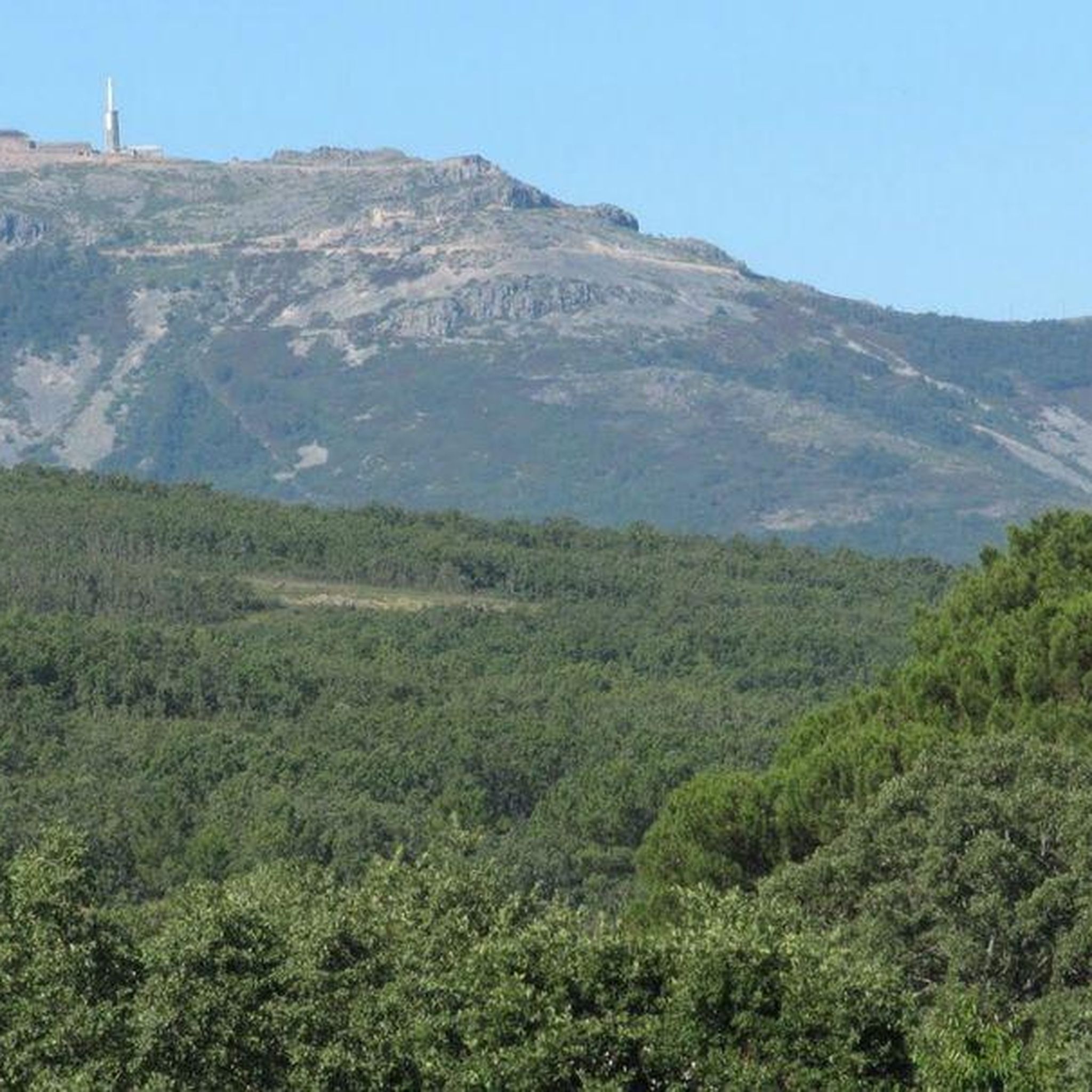
A plain with granite slabs with a panoramic view of the "granite throne," the Peña de Francia. In summer, you'll see it drier, in spring, full of purple lavender, and in winter, possibly snowy. Each season has its own charm.
0
0
The enchanted dolmen and the dice of destiny.
0
0
This is the Wolves Pass, the end of the climb to Peña de Francia (Granite Throne) ;)
0
0
Frequently Asked Questions
How many road cycling routes are available around Nava de Francia?
There are over 20 road cycling routes available around Nava de Francia. The majority, 16 routes, are classified as difficult, while 7 are moderate. There are no routes specifically categorized as easy, indicating the region's generally challenging terrain.
What are the typical distances and elevations for road cycling routes in this region?
Routes vary significantly. For example, the Peña de Francia CIMA Loop from El Maíllo is about 48 km with over 1,000 meters of elevation gain. Longer routes like the Alto del Portillo and Puerto de Robledo Loop stretch to 95 km with nearly 2,000 meters of climbing, offering significant challenges.
What kind of terrain defines road cycling in Nava de Francia?
Road cycling in Nava de Francia is characterized by mountainous terrain, including significant climbs like the ascent to Peña de Francia with sections up to 20% gradient. You'll also find extensive oak and chestnut forests, and varied elevation changes, often described as 'rompepiernas' (leg-breakers) due to their demanding nature.
What is the best time of year for road biking in Nava de Francia?
The region experiences both low winter temperatures and hot summers. For road cycling, spring and autumn generally offer the most pleasant conditions, avoiding the extremes of summer heat and potential winter cold or snow at higher elevations. These seasons provide comfortable temperatures for tackling the climbs and enjoying the scenic forests.
Are there any circular road bike routes around Nava de Francia?
Yes, many routes are designed as loops, allowing you to start and finish in the same location. Examples include the challenging Peña de Francia CIMA Loop from El Maíllo and the Alto del Portillo and Puerto de Robledo Loop, which offer extensive circular journeys through the Sierra de Francia.
What can I see along the road cycling routes in Nava de Francia?
Beyond the stunning natural landscapes, you can encounter traditional mountain architecture in villages, historical sites like the Dolmen de La Morisca, and the 15th-century Gothic parish church of Nuestra Señora del Rosario. Notable natural landmarks include the Sanctuary of Our Lady of the Peña de Francia and the ancient chestnut trees along the 'Senda de los Castaños Centenarios'.
Are there any viewpoints or scenic spots along the road cycling routes?
Absolutely. The ascent to the Sanctuary of Our Lady of the Peña de Francia offers spectacular panoramic views of the surrounding Sierra de Francia. Many routes also pass through picturesque oak and chestnut forests, providing shaded and scenic stretches, and connect to charming villages like La Alberca and Miranda del Castañar, which are sights in themselves.
What do other road cyclists enjoy most about road cycling in Nava de Francia?
The area is highly rated by the komoot community, with an average score of 4.7 stars from over 7 reviews. Cyclists often praise the challenging mountainous ascents, the dense oak and chestnut forests, and the charm of the traditional villages encountered along the routes. The diverse terrain and pristine natural beauty within the Natural Park are also frequently highlighted.
Are there any less crowded road cycling trails around Nava de Francia?
While specific 'less crowded' routes aren't explicitly identified, the region's extensive network within the Las Batuecas-Sierra de Francia Natural Park and Biosphere Reserve offers numerous options. Exploring routes that venture deeper into the forests or connect smaller, less-traveled villages might provide a more secluded experience compared to the most popular climbs like Peña de Francia.
Can I find places to rest or eat along the road cycling routes?
Yes, the region offers recreational areas like La Mata, equipped with barbecues and stone tables, ideal for a break. Additionally, the charming traditional villages such as Nava de Francia itself, La Alberca, and Miranda del Castañar, which are often part of cycling itineraries, provide opportunities for cafes, restaurants, and other amenities to refuel.
Are there any family-friendly road cycling options in Nava de Francia?
The road cycling routes around Nava de Francia are predominantly classified as moderate to difficult, featuring significant elevation changes. There are no routes specifically designated as 'easy' or explicitly 'family-friendly' in the guide data, suggesting that most routes may be more suitable for experienced cyclists or families with older, more capable riders.
Most popular attractions around Nava De Francia

Get inspired with the komoot mobile app


Explore more
Browse the best Road cycling routes in other regions.
