The best road cycling routes around Espinosa De Henares
5.0
(2)
289
riders
31
rides
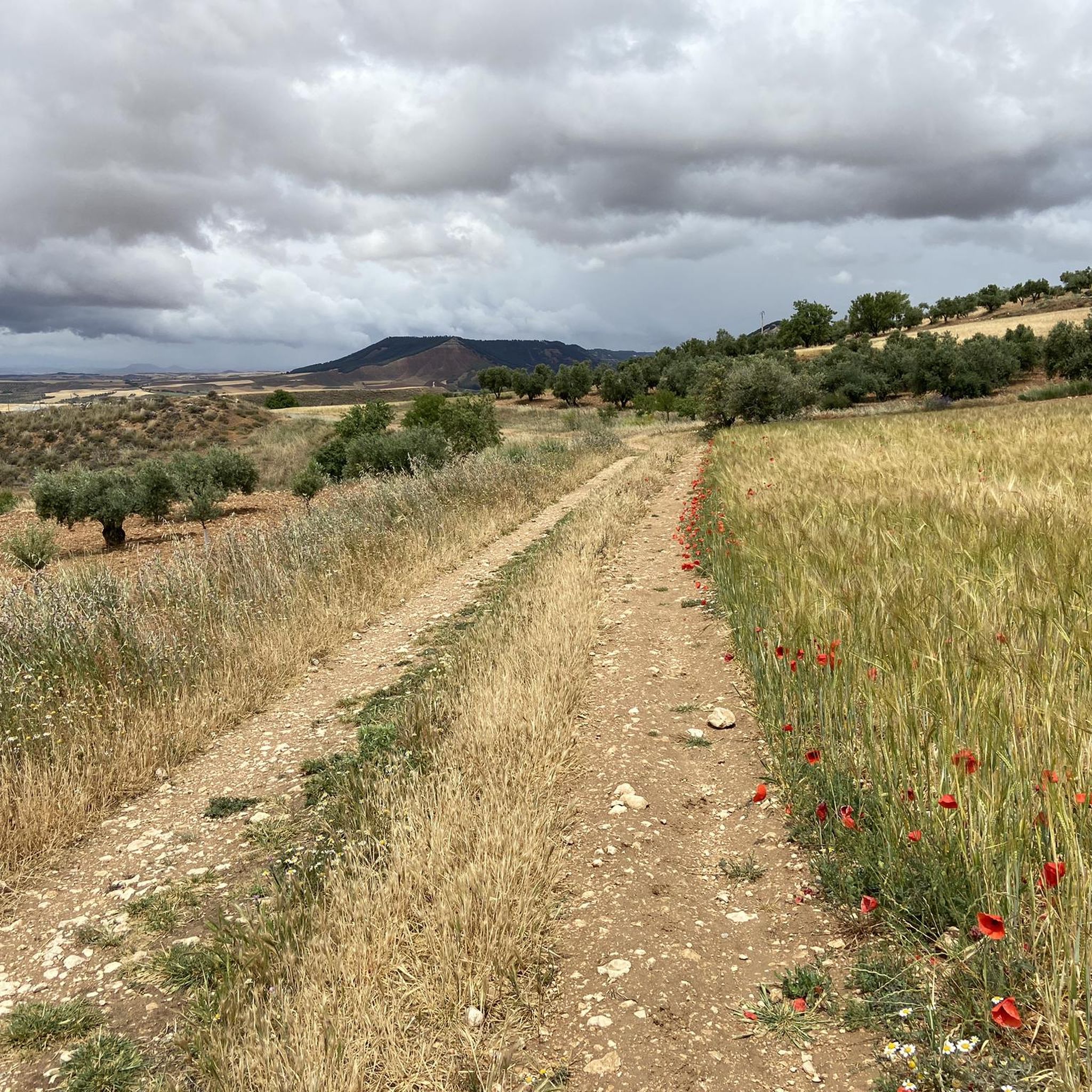
Road cycling routes Espinosa De Henares traverse a landscape characterized by significant elevation changes, indicative of hilly and mountainous terrain. The region features a mix of open countryside, historic villages, and natural landmarks such as reservoirs and peaks. Road cyclists can expect varied routes that include both challenging climbs and scenic stretches through rural areas.
Best road cycling routes around Espinosa De Henares
- The most popular road cycling route is Black Villages of Guadalajara Route, a 53.5 miles (86.1…
Last updated: October 24, 2026
5.0
(1)
42
riders
86.1km
04:30
1,530m
1,530m
17
riders
60.7km
02:58
870m
870m

27
riders
135km
07:07
2,550m
2,550m
Hard road ride. Very good fitness required. Mostly well-paved surfaces and easy to ride.
24
riders
81.4km
04:25
1,660m
1,660m
Hard road ride. Very good fitness required. Mostly well-paved surfaces and easy to ride.
8
riders
51.2km
02:25
670m
670m
Moderate road ride. Good fitness required. Mostly well-paved surfaces and easy to ride.
Get access to more routes and recommendations from other explorers.
Already have an account?
Our route recommendations are based on thousands of hikes, rides, and runs completed by other people on komoot.
Start today with a free account
Your next adventure awaits.



Tips from the Community

A beautiful village in northern Guadalajara, near Alto Rey, with a Romanesque church, fountain, old oven, etc. It's a very welcoming place, with a terrace in the Plaza.
0
0

The Church of Our Lady of the Assumption, in Tamajón (Guadalajara), stands atop a small hill to the north of the town center, at an altitude of approximately 1,097 meters, within the Diocese of Sigüenza-Guadalajara. It was built in the 13th century in the Romanesque style, with significant renovations in the 16th century that introduced Renaissance influences. In the 12th century, the area belonged to the Common Lands of the Town and Territory of Atienza; in the 15th century, it passed to the Mendoza family.
4
0

Although it is associated with El Cid, it was never related to the mercenary knight, but rather to the first Count of El Cid, Rodrigo Días de Vivar y Mendoza, a noble title granted by the Catholic Monarchs in 1492. This fortress, dating back to the High Middle Ages, watches over the Henares valley at the foot of the Alcarria Mountains. A natural paradise with a variety of altitudes.
0
0
The Church of Our Lady of the Assumption in Tamajón, Guadalajara, is a beautiful example of 13th-century Romanesque architecture, with Renaissance reforms in the 16th century. Located on a small hill to the north of the town, this church stands out for its impressive façade and its rich history. The temple has a rectangular floor plan with three sections and three naves, with a flat chancel and a porticoed gallery on the south façade. Inside, you can admire mural paintings from different periods and Baroque and Gothic altarpieces that decorate the main altar and the side chapels.
6
0
Beautiful Romanesque church with porticoed atrium.
0
1

imposing castle, called del Cid, although Rodrigo Díaz never lived there. The current Jadraque castle is almost entirely the work of the last third of the 15th century, that is, from the last group of medieval castle-palaces, already on the verge of disappearance at this time. Its reform in the 15th century was due to the master builder Alberto de Caravajal, helped by stonemasons from Northern Spain. This master builder also directed the renovation of the castle of Puebla de Almenara (Cuenca). It is likely that the outlines of the reform were given by the architect Juan Guas, although his intervention is not documented. The renovation work greatly affected almost everything that had previously existed there, as the natural terrain of the hill was even lowered. Only what was a large pentagonal tower in the bow was used in the construction of the new late medieval castle (probably towards the middle of the 20th century, almost the entire tower was dismantled to serve as a quarry). One of its panels is fallen today and the castle is closed to visitors.
0
0
A place of prayer and also for recreation and rest, it is a good place to start or end routes.
1
0
The Hermitage of Nuestra Señora de Los Enebrales, in addition to its important religious connotation, is a recreation area with a large number of possible walks through its Prehistoric Caves and Shelters, as well as its "Enchanted City" Rocks, in some of which practice roof climbing teaching and training. It has a very large parking lot and trees and shades for the summer. Tamajón, the nearby town, in addition to being very beautiful and with a Romanesque Church, has good hospitality.
0
1
Frequently Asked Questions
How many road cycling routes are there in Espinosa De Henares?
Espinosa De Henares offers over 30 road cycling routes, catering to various skill levels. You'll find a good mix of moderate and difficult trails to explore the region's diverse landscapes.
What are the road cycling conditions like in Espinosa De Henares?
Road cycling in Espinosa De Henares is characterized by significant elevation changes, indicating hilly and mountainous terrain. Cyclists can expect varied routes that include challenging climbs and scenic stretches through rural areas, often with views of reservoirs and historic villages.
What is the best season for road biking in Espinosa De Henares?
While specific seasonal data isn't provided, the region's hilly and mountainous terrain suggests that spring and autumn would offer the most pleasant temperatures for road cycling, avoiding the extreme heat of summer or potential winter conditions at higher elevations.
Are there beginner-friendly road cycling routes in Espinosa De Henares?
The routes around Espinosa De Henares are primarily categorized as moderate to difficult, with no easy routes listed. Beginners might find the terrain challenging due to the significant elevation changes and climbs.
What kind of challenges can advanced road cyclists expect in Espinosa De Henares?
Advanced road cyclists will find plenty of challenges, with 17 difficult routes featuring substantial elevation gains. For example, the Hiendelaencina – View of the Alcorlo Reservoir loop from Espinosa de Henares covers over 150 km with nearly 2,900 meters of ascent, offering a demanding ride.
Are there loop road cycling routes available around Espinosa De Henares?
Yes, many routes in the area are loops. A notable example is the View of Cogolludo – El Picoz, Alto Rey Peak loop from Espinosa de Henares, which is a challenging 134.2 km ride through mountainous terrain.
Is parking available for road cyclists in Espinosa De Henares?
While specific parking facilities for cyclists are not detailed, Espinosa De Henares is a small town, and street parking or designated parking areas within the town are generally available, especially near the start points of routes.
Can I reach road cycling routes in Espinosa De Henares using public transport?
Public transport options to Espinosa De Henares are limited. It's advisable to check local bus schedules or consider driving to the starting points of the routes, as the region is more accessible by car.
What scenic views or natural landmarks can I expect on road cycling routes in Espinosa De Henares?
Many routes offer stunning natural scenery. You can expect views of the Alcorlo Reservoir and the Beleña Reservoir, as well as panoramic vistas from elevated points like the View of Cogolludo and towards Alto Rey Peak.
Are there any historic villages or points of interest to explore along the routes?
Absolutely. The region is rich in history. The Black Villages of Guadalajara Route explores historic villages. You can also pass through or near towns like Hita and see landmarks such as Jadraque Castle and the Church of San Juan Bautista of Jadraque.
What do other road cyclists enjoy the most about road cycling in Espinosa De Henares?
The area is highly rated by the komoot community, with an average score of 5.0 stars. Reviewers often praise the significant climbs, the rewarding reservoir views, and the routes that connect charming historic villages, offering a blend of physical challenge and cultural exploration.
Are there road cycling routes with cafes or places to stop for refreshments?
While specific cafes on routes are not detailed, many routes pass through or near villages such as Tamajón, Hita, and Jadraque. These villages typically offer local establishments where you can find refreshments and take a break.
Are there less crowded road bike trails in Espinosa De Henares?
Espinosa De Henares is generally a less densely populated area compared to major cities, suggesting that many of its road cycling routes offer a quieter experience. The focus on rural landscapes and smaller villages often means less traffic and more serene rides.
Most popular attractions around Espinosa De Henares

Get inspired with the komoot mobile app


Explore more
Browse the best Road cycling routes in other regions.
