Attractions and Places To See around Els Omellons - Top 17
Attractions and places to see around Els Omellons offer a blend of historical sites, cultural heritage, and natural landscapes. The region is characterized by olive and almond groves, traditional dry-stone constructions, and clear night skies. Visitors can explore ancient mills, religious buildings, and natural features within the Les Garrigues baixes and Vall del Corb landscape.
Best attractions and places to see around Els Omellons
- The most popular attractions is Monastery of Santa María de Vallbona, a religious building that…
Last updated: May 26, 2026
Monastery of Santa María de Vallbona
Highlight • Religious Site
Translated by Google •
Tip by

Parque del Terrall
Highlight • Rest Area
I recommend a walk there, where we can see animals, such as fish, ducks or a beautiful swan. There …
Translated by Google •
Tip by

Sign up now to discover places like this
Get recommendations on the best single tracks, peaks, & plenty of other exciting outdoor places.
Sign up for free
Church of Sant Martí de Maldà
Highlight • Religious Site
Translated by Google •
Tip by
Arbeca Castle
Highlight • Castle
Translated by Google •
Tip by
Senan Village and Romanesque Church
Highlight • Settlement
Translated by Google •
Tip by
Sign up for free to discover even more attractions around Els Omellons.
Sign up for free
Already have an account?
Start today with a free account
Your next adventure awaits.
Login or Signup

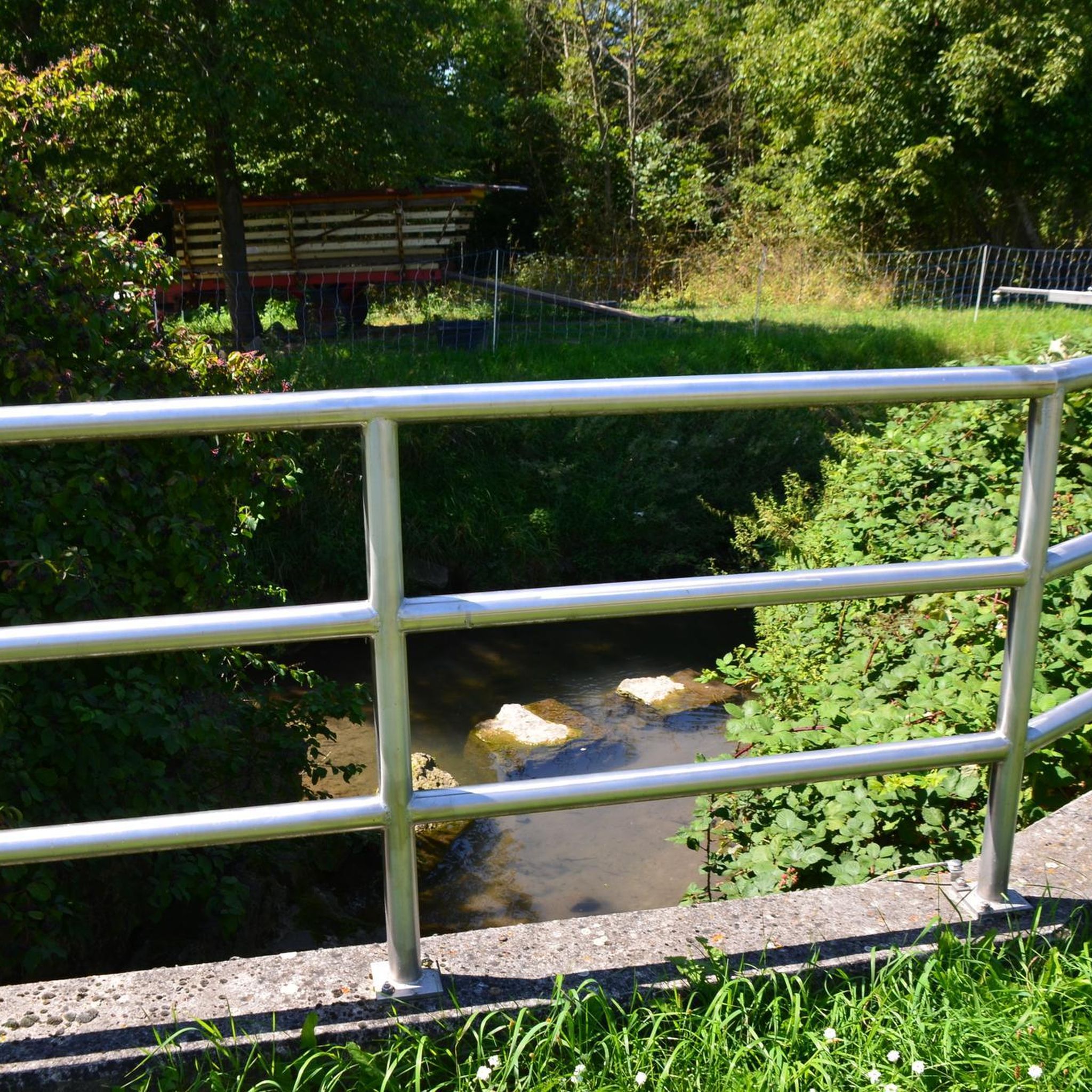
Tips from the Community

a very cool park with a fountain to refill water
0
0


Beautiful medieval monastery from the Cistercian era, still inhabited by nuns.
0
0

The monastery of Santa María de Vallbona is a female Cistercian abbey founded in the 11th century and built in a mixture of Romanesque and Gothic styles. Together with the Poblet and Santes Creus monasteries, it forms the Cistercian Route.
0
0

The monastery of Santa María de Vallbona is the most important female Cistercian monastery in Catalonia. It has maintained its monastic activity uninterruptedly for more than 800 years. Its beginnings, at the beginning of the 12th century, were as a mixed group of hermits who followed the Rule of Sant Benet, later converted into monastics, under the pastoral staff of its founder, Ramón de Vallbona. In 1175 the monks moved to Montsant, leaving the female monastic community in Vallbona, which joined the Cistercian order. The monastery is made up of the temple, presided over by the Mare de Déu del cor, in the usual sober and slightly ornamented style of the order, and by the trapezoidal-shaped cloister, and the other dependencies (chapter house, the archive and the old pharmacy).
1
0
It is a perfect place to make a stop to eat something and enjoy the town
0
0
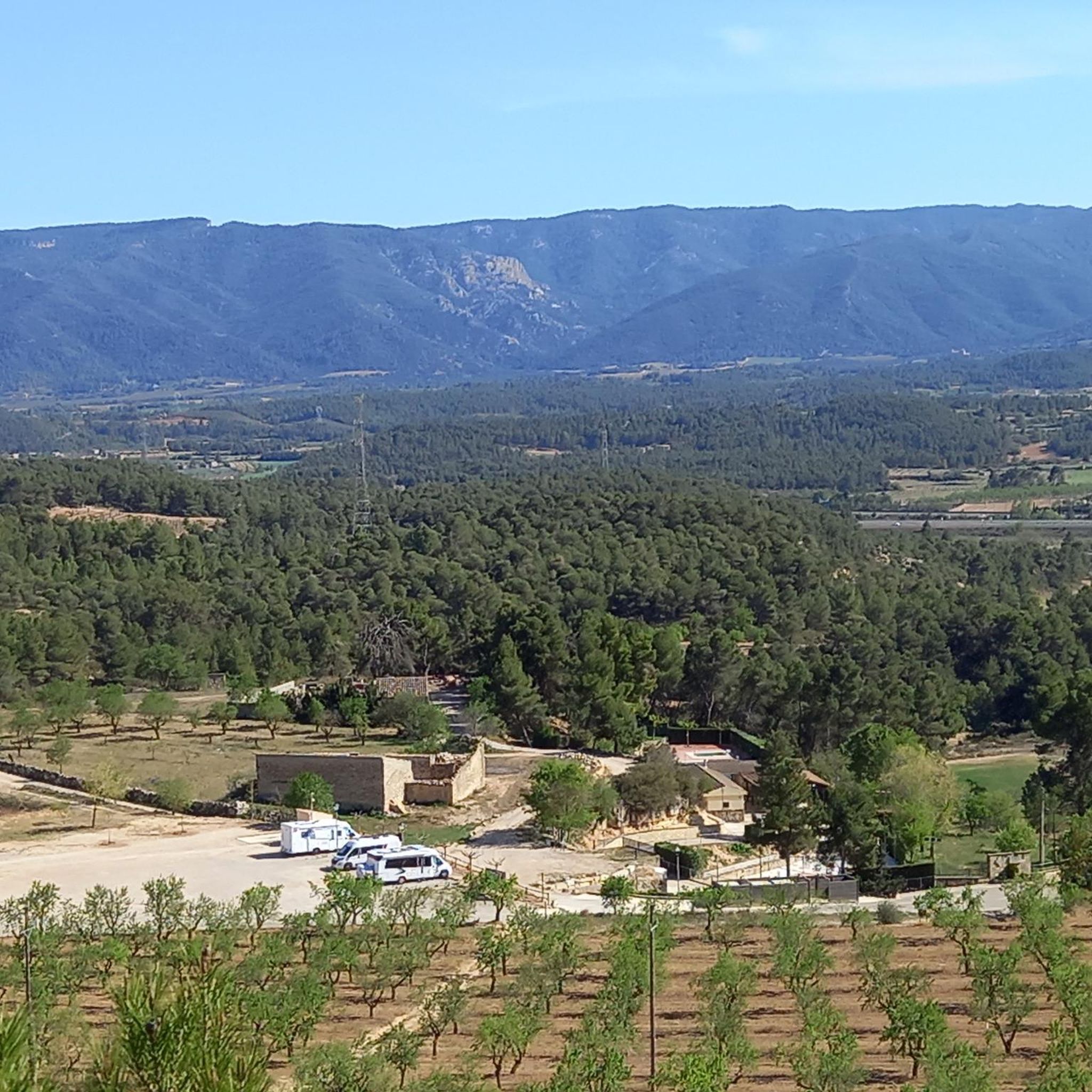
There are many fun trails in the area.
0
0
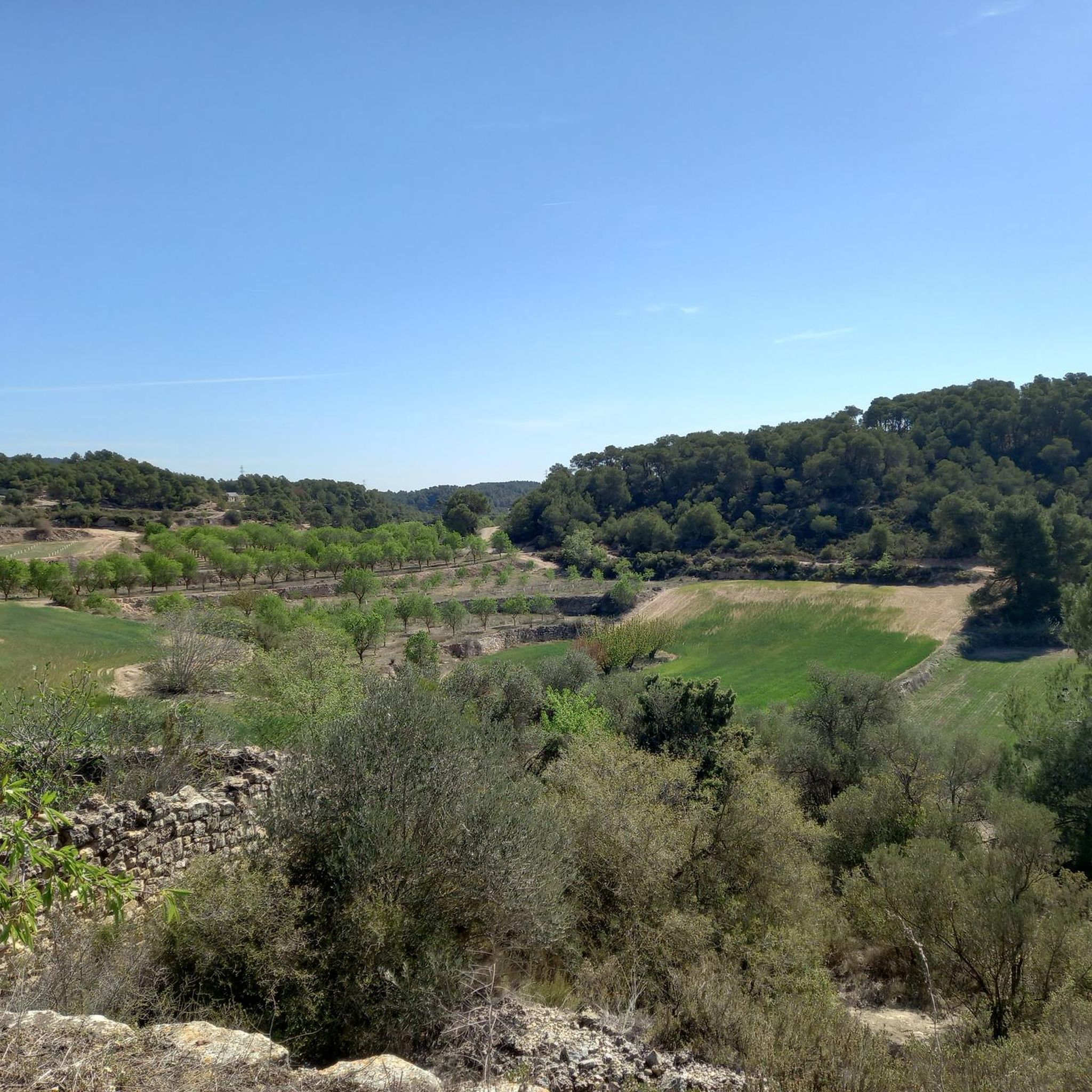
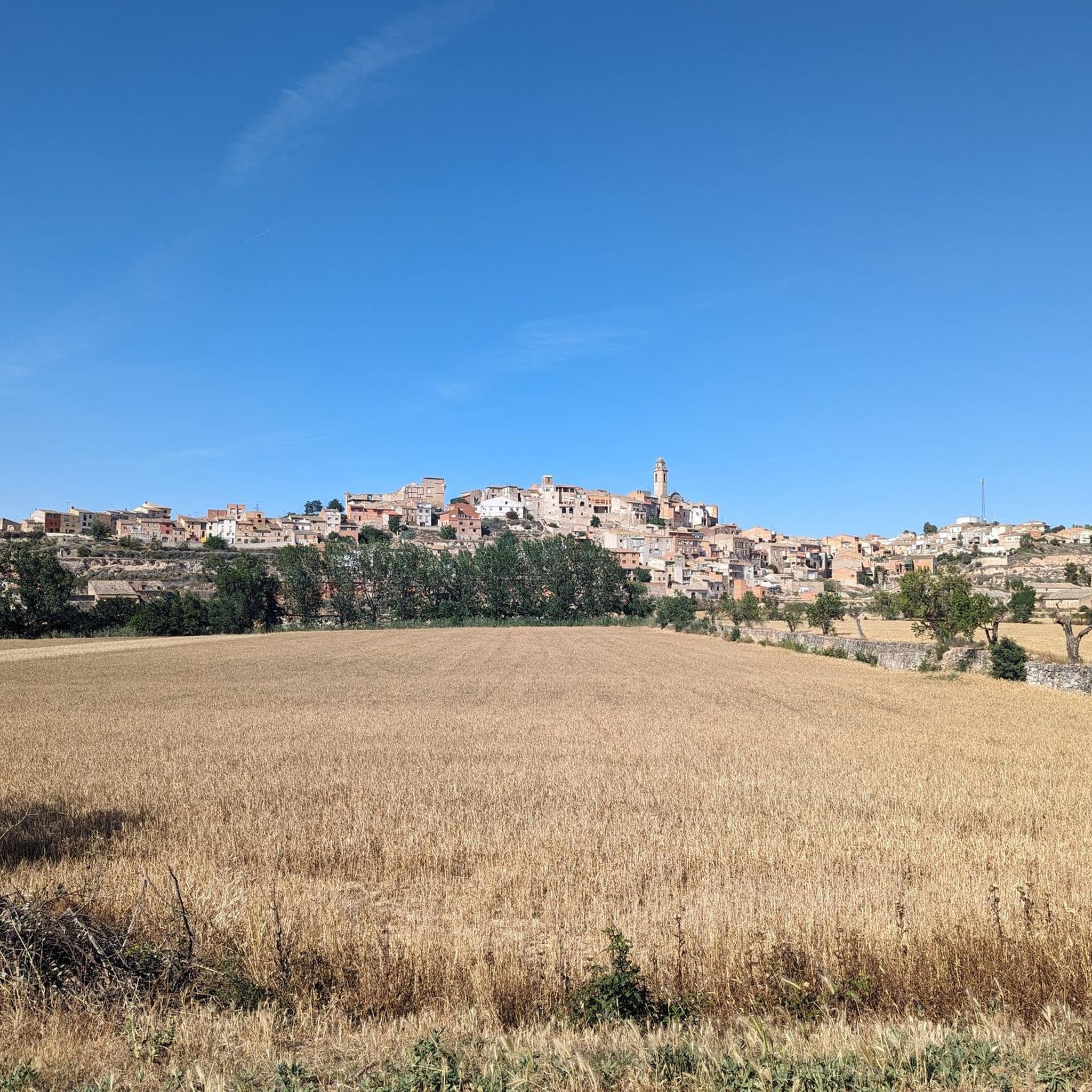
Senan is a municipality in the Cuenca de Barberá region. It has a Romanesque church from the 12th-13th centuries and beautiful views of the surrounding fields of cereals, olive and almond trees.
1
0
Frequently Asked Questions
What historical and cultural sites can I explore around Els Omellons?
The region offers a rich historical tapestry. You can visit the 18th-century Parish Church of Sant Miquel, known for its Baroque facade and altarpiece, or the imposing Arbeca Castle, which has Roman, Goth, and Arab origins. Don't miss Monastery of Santa María de Vallbona, a female Cistercian abbey founded in the 11th century and part of the Cistercian Route, or Casa Llorach, an 18th-century building declared a National Artistic Monument.
Are there any notable religious buildings to visit in the area?
Yes, the area is home to significant religious architecture. The Monastery of Santa María de Vallbona is a prominent female Cistercian abbey with over 800 years of monastic activity. Another key site is the Church of Sant Martí de Maldà, a 16th-17th century Baroque-style building recognized as a Cultural Asset of National Interest.
What natural features and landscapes can I discover near Els Omellons?
Els Omellons is set within the picturesque landscape of Les Garrigues baixes and Vall del Corb, characterized by extensive olive and almond groves. You can also find the Waterfall of the Second Machine, a historical site where a hydroelectric plant once operated. The region also features traditional dry-stone constructions like vaulted huts ('cabanes de volta') and cisterns, and the Riu Set, a tributary of the Segre river, offers scenic walks.
Are there opportunities for outdoor activities like hiking or cycling?
Absolutely. The landscape of olive and almond groves is ideal for outdoor activities. You can explore numerous hiking and mountain biking trails. For specific routes, check out the MTB Trails around Els Omellons or the Cycling around Els Omellons guides. A popular 13-kilometer route, the Marxa de les Cabanes de Volta, allows you to discover unique vaulted huts.
What kind of trails are available for mountain biking around Els Omellons?
The area offers a variety of mountain biking trails, ranging from moderate to difficult. You can find routes like the 'Arbeca Castle – Snack Stop in Arbeca loop' or the 'Santuario del Tallat – Montblanquet loop'. For a comprehensive list and details, refer to the MTB Trails around Els Omellons guide.
Are there any family-friendly attractions in Els Omellons?
Yes, several attractions are suitable for families. The Monastery of Santa María de Vallbona and the Waterfall of the Second Machine are both considered family-friendly. Additionally, Parque del Terrall in nearby Les Borges Blanques offers a pleasant environment with animals, a playground, and green areas for children.
Is there anything for visitors interested in astrophotography or stargazing?
Yes, Els Omellons is recognized for its exceptionally clear night skies, making it an excellent location for astrophotography and observing celestial phenomena like the Milky Way.
Are there any accessible attractions for visitors with mobility considerations?
The Church of Sant Martí de Maldà is noted for being wheelchair accessible, with wide and not very rocky paths leading to it. For other locations, it's advisable to check specific accessibility details beforehand.
What do visitors enjoy most about the attractions around Els Omellons?
Visitors appreciate the blend of historical depth and natural beauty. The tranquility of places like the Monastery of Santa María de Vallbona, the historical significance of sites like Arbeca Castle, and the scenic views around the Waterfall of the Second Machine are frequently highlighted. The region's clear night skies also draw interest for stargazing.
Can I find running trails near Els Omellons?
Yes, there are several running trails available. You can explore routes such as the 'Parque del Terrall loop from les Borges Blanques' or the 'Besóns loop from les Borges Blanques'. For more options and detailed information, consult the Running Trails around Els Omellons guide.
What is the best time to visit Els Omellons for outdoor activities?
The region's landscape of olive and almond groves is pleasant for outdoor activities, particularly hiking and mountain biking. While specific seasonal recommendations aren't provided, the mention of 'going in summer in the shade' for the Waterfall of the Second Machine suggests warmer months are popular, but spring and autumn would also offer comfortable temperatures for exploring.
Are there any unique architectural features to look out for?
Beyond the grand structures, the agricultural municipality is rich in traditional dry-stone architecture. You'll find numerous examples of dry-stone walls, vaulted huts ('cabanes de volta'), and cisterns scattered throughout the landscape, offering a glimpse into historical building practices.
Most popular routes around Els Omellons

Get inspired with the komoot mobile app


Explore more
Still not found the Highlight you’re looking for? See guides of the top attractions in other regions:
