The best cycling routes around Organyà
4.6
(6)
228
riders
25
rides
Touring cycling around Organyà, nestled in the Catalan pre-Pyrenees, features diverse landscapes with significant elevation changes. The region is characterized by mountain passes, offering challenging routes and scenic natural features. Cycling routes frequently include climbs to mountain passes like Coll de Bóixols and Coll de Serra Seca. The terrain offers a mix of paved and unpaved roads, providing varied experiences for touring cyclists.
Best touring cycling routes around Organyà
- The most popular touring cycling route is Organyà – Coll de…
Last updated: June 28, 2026
19
riders
58.6km
04:12
1,230m
1,230m
Hard bike ride. Very good fitness required. Mostly paved surfaces. Suitable for all skill levels.
3.5
(2)
14
riders
45.4km
03:30
1,120m
1,120m
Hard bike ride. Very good fitness required. Mostly paved surfaces. Suitable for all skill levels.

Sign up for free
12
riders
105km
07:38
2,350m
2,350m
Hard bike ride. Very good fitness required. Mostly paved surfaces. Suitable for all skill levels.
14
riders
36.8km
02:47
850m
850m
Hard bike ride. Very good fitness required. Mostly paved surfaces. Suitable for all skill levels.
16
riders
56.5km
04:10
1,280m
1,280m
Hard bike ride. Very good fitness required. Mostly paved surfaces. Suitable for all skill levels.
Get access to more routes and recommendations from other explorers.
Sign up for free
Already have an account?
Our route recommendations are based on thousands of hikes, rides, and runs completed by other people on komoot.
Start today with a free account
Your next adventure awaits.
Login or Signup

Tips from the Community

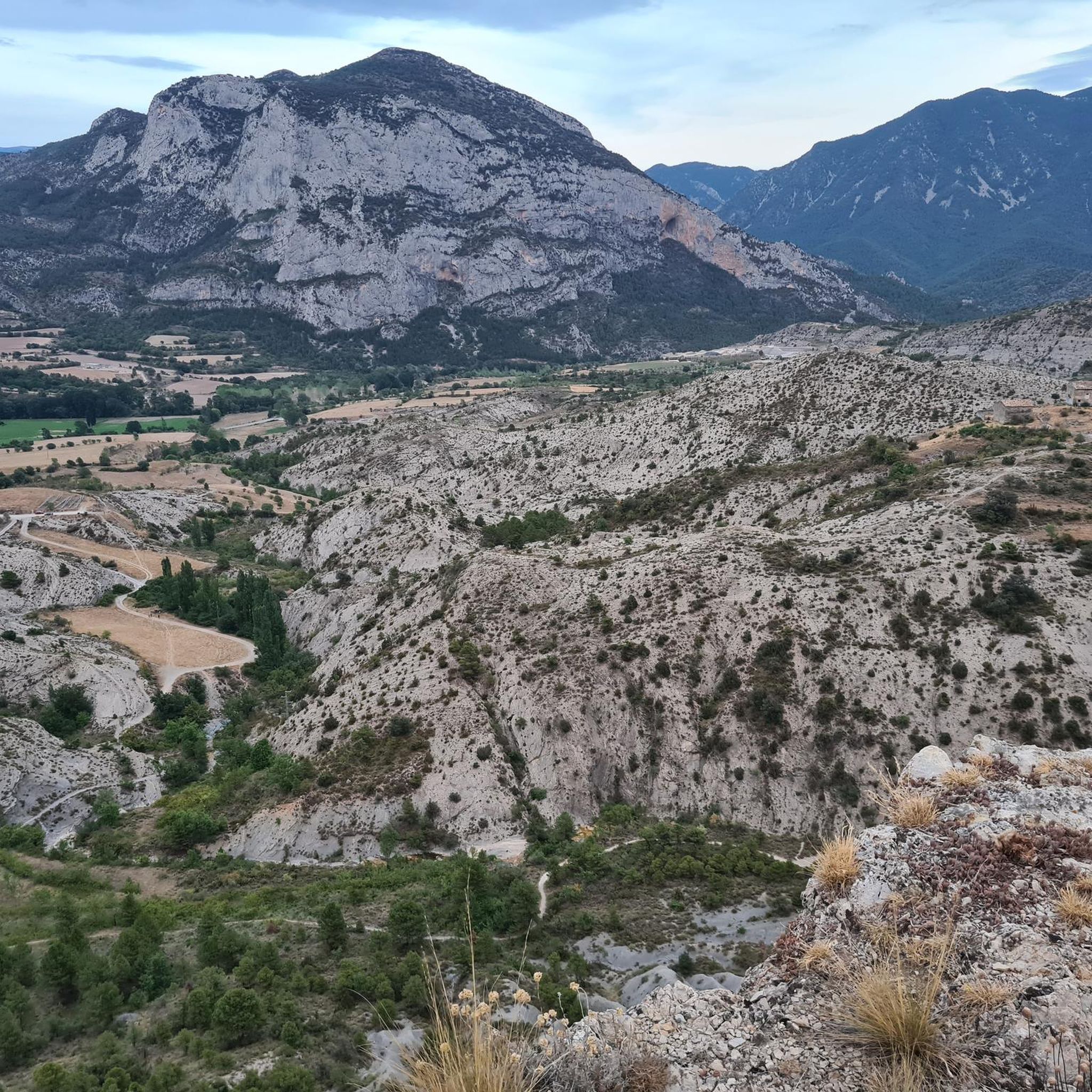
On the border between Alt Urgell and Solsonès, the Serra-seca viewpoint is located near kilometer 25 of the road between Hostal de Cirera and Cambrils. Access is via a signposted track and a small path that leads to a high point from which you can enjoy spectacular views of the Ribera Salada, the Oliana reservoir and a good part of the central Pre-Pyrenees. It is an ideal stop to breathe and enjoy the landscape in silence. The approach terrain can have irregular sections, with loose stones and slopes, so you need to be careful if you go by bike. The environment is exposed and windy on changeable days, so it is advisable to wear suitable clothing and check the bike before continuing.
0
0


Convenient mountain town with all the facilities you need during a multi-day cycling or hiking holiday: excellent campsite, a few hotels, several restaurants, a supermarket, a bakery, ...
0
0

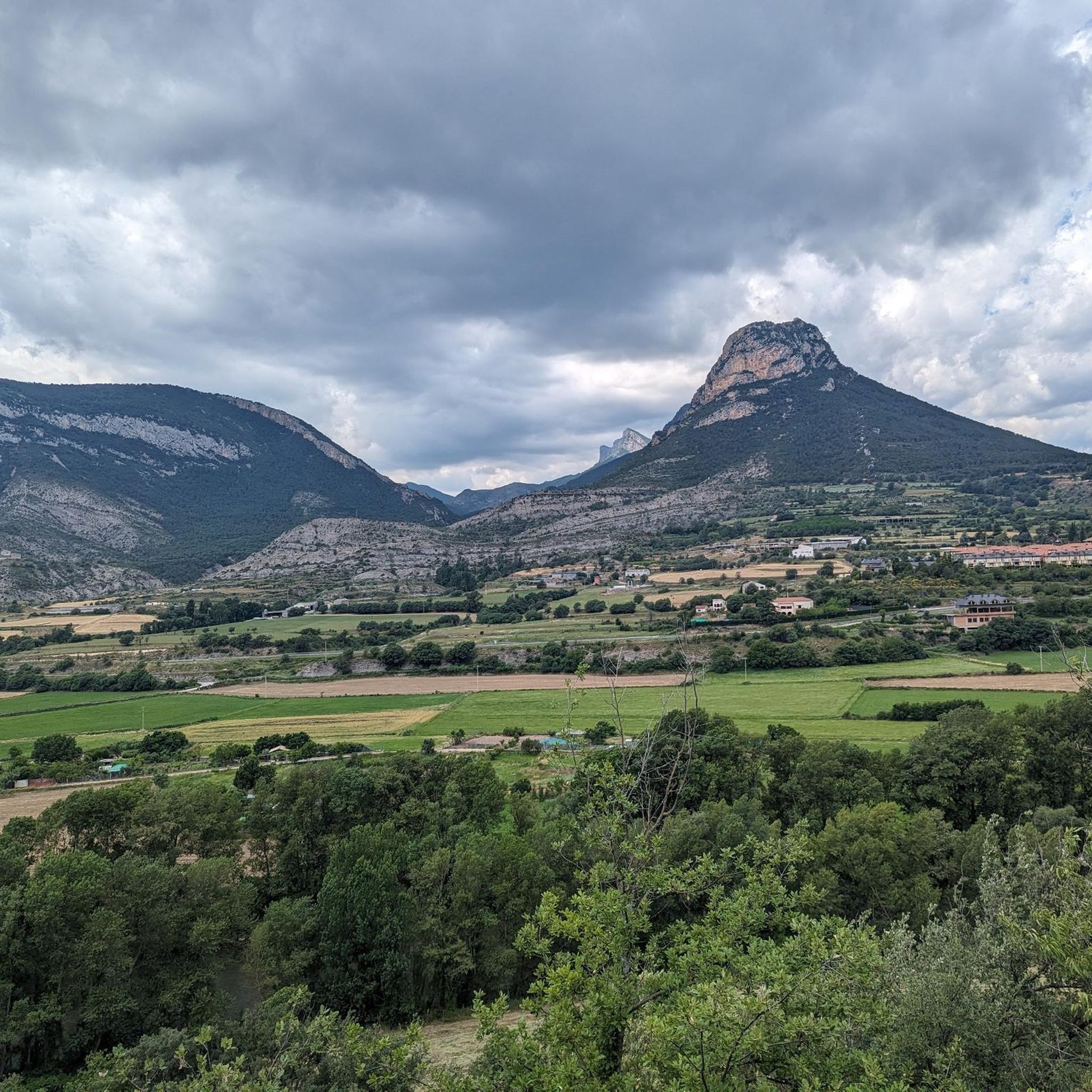
Next to the Coll d'Ares, it is the most iconic port in the Montsec mountain range and the Lleida Pre-Pyrenees. The views from above, either towards the Pyrenees and the Isona and Tremp valley, as well as the Plana de Lleida, are magnificent. It is a port with 4 aspects, each one different: - The southern slope, which begins in Artesa de Segre, is almost 24 km long and runs along a road with a lot of traffic, very wide and with long straights. After passing the town of Folquer, you face the hardest section of the climb, now with continuous curves and horseshoes, although with a road that is still very wide. The best are the views of the Lleida plain. It is not a side that I like since it is very stinky. - The southeast slope, the one that begins in Pons, is longer than the previous one, with 29 km. It has 2 rest sections, with some descent, and the road is narrow and twisty. There are good views along the climb. This slope joins the southern slope that comes from Artesa de Segre at the height of Folquer, where the hardest 7 km remain until reaching the top of the pass. - The main northern slope begins in Tremp and is 28.2 km. It is similar to the Artesa de Segre slope, with a similar gradient and a wide, busy road with a progressive slope, although it is true that there are no kilometers that reach 7%. I don't like. - The northwest slope, which also begins in Tremp, takes the old road that goes up through the town of Sant Salvador de Toló. It is a climb without traffic, on an irregular asphalt road, one of the old ones, which is grippy and difficult to roll, but in good condition. If you plan to go up to Comiols on the northern slope, you have to do it here and forget about the slope that runs along the main road.
0
0


Spectacular views from above and a port that leaves you marked.
0
0

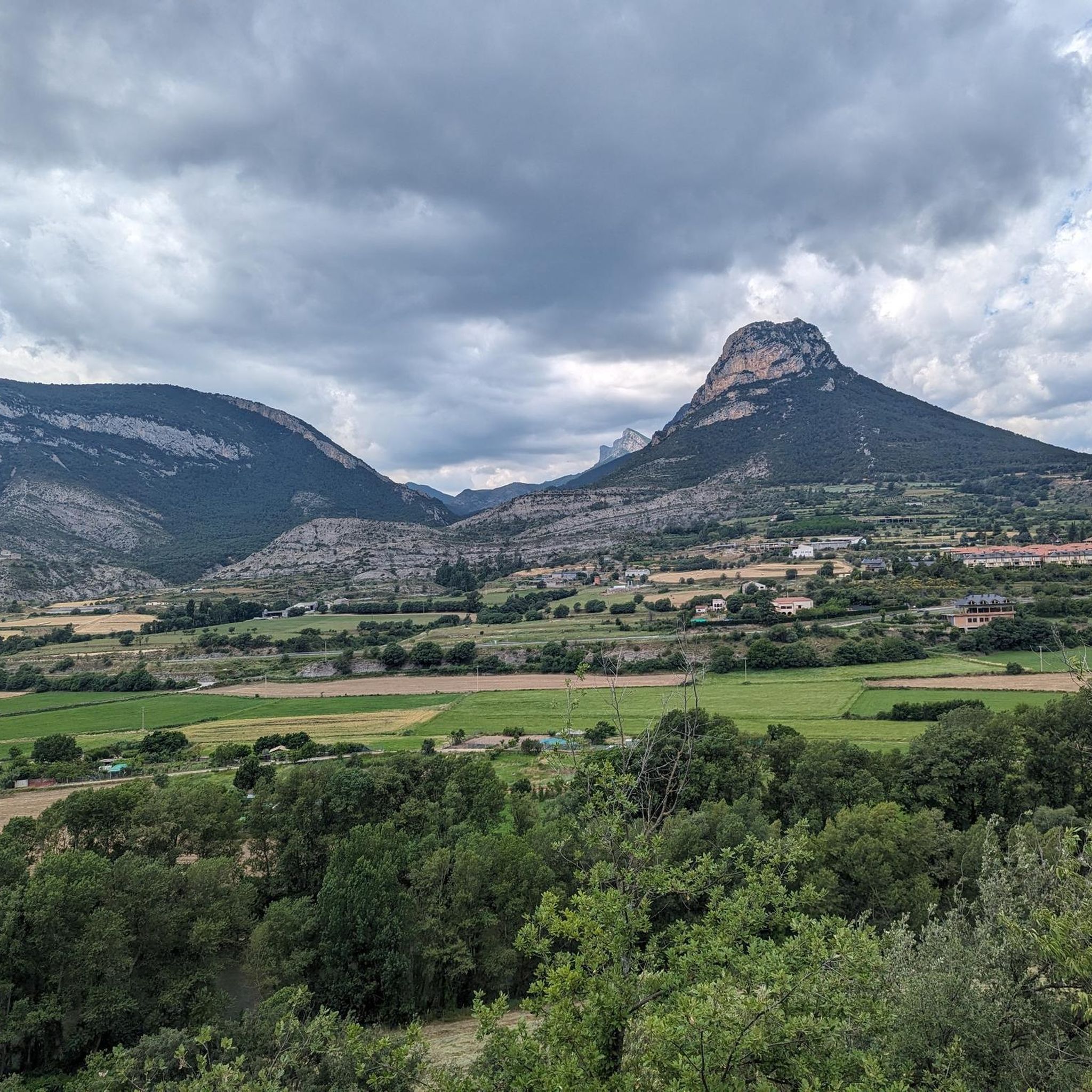
Small town located below the Coll de Comiols and at the foot of the Roc de Benavent, a stone structure that can be reached on foot from the town itself.
0
0

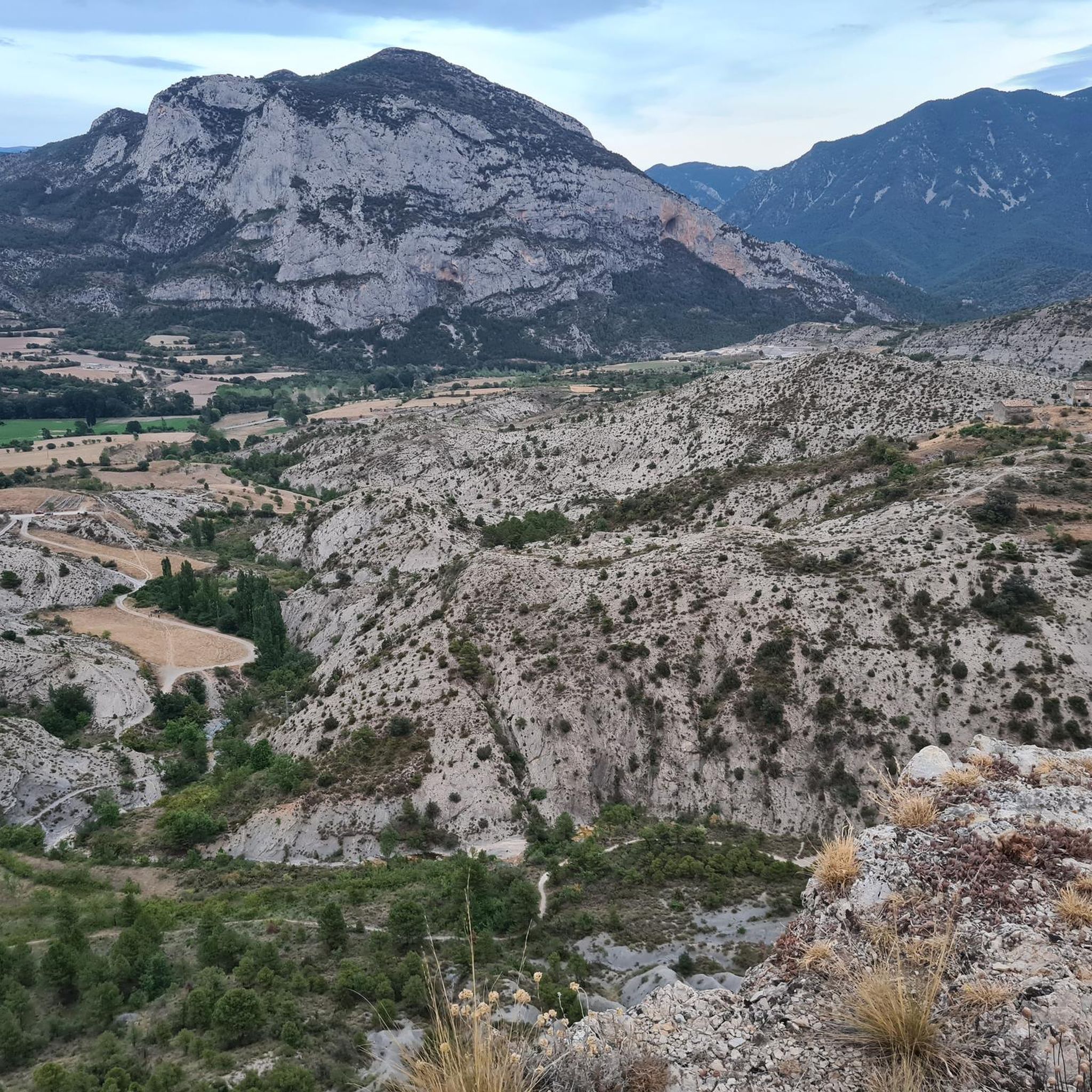
Serra-Seca, a Solsonès classic. You can go up from Valldan or Montpol, Solsona, in this case it is advisable to continue to Cambrils, Odèn, Canalda and go down again to Solsona via Lladurs.
0
0
Frequently Asked Questions
What kind of cycling routes can I expect around Organyà?
Touring cycling around Organyà is characterized by challenging mountain passes, significant elevation changes, and a variety of paved and unpaved road surfaces. The region, nestled in the Catalan pre-Pyrenees, offers demanding yet picturesque routes, often including climbs to passes like Coll de Bóixols and Coll de Serra Seca.
Are there any easy or beginner-friendly touring cycling routes in Organyà?
The touring cycling network around Organyà primarily caters to experienced cyclists. Out of 21 available routes, 19 are rated as difficult, and 2 are moderate. There are no routes specifically categorized as easy, indicating that most rides involve significant physical challenge and elevation.
What are some notable mountain passes or viewpoints I can cycle to?
The region is famous for its mountain passes. You can cycle to Coll de Bóixols, which offers incredible landscapes and views. Another significant highlight is Coll de Serra Seca, known for its spectacular views, though its final leg is particularly tough. The Coll d'Arnat also offers a beautiful, deserted landscape with a fantastic panorama, though gravel tires are recommended for its surface.
Are there any circular touring cycling routes available?
Yes, many of the touring cycling routes around Organyà are designed as loops. For example, the popular Organyà – Coll de Bóixols loop from Organyà and the Coll de Bóixols – Coll de Comiols loop from Coll de Nargó are both circular routes that allow you to start and end in the same location.
What kind of road surfaces should I expect on the touring cycling routes?
You can expect a mix of paved and unpaved roads. While some areas, like the Carretera de Montan de Tost, feature well-maintained paved roads, other routes may include gravel sections. For instance, the route to Coll d'Arnat is noted for its gravel surface, where gravel tires are recommended.
What natural attractions can I visit while cycling in Organyà?
Beyond the stunning mountain passes, you can visit the Waterfalls of Organyà. This is a pleasant spot for a swim in warm water, though it's advisable to bring flip-flops due to rocks.
What do other touring cyclists say about the routes in Organyà?
The touring cycling routes in Organyà are highly regarded by the komoot community, with an average rating of 4.5 stars from over 4 reviews. More than 200 touring cyclists have used komoot to explore the varied and challenging terrain, often praising the rewarding views and the demanding nature of the climbs.
Are there any specific landmarks or points of interest along the routes?
Yes, along some routes, you might encounter interesting landmarks. For example, near the challenging Coll de Serra Seca, there is a notable Cyclist sculpture at Coll de Serra Seca, which serves as a tribute to the cycling culture in the region.
How long do the touring cycling routes typically take to complete?
The duration varies significantly depending on the route's length and elevation gain. For instance, the Organyà – Coll de Bóixols loop from Organyà, which is 36.4 miles (58.6 km) long, typically takes around 4 hours and 12 minutes. Longer routes, like the Coll de Bóixols – Coll de Comiols loop from Coll de Nargó (65.3 miles or 105.1 km), can take about 7 hours and 37 minutes.
Is it possible to combine cycling with other outdoor activities in the area?
Absolutely. Beyond cycling, Organyà and its surroundings offer various outdoor activities. The region provides hiking opportunities, including a moderately difficult hike to Mount Santa Fe. The diverse terrain also makes it suitable for scenic routes for 4x4s and motorcycles, highlighting the area's natural beauty.
What is the best time of year for touring cycling in Organyà?
Organyà, being in the Catalan pre-Pyrenees, experiences significant elevation changes. While specific seasonal recommendations are not provided, the challenging nature of the routes and the presence of mountain passes suggest that spring and autumn might offer more temperate conditions for cycling. Summer can be quite warm, especially at lower elevations, while winter might bring colder temperatures and potential snow at higher passes.
Are there any routes that might require pushing my bike?
Due to the challenging nature and difficulty of some routes, it is noted that certain segments may require pushing bikes. This is particularly true on routes with very steep gradients or rougher unpaved sections, emphasizing the need for good fitness and preparation.
Most popular attractions around Organyà

Get inspired with the komoot mobile app


Explore more
Browse the best Cycling routes in other regions.
