The best road cycling routes around Samir De Los Caños
5.0
(1)
138
riders
12
rides
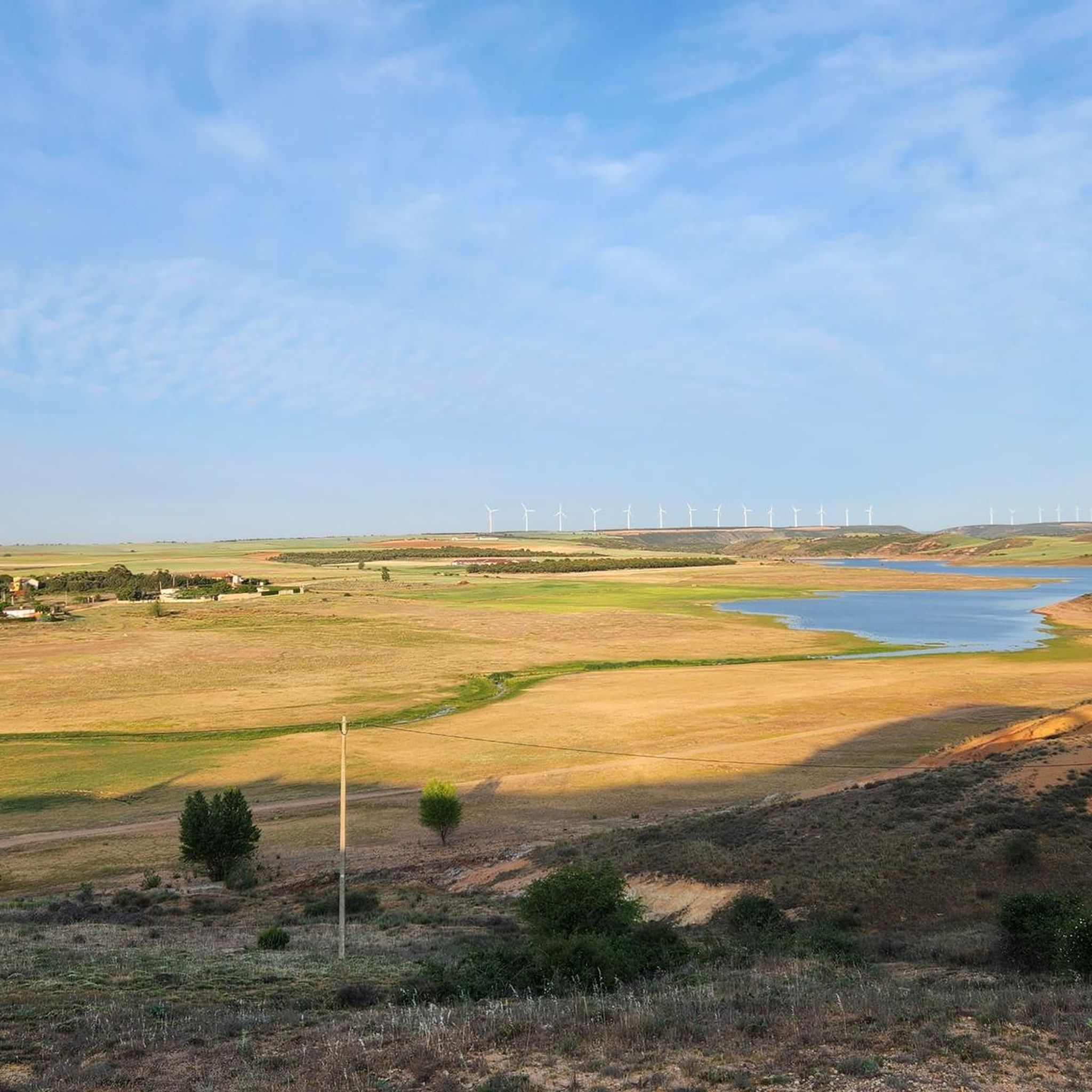
Road cycling around Samir De Los Caños offers routes through varied terrain in the province of Zamora, Spain. The region is characterized by rolling hills, extensive fields, and the dramatic canyons of the Duero River, particularly within the Arribes del Duero Natural Park. Cyclists can expect routes that traverse river valleys and offer views of significant waterways like the Duero and Ricobayo reservoir. The landscape features diverse vegetation, including oaks, holm oaks, and Mediterranean species.
Best road cycling routes around…
Last updated: July 12, 2026
Moderate road ride. Good fitness required. Mostly well-paved surfaces and easy to ride.
41
riders
93.0km
04:12
920m
920m
Hard road ride. Very good fitness required. Mostly well-paved surfaces and easy to ride.

Sign up for free
5.0
(1)
28
riders
97.0km
04:46
1,060m
1,060m
Hard road ride. Very good fitness required. Some segments of this route may be unpaved and difficult to ride.
7
riders
92.0km
04:27
1,250m
1,250m
Hard road ride. Very good fitness required. Some segments of this route may be unpaved and difficult to ride.
5
riders
90.5km
04:09
900m
900m
Moderate road ride. Good fitness required. Mostly well-paved surfaces and easy to ride.
Get access to more routes and recommendations from other explorers.
Sign up for free
Already have an account?
Our route recommendations are based on thousands of hikes, rides, and runs completed by other people on komoot.
Start today with a free account
Your next adventure awaits.
Login or Signup



Tips from the Community

Tábara is a Spanish municipality of about 830-950 inhabitants located in the province of Zamora, within the autonomous community of Castile and León. This small village stands at an altitude of 749 meters and is the capital of the Tierra de Tábara comarca. It represents a center of great historical-cultural importance, as well as being a fundamental stop for pilgrims traveling the Camino Sanabrésl
1
0

Rabanales is known in the Aliste region for preserving a historic center with abundant examples of traditional stone architecture, a hallmark of western Zamora. This architecture is characterized by its robustness, its integration with the landscape, and the use of local materials. The traditional houses and buildings are constructed primarily with local stone, especially granite, which provides solidity and a distinctive rustic aesthetic.
2
0
What to see and do Viewpoints: There are scenic viewpoints along the road and in the surrounding area offering views of the dam and reservoir. Ricobayo Reservoir: Ideal for water sports, fishing, and hiking. Natural surroundings: Very close to the Arribes del Duero Natural Park, with its spectacular landscapes.
2
0
The Ricobayo Dam is located on the Esla River, in the province of Zamora (Castilla y León), and is part of the Iberdrola hydroelectric system. Completed in 1934, it was one of the major hydraulic engineering projects of the 20th century in Spain.
2
0
It spans the Duero River in Zamora (Castilla y León), connecting Avenida de Portugal (Pinilla neighborhood) with Calle de Salamanca in the city. The project began in 1882, with construction starting in 1892, under the direction of engineer Prudencio Guadalajara, to alleviate the overloading of the old Stone Bridge. Inaugurated in 1900, it represented a significant improvement in handling the growing traffic in the city. It was designed in steel, using a metal lattice structure of the St. Andrew's Cross type, typical of the late 19th century.
3
0
Tábara, located in the northwest of the province of Zamora (Castilla y León), is a town with a rich medieval history, a stunning natural setting, and a significant cultural heritage. Origins: These date back to the Bronze Age and Roman period. Middle Ages: It was an important monastic center with the Monastery of San Salvador de Tábara, founded by Saint Froilán in the 9th century at the behest of Alfonso III.
10
0
Zamora Castle is a historic fortification located in the city of Zamora, in Castile and León. Built in the 11th century, the castle has witnessed numerous historical events and has undergone several modifications over the centuries. It has a rhomboidal plan and is surrounded by a deep moat. Its thick walls and the keep, which is the highest and served as the last defensive redoubt, stand out. The castle is a fascinating place to explore history and enjoy panoramic views of the city.
1
0
The Cathedral of San Salvador in Zamora, also known as the Cathedral of the Savior, is a Romanesque jewel and an important historical monument in Spain. The cathedral is an outstanding example of Douro Romanesque, with Byzantine influences, especially in its famous dome. It was built between 1140 and 1174 and is the smallest and oldest of the eleven cathedrals in the autonomous community of Castilla y León. To visit the Cathedral of San Salvador in Zamora and learn more about its history, architecture and the works of art it houses, you can consult its official website or plan a visit to experience its beauty in person. I hope you enjoy discovering this Spanish Romanesque treasure! 🏰✨
9
0
Frequently Asked Questions
How many road cycling routes are available around Samir De Los Caños?
There are over 10 road cycling routes available around Samir De Los Caños, offering a variety of experiences through the region's diverse landscapes. These routes cater to different skill levels, from moderate to difficult.
What is the typical terrain like for road cycling in Samir De Los Caños?
Road cycling in Samir De Los Caños features a mix of rolling hills and river valleys. You'll encounter routes with consistent elevation changes, particularly as you traverse areas near the Duero River and its dramatic canyons within the Arribes del Duero Natural Park. The landscape also includes extensive fields and diverse vegetation.
What landmarks or scenic viewpoints can I expect to see along road cycling routes?
Many routes offer stunning views of the Arribes del Duero Natural Park and the Duero River. You might pass by historical engineering marvels like the Requejo Bridge, offering spectacular river vistas, or the Valdoradas Bridge over the Ricobayo reservoir. Other points of interest include Alba Castle and the traditional architecture of places like Rabanales.
What do other cyclists say about road cycling in Samir De Los Caños?
The road cycling routes around Samir De Los Caños are highly regarded by the komoot community, with an average rating of 5.0 stars from reviewers. Cyclists often praise the varied terrain, scenic river landscapes, and the challenging yet rewarding elevation profiles.
Are there any circular road cycling routes available?
Yes, several circular road cycling routes are available. For example, the moderate route Valle de la ribera del Río Aliste por Sarracín de Aliste y Gallegos del Río — circular desde Rabanales explores the Aliste River valley. For a more challenging option, consider the difficult Puente de los Poetas – Puente de Hierro de Zamora loop from Fonfría.
What are some of the longer or more challenging road cycling routes?
For those seeking a challenge, routes like the difficult Puente de los Poetas – Ricobayo Dam loop from Pino del Oro covers nearly 97 km with significant elevation gain. Another demanding option is the Alba Castle – Tábara loop from Fonfría, which is also classified as difficult.
What is the best time of year for road cycling in Samir De Los Caños?
The spring and autumn months generally offer the most pleasant conditions for road cycling in Samir De Los Caños, with milder temperatures and less extreme weather. Summers can be hot, while winters may bring colder temperatures and occasional rain, though the region is generally suitable for cycling for much of the year.
Are there family-friendly road cycling options in the area?
While many routes in the immediate vicinity of Samir De Los Caños feature rolling hills and moderate to difficult classifications, the broader Zamora province offers varied terrain. For family-friendly options, it's advisable to look for routes specifically designated as easy or with minimal elevation, potentially on quieter, flatter sections of the Camino Portugués de la Vía de la Plata.
What are the road conditions like for cycling in the region?
Roads in the Samir De Los Caños area are generally described as mostly well-paved, especially on main routes. However, as with many rural areas, the quality of road surfaces can vary, with some sections potentially being less ideal. Cyclists should be prepared for varying conditions, particularly on smaller, less-trafficked roads.
Can I find places to eat or stay near the cycling routes?
Samir De Los Caños and its surrounding villages feature traditional architecture and offer local amenities. While specific cafes, pubs, or accommodations directly on every route are not guaranteed, you can typically find options in the main towns and villages along or near the cycling paths, reflecting the region's rich history and hospitality.
Where can I find parking for road cycling routes in Samir De Los Caños?
Parking is generally available in the main villages and towns that serve as starting points for many routes, such as Samir De Los Caños itself or nearby Rabanales and Pino del Oro. Look for designated parking areas within these communities, which often cater to visitors exploring the region.
Is public transport available to access road cycling routes?
Public transport options to access specific road cycling route starting points in a rural area like Samir De Los Caños may be limited. It's recommended to check local bus schedules or consider driving to a suitable starting point with parking, especially if you are bringing your own bike.
Most popular attractions around Samir De Los Caños

Get inspired with the komoot mobile app


Explore more
Browse the best Road cycling routes in other regions.
