The best walks and hikes around Armilla
4.5
(3263)
15,412
hikers
432
hikes
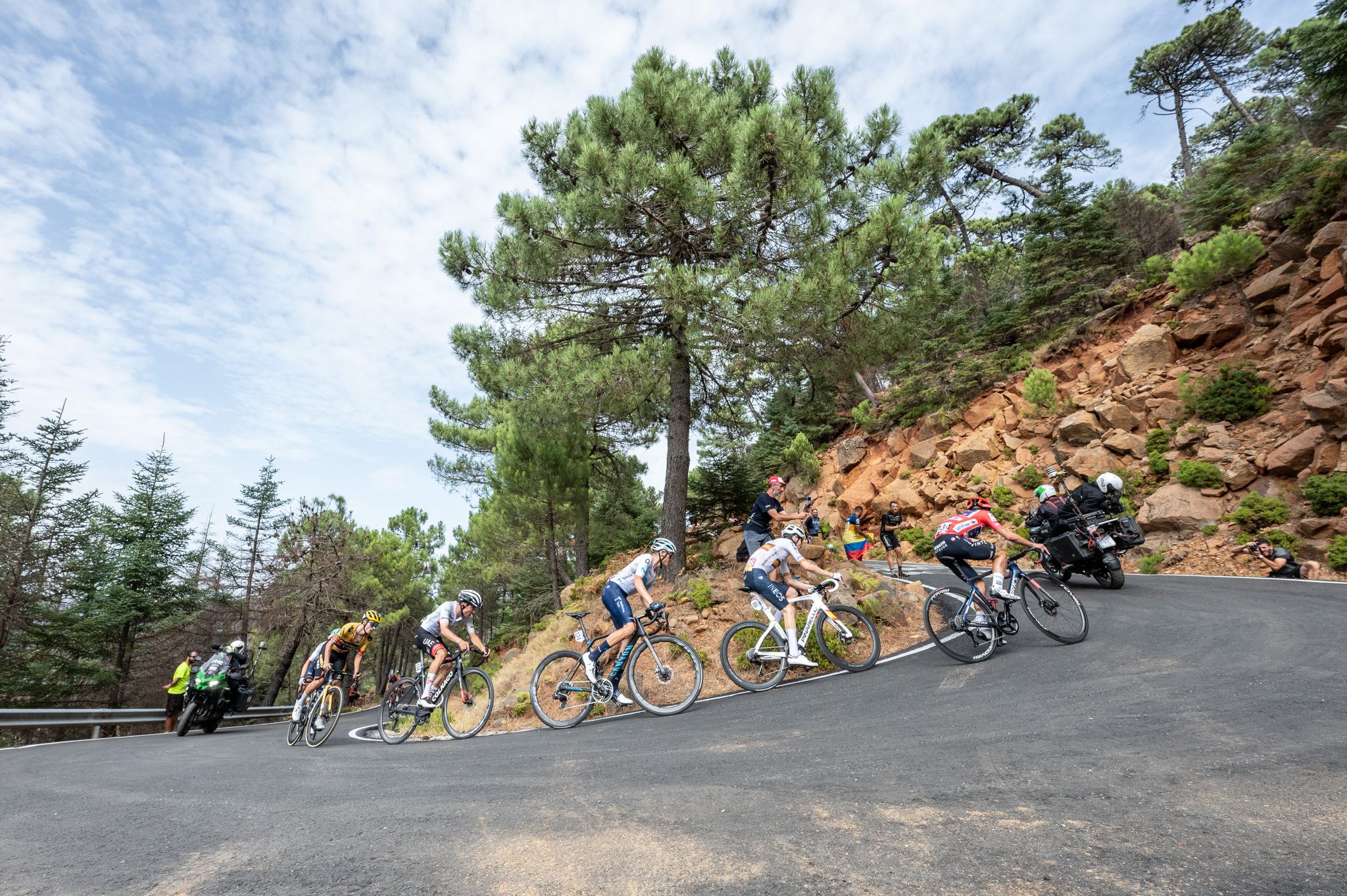
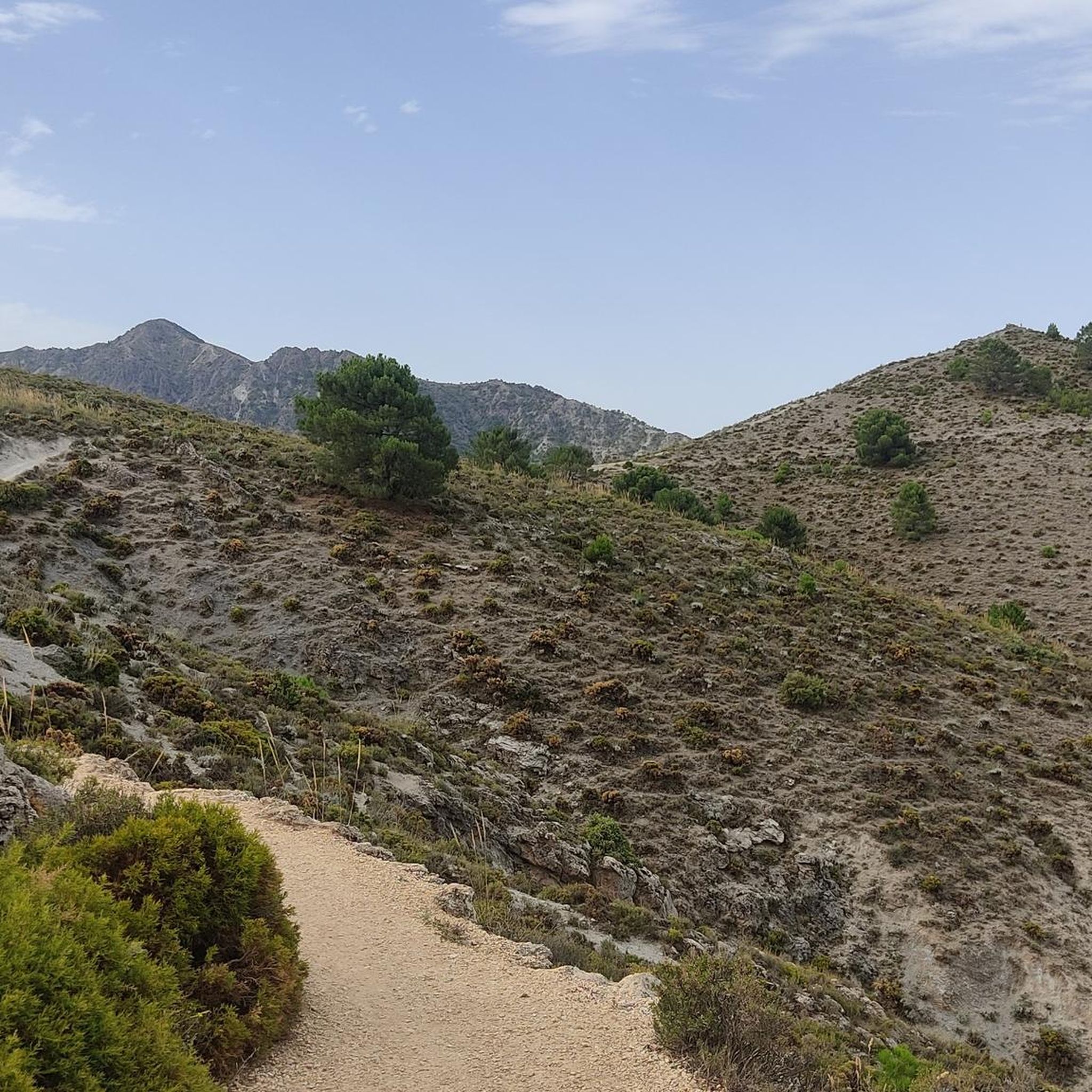
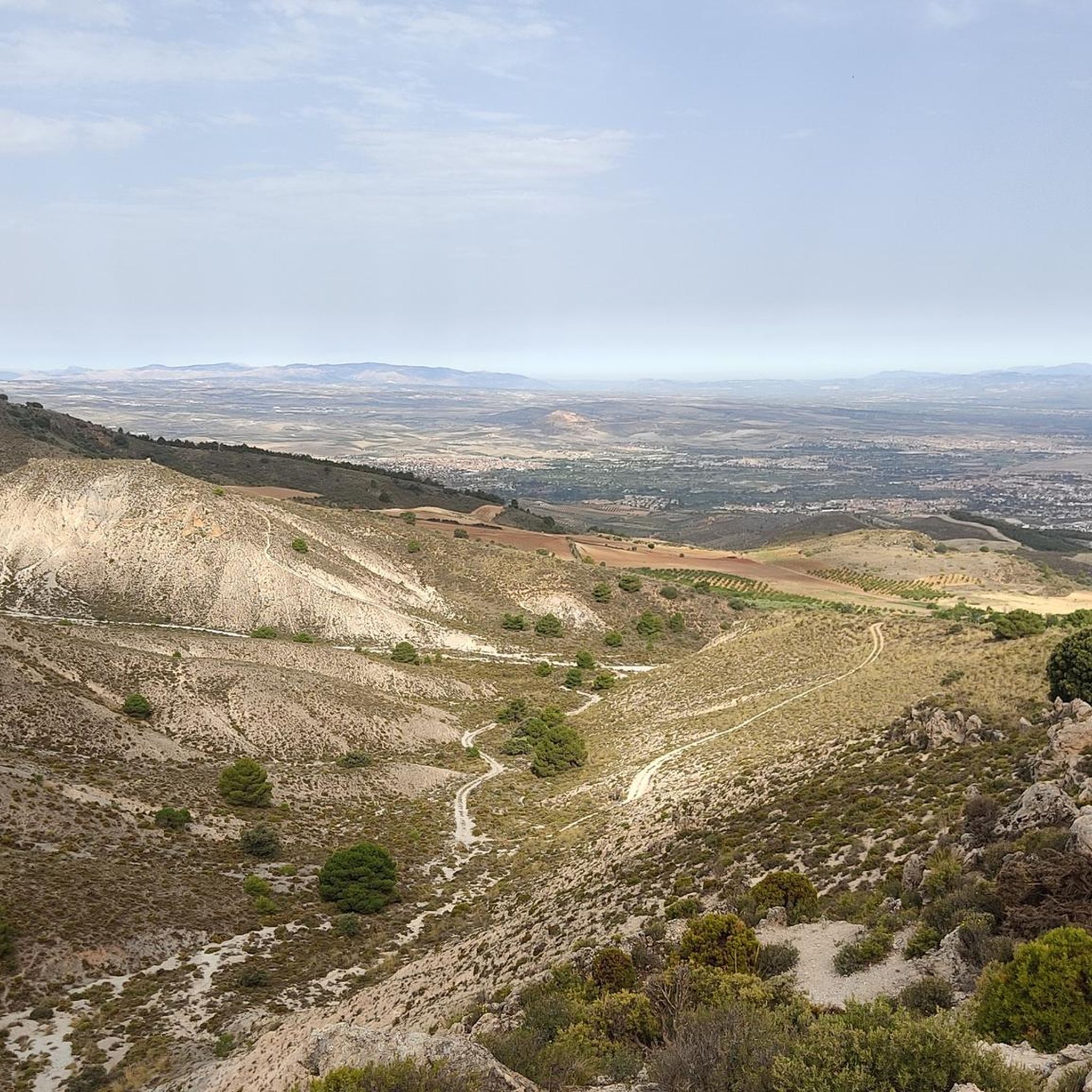
Hiking around Armilla offers access to diverse landscapes, from the high peaks of the Sierra Nevada to dramatic gorges and eroded badlands. The region is characterized by its proximity to the Sierra Nevada mountain range, featuring high-altitude terrain and varied ecosystems. Closer to Armilla, natural features include deep canyons with waterfalls and hanging bridges, as well as striking geological formations and extensive pine forests. The varied topography provides a range of hiking experiences across different elevations and terrains.
Best hiking…
Last updated: June 20, 2026
5.0
(1)
27
hikers
13.6km
03:32
80m
80m
Moderate hike. Good fitness required. Easily-accessible paths. Suitable for all skill levels.
3.5
(2)
25
hikers
15.2km
03:54
70m
70m
Moderate hike. Good fitness required. Easily-accessible paths. Suitable for all skill levels.

Sign up for free
18
hikers
Moderate hike. Good fitness required. Easily-accessible paths. Suitable for all skill levels.
22
hikers
7.07km
01:50
40m
40m
Easy hike. Great for any fitness level. Easily-accessible paths. Suitable for all skill levels.
8
hikers
Moderate hike. Good fitness required. Easily-accessible paths. Suitable for all skill levels.
Get access to more routes and recommendations from other explorers.
Sign up for free
Already have an account?
Our route recommendations are based on thousands of hikes, rides, and runs completed by other people on komoot.
Start today with a free account
Your next adventure awaits.
Login or Signup
Other adventures around Armilla

Tips from the Community

The Royal Chapel is located in the heart of the historic center, next to the Cathedral, on Calle Oficios. It is the mausoleum of the Catholic Monarchs, Isabella I of Castile and Ferdinand II of Aragon, as well as their daughter Joanna I and her husband Philip the Handsome. Infante Miguel de la Paz is also buried here.
12
1
Construction of the Cathedral began in 1523 under an initial Gothic design led by Enrique Egas. In 1528, Diego de Siloé took over and transformed the project into a grand Renaissance masterpiece, making it one of the most important cathedrals of the Spanish Renaissance. Construction continued into the 18th century, and its Baroque façade was designed by Alonso Cano in 1667. It is the first great Renaissance cathedral in Spain and a masterpiece of Spanish art.
12
1

The Royal Chapel of Granada was commissioned by the Catholic Monarchs in the early 16th century and chosen as their personal pantheon. Beneath its vaults rest Isabella and Ferdinand, along with Joanna the Mad and Philip the Handsome. Above are the tombs of Isabella and Ferdinand, carved in Carrara marble. Below, you can descend to the crypt to see their coffins. Tickets can be purchased for entry to the Royal Chapel only or a combined ticket that also includes admission to the cathedral: https://ticketsgranadacristiana.com/?utm_source=chatgpt.com
2
1

The sculpture "El Instante Preciso" (The Precise Moment) rises above the center of the attic of the main façade of Granada's City Hall. The work was commissioned to commemorate the 500th anniversary of the city's founding. The horse rides on three legs resting on three golden spheres, its tail flapping in the wind. A naked, blindfolded rider sits on its rump, holding the reins in its left hand and a fourth golden sphere in its right. The work, made of patinated and polished bronze, is the brainchild of the Tarifa artist Guillermo Pérez Villalta. According to its creator, it represents happiness, a triumphant, perfect, and balanced moment; but also the fleeting moment we only perceive once it is over and the blindfold is removed.
1
0
Constructed predominantly in the Neo-Mudéjar style, the building draws heavily on Granada's Islamic heritage, with intricate patterns, geometric motifs, and arabesque details reminiscent of the splendor of the Alhambra and other Moorish landmarks. This deliberate homage to the city's Islamic past underscores its continuing influence on Granada's identity and aesthetic traditions.
1
0
Granada Cathedral is considered a jewel of the Spanish Renaissance and a must-see in the city. Unique architecture: a fusion of Gothic and Renaissance styles, with contributions from Diego de Siloé and Alonso Cano. Highlights include the Porte del Perdón (Forgiveness Portal), the Main Chapel, and the Plateresque choir stalls.
12
1


The Iglesia de San Antón is a charming Baroque church in Granada, located in the Realejo district. Known for its ornate façade and beautiful interior with paintings and sculptures, the church reflects the city's religious and cultural history. It's a peaceful place to pause and admire the architecture during a stroll through Granada.
1
0
Frequently Asked Questions
How many hiking trails are available around Armilla?
There are over 420 hiking routes around Armilla, offering a wide variety of experiences. These include everything from easy strolls to more challenging mountain ascents in the nearby Sierra Nevada.
Are there easy hiking trails suitable for beginners or families near Armilla?
Yes, Armilla and its surrounding areas offer many easy hiking options. You'll find over 170 easy routes. For a pleasant, shorter walk, consider the Bib-Rambla Square – Roman Bridge loop from Armilla, which is about 6.9 km long and takes around 2 hours to complete. For families looking for a more adventurous but still manageable experience, the Los Cahorros Gorge in Monachil, a short drive from Armilla, features hanging bridges and waterfalls.
Can I find challenging or advanced hikes in the Armilla area?
While Armilla itself is more of a gateway, the nearby Sierra Nevada National Park offers extensive opportunities for advanced hikers. You can find over 35 difficult routes in the broader region. These trails often involve significant elevation gain and cover diverse terrain, including high-altitude paths to peaks like Mulhacén and Veleta.
Are there any circular hiking routes available?
Yes, many routes around Armilla are designed as loops. For example, the Elephant Rock – Armilla Air Base loop from Armilla is a moderate 13.6 km circular trail. Another popular option is the Plaza Nueva, Granada – Carrera del Darro loop from Armilla, which takes you through urban and riverside areas.
What kind of natural features or viewpoints can I expect to see on hikes near Armilla?
The region around Armilla is rich in natural beauty. You can expect mountain vistas, deep river canyons, and eroded landscapes. Highlights include the dramatic Los Cahorros Gorge, Monachil with its famous Hanging Bridge and waterfalls. The Sierra Nevada offers panoramic views from its high peaks, while Sierra Elvira provides stunning vistas of Granada and the surrounding plains.
Are there any dog-friendly hiking options around Armilla?
Many trails in the natural parks surrounding Armilla, particularly in the Sierra Nevada and other rural areas, are generally dog-friendly. It's always advisable to keep dogs on a leash, especially in protected areas or near livestock, and to check specific park regulations before you go. The more urban or riverside routes closer to Armilla are also often suitable for walks with dogs.
What are some interesting places to explore or attractions near the hiking trails?
Beyond the trails, the area offers several cultural and natural attractions. You can explore the historic Sacromonte Abbey and the Sacromonte Caves Museum, which offer insights into local history and culture. In Granada, the magnificent Granada Cathedral and the scenic San Nicolás Viewpoint are popular choices. For a unique natural experience, visit the Narrow Trail in the Monachil River Gorge.
What do other hikers say about the trails around Armilla?
The hiking routes around Armilla are highly rated by the komoot community, with an average score of 4.5 stars from over 3000 reviews. Hikers often praise the diverse terrain, from flat paths around the air base to more challenging ascents in the nearby mountains, and the accessibility to stunning natural landscapes like the Sierra Nevada.
Is public transport available to reach hiking trailheads from Armilla?
Armilla is well-connected to Granada by local bus services, which can then be used to access various trailheads in the wider Granada province. For routes deeper into the Sierra Nevada or other natural parks, you might find regional bus services, but a car often provides more flexibility for reaching specific starting points.
What is the best season for hiking around Armilla?
The best seasons for hiking around Armilla and the broader Granada province are generally spring (April to June) and autumn (September to November). During these times, the weather is mild and pleasant, and the landscapes are vibrant. Summer can be very hot, especially at lower elevations, while winter offers opportunities for snowshoeing or winter hiking in the higher Sierra Nevada peaks, though lower trails remain accessible.
Are there any routes that feature waterfalls or gorges?
Absolutely. The region is known for its dramatic gorges and waterfalls. The most famous is Los Cahorros Gorge in Monachil, which features multiple waterfalls and the thrilling Hanging Bridge. Further afield, the Río Verde Gorge within the Sierra de Tejeda, Almijara y Alhama Natural Park is also renowned for its turquoise pools and cascades.
Most popular attractions around Armilla

Get inspired with the komoot mobile app


Explore more
Browse the best Hikes in other regions.
