Attractions and Places To See around A Baña - Top 20
Best attractions and places to see around A Baña, a municipality in the province of A Coruña, Galicia, offers a blend of historical, cultural, and natural attractions. Situated in the Barcala Valley, the area features a rich heritage and picturesque landscapes. Visitors can explore ancient churches, manor houses, and natural recreational areas. The region provides opportunities for hiking and discovering historical sites.
Best attractions and places to see around A Baña
- The most popular attractions is A Ponte Maceira – Tambre River with waterfall, a bridge that was built in the 14th century and renovated in the 18th century. It spans the Río Tambre with seven arches and is located on the Camino de Fisterra-Muxía.
- Another must-see spot is Camino de Fisterra, a historical trail. This path is well-marked with mile-stones and the shell symbol, leading pilgrims beyond Santiago de Compostela to what was historically considered the end of the world.
- Visitors also love Eucalyptus Forest on the Camino de Fisterra, a forest trail. This route is noted for its scenic beauty, with sunlight creating a distinctive atmosphere within the forest.
- A Baña is known for its historical landmarks, natural features, and diverse trails. The area offers a variety of attractions to see and explore, including ancient bridges, churches, and scenic hiking routes.
- The attractions around A Baña are appreciated by the komoot community, with more than 390 upvotes and over 470 photos shared by visitors.
Last updated: May 25, 2026
A Ponte Maceira – Tambre River with waterfall
Highlight • Bridge
Translated by Google •
Tip by

Eucalyptus Forest on the Camino de Fisterra
Highlight • Forest
Translated by Google •
Tip by

Sign up now to discover places like this
Get recommendations on the best single tracks, peaks, & plenty of other exciting outdoor places.
Sign up for free
Camino de Fisterra
Highlight • Trail
'Buen Camino!'
Tip by

Augapesada Bridge
Highlight • Bridge
Translated by Google •
Tip by
Negreira — Historic Town
Highlight • Settlement
Translated by Google •
Tip by

Sign up for free to discover even more attractions around A Baña.
Sign up for free
Already have an account?
Start today with a free account
Your next adventure awaits.
Login or Signup
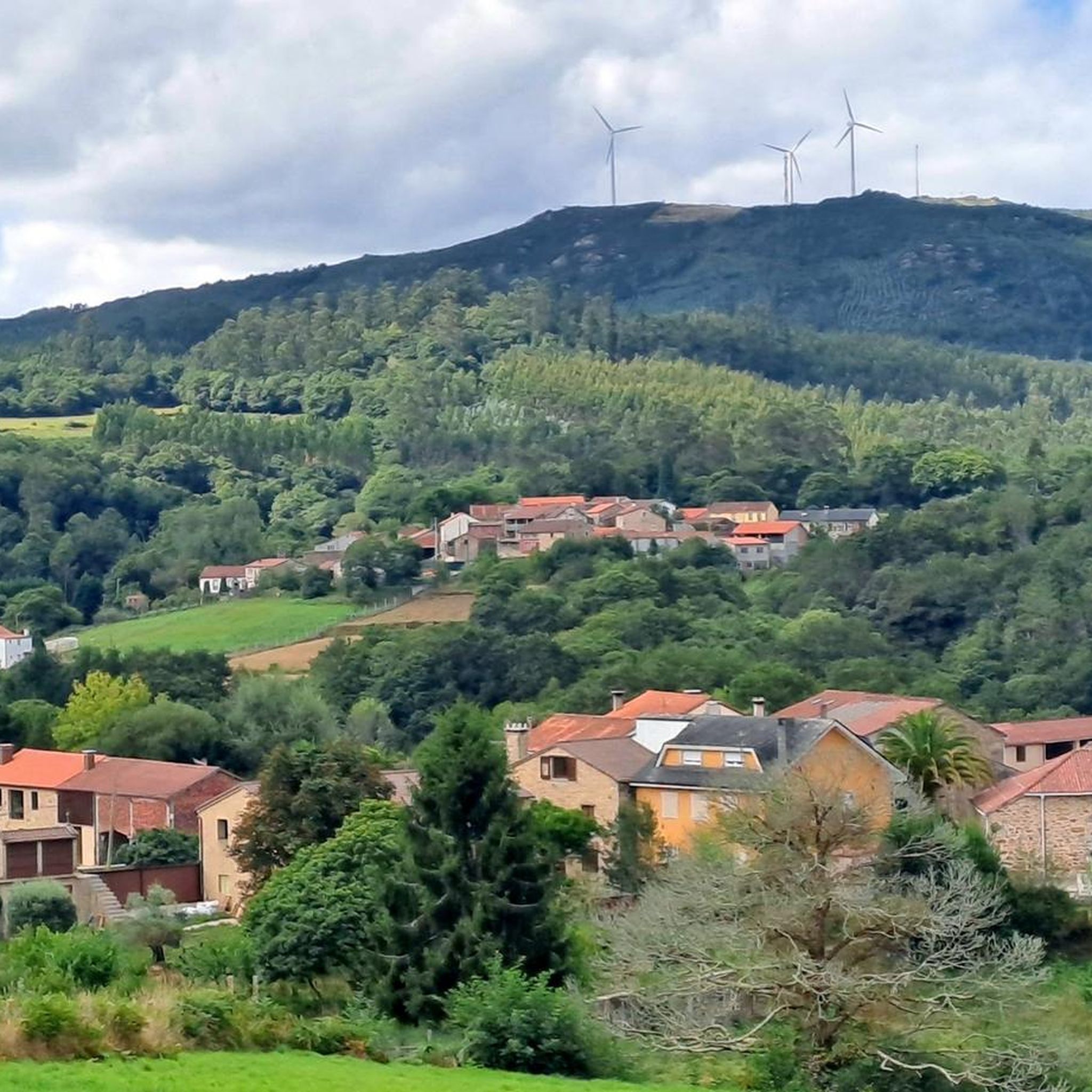
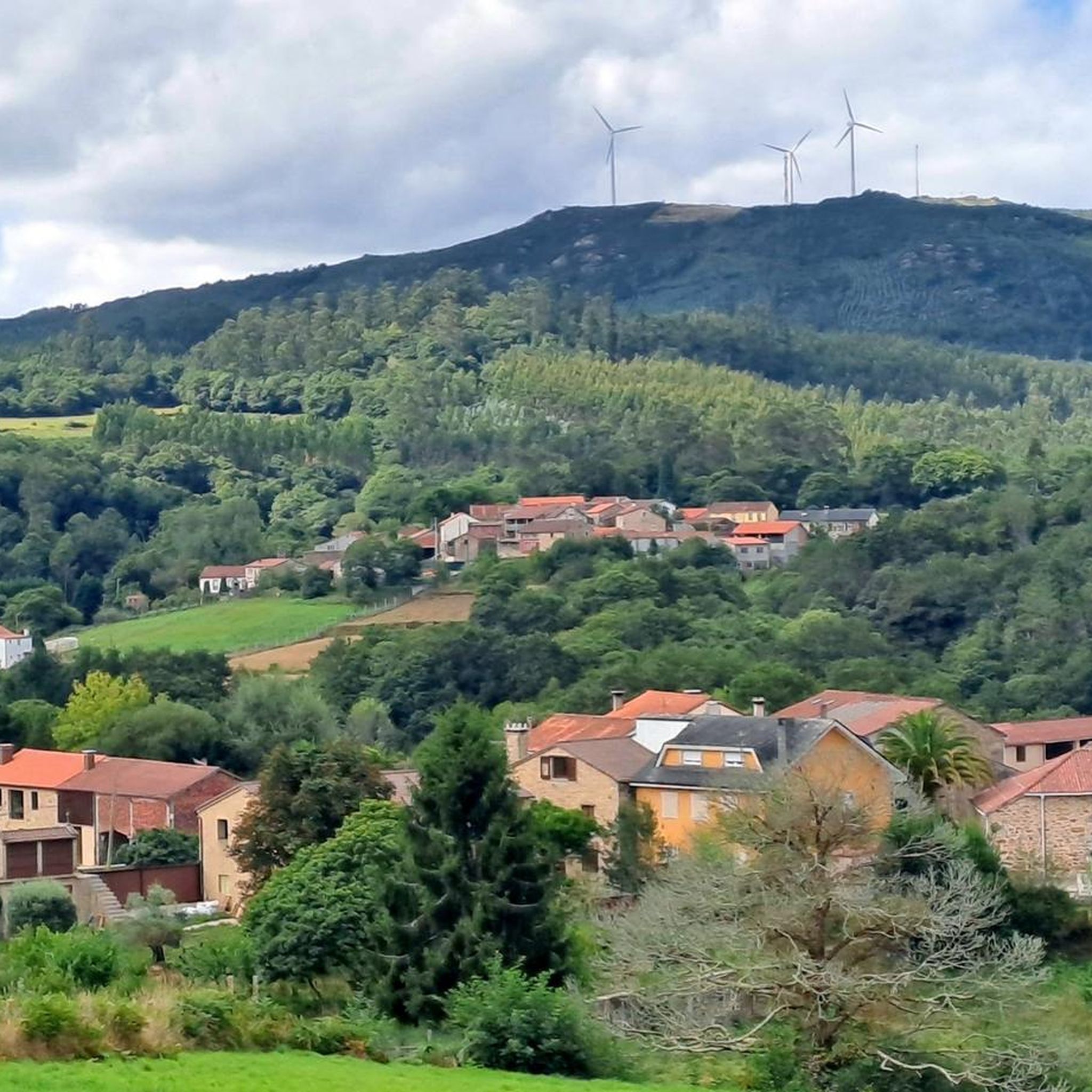
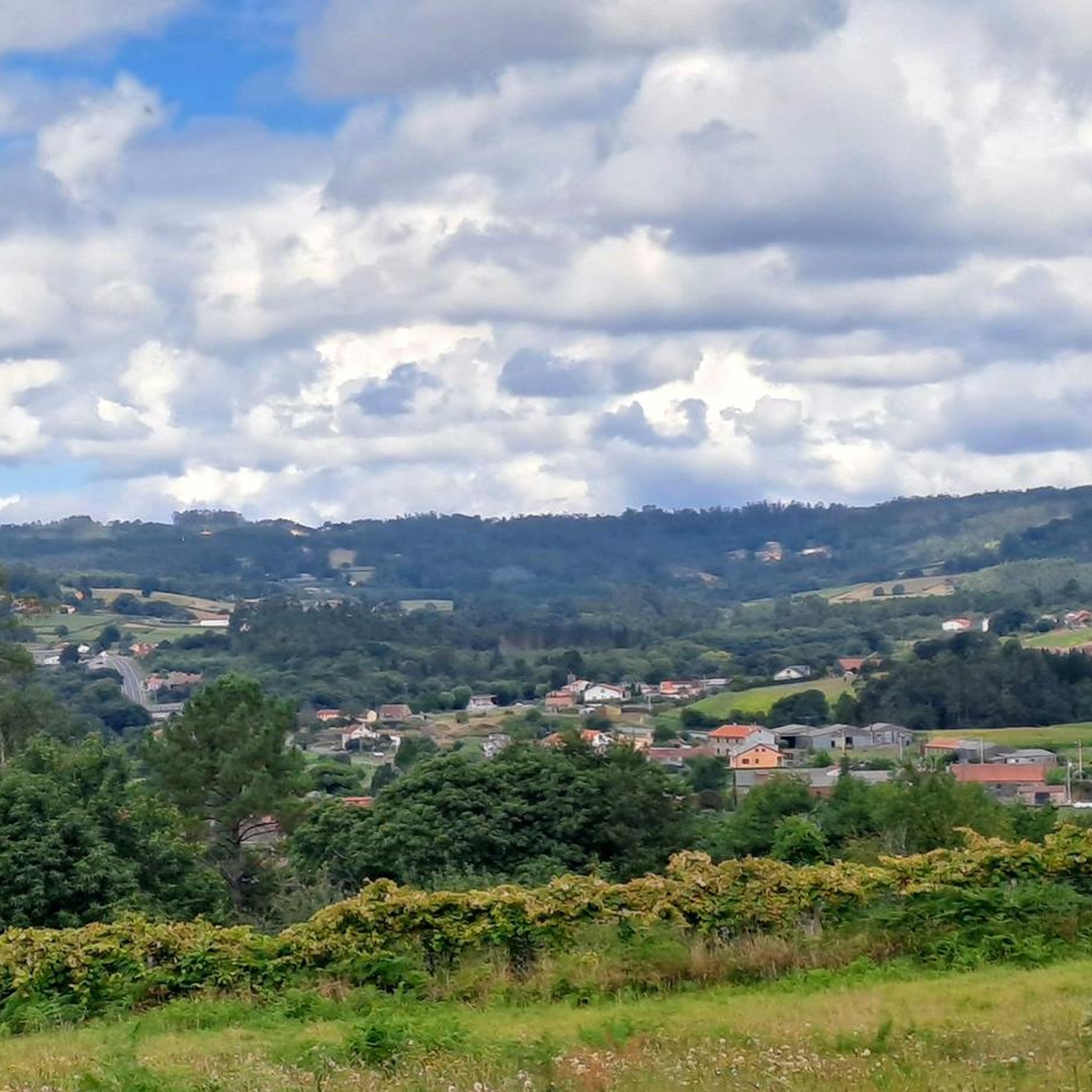
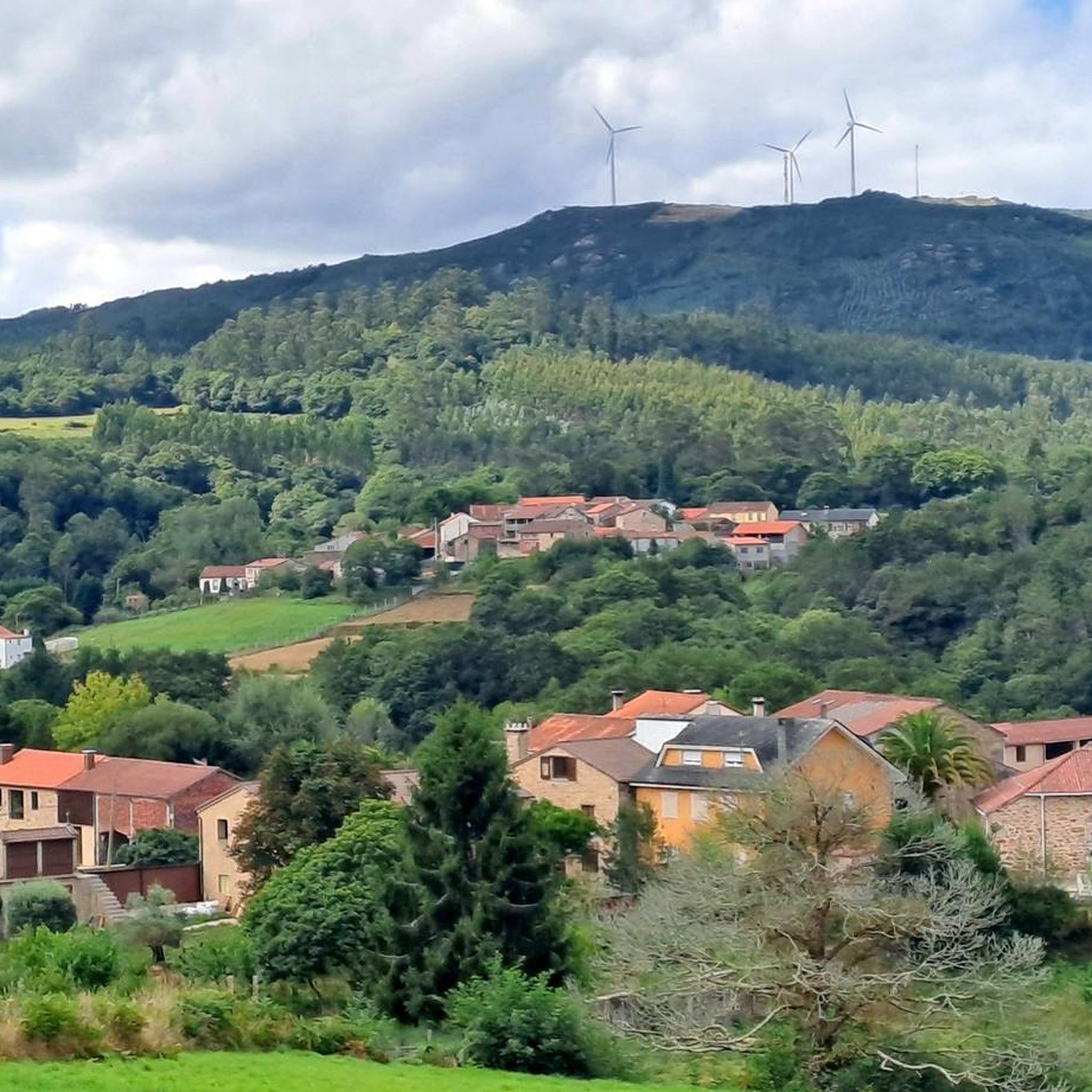
Tips from the Community

Scenically beautiful Negreira is the main town of the municipality of the same name (Concello) in the province of A Coruña, in the autonomous community of Galicia. 🤙
1
0

Fascinating medieval bridge with a nearby watermill that can be visited.
6
0
Nice stretch of road 🤙
1
1

If you have some days left after your arrival in Santiago and your feet feel like there is still a need for walking in them, then there is no way around doing the Camiño Fisterra y Muxia. The Walk leads through a lot of great nature and the Infrastructure is as good as at any other way. The Lighthouse in Finisterre alone, with the Zero Kilometre Stone is worth the almost hundred extra Kilometers, the real finish... The way is never overcrowded and the pilgrims you'll meet are usually a bit different than most of the people you've met on the way to Santiago. Don't miss your End of the World Party at the Faro Fisterra at sundown, some hundreds meters above the ocean! Feel free to also walk to or just visit Muxia, it's also worth it. Getting back to Santiago is no problem at all, several buses are scheduled every day from Finisterre or Muxia. For further information just ask, especially about accomodations.
2
0
The Camiño Fisterra y Muxia was and is certainly not overcrowded, but it is incorrect to say that only a few people walk it. Especially in 2022 (but also since then), i.e. in the "Covid Camino" year, there were a surprising number of Peregrinas & Peregrinos on the way between Santiago and Finisterre and the traditional evening closing celebrations at sunset at the lighthouse were terrific, very international and full of wine; finally feeling free again was the motto. I did two ;). The infrastructure is in no way inferior to the other paths and the nature around it is even more so.
2
0

The eucalyptus forests are very beautiful. After a rain everything smells very fresh.
3
0
Small, dreamy town. Nice bars to hang out in.
3
0
There is a calmness on these paths. There are not many pilgrims here.
2
0
Frequently Asked Questions
What historical landmarks can I explore in A Baña?
A Baña is rich in historical sites. You can visit the medieval A Ponte Maceira – Tambre River with waterfall, a 14th-century bridge renovated in the 18th century. Other notable sites include the 14th-century Ponte de Nantón, the 16th-century Pazo a Casa Vella de los Leis, and various churches like the Iglesia Parroquial de San Vicente de A Baña and Iglesia de Santa María de Troitosende, which features Romanesque remains. The historic town of Negreira — Historic Town is also nearby, offering more historical exploration.
Are there any ancient archaeological sites in A Baña?
Yes, A Baña has several archaeological vestiges. You can find ancient 'castros' (hillforts) in A Baña and Lañas, as well as 'mámoas' (burial mounds) in Ferreiros. There are also petroglyphs in Ferreiros and Carballeira, testifying to the area's long human history.
What natural features and viewpoints can I find in the A Baña area?
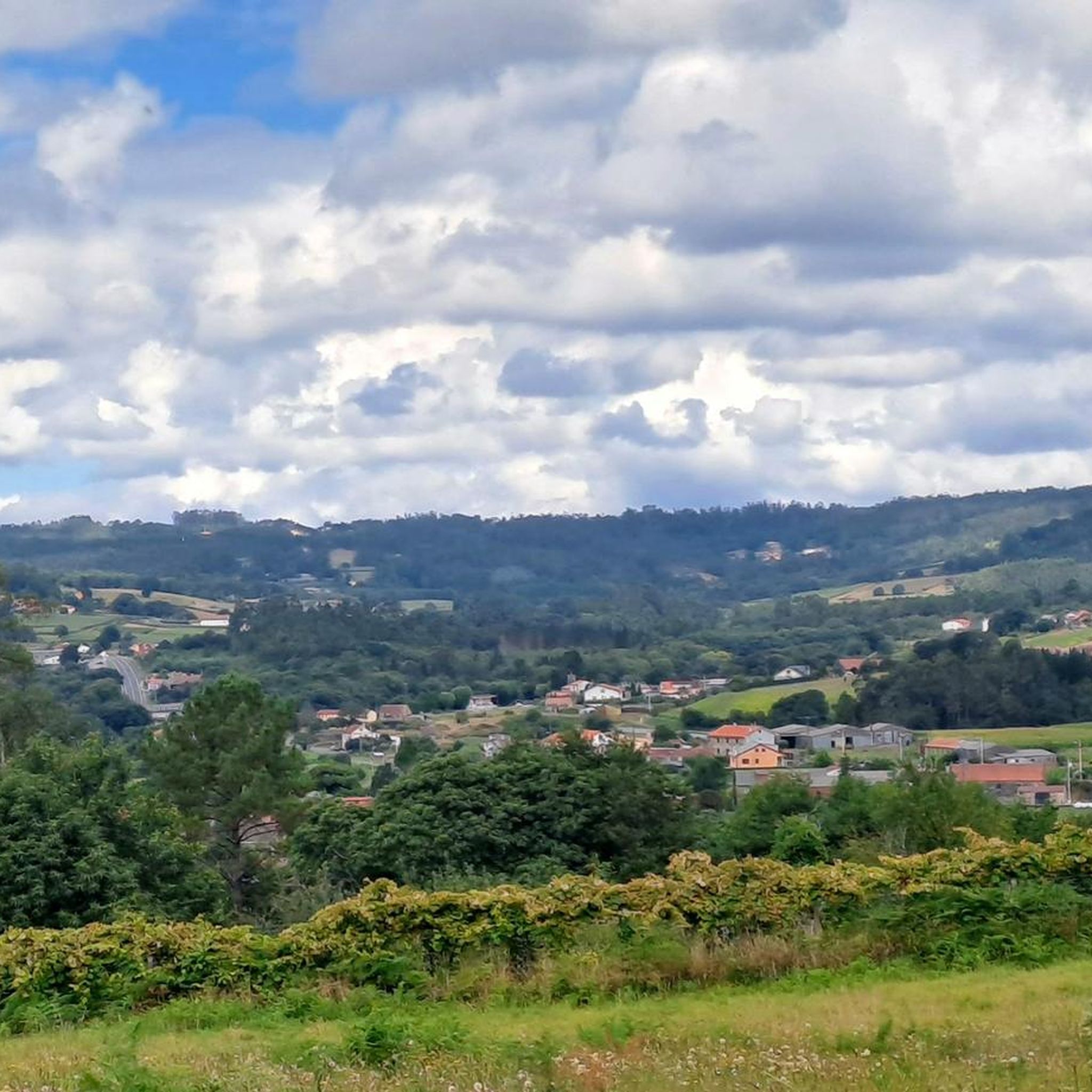
The entire Barcala Valley offers scenic beauty. You can enjoy the picturesque views around the A Ponte Maceira – Tambre River with waterfall. Another unique natural spot is the Eucalyptus Forest on the Camino de Fisterra, known for its distinctive atmosphere created by sunlight filtering through the trees. The Área Recreativa de Chans also provides a pleasant natural setting for outdoor activities.
What kind of hiking trails are available near A Baña?
A Baña offers a variety of hiking experiences. The Camino de Fisterra is a historical trail that passes through the area, well-marked with milestones and the shell symbol. For a more local experience, consider the Ruta dos Muíños da Baña, a 7.5 km circular route along the Faílde River featuring nine old mills. You can find more detailed hiking routes in the Running Trails around A Baña guide, which includes routes like the 'Waterfall on the Rio Barcala loop'.
Are there cycling routes around A Baña?
Yes, A Baña is a great area for cycling. You can explore various routes for both road cycling and gravel biking. For gravel enthusiasts, check out the Gravel biking around A Baña guide, which includes routes like the 'Ponte Maceira Stone Bridge – Ponte Maceira loop'. Road cyclists can find options in the Road Cycling Routes around A Baña guide, with routes such as the 'Negreira – Ponte Maceira Stone Bridge loop'.
What is the Camino de Fisterra and how can I experience it near A Baña?
The Camino de Fisterra is a historical pilgrimage trail that extends beyond Santiago de Compostela to what was once considered the 'end of the world'. Near A Baña, you can walk sections of this path, which is clearly marked with mile-stones and the iconic shell symbol. The Eucalyptus Forest on the Camino de Fisterra is a particularly scenic part of this route.
Are there any family-friendly activities or places to visit in A Baña?
While specific family-focused attractions are not highlighted, the natural recreational areas like Área Recreativa de Chans offer space for outdoor activities. Exploring the historical bridges such as A Ponte Maceira – Tambre River with waterfall and Augapesada Bridge can be an interesting outing for families. The easier sections of the Ruta dos Muíños da Baña could also be suitable for a family walk.
What do visitors enjoy most about the attractions around A Baña?
Visitors particularly appreciate the historical significance and scenic beauty of the area. The A Ponte Maceira – Tambre River with waterfall is often praised for its picturesque setting and historical charm, with many finding it a perfect spot for a short rest. The Camino de Fisterra is valued for its well-marked path and beautiful landscapes, especially the fairytale atmosphere of the Eucalyptus Forest.
What is the best time of year to visit A Baña for outdoor activities?
Galicia generally enjoys pleasant weather for outdoor activities from spring through early autumn. These seasons offer milder temperatures and less rainfall, making them ideal for hiking, cycling, and exploring the historical sites and natural features of A Baña and the Barcala Valley.
Are there any unique cultural buildings or manor houses in A Baña?
Yes, A Baña features several unique cultural buildings and traditional Galician manor houses, known as 'pazos'. The Pazo a Casa Vella de los Leis, dating back to the 16th century, is a prime example of civil architecture. Other notable pazos include Pazo de Cores and Pazo de Barro. The Escuela Unitaria de San Xoán de Barcala is also unique, built with contributions from emigrants in Cuba.
Where can I find cafes or places to eat near the attractions?
While A Baña is a rural area, you can often find small cafes or restaurants in the nearby villages and towns. For instance, there's a great restaurant right by the river near A Ponte Maceira – Tambre River with waterfall, and a nice café a few meters from Augapesada Bridge. The historic town of Negreira — Historic Town also offers various bars and places to eat.

Get inspired with the komoot mobile app


Explore more
Still not found the Highlight you’re looking for? See guides of the top attractions in other regions:
