The 17 Most Amazing Peaks around Marañón
Best mountain peaks around Marañón are defined by the Marañón River, a major headwater of the Amazon, which flows through deep and rugged canyons. The river's basin is associated with the Cordillera Blanca and Cordillera Huayhuash, featuring impressive Andean peaks. This region offers a landscape of high mountains, glaciers, and diverse ecosystems. It provides opportunities for exploring significant natural and geological formations.
Best mountain peaks around Marañón
- The most popular mountain peaks is Sleeping Lion Peak (Lapoblación Castle), a…
Last updated: August 23, 2026
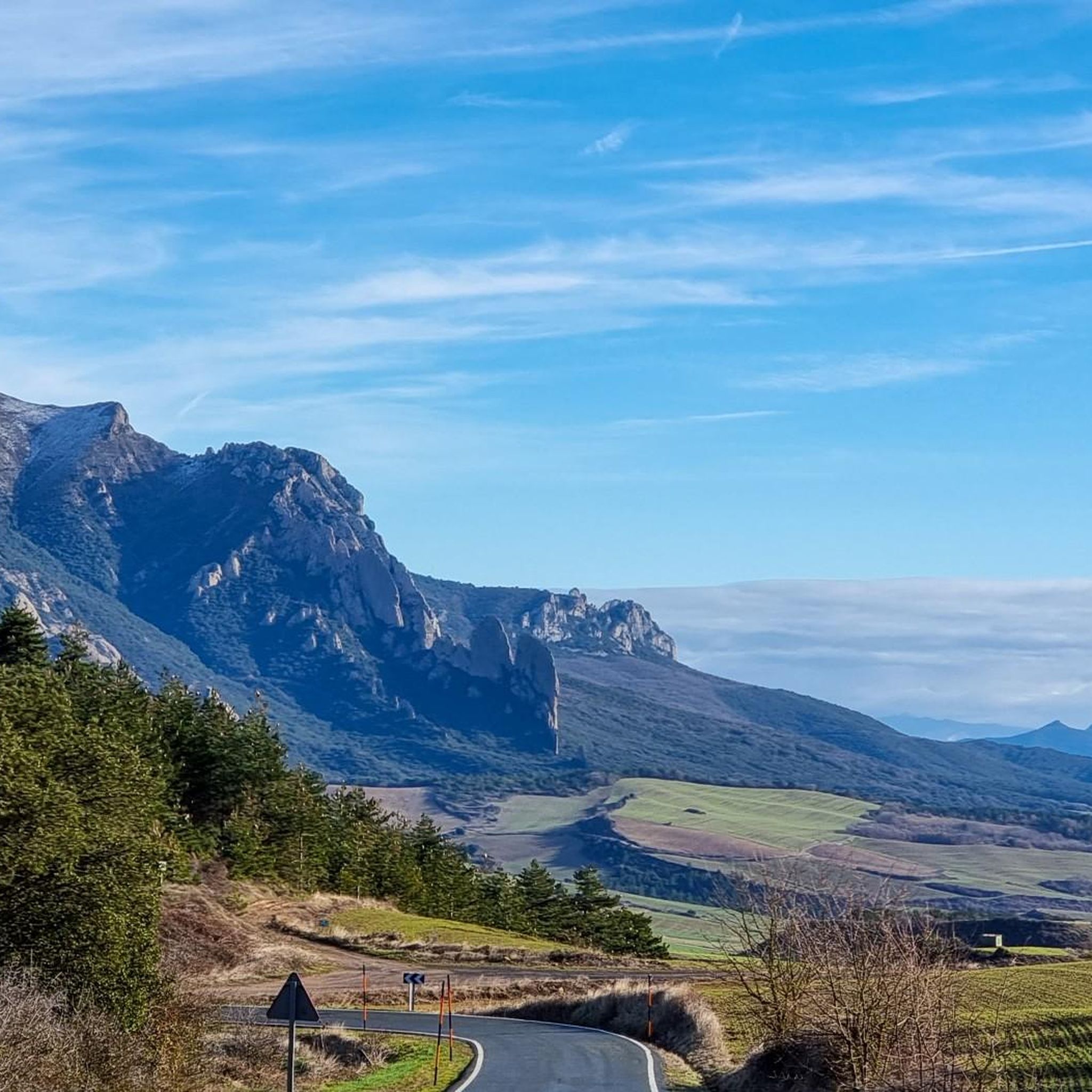
Sleeping Lion Peak (Lapoblación Castle)
Highlight • Summit
Translated by Google •
Tip by

Joar Summit (1,414 m)
Highlight • Summit
Translated by Google •
Tip by
Sign up now to discover places like this
Get recommendations on the best single tracks, peaks, & plenty of other exciting outdoor places.
Sign up for free
Bonete de San Tirso
Highlight • Summit
Translated by Google •
Tip by

Soila
Highlight • Summit
Translated by Google •
Tip by

La Plana Summit (1,338 m)
Highlight • Summit
Translated by Google •
Tip by

Sign up for free to discover even more peaks around Marañón.
Sign up for free
Already have an account?
Start today with a free account
Your next adventure awaits.
Login or Signup

Tips from the Community

In La Llana, you must directly cross the GR-1 Historic Trail and climb the path that seeks the second summit of the mountain range. Before entering the beech forest, it passes close to the edge of the stone bell towers and offers good views of the Ribera de Navarra and the Rioja Baja, in the Ebro valley. The path is deceptive; it seems to seek the ridge of the mountain but maintains a path at altitude on the north face, even making small descents to adjust to the terrain, until it finally climbs to the ridge of the mountain and passes by the sculpture of La Plana (1,338 m). Just as the Joar mailbox has a colorful tree, mountaineers, flowers, animals and other curiosities. The path continues along the plain of the summit to the east, the meadows abound with clumps of eguzkilore, the witch-repelling thistles that are placed at the doors of houses. The trail reaches a milestone at the eastern end of the plateau and changes course to begin the descent south along the ridge of the mountain.
0
0

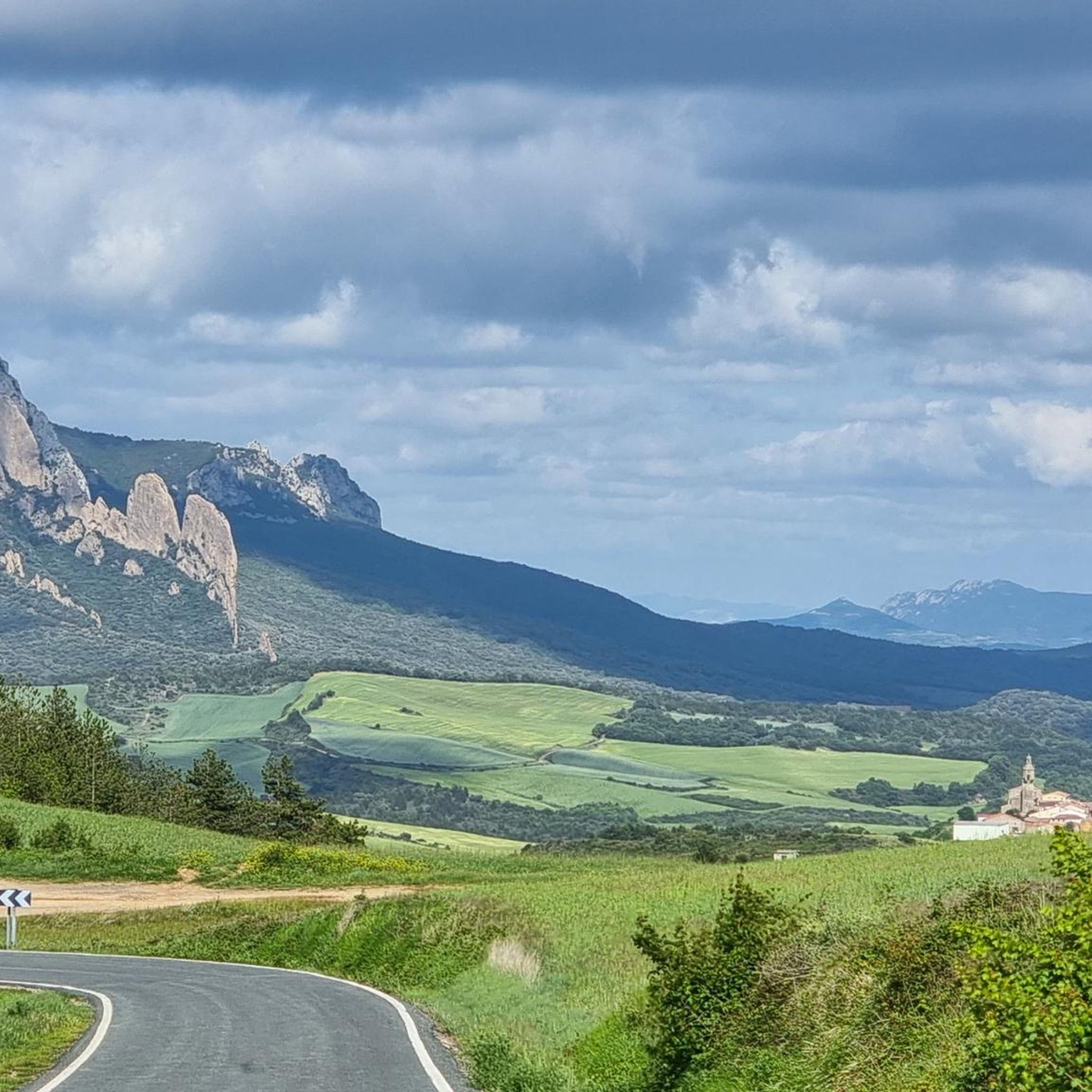
One of the emblematic peaks of the area, a joy of views.
0
0

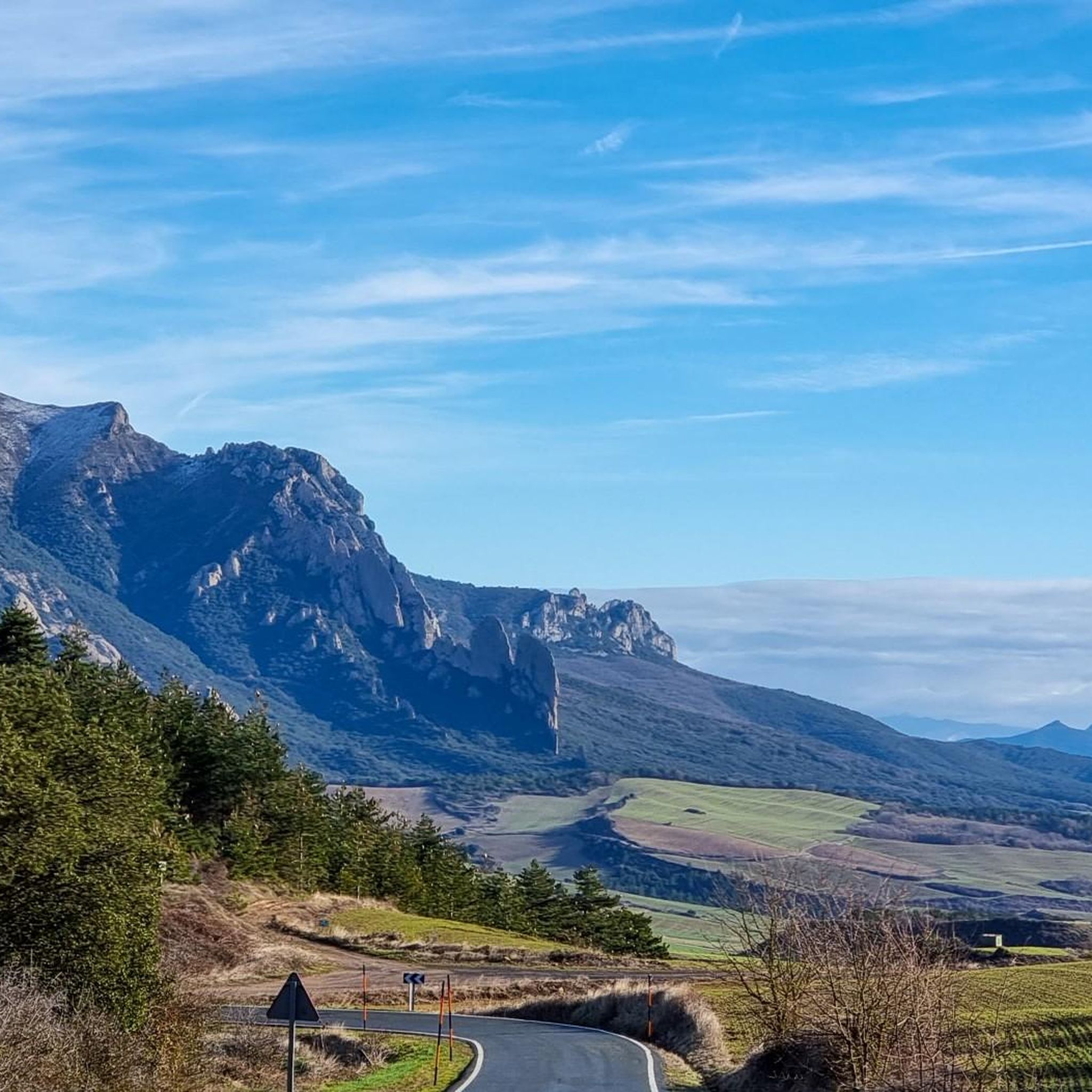
Characteristic summit of the Sierra de Toloña near Mount San Tirso. It is a steep peak that has the shape of a bishop's hat, from which the name comes.
1
0

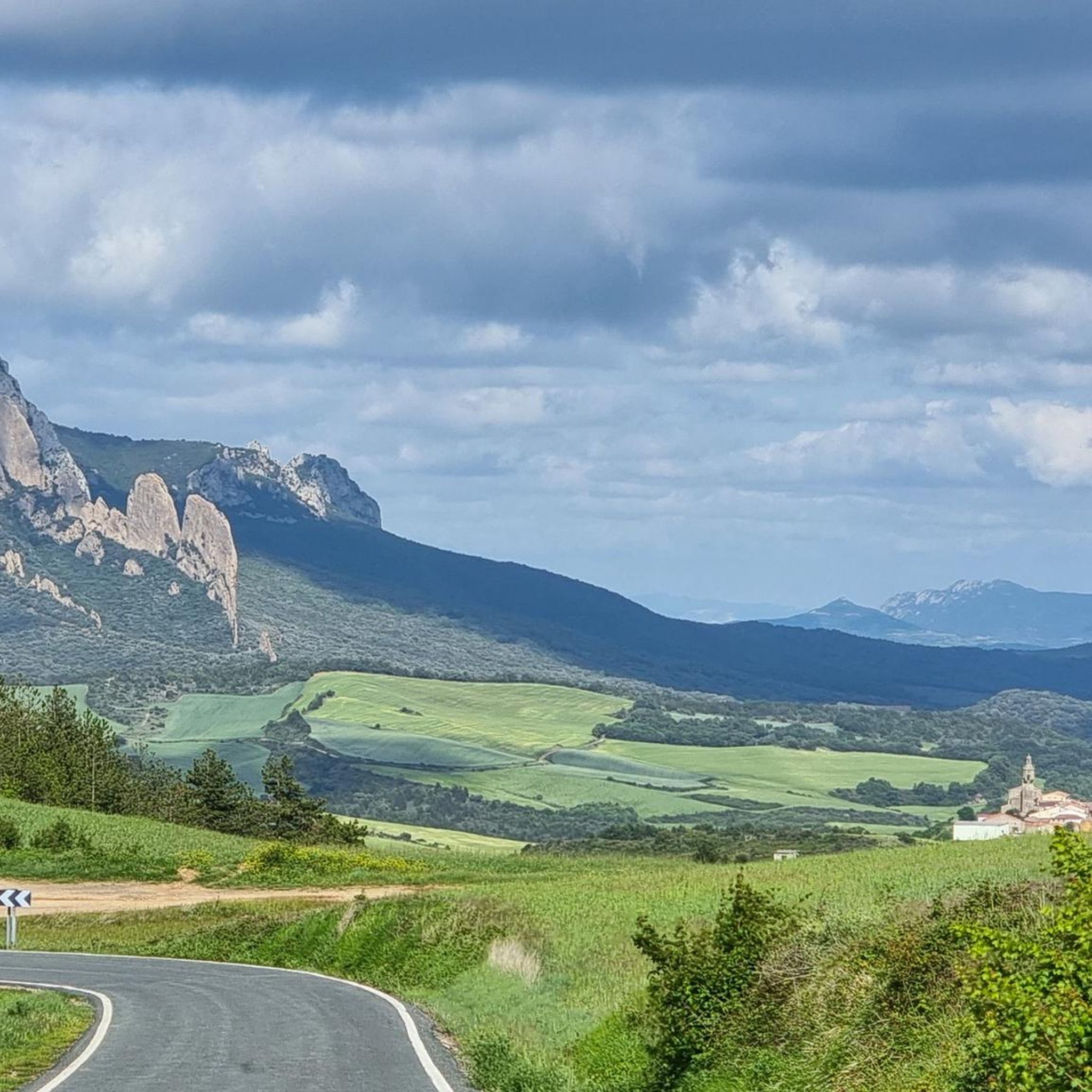
A simply wonderful place with amazing views above 1300 meters above sea level. of altitude. It can be reached by several paths from the town of Lapoblación, go carefully and firmly, the last meters to get here can be somewhat technical.
2
0
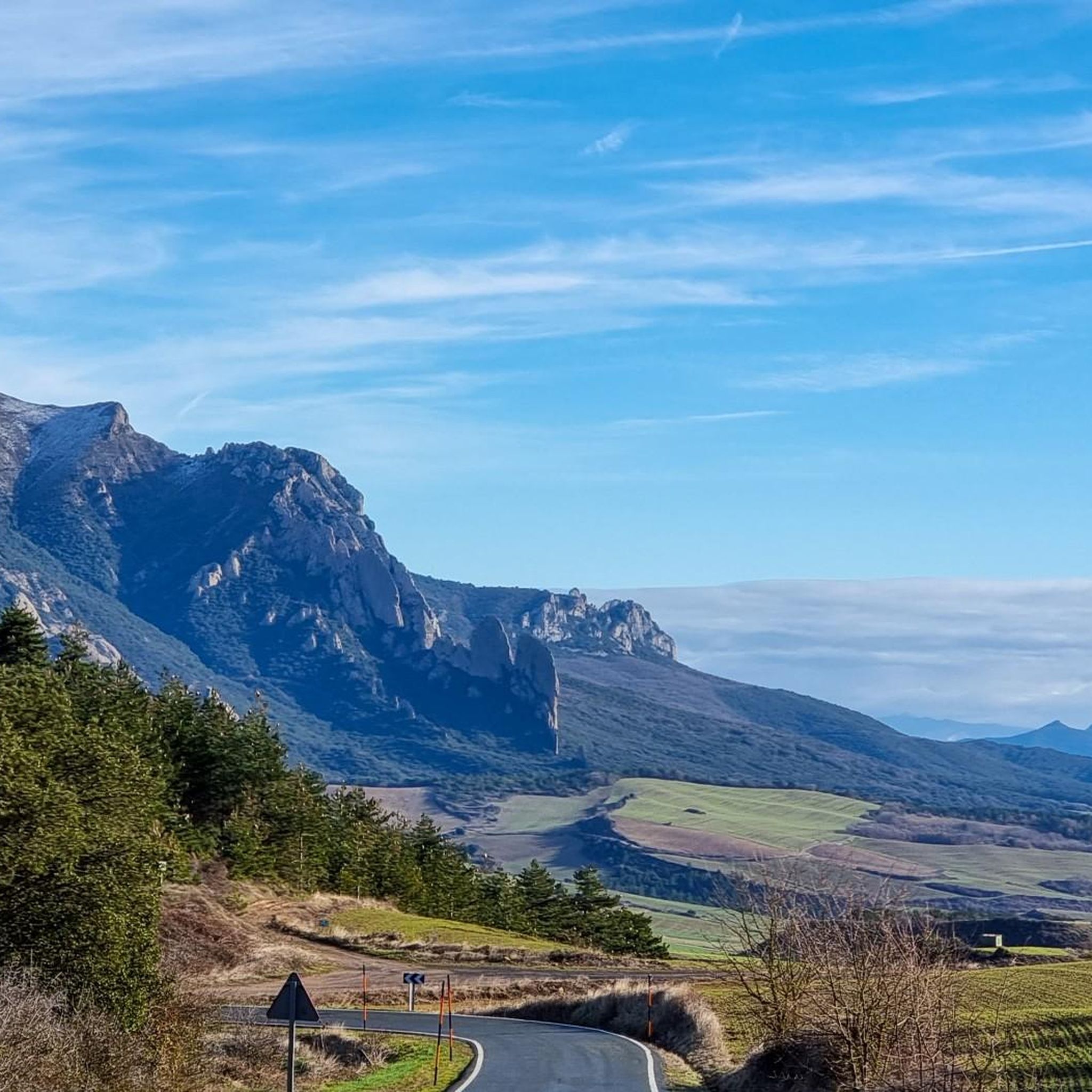
Simply amazing postcards from the top of Joar at more than 1400 meters above sea level. To get here you can take alternative paths of greater or lesser degree of difficulty depending on your preference, in any case the route is very picturesque.
3
0
A simply wonderful place with amazing views above 1300 meters above sea level. of altitude. It can be reached by several paths from the town of Lapoblación, which is worth a visit.
2
0
A vertigo climb and impressive views.
2
1
Frequently Asked Questions
What are the main mountain ranges associated with the Marañón River basin?
The Marañón River basin is primarily associated with two significant Andean cordilleras: the Cordillera Blanca and the Cordillera Huayhuash. These ranges are home to some of Peru's most spectacular and challenging mountain peaks.
Which are some of the most prominent peaks in the Cordillera Huayhuash?
In the Cordillera Huayhuash, you'll find iconic peaks like Yerupajá (6,634 m / 21,768 ft), the second-highest peak in Peru, known for its extreme technical climbing challenges. Another famous peak is Siula Grande (6,344 m / 20,814 ft), renowned for its steep routes and its story in 'Touching the Void'.
What are the key peaks to explore in the Cordillera Blanca?
The Cordillera Blanca features several impressive peaks, including Huascarán (6,768 m / 22,205 ft), the highest mountain in Peru and the world's highest tropical mountain. Also notable is Alpamayo (5,947 m / 19,511 ft), often called the 'most beautiful mountain in the world' for its pyramid shape. Other significant peaks include Huandoy, Chopicalqui, and Artesonraju.
Are there any family-friendly mountain peaks or viewpoints around Marañón?
Yes, for those seeking easier access and great views, Soila offers easy access by track and trail with amazing views of the entire valley. While the high Andean peaks are more challenging, many areas within Huascarán National Park offer accessible viewpoints and activities suitable for families.
What kind of natural features can I expect to see when visiting the mountain peaks around Marañón?
The region boasts a dramatic landscape of high mountains, numerous glaciers, and glacial lakes, especially within Huascarán National Park. You'll also encounter deep and rugged canyons carved by the Marañón River, and diverse ecosystems ranging from dry forests in the river valley to alpine environments at higher elevations.
What are some popular local summits with great views in the Marañón area?
Visitors frequently enjoy summits like Sleeping Lion Peak (Lapoblación Castle), which offers amazing views above 1300 meters. Joar Summit (1,414 m) also provides incredible panoramic views from its top. Another distinctive peak is Bonete de San Tirso, known for its unique bishop's hat shape and scenic viewpoints.
Are there opportunities for challenging climbs in the Marañón region?
Absolutely. The Marañón region is renowned for its challenging climbs, particularly in the Cordillera Huayhuash and Cordillera Blanca. Peaks like Yerupajá and Siula Grande are considered some of the hardest in the Andes, attracting highly experienced mountaineers. Even local summits like Sleeping Lion Peak (Lapoblación Castle) can involve somewhat technical sections towards the top.
What outdoor activities can I do near these mountain peaks besides climbing?
Beyond climbing, the region offers a variety of outdoor activities. You can find numerous routes for road cycling, gravel biking, and general cycling. For example, there are many routes listed in the Road Cycling Routes around Marañón, Gravel biking around Marañón, and Cycling around Marañón guides. Trekking is also very popular, especially the circuits around Cordillera Huayhuash and within Huascarán National Park.
What is the best time to visit the Marañón mountain peaks?
The best time for trekking and mountaineering in the Peruvian Andes, including the Marañón region, is generally during the dry season, which runs from May to September. During these months, the weather is typically more stable with clearer skies, though conditions in the high Andes can change rapidly at any time of year.
What do visitors appreciate most about the mountain peaks around Marañón?
Visitors consistently praise the amazing views and the picturesque routes leading to the summits. Many describe the experience as 'simply wonderful' and highlight the 'joy of views' from emblematic peaks. The diverse options for varying degrees of difficulty also cater to a wide range of outdoor enthusiasts.
Are there any historical or cultural sites near the mountain peaks?
Yes, the region has cultural significance. Huascarán National Park, for instance, is a UNESCO World Heritage site and contains pre-Columbian remnants. Additionally, Sleeping Lion Peak (Lapoblación Castle) is not only a summit but also a historical site, with the nearby town of Lapoblación being worth a visit.
Can I go rafting on the Marañón River?
Yes, the Marañón River itself, carving a deep canyon through the Andes, offers unique experiences such as multi-day rafting trips. These journeys are often referred to as the 'Grand Canyon of South America' and allow visitors to see the Andean peaks from a different perspective, explore side canyons, and encounter diverse wildlife.
Most popular routes around Marañón
Most popular attractions around Marañón

Get inspired with the komoot mobile app


Explore more
See even more amazing summits around Marañón with these guides:
