Reserva Natural de la Laguna de El Hito
Reserva Natural de la Laguna de El Hito
The best road cycling routes around Reserva Natural de la Laguna de El Hito
15
riders
6
rides
Road cycling routes around Reserva Natural de la Laguna de El Hito traverse a landscape characterized by open plains, agricultural fields, and the central Laguna de El Hito. The region, part of Mancha Alta, features gentle undulations and some longer, gradual climbs, particularly on routes extending towards nearby towns and historical sites. Road cyclists can expect a mix of rural roads connecting villages and offering views of the natural reserve.
Best road cycling routes around Reserva Natural de la Laguna…
Last updated: July 2, 2026
3
riders
108km
05:27
1,340m
1,340m
Hard road ride. Very good fitness required. Some segments of this route may be unpaved and difficult to ride.
6
riders
Moderate road ride. Good fitness required. Mostly well-paved surfaces and easy to ride.

Sign up for free
1
riders
104km
04:29
920m
920m
Hard road ride. Very good fitness required. Mostly well-paved surfaces and easy to ride.
3
riders
Moderate road ride. Good fitness required. Some segments of this route may be unpaved and difficult to ride.
1
riders
92.3km
04:11
820m
820m
Moderate road ride. Good fitness required. Some segments of this route may be unpaved and difficult to ride.
Our route recommendations are based on thousands of hikes, rides, and runs completed by other people on komoot.
Start today with a free account
Your next adventure awaits.
Login or Signup
Popular around Reserva Natural de la Laguna de El Hito
Tips from the Community

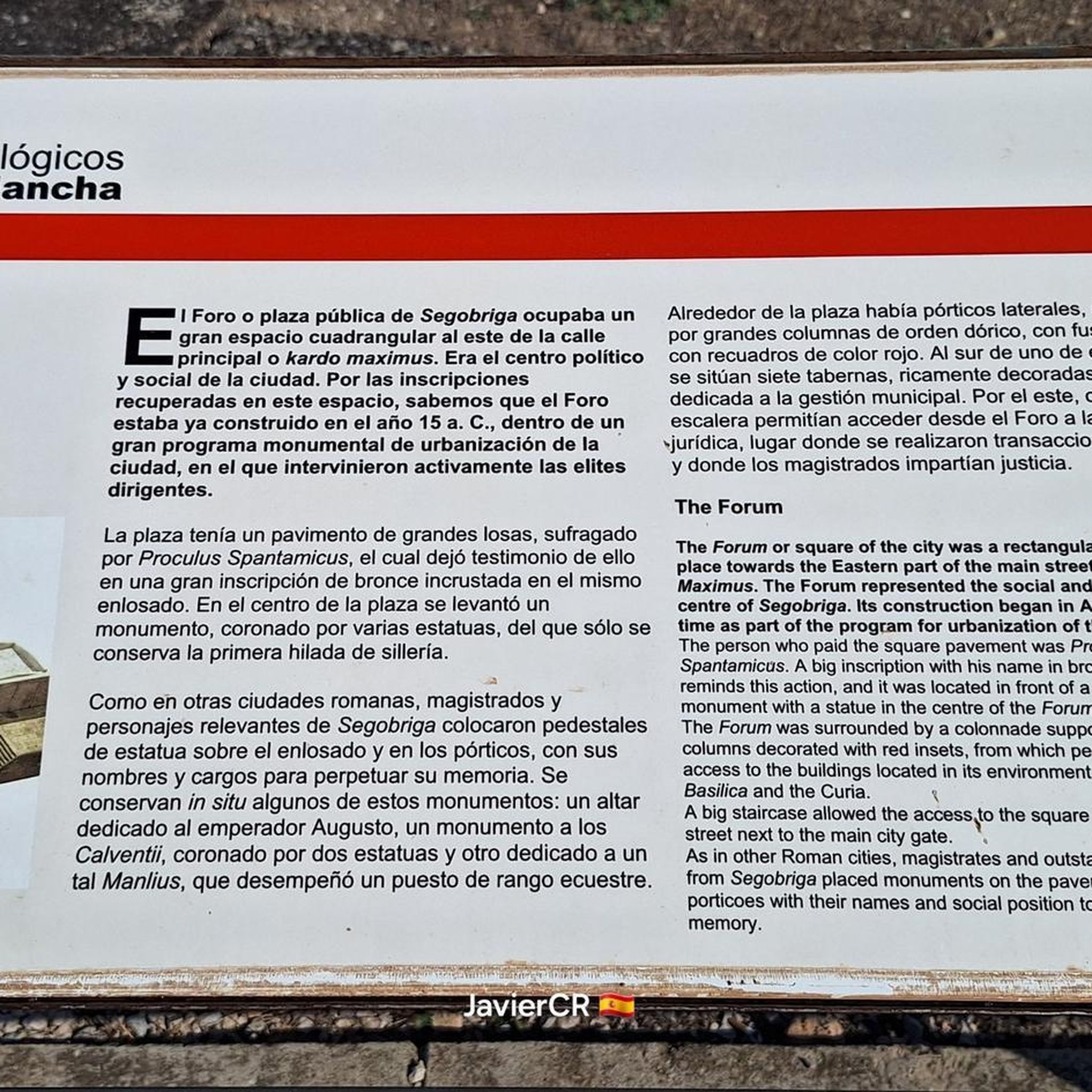
A fascinating place where you can travel back to Roman times and explore an authentic ancient city.
0
0

You have to climb up to the antenna of the hermitage of the Virgin of Mercy, along the road on the side of the hermitage, it is a tough 400 meters but it is worth it.
0
0

The Segóbriga Archaeological Park is a fascinating historical site located in Saelices, in the province of Cuenca, Spain. This park allows visitors to explore the ruins of the ancient Roman city of Segóbriga, which was an important urban center in the region during the 2nd century BC and beyond. Among the most notable archaeological remains are an amphitheater, a theater, thermal baths, aqueducts, homes and other public and private buildings that offer a detailed insight into daily life in Roman times. In addition, the park has an Interpretation Center that provides additional information and historical contexts to enrich the visit. 🌄🚶♀️😎🚴🚵
11
0
Built in the 15th century by order of Don Juan Pacheco, first Marquis of Villena, the castle is a notable example of Gothic-Mudejar architecture. The castle has been restored and turned into a museum, and is now considered a Site of Cultural Interest. In addition to its rich history, the castle is known for events such as the National Medieval Combat Championship, which is held annually.
3
0
The castle was built in 1456 by order of Juan Pacheco, a prominent nobleman during the reign of Henry IV. Its architectural style combines Gothic and Mudejar elements. It has a peculiar triangular plan and a strategic location on the top of a hill. Over the centuries, the castle has witnessed historical events, from visits by the Catholic Monarchs to restorations and cultural events. Today, the castle hosts exhibitions, dramatized tours, medieval combat tournaments and the impressive Trebuchet Park, which displays full-scale siege engines. 😊🏰
4
0

It is a fortification from the Middle Ages in ruins, and very close to the town that gives its name to the old castle: Puebla de Almenara, a town in the province of Cuenca that in 2023 has a census of 331 residents.
4
0

Built in the 15th century by order of the first Marquis of Villena, Don Juan Pacheco, it is located on the San Cristóbal hill. Currently the castle is owned by the Ducal House of Peñaranda y Montijo, which through a management company chaired by the Count of Montalvo, Mr. Javier Fitz-James Stuart de Soto, has carried out a final rehabilitation between 2008 and 2016 with which has become a museum and also hosts various events. In the month of May/June, the Historical Recreation Days are held in the Castle, which allow us to see the life of warriors, artisans, doctors, monks, lords or peasants. National and international medieval combat tournaments are also held, a spectacular contact sport with period weapons and armor.
1
0
Frequently Asked Questions
What is the general terrain like for road cycling around Reserva Natural de la Laguna de El Hito?
The region features open plains and agricultural fields, with gentle undulations. You'll find some longer, gradual climbs, especially on routes extending towards nearby towns and historical sites. The roads are primarily rural, connecting villages and offering views of the natural reserve.
Are there road cycling routes suitable for beginners in Reserva Natural de la Laguna de El Hito?
The routes in this guide are generally categorized as moderate to difficult, with no easy routes listed. Road cyclists should have some experience to comfortably tackle the distances and elevation gains. For example, the Laguna del Hito and Villarejo de Fuentes Loop from Almonacid del Marquesado is a moderate option.
Which road cycling routes offer a more challenging experience?
For a more challenging ride, consider routes like the Tajo-Segura Canal – Views of Zafra de Záncara loop from Repsol, which is a difficult 67.4-mile (108.4 km) trail with significant elevation gain. Another difficult option is the Villarejo de Fuentes to Castillo de Belmonte Loop, covering 64.4 miles (103.7 km).
Are there circular road cycling routes around Laguna de El Hito?
Yes, several routes offer a circular experience. The Laguna del Hito and Villarejo de Fuentes Loop from Almonacid del Marquesado is a popular moderate option that circles the Laguna del Hito. Another is the El Hito Lagoon – Segóbriga loop from Palomares del Campo, which also incorporates the lagoon.
What is the best time of year for road biking in Reserva Natural de la Laguna de El Hito?
Spring and autumn generally offer the most pleasant conditions for road cycling in this region, with milder temperatures. Summers can be very hot, especially in the open plains, while winters can be chilly. Always check the local weather forecast before heading out.
What kind of views and scenery can I expect on these road cycling routes?
You can expect extensive views of the open plains, agricultural fields, and the central Laguna de El Hito itself. Routes often connect rural villages and may pass by historical landmarks, such as the Villarejo de Fuentes to Castillo de Belmonte Loop which leads past Castillo de Belmonte.
Are there opportunities for wildlife spotting while road cycling near El Hito?
As a natural reserve, Laguna de El Hito is known for its birdlife, particularly migratory waterfowl. While road cycling, you might catch glimpses of various bird species, especially around the lagoon itself. Keep an eye out for birds of prey soaring overhead in the open landscapes.
How long do the road cycling routes typically take to complete?
Route durations vary significantly based on distance and difficulty. For instance, the moderate Laguna del Hito and Villarejo de Fuentes Loop takes approximately 3 hours 9 minutes, while the difficult Tajo-Segura Canal – Views of Zafra de Záncara loop can take around 5 hours 26 minutes.
What do other road cyclists enjoy about the routes in Reserva Natural de la Laguna de El Hito?
Road cyclists using komoot often appreciate the quiet rural roads, the expansive views across the plains, and the opportunity to cycle around the unique Laguna de El Hito. The routes offer a good mix of distances and challenges for experienced riders.
Are there any cafes or places to stop for refreshments along the road cycling routes?
The routes often pass through small rural villages where you may find local bars or cafes. It's advisable to carry sufficient water and snacks, especially on longer stretches between villages, as amenities can be sparse in the more remote areas of the plains.
Is there parking available for road cyclists near the starting points of these routes?
Many of the routes start from or pass through villages like Almonacid del Marquesado, Villarejo de Fuentes, or Palomares del Campo. These villages typically have public parking areas, often near the main squares or local facilities, suitable for leaving a vehicle while you cycle.
What are the typical weather conditions for cycling in the region?
The region experiences a continental Mediterranean climate. Summers are hot and dry, often with clear skies. Winters are cooler, and while snow is rare, temperatures can drop significantly. Spring and autumn offer mild, pleasant weather, though winds can sometimes be a factor across the open plains.
Most popular routes around Reserva Natural de la Laguna de El Hito

Get inspired with the komoot mobile app


Explore more
Browse the best Road cycling routes in other regions.
