The best cycling routes around La Villa De Don Fadrique
5.0
(2)
38
riders
20
rides
Touring cycling routes around La Villa De Don Fadrique traverse a distinctive Manchego environment, characterized by flat plains, wetlands, and river systems. The region is situated between the Gigüela and Riánsares rivers, contributing to its diverse ecosystems and generally low elevation changes. This landscape offers extensive opportunities for touring cyclists to explore natural trails and historical routes.
Best touring cycling routes around La Villa De Don Fadrique
- The most popular touring cycling route is La Mancha Wetlands Loop, a…
Last updated: June 27, 2026
1
riders
61.4km
04:59
130m
130m
Cycle the difficult 38.1-mile La Mancha Wetlands Loop, gaining 442 feet in elevation through a unique wetland landscape.
1
riders
43.5km
03:28
90m
90m
Cycle the moderate 27.0-mile Vía Verde del Trenillo Loop through wetlands, vineyards, and olive groves in the Toledo plain.

Sign up for free
5.0
(1)
4
riders
21.7km
01:44
60m
60m
Easy bike ride. Great for any fitness level. Mostly paved surfaces. Suitable for all skill levels.
5.0
(1)
4
riders
33.3km
02:44
180m
180m
Moderate bike ride. Good fitness required. Mostly paved surfaces. Suitable for all skill levels.
5
riders
Hard bike ride. Very good fitness required. Mostly paved surfaces. Suitable for all skill levels.
Get access to more routes and recommendations from other explorers.
Sign up for free
Already have an account?
Our route recommendations are based on thousands of hikes, rides, and runs completed by other people on komoot.
Start today with a free account
Your next adventure awaits.
Login or Signup
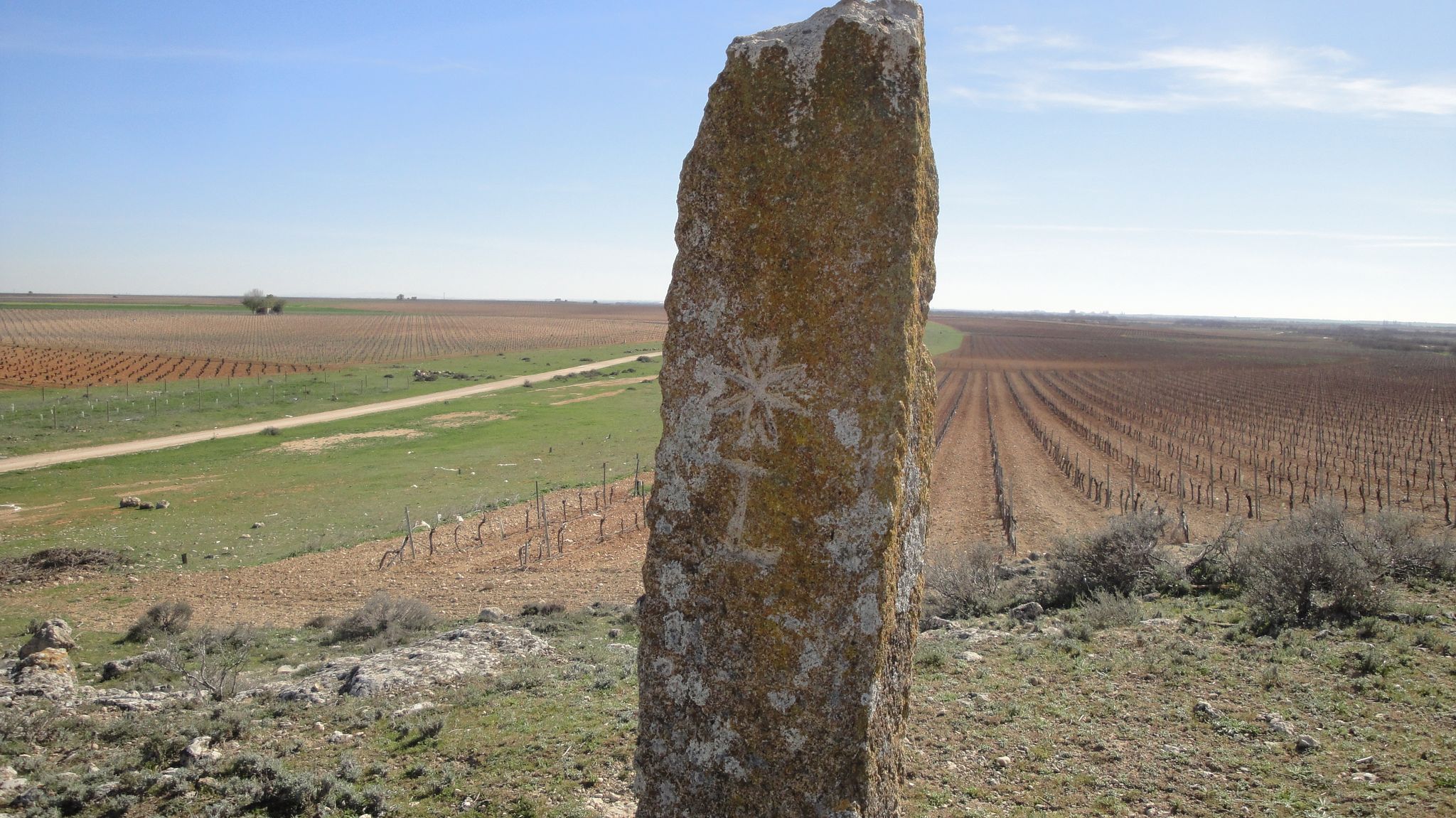
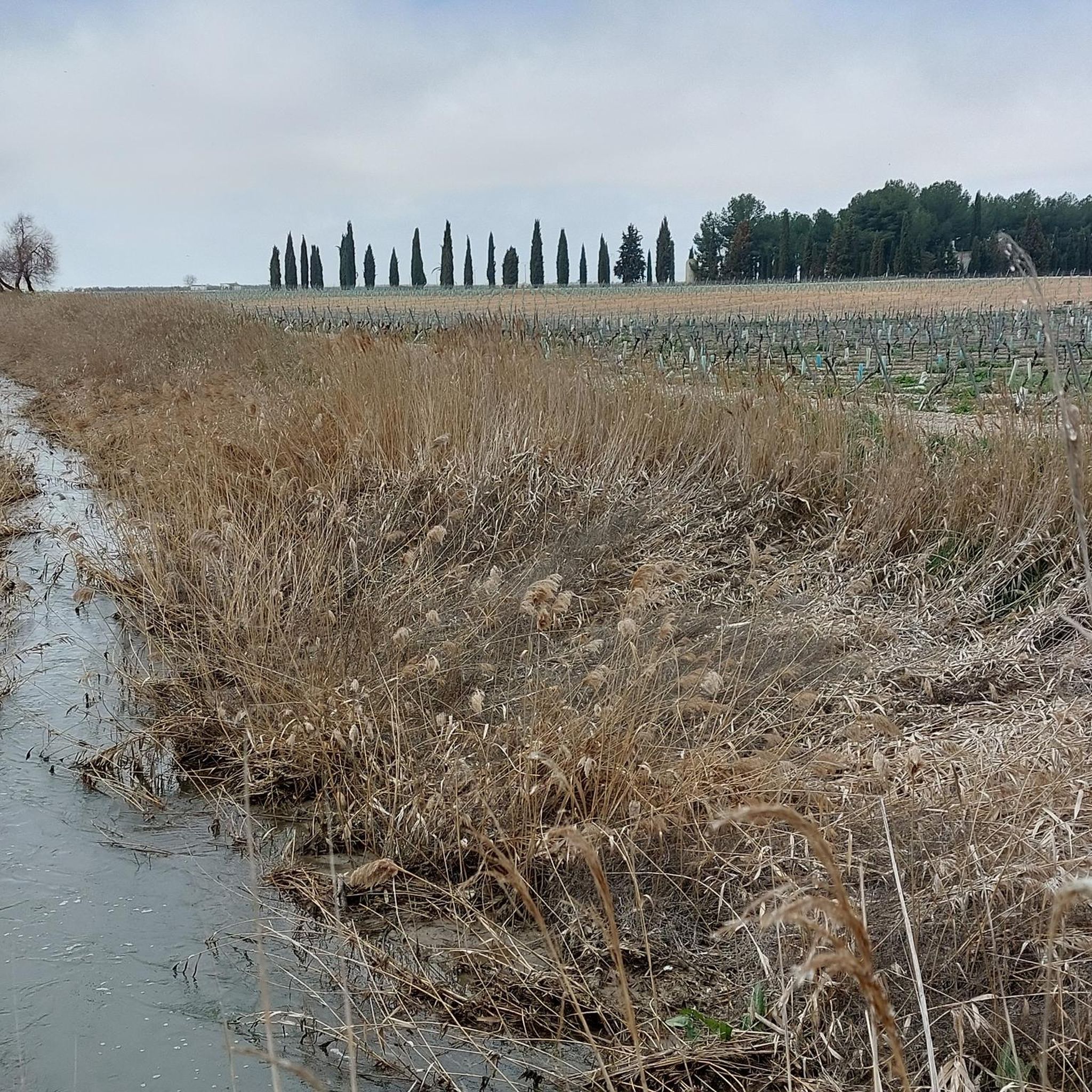

Other adventures around La Villa De Don Fadrique

Tips from the Community

La Puebla de Almoradiel: Its origins are linked to an Iberian and Celtic fortress, inhabited by Romans, Visigoths, and, during the Muslim era, by the Almoravids. The ancient city stood on the Cigüela River, but was abandoned in 1276 due to epidemics. Repopulated by the Order of Santiago in the Middle Ages, it received a town charter in 1315 and the privilege of town status in 1341.
4
0
Founded in 1343 by Prince Don Fadrique Alfonso of Castile, Master of the Order of Santiago, who granted the Charter and the Sepúlveda charter. It was originally called La Puebla de la Isla because it was surrounded by water. The current name honors Don Fadrique, who took refuge in these lands fleeing from Pedro I "The Cruel."
5
0
The Hermitage of the Immaculate Conception in Villacañas (Toledo) is one of the oldest and most traditional churches in the municipality. Origin: It already existed in 1576, according to the Reports of Philip II. Dedication: Immaculate Conception of Mary, patron saint of Villacañas. Style: Popular La Mancha style, with an elongated rectangular floor plan.
3
0
Villacañas (Toledo), in the heart of Toledo's La Mancha region, is a destination that combines cultural heritage, unique nature, and singular traditions.
5
0
Villacañas (Toledo), in the heart of Toledo's La Mancha region, is a destination that combines cultural heritage, unique nature, and singular traditions.
5
0
El Romeral (Toledo) is one of the most authentic villages on the Route of the Mills of La Mancha, with a group of mills that evoke Cervantes' image of Don Quixote. There are four mills located on Cerro Santo, overlooking the La Mancha plain. Their names are: El Pechuga (the most emblematic, it retains its original machinery and is used for events). El Crítica (renovated as an exhibition hall). Los Gorrinos. Muela.
5
0

This is the Convent of Poor Clare Franciscan Nuns, founded in 1515 and converted into a convent in 1546. It follows the Rule of Saint Francis and is dedicated to the Conception of Our Lady. Although renovated in the 20th century, it retains its original Renaissance façade. The nuns lead a contemplative life and support themselves by making artisanal sweets, such as the town's famous "pelusas." Hours for purchasing monastic pastries: in the winter, Monday to Friday, 10:00 a.m. to 2:00 p.m. and 4:30 p.m. to 6:00 p.m.; Saturdays and Sundays from 11:00 a.m. In the summer, Monday to Friday, 10:00 a.m. to 2:00 p.m. and 5:00 p.m. to 7:00 p.m.; Saturdays and Sundays from 11:00 a.m.
2
0
The statue of Don Quixote and Dulcinea in El Toboso is one of the town's most emblematic monuments, deeply linked to the Cervantes universe. It stands in the main square of El Toboso, dedicated to Juan Carlos I, in the heart of the town. The sculptures are made of sheet iron, not cast iron, giving them a handcrafted and robust appearance.
4
0
Frequently Asked Questions
How many touring cycling routes are available around La Villa De Don Fadrique?
There are over 20 touring cycling routes available around La Villa De Don Fadrique, catering to various skill levels. These include easy, moderate, and a few more challenging options.
What is the best time of year for touring cycling in La Villa De Don Fadrique?
The region of La Mancha Toledana, where La Villa de Don Fadrique is located, generally offers good conditions for cycling with many viewpoints. Spring and autumn are typically ideal, providing pleasant temperatures for exploring the flat plains, wetlands, and river systems without the extreme heat of summer.
Are there any easy or family-friendly touring cycling routes?
Yes, there is at least one easy touring cycling route available. The region's flat plains and repurposed railway lines, like segments of the Vía Verde del Trenillo, make it suitable for families and beginners. A good option is the Hermitage of San Gregorio – Villacañas loop from Villacañas, which is rated as easy.
What kind of terrain and elevation can I expect on the touring cycling routes?
Touring cycling around La Villa De Don Fadrique is characterized by flat plains, riverine landscapes, and extensive wetlands. The routes generally feature low elevation changes, making them accessible. For example, the Vía Verde del Trenillo Loop has an elevation gain of less than 90 meters over 43.5 km.
What natural features or landmarks can I see along the touring cycling routes?
The area is rich in natural beauty. You can explore significant wetland environments, such as those near the Laguna Grande de Quero, Salicor Lagoons, and Laguna Larga of Villacañas. You might also spot a Flamingo Observatory. The confluence of the Gigüela and Riánsares rivers also offers picturesque and ecologically valuable landscapes.
Are there any historical or cultural points of interest to explore in La Villa De Don Fadrique?
Beyond the natural beauty, La Villa de Don Fadrique itself offers cultural points of interest. The town preserves traditional Manchegan architecture, with charming houses featuring elegant patios. The Parish Church of Nuestra Señora de la Asunción, dating back to the early 16th century, showcases Gothic and Plateresque architectural styles.
Are there any circular touring cycling routes available?
Yes, many routes in the area are designed as loops. For instance, the La Mancha Wetlands Loop is a popular circular route that takes you through significant wetland areas. Another option is the Vía Verde del Trenillo Loop.
What do other touring cyclists say about the routes in La Villa De Don Fadrique?
The touring cycling routes around La Villa De Don Fadrique are highly rated by the komoot community, with an average score of 5.0 stars from several reviews. Over 40 touring cyclists have used komoot to explore the varied terrain, often praising the flat plains, riverine landscapes, and extensive wetlands.
Are there options for multi-day touring cycling adventures?
Yes, La Villa de Don Fadrique is part of the larger Castilla-La Mancha region, which is crisscrossed by the extensive 2,500-kilometer 'Route of Don Quixote.' This allows touring cyclists to access iconic landscapes, including the famous windmills of Consuegra and the stunning Lagunas de Ruidera Nature Reserve, offering varied terrain and scenery for multi-day adventures.
Are there any routes that pass by the famous windmills of La Mancha?
While not directly in La Villa de Don Fadrique, the broader region of La Mancha is famous for its windmills. The Windmills – Statue of Quixote and Dulcinea loop from La Puebla de Almoradiel is a more challenging route that takes you past these iconic landmarks, offering a taste of the Don Quixote Route.
Is parking available for cyclists near the routes?
While specific parking areas for each route are not detailed, towns like La Villa de Don Fadrique and nearby Villacañas offer general parking facilities. Given the region's focus on outdoor activities, you can typically find convenient parking to access the various cycling trails.
Are there any routes that follow rivers or offer views of wetlands?
Absolutely. The region is situated between the Gigüela and Riánsares rivers, contributing to its diverse ecosystems. The La Mancha Wetlands Loop is specifically designed to showcase the region's significant wetland areas. Additionally, the Ruta del Gigüela follows the Gigüela River, offering views of a lacustrine environment vital for a variety of birds and wildlife.
Are there any more challenging touring cycling routes for experienced riders?
Yes, for experienced riders seeking a greater challenge, there are a few difficult routes available. The La Mancha Wetlands Loop, at over 61 km, is rated as difficult. Another challenging option is the Windmills – Statue of Quixote and Dulcinea loop from La Puebla de Almoradiel, which covers nearly 72 km with significant elevation gain.
Most popular routes around La Villa De Don Fadrique
Most popular attractions around La Villa De Don Fadrique

Get inspired with the komoot mobile app


Explore more
Browse the best Cycling routes in other regions.
