The best road cycling routes around Villacañas
5.0
(1)
60
riders
2
rides
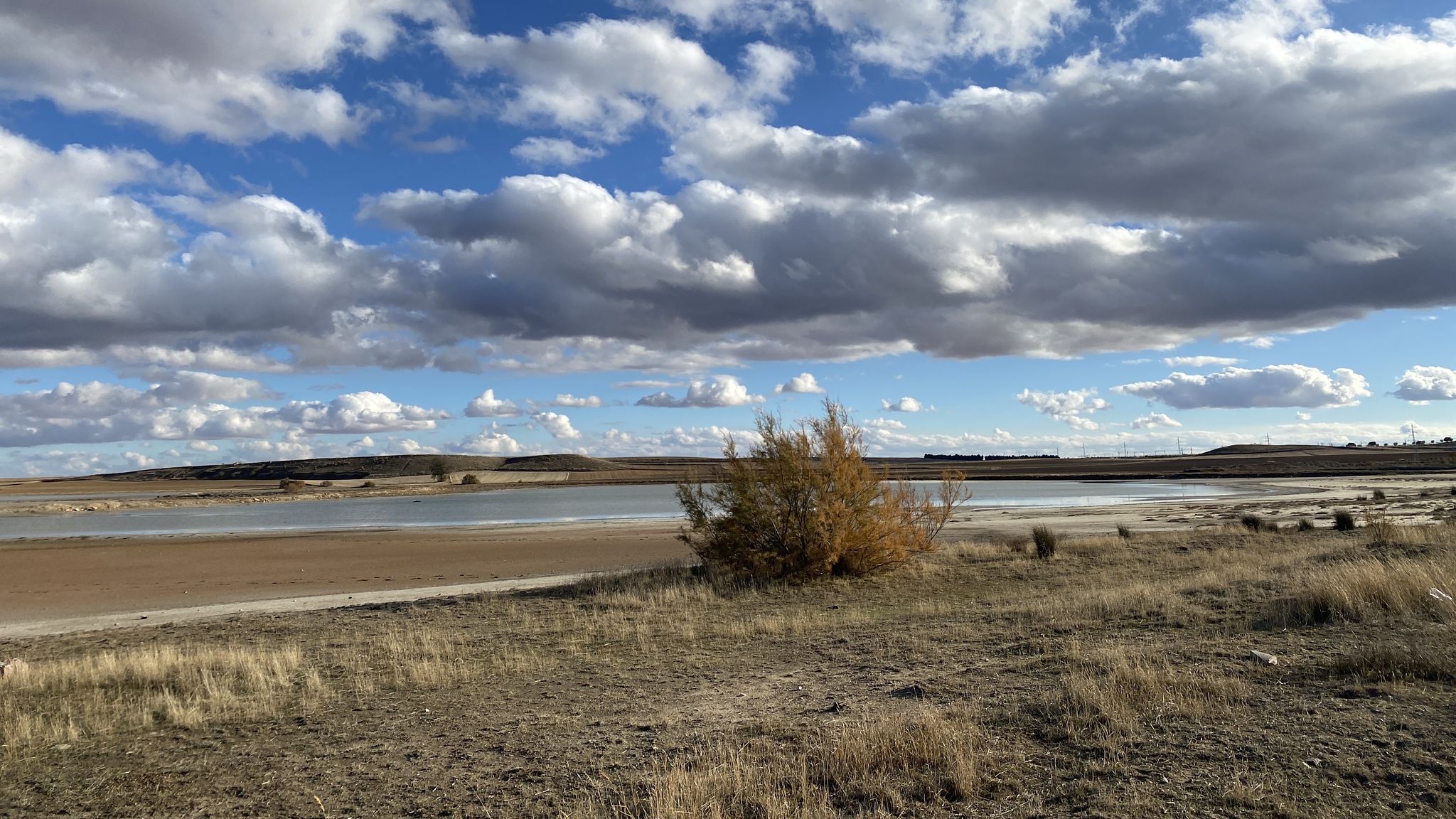
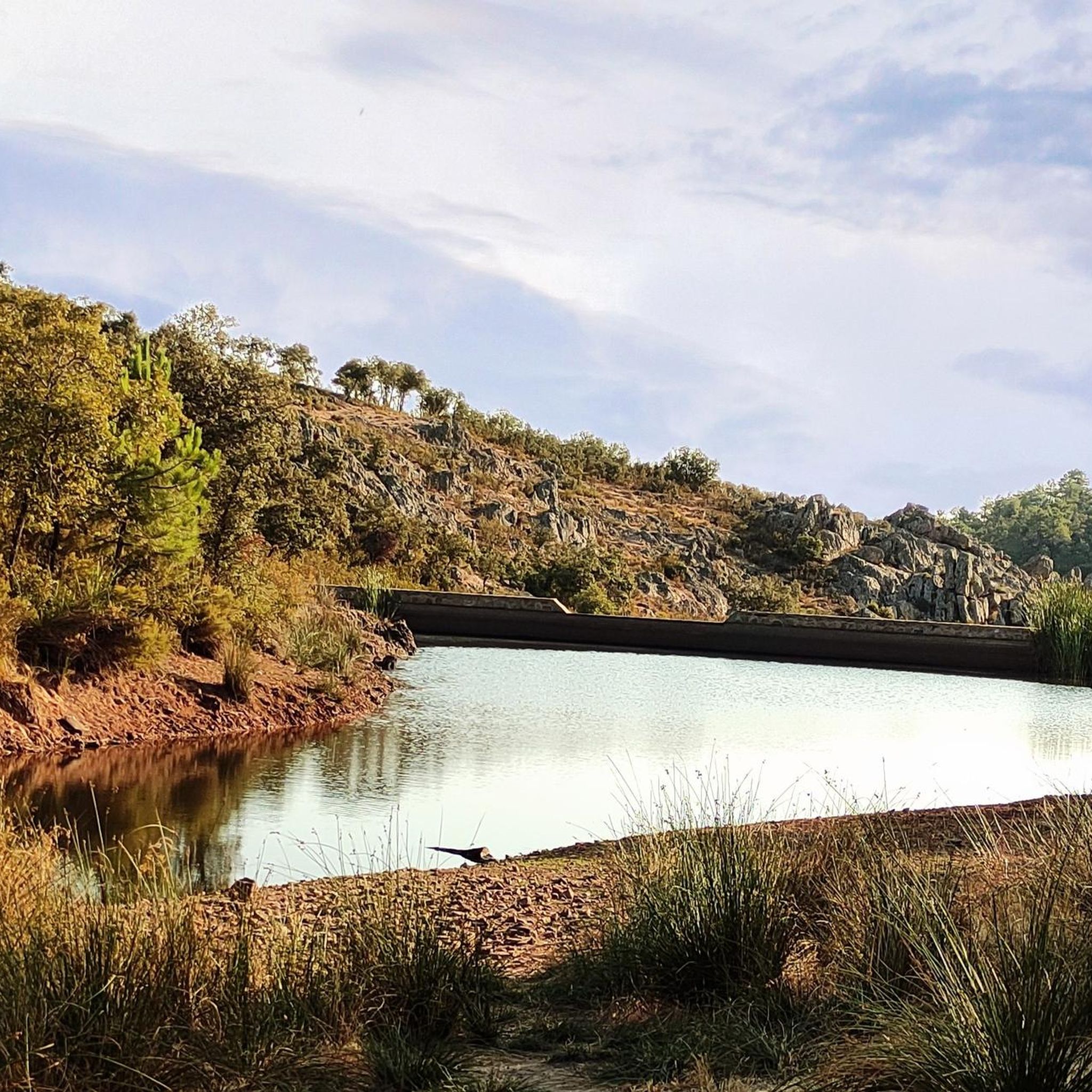
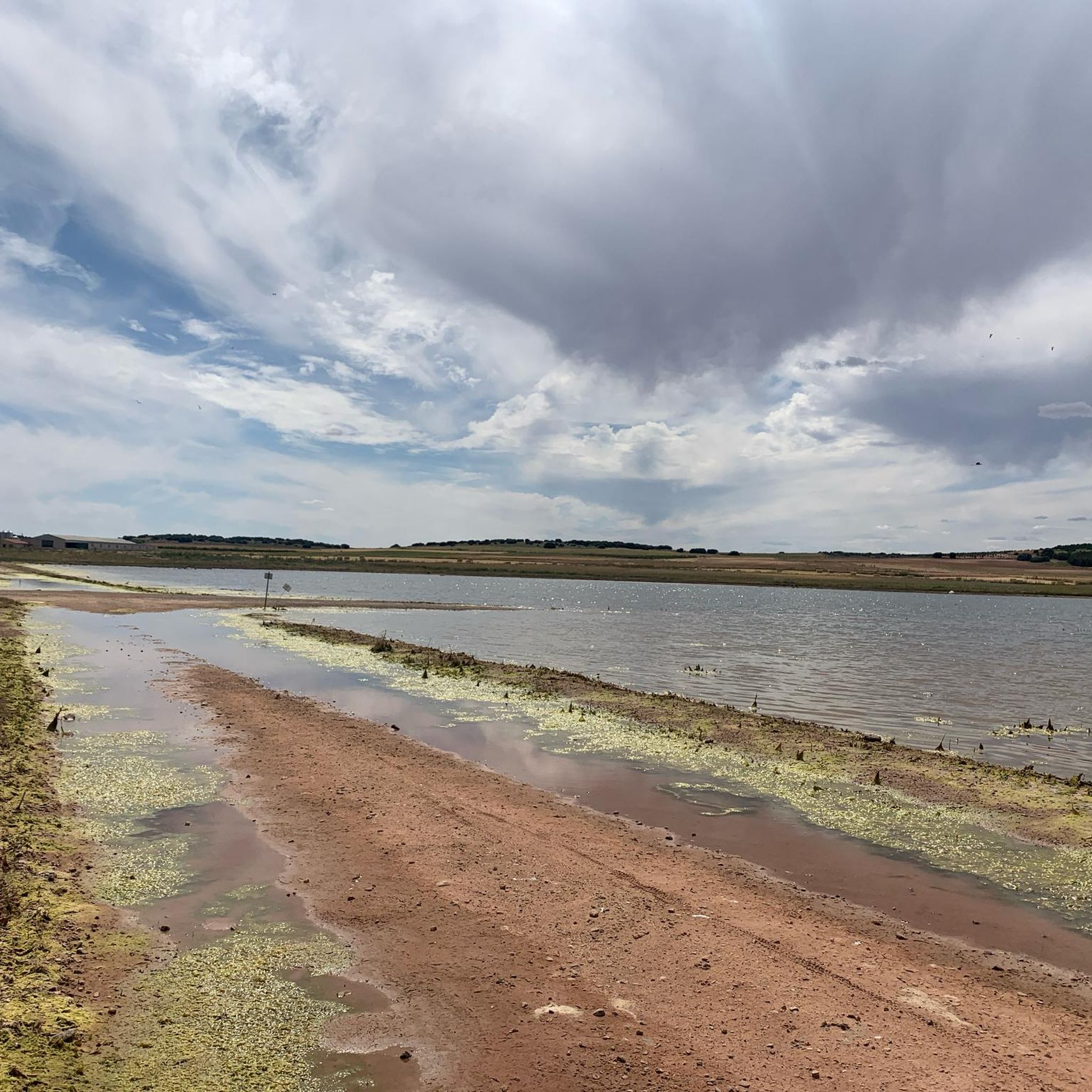
Road cycling routes around Villacañas traverse the distinctive landscapes of La Mancha, characterized by relatively flat to gently undulating plains. The region features significant natural attractions such as the Villacañas Lagoon Complex, a system of wetlands including Laguna Larga and Laguna de Peña Hueca Natural Reserve. Cyclists can also utilize "El Trenillo," a former railway line converted into a greenway, offering a paved surface through vineyards and natural areas. These routes provide varied terrain suitable for road cycling.
Best road…
Last updated: August 23, 2026
4
riders
124km
05:02
710m
710m
Hard road ride. Very good fitness required. Mostly well-paved surfaces and easy to ride.
18
riders
41.6km
01:43
180m
180m
Easy road ride. Great for any fitness level. Mostly well-paved surfaces and easy to ride.

Sign up for free
7
riders
Easy road ride. Great for any fitness level. Mostly well-paved surfaces and easy to ride.
5.0
(1)
9
riders
31.6km
01:20
170m
170m
Moderate road ride. Great for any fitness level. Some segments of this route may be unpaved and difficult to ride.
5
riders
Easy road ride. Great for any fitness level. Mostly well-paved surfaces and easy to ride.
Our route recommendations are based on thousands of hikes, rides, and runs completed by other people on komoot.
Start today with a free account
Your next adventure awaits.
Login or Signup

Other adventures around Villacañas

Tips from the Community

The Muela Castle: A millennial fortress that dominates the landscape and was the scene of important historical episodes, such as the Battle of Consuegra in 1097. Location: It stands on the Calderico Hill in the town of Consuegra, Toledo, next to its famous windmills. Origin: Its initial construction dates back to the 10th century (Caliphate period), ordered to be built by Almanzor. Evolution: It was later expanded and modified by the knights of the Order of Saint John.
0
0
The Windmills: Twelve 16th-century structures lined up on the crest of the hill. Each bears a name related to the work of Miguel de Cervantes, such as Sancho (whose 15th-century mechanism remains intact) or Bolero (which serves as a tourist office)
0
0

Good views of the windmills and castle of Consuegra.
2
0

L'Arco de San Huberto is a charming point of interest and a natural/historical monument located in the Sierra de Los Yébenes (Montes de Toledo, Spain). The place is traditionally linked to the Capilla de San Huberto, protector of hunters, and is a much-appreciated stop on excursions in the surroundings. To reach and enjoy this corner of nature, you can use specific routes depending on your sport.
0
0
The Il Molino de viento La Unión (historically known as Molino Viejo) is an iconic windmill located on the highest hill in the municipality of Camuñas, in the province of Toledo, Spain. It represents one of the most important historical testimonies of traditional engineering in the autonomous community of Castile-La Mancha.
0
0

Located in the Plaza de la Constitución, in the historic Town Hall in the Neo-Mudéjar style, designed by Ezequiel Martín Martín and built between 1927–1928, with a striking brick facade, masonry panels, horseshoe arches and ceramic decorations, culminating in a circular tower topped with a bulbous dome (tiled, from 1930).
3
0
La Puebla de Almoradiel: Its origins are linked to an Iberian and Celtic fortress, inhabited by Romans, Visigoths, and, during the Muslim era, by the Almoravids. The ancient city stood on the Cigüela River, but was abandoned in 1276 due to epidemics. Repopulated by the Order of Santiago in the Middle Ages, it received a town charter in 1315 and the privilege of town status in 1341.
4
0
Founded in 1343 by Prince Don Fadrique Alfonso of Castile, Master of the Order of Santiago, who granted the Charter and the Sepúlveda charter. It was originally called La Puebla de la Isla because it was surrounded by water. The current name honors Don Fadrique, who took refuge in these lands fleeing from Pedro I "The Cruel."
5
0
Frequently Asked Questions
What is the general terrain like for road cycling around Villacañas?
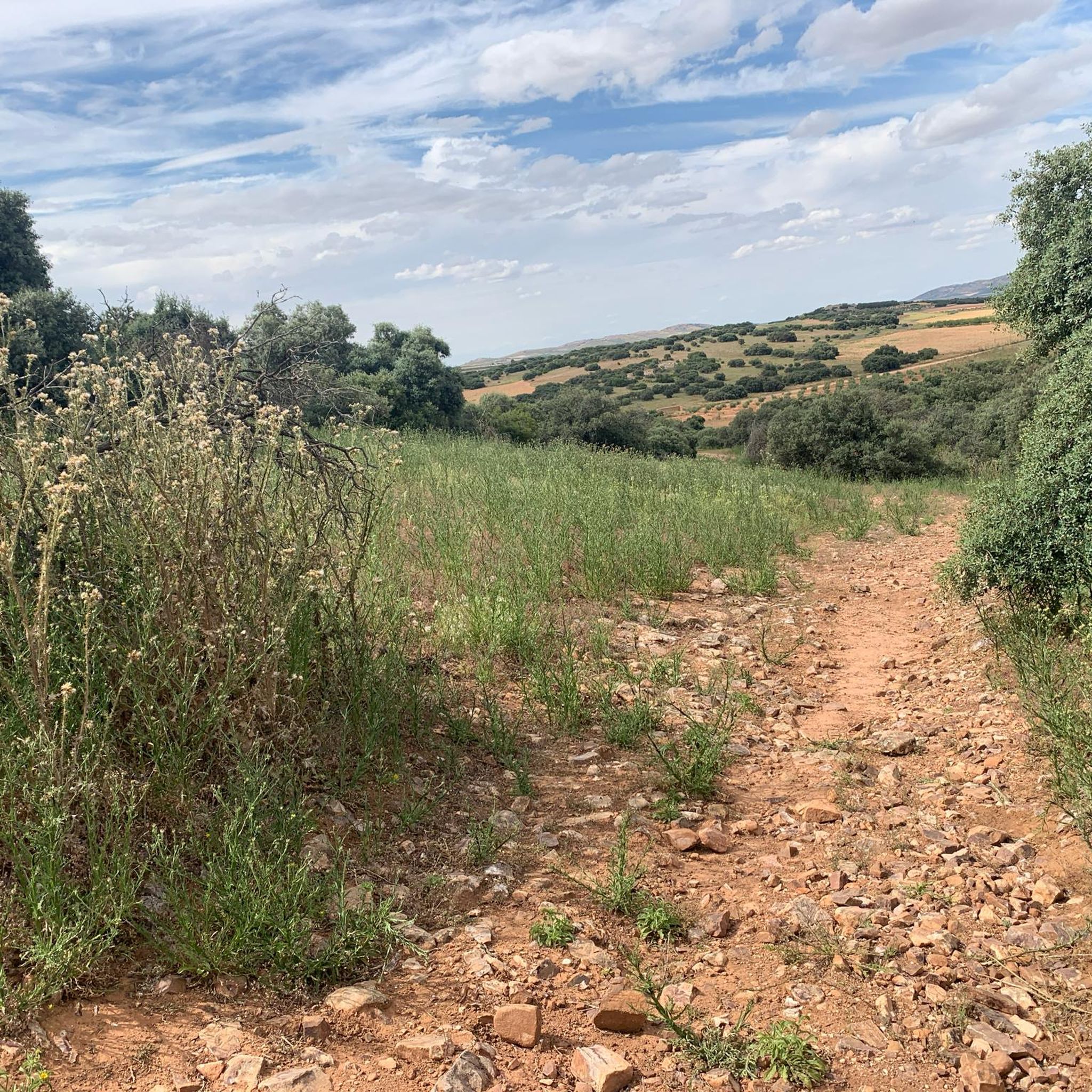
The Villacañas region, situated in the heart of La Mancha, offers predominantly flat to gently undulating plains. This characteristic terrain makes it suitable for road cycling of varying intensities, with well-maintained paths and expansive views across agricultural landscapes and wetlands.
Are there road cycling routes suitable for beginners in Villacañas?
Yes, the region offers routes with minimal elevation gain, ideal for beginners or those seeking a relaxed ride. For example, the route Camuñas Ethnological Museum – Cervantes Sculpture loop from Villafranca de los Caballeros is an easy 16.2-mile (26.2 km) option with only 269 feet (82 m) of elevation gain.
What natural attractions can I see while road cycling in Villacañas?
Road cycling routes often pass by the significant Villacañas Lagoon Complex, a system of wetlands including Laguna Grande de Villafranca, Laguna de Peñahueca, and Laguna Larga of Villacañas. These areas are part of the 'Humedales de La Mancha' Site of Community Importance and are Special Protection Areas for Birds (ZEPA), offering serene natural scenery and opportunities for birdwatching.
Are there any historical or cultural landmarks accessible by road bike?
Yes, some routes connect to towns with notable landmarks. For instance, the route Mora, Los Yebenes, Consuegra y Madridejos – circular from Villacanas passes through several towns in the La Mancha area, allowing you to explore places like Madridejos and potentially view the famous Consuegra windmills.
What is the best time of year for road cycling in Villacañas?
The relatively flat terrain makes Villacañas enjoyable for road cycling for much of the year. Spring and autumn generally offer the most pleasant temperatures for longer rides. Summers can be hot, while winters are typically mild, though conditions can vary.
Is there convenient parking for cyclists in Villacañas?
Villacañas, as a local town, typically offers various public parking options. While specific cyclist-dedicated parking isn't highlighted, general town parking should be available for those arriving by car with their bikes.
Can I reach Villacañas with my bike using public transport?
Public transport options to Villacañas, such as regional buses or trains, may have specific policies regarding bicycle carriage. It's advisable to check with the respective transport provider (e.g., Renfe for trains, Interbus for coaches) directly for their current bike policies and any associated fees or restrictions before planning your journey.
Are there any circular road cycling routes around Villacañas?
Yes, many of the road cycling routes in the area are designed as circular loops, allowing you to start and end in the same location. An example is Lagunas y Albardinales del Cigüela – circular from Quintanar de la Orden, which explores the wetland areas and flat plains.
What is 'El Trenillo' and how can I cycle on it?
'El Trenillo' is a former railway line near Villacañas that has been converted into a greenway. This route offers a pleasant, paved cycling experience, passing by natural features like Laguna Larga and traversing vineyards. It's an excellent option for a smooth and scenic ride.
What kind of challenge can I expect on road cycling routes in Villacañas?
The routes around Villacañas range from moderate to difficult. While many routes are relatively flat, some, like Mora, Los Yebenes, Consuegra y Madridejos – circular from Villacanas, offer a longer ride of 76.7 miles (123.5 km) with a more significant elevation gain of 2,335 feet (712 m), providing a good challenge for experienced cyclists.
Are there any long-distance road cycling routes available?
Yes, for those looking for longer distances, routes such as Lagunas y Albardinales del Cigüela – circular from Quintanar de la Orden cover over 65 miles (105 km), offering an extended ride through the region's unique landscapes.
What do other road cyclists enjoy the most about road cycling in Villacañas?
Road cyclists often praise the expansive plains, the unique wetland complexes, and the greenways like 'El Trenillo' for providing varied and enjoyable riding experiences. The region's network offers options for different ability levels, from moderate rides through natural reserves to more challenging routes connecting multiple towns.
Most popular attractions around Villacañas

Get inspired with the komoot mobile app


Explore more
Browse the best Road cycling routes in other regions.
